
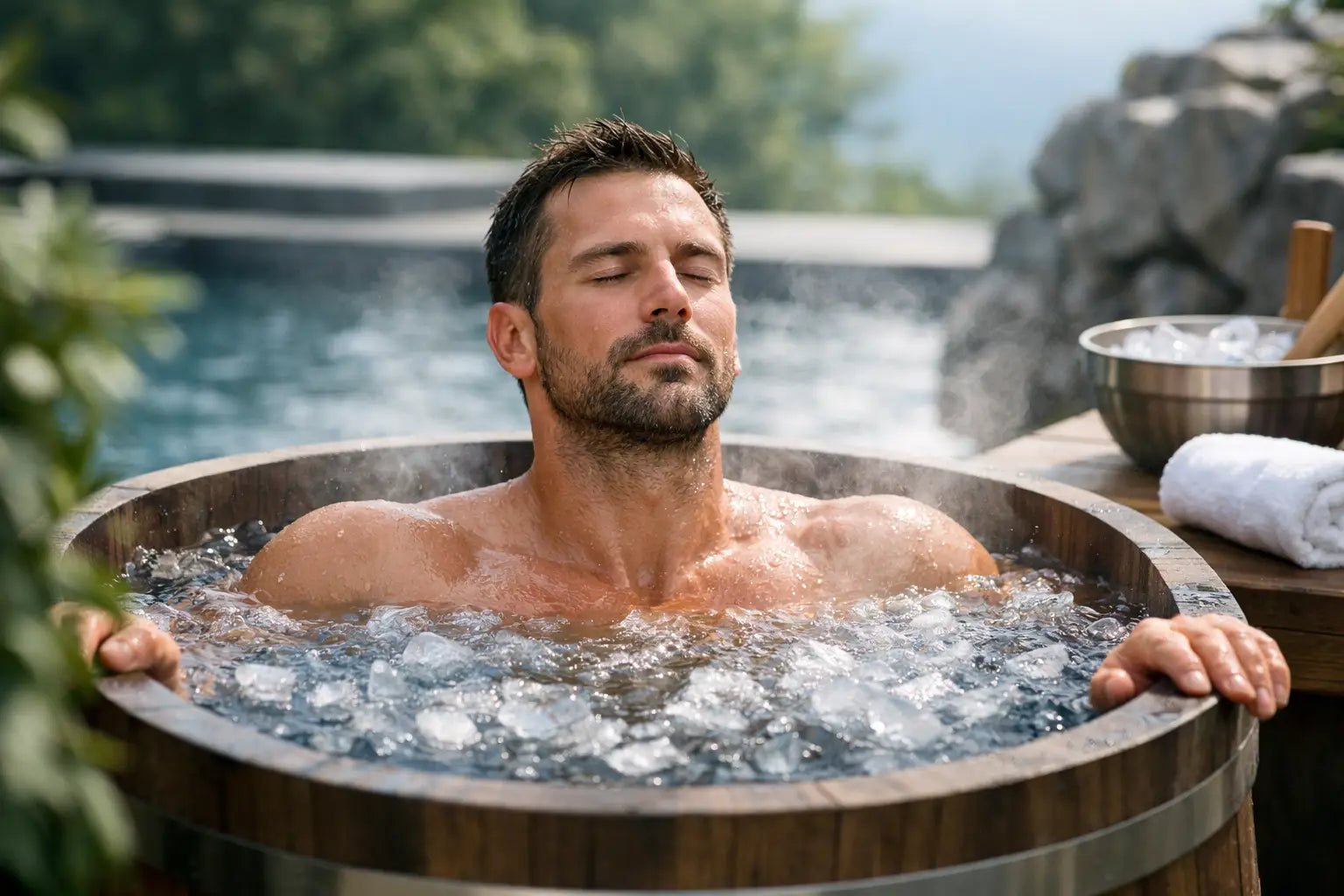
What Does Cold Plunge Do for Your Body?
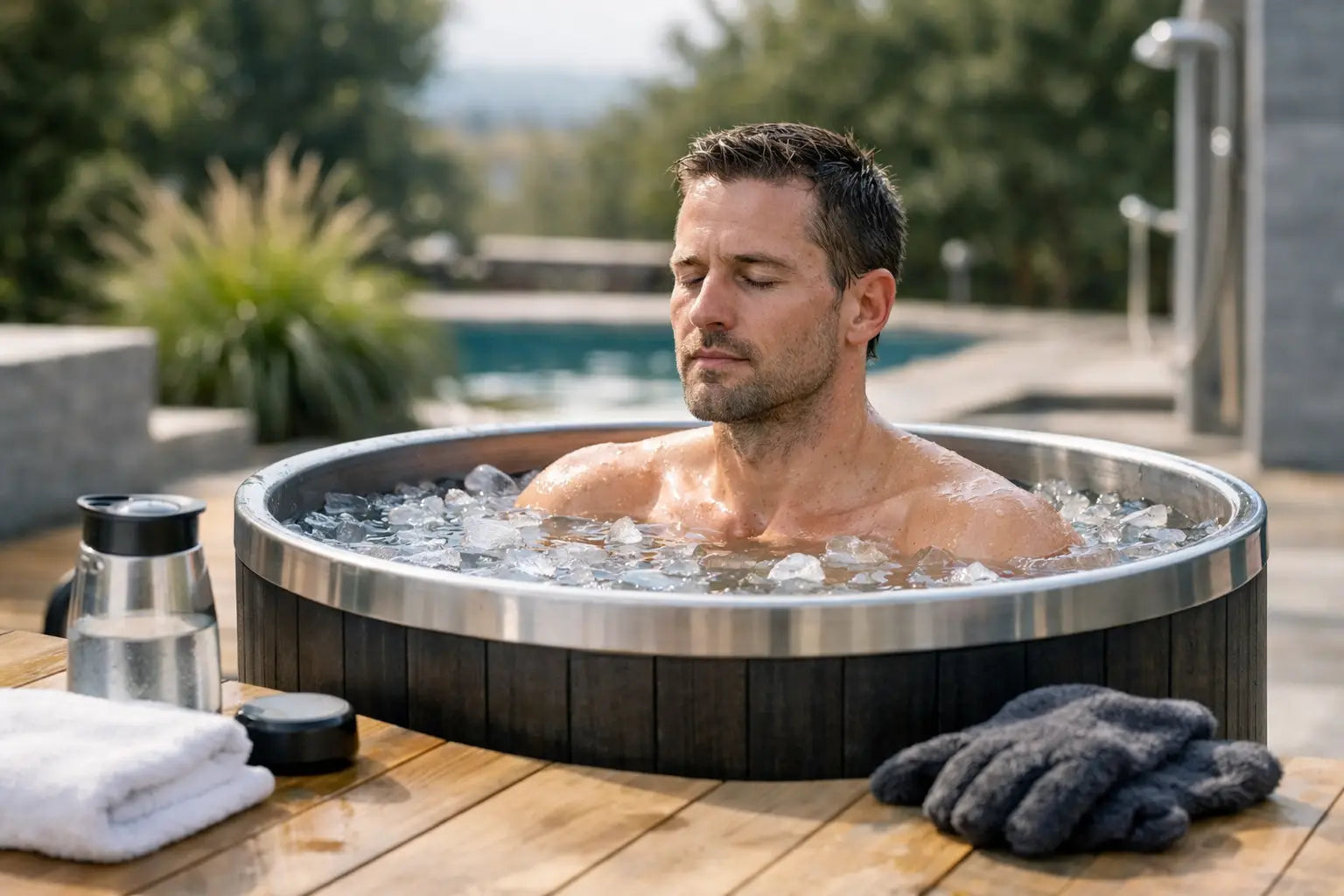
You step into 45-degree water, your breath catches, and every signal in your body says get out. That immediate jolt is exactly why so many high-performance people ask, what does cold plunge do beyond the shock itself? The short answer is that cold exposure creates a controlled stress response that can sharpen alertness, support recovery, and train your nervous system to regain composure under load.
The more useful answer is that cold plunging is not magic, and it is not one single effect. It changes circulation, influences inflammation, heightens sympathetic activation in the moment, and often leaves people feeling calm and clear afterward. For some goals, it is highly effective. For others, timing matters.
What does cold plunge do in the body?
At the physiological level, a cold plunge triggers thermoregulation. Your blood vessels near the skin constrict to reduce heat loss, your heart rate and breathing can rise initially, and stress hormones like norepinephrine increase. This is part of the body trying to preserve core temperature and maintain stability.
That response is why people often report a strong sense of mental clarity after a session. Norepinephrine is associated with alertness and attention. Many users feel more awake, focused, and steady for hours after a brief plunge, especially in the morning.
Cold exposure also changes how your body perceives discomfort. When you stay calm in cold water, you practice control over your breathing and stress response. That can have a real carryover effect into training, work, and sleep routines. The water is cold, but the adaptation is neurological as much as physical.
Recovery, soreness, and inflammation
One of the main reasons athletes use cold immersion is recovery. After intense training, cold water can reduce the sensation of soreness and help you feel more prepared for the next session. This is especially relevant when training frequency is high and performance tomorrow matters as much as performance today.
Part of that benefit comes from vasoconstriction and part comes from the analgesic effect of cold itself. Tissues may feel less swollen, joints can feel less irritated, and soreness often becomes more manageable. That does not mean cold plunge repairs muscle directly. It means it can improve how you feel and function after hard output.
This is where nuance matters. If your goal is maximum muscle hypertrophy, frequent cold plunging immediately after strength training may not be ideal. Some research suggests that blunting inflammation too aggressively right after resistance work could interfere with certain adaptation signals involved in muscle growth. If your priority is endurance, competition recovery, or reducing soreness between sessions, cold immersion may be more useful.
For many people, the best answer is timing. Use cold exposure away from lifting sessions when size and strength adaptation are the top goal. Use it closer to training when reducing fatigue and improving readiness matter more.
What does cold plunge do for the nervous system?
Cold water is a stressor, but in the right dose, that is the point. You enter a controlled environment, face a predictable challenge, and practice regulating your response. At first, the body wants to panic. Breathing becomes shallow. Muscles tense. Thoughts narrow.
Then, if you stay present, breathing slows and the system settles. That transition is powerful. It teaches your nervous system that stress does not always require reactivity. Over time, many people become less overwhelmed by the initial shock and more capable of returning to a calm baseline quickly.
This is one reason cold plunging has become part of broader performance and longevity routines. It is not only about soreness. It is about resilience. The practice creates a repeatable moment of deliberate discomfort followed by recovery and stillness.
Some users also report improved mood after cold exposure. That may be linked to catecholamine release, the sense of achievement that follows a difficult ritual, or both. Either way, the psychological effect is real for many people. The plunge demands focus, and focus often clears mental noise.
Circulation and metabolic response
Cold plunging changes circulation in a dynamic way. Blood flow is redirected inward during exposure to protect vital organs and preserve heat. After you get out and warm up, circulation shifts again. This process is part of why many people describe a post-plunge sensation of warmth, energy, and reset.
There is also growing interest in cold exposure and metabolic health. The body expends energy to maintain temperature, and repeated cold exposure may stimulate brown adipose tissue activity in some individuals. Brown fat helps generate heat, which makes it metabolically interesting. That said, cold plunge is not a shortcut for weight loss. The metabolic effect exists, but it is not a replacement for training, nutrition, or sleep.
Viewed correctly, cold immersion can support a well-structured routine. It may complement efforts around energy, insulin sensitivity, and stress regulation, but it works best as one part of a larger system.
Immune support, mood, and sleep
People often ask whether cold plunging strengthens immunity. The honest answer is that the evidence is promising but mixed. Some studies and user reports suggest regular cold exposure may support immune function or reduce perceived illness frequency, likely through stress adaptation and autonomic effects. But it is not a guarantee, and it should not be positioned like medicine.
Mood is a stronger and more consistent reason people stick with the practice. A brief plunge can create a noticeable shift in state. You feel awake, clean, composed. For high-output people who spend most of the day in cognitive overdrive, that reset has value.
Sleep is more individualized. Some people sleep better when they plunge earlier in the day because it improves stress resilience and helps regulate their routine. Others find late evening plunges too stimulating. If sleep quality is the goal, experiment with timing rather than assuming more is better.
What cold plunge does not do
Cold immersion works well, but it is often oversold. It does not erase poor recovery habits. It does not replace mobility work, smart programming, hydration, or sufficient protein. It does not treat injuries on its own. It does not make every body composition goal easier.
It is also not supposed to feel effortless. The discomfort is part of the mechanism. If the practice becomes a performative endurance contest, the value tends to drop. The goal is not proving toughness. The goal is using a precise stressor to create a measurable shift in how you recover, focus, and regulate.
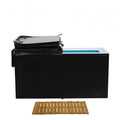
That distinction matters in a home setting. The most effective cold plunge routine is the one you can repeat consistently, with clean water, stable temperature, and enough comfort around the setup that it becomes part of real life rather than a short-lived challenge.
How to use cold plunge effectively
For most healthy adults, shorter sessions are enough. Water temperatures in the range of 45 to 55 degrees Fahrenheit are common, and many people start with one to three minutes before building tolerance. You do not need extreme duration to get meaningful effects.
Breathing should guide the session. If you can control your inhale and exhale, relax your shoulders, and remain steady, you are likely in a productive range. If you are shivering intensely, becoming dizzy, or pushing through panic, that is not better training. It is poor dosing.
Consistency matters more than theatrics. Two to four sessions per week is a realistic rhythm for many people. Morning use often supports alertness and discipline. Post-training use can help with soreness when recovery is the immediate goal. On rest days, it can serve as a standalone reset.
This is where premium home systems have an advantage. A cold plunge that is easy to maintain, visually integrated into the space, and ready on demand removes friction. When the setup feels deliberate rather than improvised, the ritual becomes easier to sustain. For a brand like HALOR, that is the broader value proposition - making advanced recovery practical enough to live with, not just experiment with.
Who should be careful
Cold plunging is not appropriate for everyone. People with cardiovascular conditions, uncontrolled high blood pressure, Raynaud's phenomenon, certain respiratory issues, or pregnancy-related concerns should speak with a qualified clinician before starting. The cold shock response can be significant, especially for beginners.
Even healthy users should avoid treating cold immersion casually. Enter slowly, keep sessions reasonable, and never plunge alone if you are new to it or pushing lower temperatures. Precision is part of the practice.
The real appeal of cold plunging is not novelty. It is the way a few focused minutes can sharpen the rest of the day. Used well, it gives you a cleaner stress response, a stronger sense of readiness, and a ritual that brings recovery into the home with intention.