
Sauna vs Red Light: Which Fits Your Routine?
If your evening routine has room for one serious recovery tool, the sauna vs red light decision matters more than most wellness purchases. Both can support recovery, circulation, and long-term resilience, but they do it through very different inputs. One changes your body through heat stress. The other works through light exposure at specific wavelengths. That difference shapes everything from how you feel during a session to how often you will realistically use it.
For a high-performance household, this is not really a question of which modality is better in the abstract. It is a question of fit. Your goals, schedule, heat tolerance, space, and preferred rhythm all matter. The best setup is the one that becomes part of deliberate practice, not the one that looks impressive and goes untouched.
Sauna vs red light: the core difference
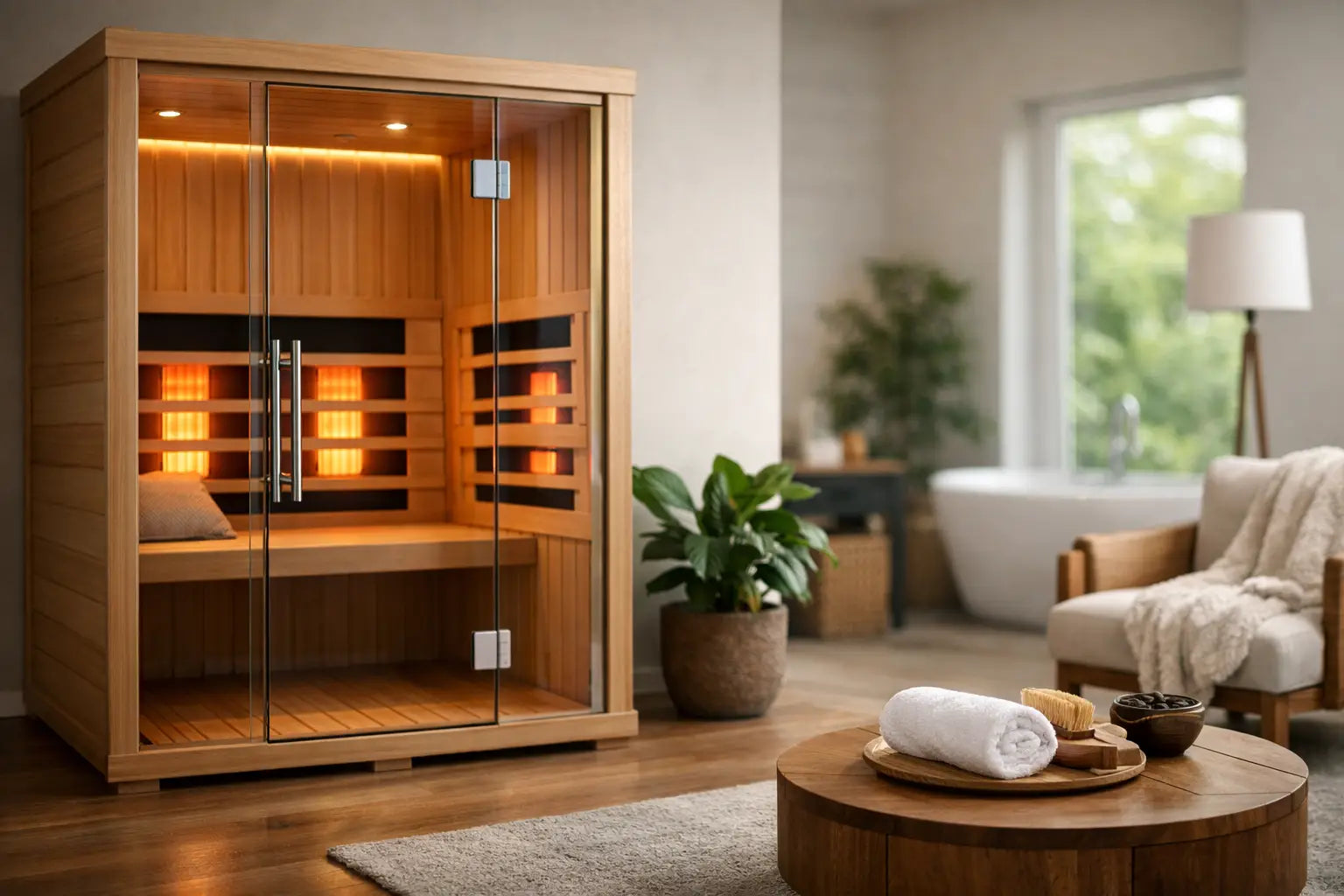
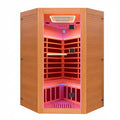
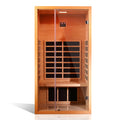
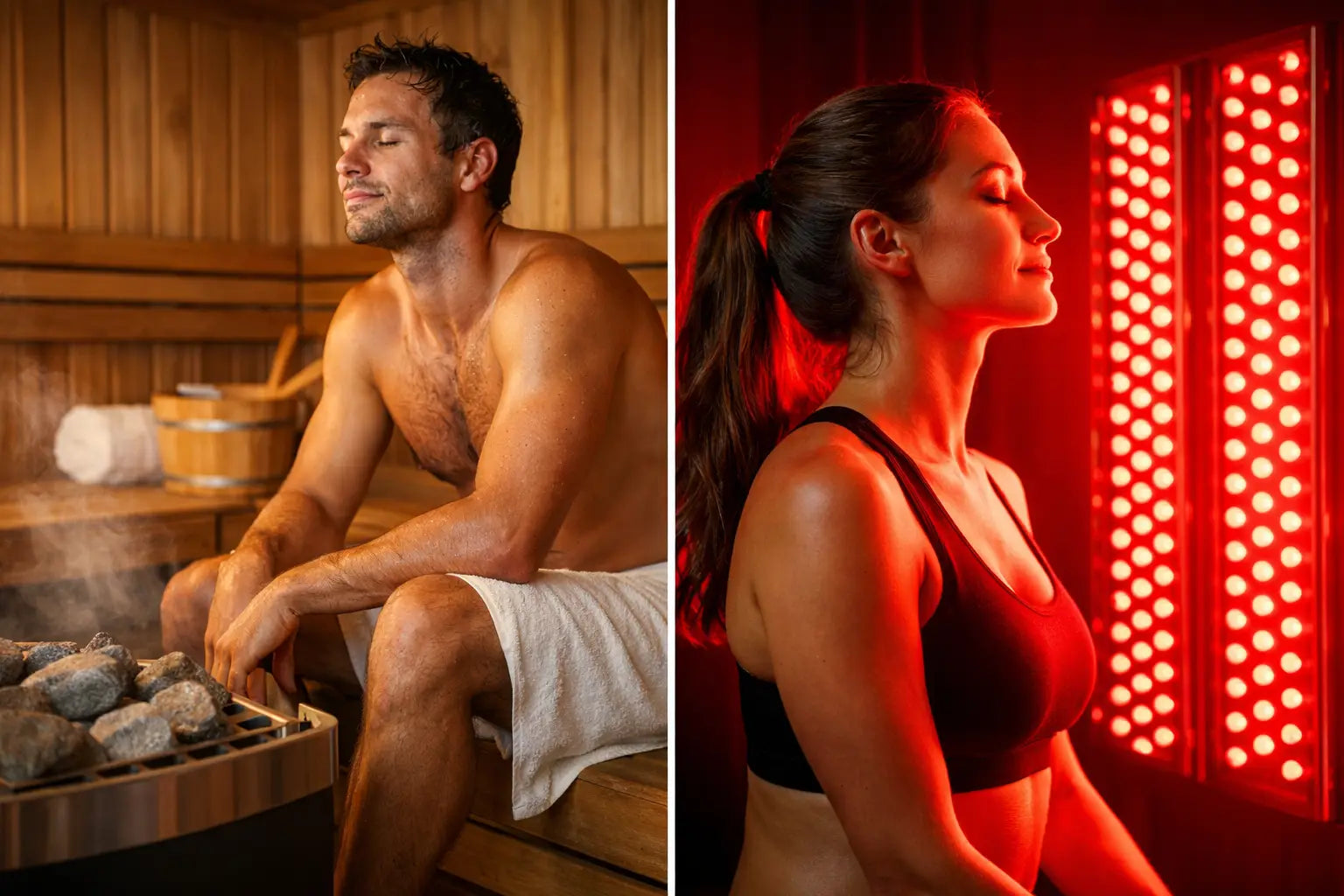
A sauna creates a full-body heat load. Traditional and infrared saunas do this differently, but the core effect is similar - your body temperature rises, circulation increases, sweating begins, and your nervous system responds to the stressor. Many people use sauna for recovery, relaxation, cardiovascular support, and the distinct sense of calm that follows a session.
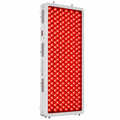
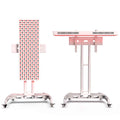
Red light therapy does not rely on heat stress. It uses red and near-infrared wavelengths to expose tissue to light that may support cellular energy production, skin health, and recovery signaling. A red light session usually feels calm and neutral rather than intense. You stand or sit in front of a panel, the body absorbs light, and the session ends without the fatigue or sweat that often comes with heat.
This is the first trade-off. Sauna is a stronger sensory experience. Red light is a lighter lift. If you want a ritual that feels immersive and physically transformative in the moment, sauna tends to win. If you want something easy to repeat frequently, red light often has the advantage.
How each modality affects recovery
Sauna recovery is driven largely by heat adaptation, increased blood flow, and the way the body responds to controlled thermal stress. After training, many people use sauna to downshift, loosen stiffness, and support a broader recovery routine. There is also a behavioral advantage here. A sauna session forces stillness. You sit, breathe, and let the system settle.
Red light recovery is more targeted and often easier to place around training. Users commonly turn to it for muscle soreness, joint comfort, and tissue support without adding another major stressor. If your schedule includes lifting, endurance work, or repeated high-output sessions, red light can feel easier to maintain because it asks less from the body in the moment.
That does not mean one replaces the other. If you are already carrying a high stress load from training, work, travel, or poor sleep, red light may be the more sustainable daily option. If you recover well and respond positively to heat, sauna can be a powerful anchor in the week.
Skin, circulation, and energy benefits
Red light is usually the first choice for people prioritizing skin quality. It is commonly used to support tone, texture, and visible skin health, especially on the face and upper body. Near-infrared wavelengths may also reach deeper tissue, which is why red light is often discussed in the context of muscle and joint support as well.
Sauna can benefit the skin too, but in a different way. Better circulation and sweating can leave skin looking clearer and more vibrant after a session. Still, if your main objective is a skin-focused ritual with minimal friction, red light is typically the more precise match.
For circulation, both modalities have a place. Sauna creates a more obvious cardiovascular response because of heat. Heart rate rises, vessels dilate, and the session feels active even while you are sitting still. Red light supports circulation more subtly. You may not feel much during the session, but that does not mean it is doing nothing. The experience is simply less dramatic.
Energy is where personal response really matters. Some people leave the sauna feeling reset and clear. Others feel pleasantly depleted and prefer it at night. Red light often feels cleaner and more flexible. It can fit in the morning, between meetings, or before bed without the same degree of physical demand.
Sauna vs red light for longevity-minded users
Longevity routines work best when they are repeatable. This is where the sauna vs red light comparison becomes practical rather than theoretical. A modality can have excellent research behind it, but if your home, schedule, or preferences make regular use unlikely, the real-world benefit drops fast.
Sauna is often the stronger ritual. It creates a clear beginning and end to the day, supports parasympathetic downshifting, and brings an almost architectural presence to the home. For many people, that matters. A well-designed sauna changes behavior because it invites use.
Red light is often the stronger habit tool. Sessions are shorter, setup is simpler, and there is less resistance before you start. You do not need to shower after. You do not need to build around cooldown time. If consistency is your main challenge, red light may earn more total minutes of use over time.
For longevity-minded users, that consistency compounds. The best modality is often the one that survives busy weeks, travel fatigue, and the reality of modern schedules.
Which one is better for your goals?
If your priority is deep relaxation, heat exposure, cardiovascular challenge, and a premium end-of-day reset, sauna usually makes more sense. It is immersive, sensory, and often easier to treat as a non-negotiable ritual. It also tends to appeal to people who want a stronger contrast from the pace of the day - more stillness, more warmth, more separation from screens and noise.
If your priority is skin support, localized recovery, low-friction consistency, and a modality that fits almost anywhere in the day, red light is often the better choice. It is especially attractive for people who want wellness inputs without a major time or energy cost.
There are also cases where one modality is simply easier to tolerate. If you dislike heat, have limited tolerance for sweating, or do not want a physically demanding session, red light is the cleaner fit. If red light feels too passive and you want a session that creates a clear bodily shift, sauna is more satisfying.
Budget and space matter too. A sauna is usually the larger commitment in footprint, installation, and cost. Red light panels are often more flexible and easier to integrate into a bedroom, gym, or recovery space. That does not make one more valuable than the other. It means the right decision should reflect how your home actually functions.
Can you use both together?
Yes, and for many people that is the most complete answer. Sauna and red light are complementary rather than redundant. One applies heat stress. The other applies light. One is often best for immersive reset. The other is often best for frequent support.
A common approach is to use red light more often and sauna more deliberately. Red light can become a short, repeatable part of a morning or post-training routine. Sauna can become a few anchored sessions each week, especially in the evening or on recovery days. This creates range in your system without making every wellness ritual feel demanding.
For a premium home setup, that layered approach is where the category becomes compelling. Instead of relying on one tool to do everything, you build an environment that supports different states - activation, recovery, calm, and resilience. That is the logic behind a curated home longevity stack, and it is why brands like HALOR frame these modalities as part of a broader practice rather than isolated trends.
The buying decision most people should make
If you are choosing your first major modality, start with the one you can see yourself using for the next twelve months, not the next twelve days. Think about timing, recovery goals, household preferences, and whether you want intensity or ease.
Choose sauna if you want a more immersive ritual, stronger sensory payoff, and a dedicated recovery space that changes the feel of your home. Choose red light if you want consistency, versatility, and a lower-friction tool that supports performance and visible wellness with minimal disruption.
And if you already know you value both calm and precision, heat and light, stillness and consistency, the smartest move may not be choosing sides at all. It may be building a routine that meets you in different ways on different days.