
Red Light Therapy for Recovery at Home
Hard training is easy to romanticize. Recovery is where the real discipline shows up.
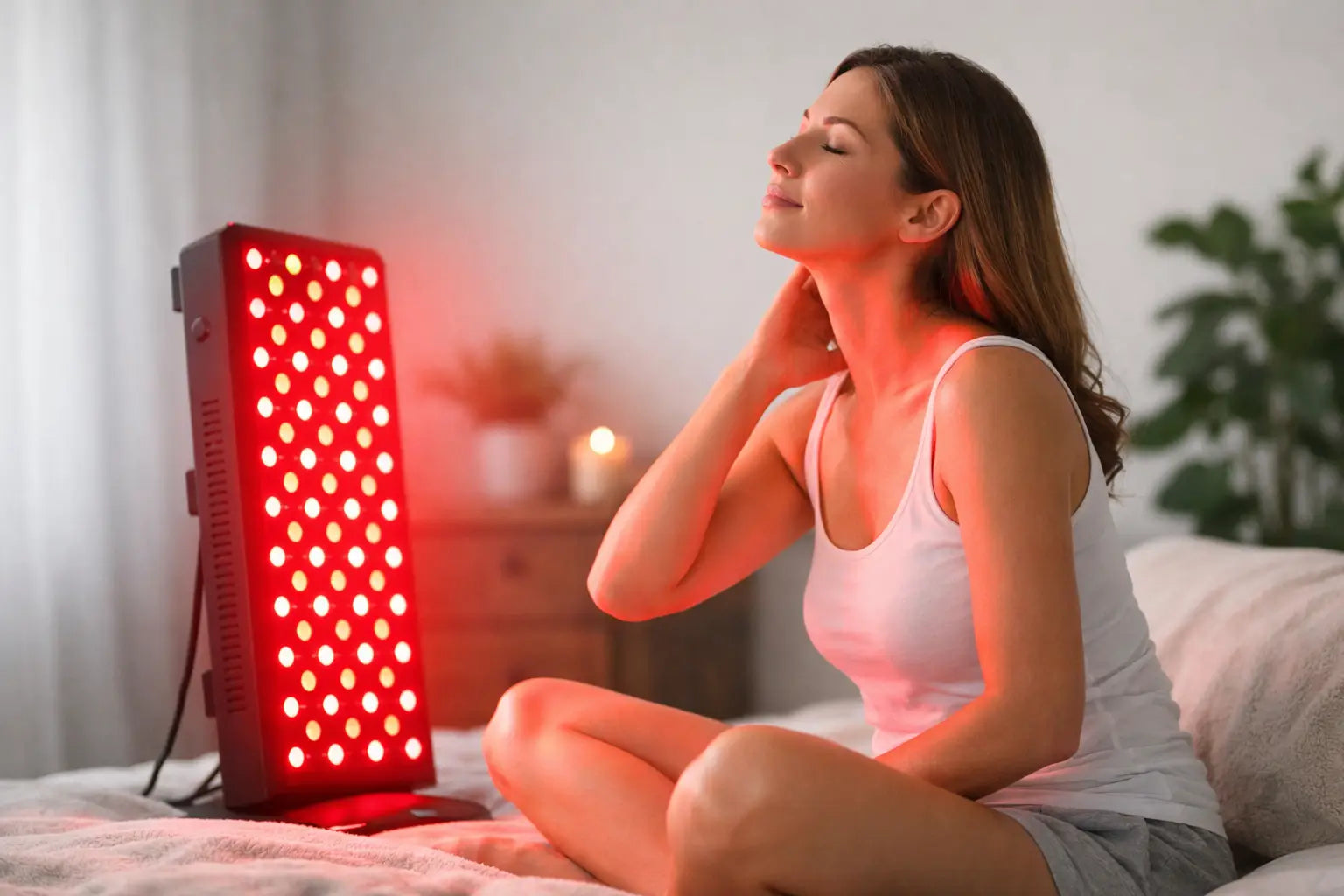
That is exactly why red light therapy for recovery has moved from clinics and training facilities into serious homes. For athletes, executives, and longevity-minded people who train hard, sit long hours, or simply want to stay physically sharp, the appeal is straightforward - less friction, more consistency, and a recovery modality you can actually use on a repeatable schedule.
Red light therapy is not magic, and it is not a substitute for sleep, nutrition, hydration, or intelligent programming. But used well, it can become a reliable part of a home recovery system that supports tissue repair, helps manage soreness, and reinforces the kind of calm, deliberate routine that high performers tend to keep.
What red light therapy for recovery actually does
Red light therapy uses specific wavelengths of red and near-infrared light to deliver energy to tissue. The basic theory is that light at these wavelengths is absorbed by components within cells, particularly in the mitochondria, which may help support cellular energy production and downstream repair processes.
In practical terms, people usually turn to red light therapy for recovery because they want help with muscle soreness, joint stiffness, training fatigue, circulation, or general inflammation load. Red light tends to act closer to the surface and is often associated with skin support, while near-infrared penetrates more deeply and is more relevant when the goal is muscle and connective tissue recovery.
The language around this category can get inflated quickly. A better way to think about it is this: red light therapy may create a more favorable environment for recovery, but the result still depends on the stress you are recovering from, how consistently you use it, and whether the rest of your routine supports healing.
Why it fits a home recovery routine
The biggest advantage of home-based recovery tools is not novelty. It is compliance.
A therapy used three or four times a week in your own space usually beats a theoretically superior modality used once a month across town. Recovery works best when it becomes part of the architecture of the day. Five to 15 minutes after training, before a shower, or in the final hour before bed is easier to sustain than a treatment that requires travel, scheduling, and disruption.
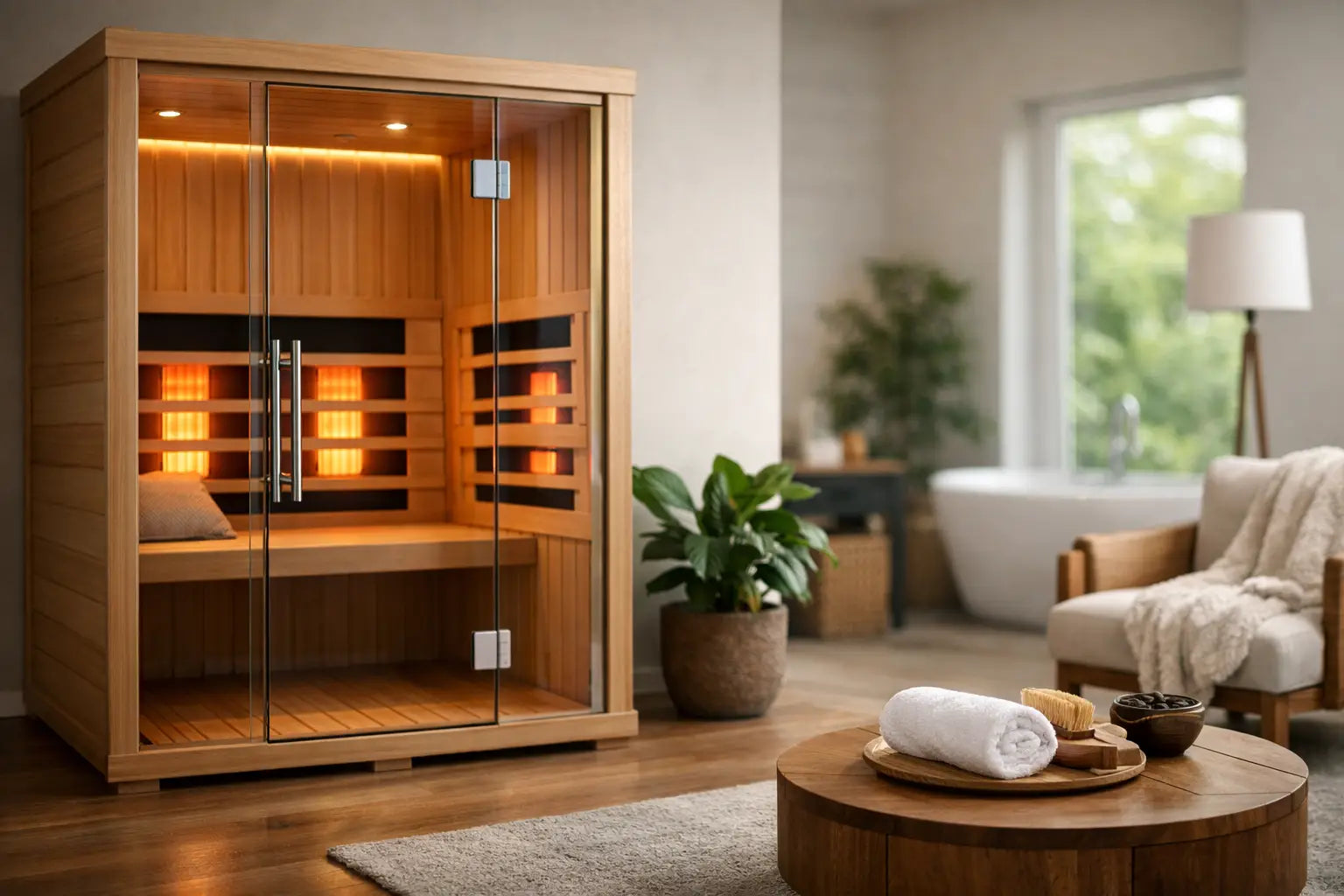
That is where a well-designed panel earns its place. It brings structure to the habit. For someone building a serious home wellness environment, red light therapy sits naturally alongside modalities like cold exposure, sauna, and breathwork because it asks for very little setup and rewards consistency over intensity.
The recovery benefits people usually notice first
For most users, the first noticeable effect is not dramatic transformation. It is a quieter shift.
Muscle soreness and training fatigue
After demanding strength sessions, endurance work, or high-volume conditioning, many users report less lingering soreness and a quicker return to normal movement. This does not mean you stop feeling your training. It means the edge may come off sooner, making it easier to train again with quality.
Some research suggests photobiomodulation may help reduce exercise-induced muscle damage markers and support recovery when used around training. The exact response varies, and protocols differ across studies, but the direction is promising enough that red light has become common in performance settings.
Joint comfort and soft tissue support
Recovery is not only about muscle. Tendons, fascia, and irritated joints often determine how well someone can stay active. Near-infrared wavelengths may be particularly useful here because they reach deeper tissues. For people managing old overuse patterns, desk-related stiffness, or post-training tightness, this can be one of the most practical use cases.
Circulation and readiness
A good session often leaves people feeling warmer, looser, and more prepared to move. Some of that may relate to local circulation and reduced stiffness. In a performance context, that matters. Recovery is not just the absence of pain. It is the return of readiness.
Sleep and nervous system downshift
Not everyone comes to red light for sleep, but many stay for it. Evening use can feel calming, especially compared with bright overhead light and constant screen exposure. Better sleep then amplifies every other recovery process. If your system is overstimulated, the value of a recovery modality that supports stillness should not be underestimated.
What red light therapy cannot do
Precision matters here.
Red light therapy will not erase poor sleep, outwork chronic under-fueling, or fix a training plan that exceeds your current capacity. It is also not an instant solution for injury. If you have significant pain, swelling, or suspected structural damage, you need proper medical evaluation.
There is also a dosage issue. More is not always better. Sessions that are too brief may not do much, but excessively long exposure is not automatically more effective. This is one reason quality equipment and clear protocols matter. Serious users want enough output to make the session efficient without turning recovery into guesswork.
How to use red light therapy for recovery effectively
The best protocol is the one you will actually follow. That said, a few principles tend to matter.
Be consistent before you get aggressive
Use the panel several times per week before evaluating it. Sporadic use makes it hard to judge results. Recovery modalities usually reveal their value through repetition, not one impressive session.
Match the target to the session
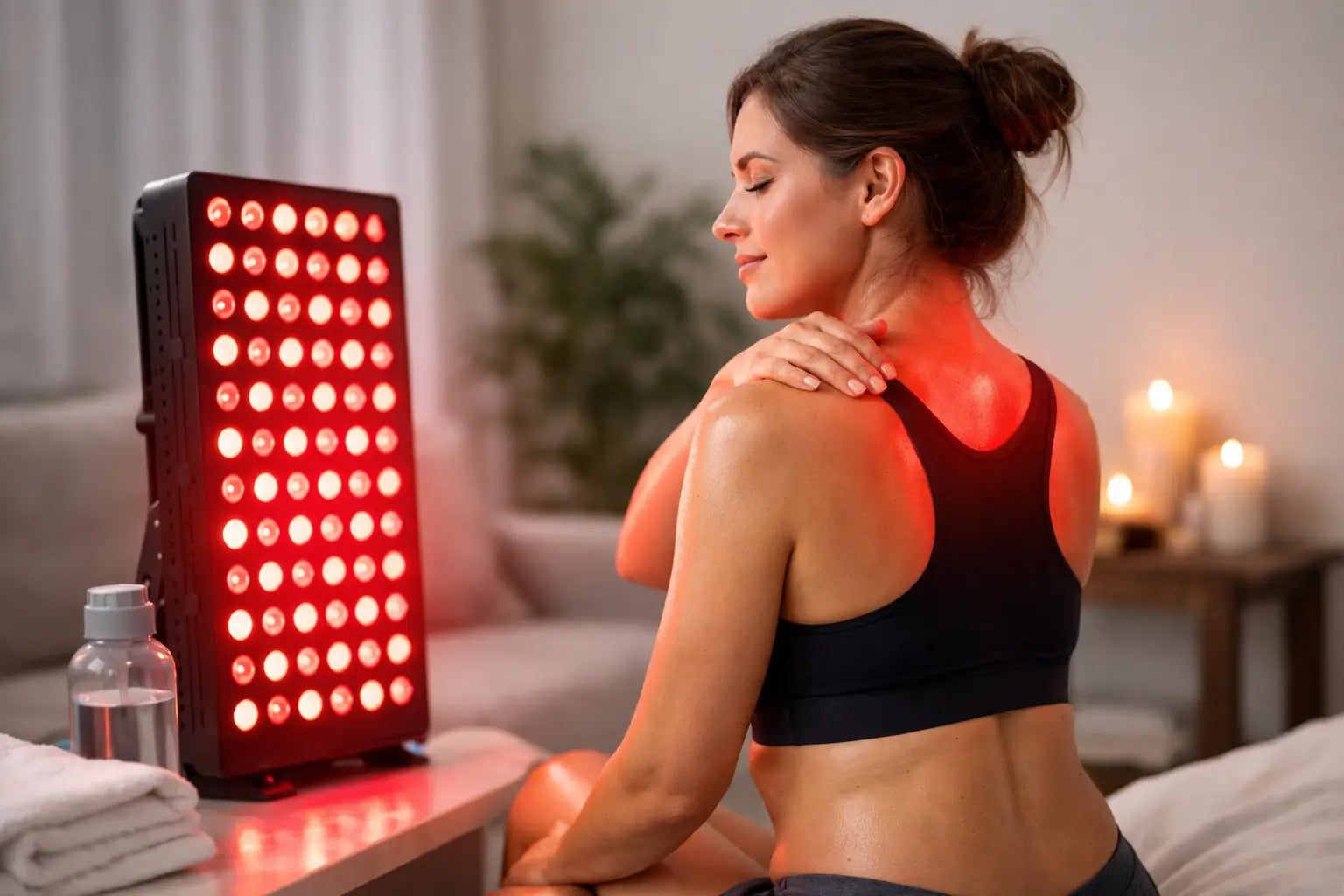
If your concern is quads after lower-body training, expose the quads. If your shoulders and upper back are taking the load from travel, posture, or lifting, focus there. Full-body sessions have value, but targeted use often makes the experience feel more relevant and measurable.
Use the right distance and duration
Every panel has its own specifications for irradiance, treatment distance, and recommended timing. Follow the device guidance rather than copying a generic protocol from social media. Output, beam angle, and wavelength mix affect how a session should be run.
Pair it with the rest of your recovery basics
Light works better inside a complete system. Use it alongside sleep discipline, protein intake, mobility work, hydration, and thoughtful stress management. If you already use heat or cold, red light can complement those practices nicely, but sequence depends on your goal. For example, if your priority is downshifting at night, a calm red light session after an evening shower may fit better than stacking multiple high-stimulation inputs.
Choosing a panel for serious home use
This is where the category separates quickly.
A recovery tool can be clinically promising on paper and still become dead weight in the home if it is awkward to use, visually intrusive, or underpowered. For premium buyers, efficacy and integration matter equally. The best panel is not just one with the right wavelengths. It is one you want to keep in your environment and can use without friction.
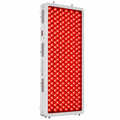
Look closely at wavelength profile, irradiance, treatment area, build quality, cooling system, and ease of setup. Near-infrared capability matters if recovery is the main objective. So does enough panel size to treat meaningful areas of the body without turning one session into a tedious rotation.
Support matters too. High-ticket wellness equipment should come with service that matches the investment - clear guidance, dependable delivery, and confidence after purchase. That is a major reason brands like HALOR resonate with performance-minded homeowners. The product is only part of the decision. The ownership experience matters.
Who benefits most from red light therapy for recovery
This modality tends to make the most sense for people with repeatable physical stress.
That includes athletes with demanding training blocks, professionals who sit for long periods and carry constant tension, active adults navigating age-related stiffness, and anyone building a longevity routine around lower-friction daily habits. If your life creates regular tissue stress, red light can be a useful lever.
If your expectations are realistic, the value proposition is strong. You are not buying a miracle. You are investing in a tool that may help you recover more consistently, feel better between sessions, and protect the quality of your output over time.
That last part is the real point. Recovery is not a luxury add-on for people with spare time. It is the discipline that protects performance, extends training longevity, and helps you show up with more clarity tomorrow than you had today.
If red light therapy earns a place in your home, it should do so for a simple reason: it helps make better recovery feel calm, accessible, and repeatable.