
Build an Active Recovery Routine That Lasts
You can usually spot the difference between hard training and smart training the morning after. One leaves you feeling worked. The other leaves you flat, stiff, and oddly less capable than the effort should justify. A well-built active recovery routine closes that gap. It gives your system enough movement, circulation, and structure to recover without adding more stress.
For high-performing people, recovery is rarely a motivation problem. It is a design problem. The workout is scheduled. The meeting is scheduled. The recovery window is often left to chance. That is where soreness lingers, sleep quality dips, and progress starts to feel less precise than it should.
Active recovery is not a consolation prize for rest days. It is low-intensity, intentional work that helps the body return to baseline and adapt to training more efficiently. Done well, it supports blood flow, joint mobility, parasympathetic downshifting, and a clearer transition between stress and restoration. Done poorly, it turns into another workout in disguise.
What an active recovery routine should actually do
The best active recovery routine is not about burning calories or chasing a sweat. Its job is simpler and more valuable. It should reduce residual fatigue, maintain movement quality, and help you feel more ready for the next demanding session.
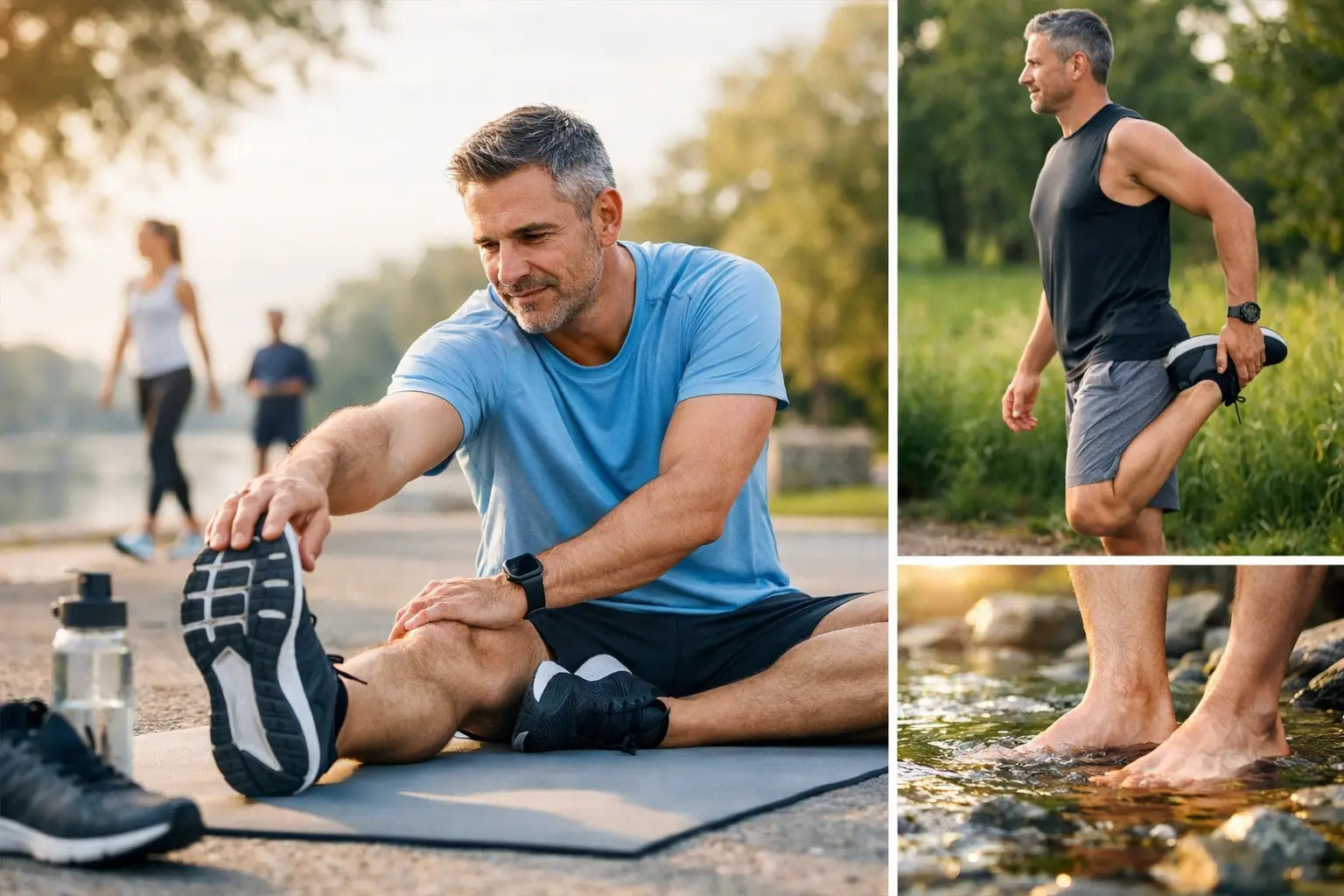
That usually means keeping intensity low enough that you can breathe through your nose, speak in full sentences, and finish feeling better than when you started. A brisk walk, easy cycling, mobility work, light swimming, and controlled stretching can all fit. The common thread is that they improve circulation and range of motion without digging a deeper recovery hole.
There is some nuance here. If you are carrying significant fatigue, even low-intensity work can feel like too much. If you are well-conditioned and accustomed to frequent training, a longer Zone 1 or easy Zone 2 session may feel restorative. Context matters. Your age, training load, sleep quality, stress level, and injury history all shape what recovery should look like on a given day.
Why active recovery works better when it is planned
Most people treat recovery as a reaction. They wait until soreness or stiffness appears, then try to fix it. A more effective approach is to build recovery into the week with the same discipline used for training. That creates consistency, and consistency is where most of the benefit lives.
A planned routine also helps you avoid a common mistake - making recovery too ambitious. If your rest day becomes a bootcamp, a long hard hike, or a mobility class that leaves you trembling, it is no longer serving its purpose. Recovery should feel deliberate, not punishing.
This is especially relevant for people training hard while balancing work, travel, family demands, and screen-heavy days. The body does not separate stress neatly into categories. A heavy lift, poor sleep, back-to-back meetings, and late-night alcohol can all accumulate. Your recovery strategy should acknowledge that reality.
The foundation of an effective active recovery routine
Start with movement, not gadgets. The base layer is simple: 20 to 40 minutes of easy aerobic activity paired with 10 to 15 minutes of mobility or soft tissue work. For many people, that is enough to change how the body feels by the end of the session.
Walking is often underrated because it looks too basic. In practice, it is one of the cleanest recovery tools available. It improves circulation, reduces stiffness from sedentary hours, supports blood sugar control, and does not require much setup. If you lift four days a week or spend long hours seated, a brisk walk can do more for recovery than another complicated protocol.
Mobility should be targeted, not random. Focus on the areas your training and work life compress most - hips, thoracic spine, ankles, shoulders. A few controlled drills done consistently will outperform an hour of distracted stretching once every two weeks. The goal is not dramatic flexibility. The goal is freer, more efficient movement.
Breathwork also belongs here, though it should be practical. Five minutes of slow, controlled breathing after light movement can help shift you out of a constant sympathetic state. That matters if your nervous system stays keyed up long after the training session ends.
Using heat, cold, and light without overcomplicating the process
This is where modern home recovery can become either beautifully efficient or needlessly excessive. The difference is whether each modality has a clear role.
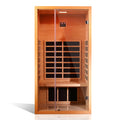
Infrared sauna works well when the goal is decompression, circulation, and calm. It can be especially useful on lower-output days when you want a ritual that encourages stillness and helps the body relax after cumulative stress. Many people find heat most effective later in the day, when it supports a smoother transition into evening recovery.
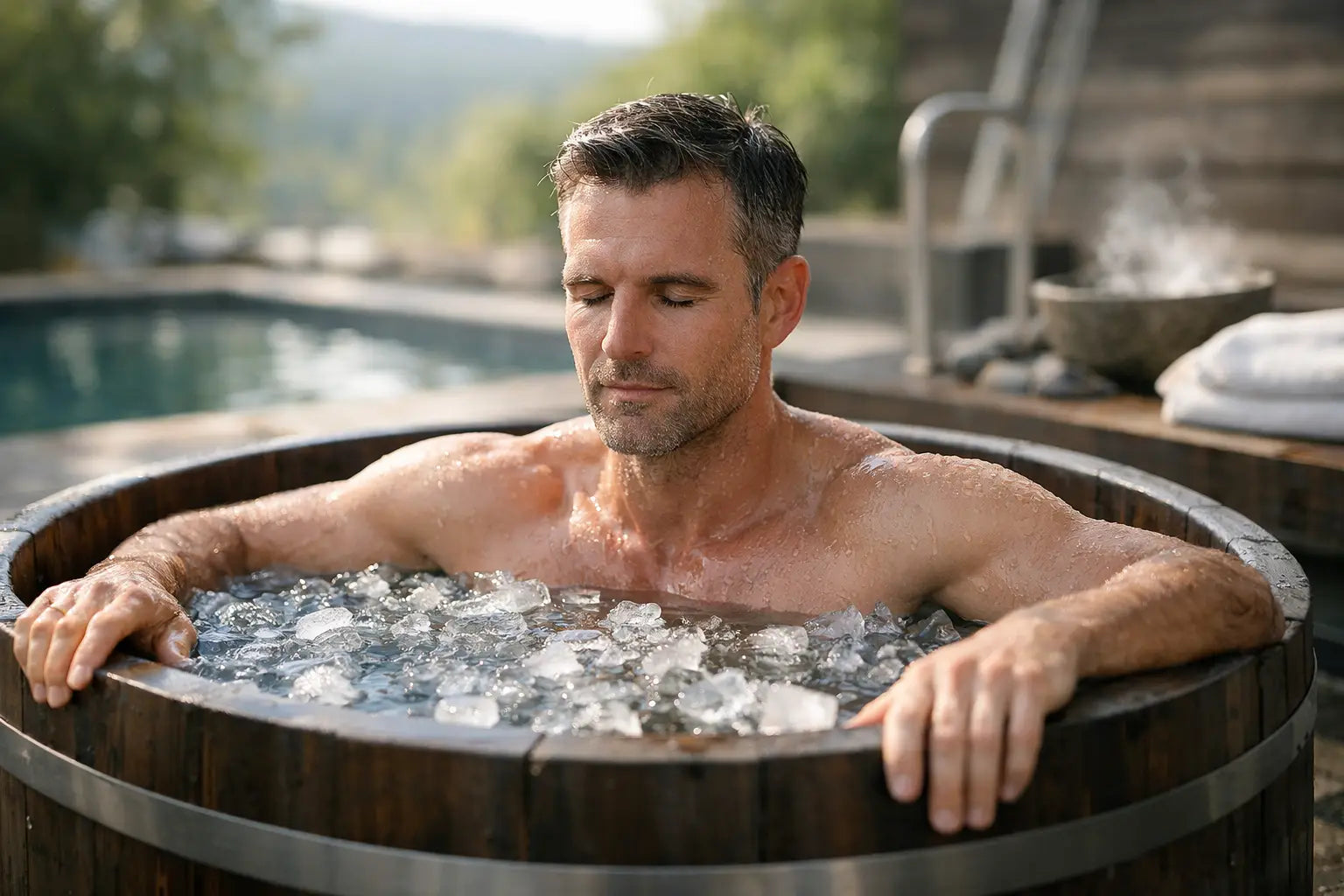
Cold exposure is more situational. It can help with perceived soreness, alertness, and mental reset, but timing matters. If your priority is hypertrophy or strength adaptation immediately after resistance training, frequent post-lift cold exposure may not always be the best move. On non-lifting days, or after endurance work, it may fit more naturally. This is a good example of recovery depending on the larger goal, not just the trend.
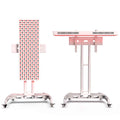
Red light therapy is often easiest to integrate because it is passive, time-efficient, and compatible with a home routine. Used consistently, it can complement a broader recovery system that includes movement, sleep discipline, and stress management. It should support the routine, not replace the fundamentals.
Hydration matters too, but not in a generic way. Recovery improves when fluid intake is consistent, electrolytes match your sweat losses, and your daily habits support cellular function rather than swinging between overcaffeinated mornings and dehydrated afternoons. Simplicity usually wins.
A practical weekly active recovery routine
A sustainable routine should feel polished enough to repeat, not heroic enough to abandon. For most active adults, two to four dedicated recovery sessions per week is a realistic place to start.
On the day after a hard lift or intense conditioning session, use 30 minutes of easy walking or cycling followed by 10 minutes of mobility. Keep your heart rate low. Finish with a few minutes of slow breathing.
On a separate lower-intensity day, you might use 20 to 30 minutes of easy movement and follow it with infrared sauna or red light therapy. That pairing works well because it combines circulation and stillness without asking much from your nervous system.
If you are training five or six days per week, one of your active recovery days may need to be very light. Think mobility, a short walk, and an early evening recovery ritual rather than a full session. Restraint is part of the skill.
If you are under-slept, highly stressed, or dealing with a flare-up, adjust downward. Recovery routines should be responsive. There is no award for forcing the plan when the body is asking for less.
Signs your routine is working
A good active recovery routine is not measured only by how you feel in the moment. The better markers show up across the week. You warm up faster. Your joints feel less sticky. Sleep improves. Muscle soreness resolves more predictably. Training sessions feel cleaner, with better output and less drag.
You may also notice better mental clarity. Recovery is not only physical. The right rhythm of low-intensity movement and restorative modalities can create a useful state change after demanding work or training. That matters when performance is not confined to the gym.
If your routine leaves you more tired, unusually hungry, or reluctant to train the next day, it is probably too aggressive. Pull back the duration, lower the intensity, or remove unnecessary layers. Precision beats volume.
Building a home-based recovery practice that sticks
The biggest advantage of a home setup is not novelty. It is consistency. When recovery tools are integrated into your environment, adoption rises. The friction drops. What used to require a drive, a booking, or perfect timing becomes part of the architecture of your day.
That is why premium recovery equipment can make sense for serious users. Not because more gear automatically means better outcomes, but because the right system turns recovery into a repeatable practice with less decision fatigue. HALOR approaches this well by framing each modality as part of a structured home ritual rather than a standalone wellness purchase.
Still, the principle stays the same whether your setup is minimal or fully built out. Keep the routine deliberate. Match the modality to the goal. Protect the nervous system as carefully as you challenge the muscles.
A strong body is not only built in moments of output. It is shaped in the quieter intervals too - the walk after the hard session, the heat that softens the edges of the day, the calm that lets recovery actually happen.