
Cold Plunge Therapy Benefits That Matter
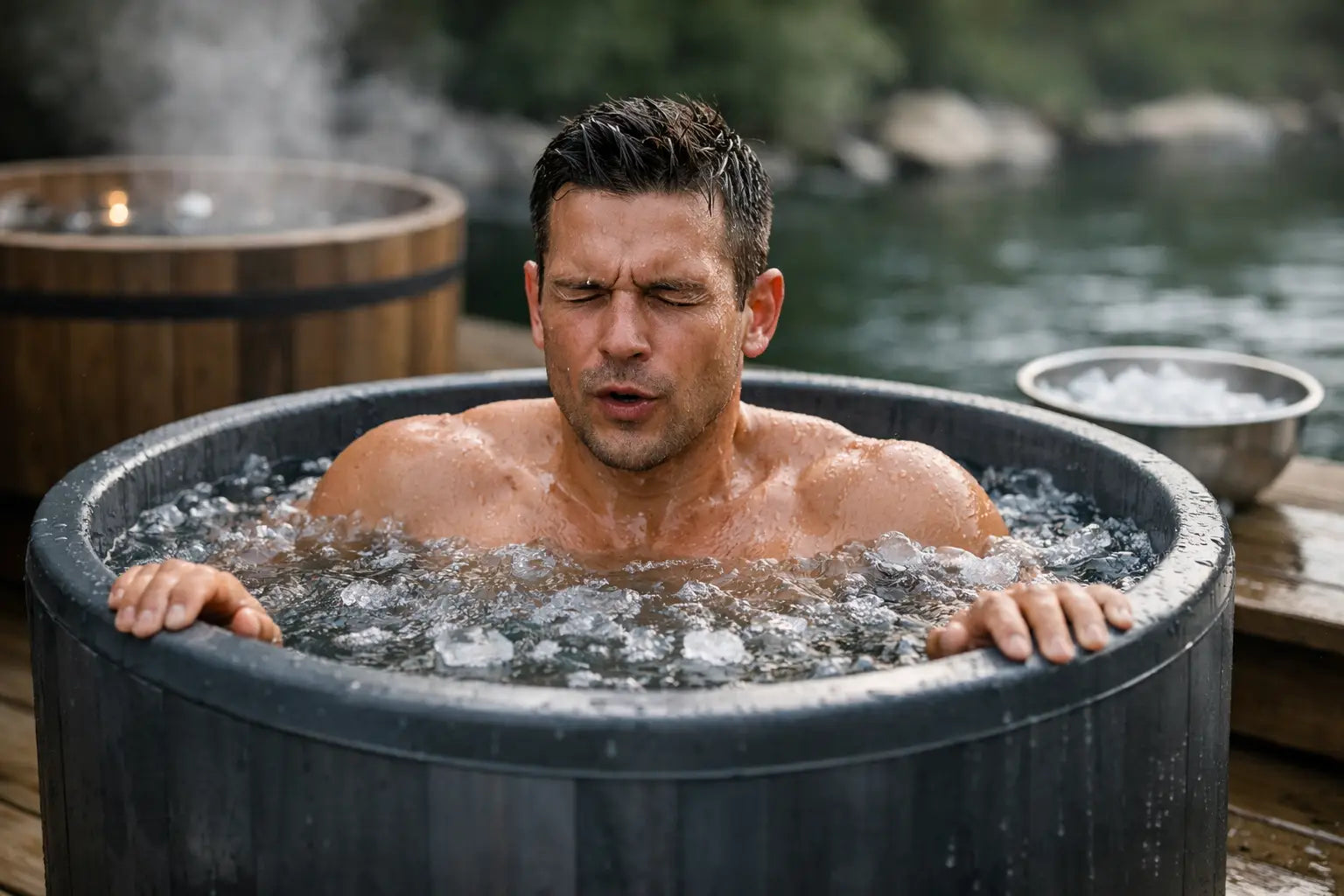
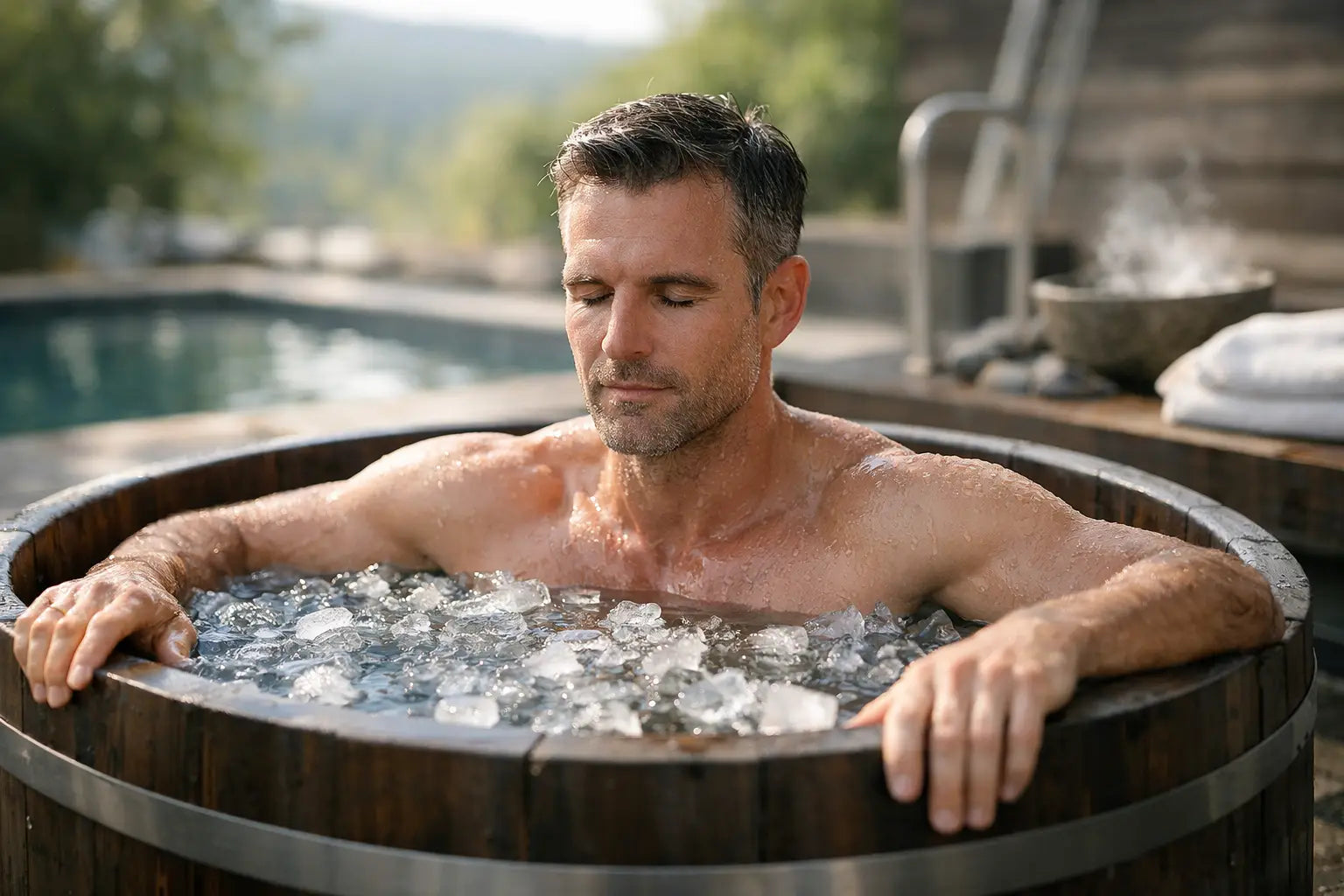
You feel it before you fully register it - the sharp inhale, the immediate stillness, the way cold strips away distraction in seconds. That is part of why cold plunge therapy benefits have captured the attention of athletes, executives, and longevity-focused households. The appeal is not only about toughness. It is about using controlled stress to improve recovery, regulate energy, and build a more deliberate relationship with the body.
Cold exposure has moved well beyond locker rooms and boutique spas because the use case is practical. When the setup is at home, the ritual becomes repeatable. And with repeatability, the conversation shifts from novelty to measurable outcomes.
What cold plunge therapy benefits are actually supported?
The most credible cold plunge therapy benefits sit in a few clear categories: recovery, nervous system regulation, mood and alertness, and stress adaptation. Some of these effects are felt immediately. Others depend on consistency, timing, and your broader routine.
When you step into cold water, blood vessels near the skin constrict, heart rate and breathing react, and the body receives a strong signal that conditions have changed. That response can increase alertness and create a pronounced sense of mental clarity. Many users describe the effect as cleaner than caffeine - less jitter, more presence.
On the recovery side, cold exposure is often used to reduce the perception of soreness after training and to help athletes feel more ready for the next session. It may also temporarily decrease pain sensitivity, which is one reason it remains popular in high-performance settings. The key word is temporarily. A plunge is not a substitute for sleep, nutrition, or programming. It is a lever, not the whole system.
There is also a resilience component that matters. Deliberately entering cold water asks the body to tolerate stress without panic. Over time, that practice can improve your ability to regulate breathing, stay calm under discomfort, and recover composure faster. For people whose days are cognitively intense, that benefit can be just as valuable as muscle recovery.
Recovery, inflammation, and soreness
Cold plunging is often framed as an inflammation tool, but that deserves a more precise explanation. Acute cold exposure may reduce swelling and help blunt soreness after hard effort, especially when legs or larger muscle groups have taken a heavy load. This is one reason runners, lifters, and field athletes often use it after demanding sessions or competition.
What it does not mean is that more cold is always better. In some cases, especially after strength training aimed at muscle growth, using cold immediately after a workout may dampen some of the adaptive signaling involved in hypertrophy. If your goal is pure recovery between competitions or reducing discomfort after an unusually hard session, the trade-off may be worth it. If your goal is maximizing strength and size adaptations, timing matters.
That nuance is often missed. Cold works best when it supports your specific objective. Used intentionally, it can help you return to baseline faster. Used indiscriminately, it can interfere with what your training is trying to create.
Mental clarity and nervous system reset
One of the most compelling benefits of cold exposure is psychological. The body responds to immersion with a rapid stress signal, but if you stay steady and control your breathing, the experience can shift from chaotic to deeply organizing. Attention narrows. Internal noise quiets. Many people step out feeling more focused than they did going in.
That effect is not mystical. Cold stimulates a strong physiological response, including the release of stress-related neurotransmitters that can increase alertness. For some users, this creates a lift in mood and a clean sense of activation that lasts well beyond the session.
It can also serve as a pattern interrupt. If your baseline state is overstimulation, fragmented attention, or low-grade fatigue, a cold plunge creates a clear dividing line in the day. Before the plunge, noise. After the plunge, clarity. That repeatable contrast is part of what makes the modality appealing in a home environment. It becomes less about occasional intensity and more about disciplined regulation.
Metabolic effects and circulation
Cold exposure is frequently associated with metabolism, and there is some logic behind that. The body works to maintain core temperature, and that process requires energy. There is also interest in the relationship between cold exposure and brown adipose tissue, a type of fat involved in heat production.
That said, cold plunging is not a shortcut to weight loss. The metabolic bump from a session is real but limited. It should be viewed as a complement to training, nutrition, and sleep rather than a primary strategy.
Circulation is another reason people turn to cold. During immersion, blood flow shifts away from the skin and extremities. After the session, vessels reopen and circulation rebounds. Many users report feeling refreshed and physically awake afterward. While the sensation is immediate, the value is often cumulative when sessions are built into a broader recovery routine.
Mood, discipline, and stress tolerance
There is a reason disciplined people tend to keep cold exposure in rotation. It is simple, finite, and difficult enough to demand full participation. You cannot multitask through a plunge. You have to meet it directly.
That has psychological value. Regular cold exposure can reinforce a sense of agency - you chose the discomfort, stayed with it, and came out more regulated. That pattern may improve confidence in handling other forms of stress. It is a small but meaningful form of deliberate practice.
Some users also report a noticeable improvement in mood. Part of that may be biochemical. Part of it may come from the satisfaction of completing a challenging ritual. Either way, the result matters. Wellness routines that sharpen mood and increase adherence tend to last.
Who benefits most from cold plunging?
The answer depends on what you want from it. If you are training hard and need help managing soreness, cold can be useful. If your work demands sustained focus and calm under pressure, the mental reset may be even more valuable. If you are interested in longevity practices, cold exposure can fit into a larger system built around recovery, metabolic health, and nervous system balance.
The people who tend to get the most from it are not necessarily the people who tolerate the cold best. They are the people who use it consistently and with a clear purpose. Three controlled sessions a week will usually deliver more than sporadic heroic efforts.
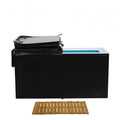
This is where home access changes the equation. A professional-grade setup removes friction and turns the practice into a stable part of the week. For a brand like HALOR, that matters because premium wellness equipment is not just about ownership. It is about making the routine realistic enough to keep.
How to approach cold plunge therapy benefits safely
The strongest benefits come from controlled exposure, not reckless exposure. Water that is too cold, sessions that are too long, or breath-holding under stress are not signs of discipline. They are signs that the protocol needs work.
For most healthy adults, shorter sessions with moderate cold are enough to produce meaningful effects. Many people start in the 50 to 59 degree range for one to three minutes, then adjust gradually based on comfort and response. The first goal is calm breathing and a steady exit, not endurance theater.
It is also wise to think about timing. Morning plunges tend to support alertness and momentum. Post-workout plunges can help with soreness, but may not be ideal immediately after hypertrophy-focused lifting. Evening plunges are more individual. Some people find them centering. Others feel too stimulated afterward.
If you have cardiovascular conditions, uncontrolled high blood pressure, a history of fainting, or other medical concerns, cold exposure deserves medical clearance first. Precision matters more than bravado.
The real value of cold at home
The best wellness tools are not the most dramatic. They are the ones you use enough to change your baseline. Cold plunging earns its place when it becomes a ritual that supports recovery, steadies the mind, and adds structure to the day.
That is the deeper promise behind cold plunge therapy benefits. Not just feeling intense for a few minutes, but feeling more capable afterward - clearer, calmer, and better recovered for what comes next. When a practice can do that consistently, it stops being a trend and starts becoming part of how you live.