
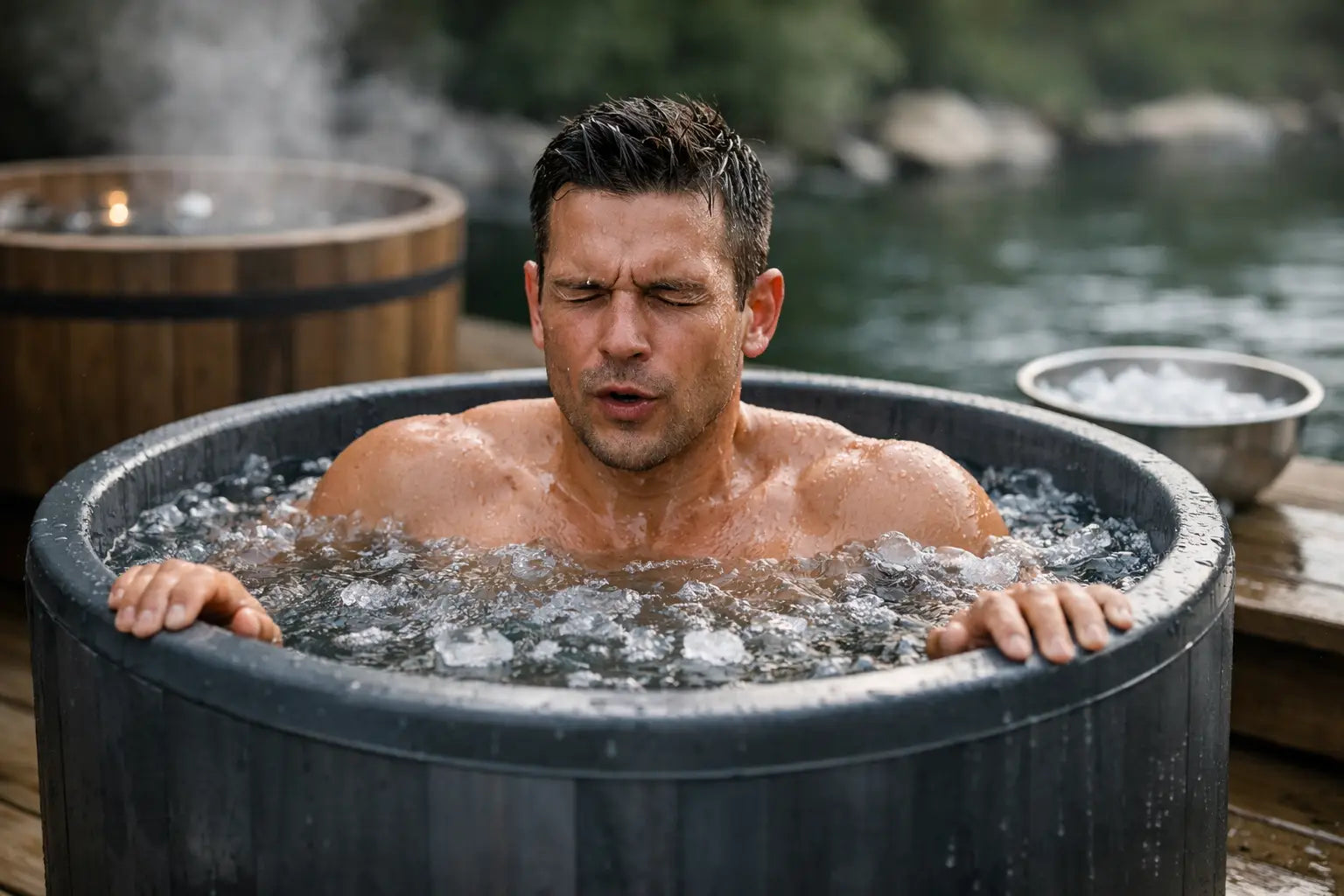
Cold Plunge Technique That Actually Works
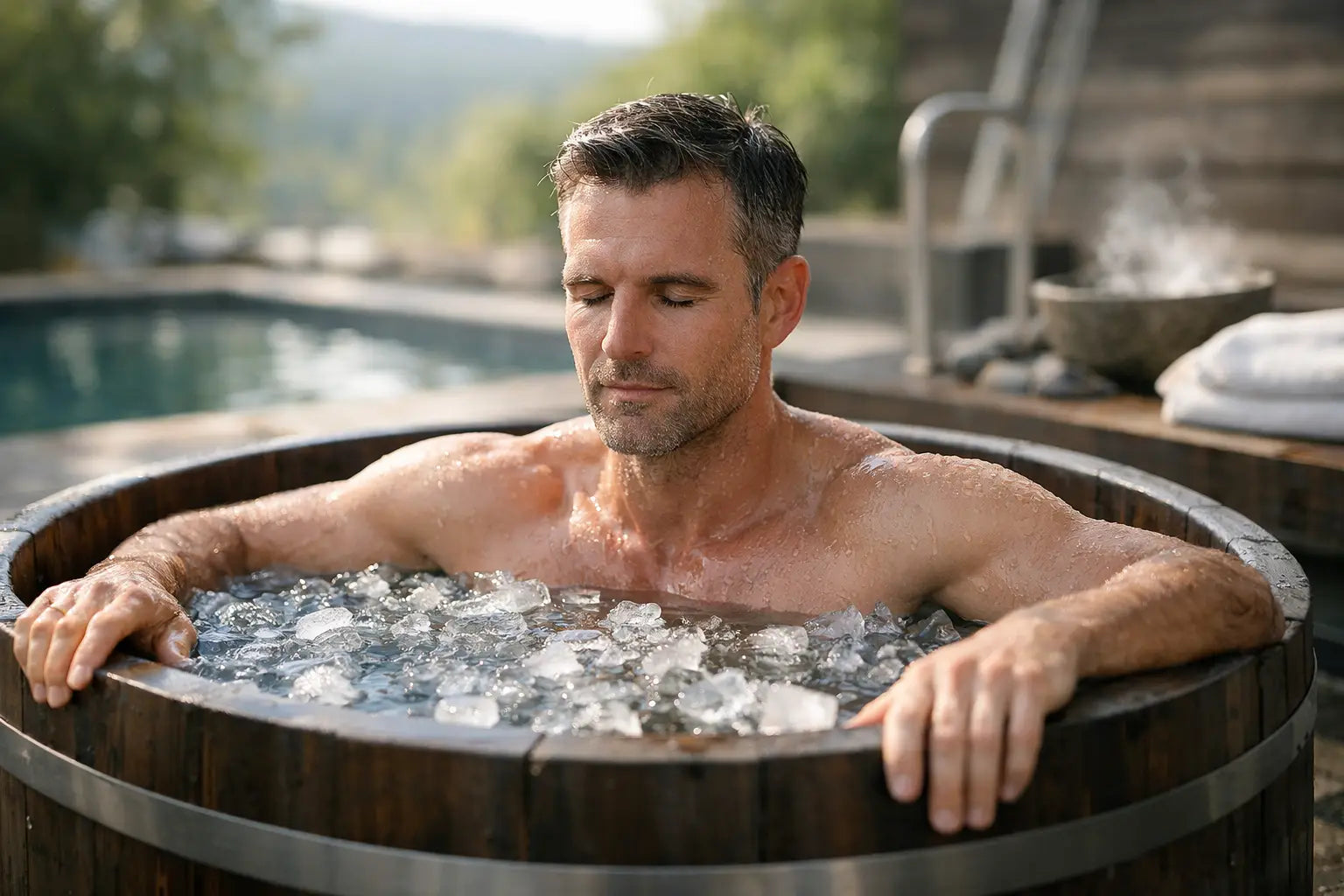
The first 30 seconds tell you almost everything about your cold plunge technique. Not your toughness. Not your pain tolerance. Your technique. If your breathing spikes, your shoulders climb toward your ears, and you fight the water, the session usually becomes harder than it needs to be. When the entry is controlled, the rest tends to follow.
That distinction matters more than most people think. Cold exposure is often framed as a test of grit, but the better frame is deliberate practice. The goal is not to suffer well. The goal is to create a repeatable recovery ritual that you can sustain at home - one that supports focus, stress resilience, and physical recovery without turning every session into a battle.
What good cold plunge technique really means
A strong cold plunge technique is a combination of setup, entry, breath control, posture, and timing. It is less about enduring lower temperatures and more about reducing unnecessary stress. The body is already receiving a strong signal from the cold. You do not need to amplify that signal with panic, rushing, or poor positioning.
For most people, the cleanest technique looks calm from the outside. You enter with intention, lower yourself at a steady pace, settle your breathing within the first minute, and stay physically quiet. The water is doing the work. Your job is to stop interfering with it.
That may sound simple, but subtle mistakes change the experience quickly. Entering too fast can spike the gasp reflex. Entering too slowly can prolong discomfort and increase mental resistance. Water that is too cold for your current tolerance can turn a disciplined routine into an avoidable stress event. Technique sits in that middle ground where stimulus meets control.
Start with the right temperature, not the hardest one
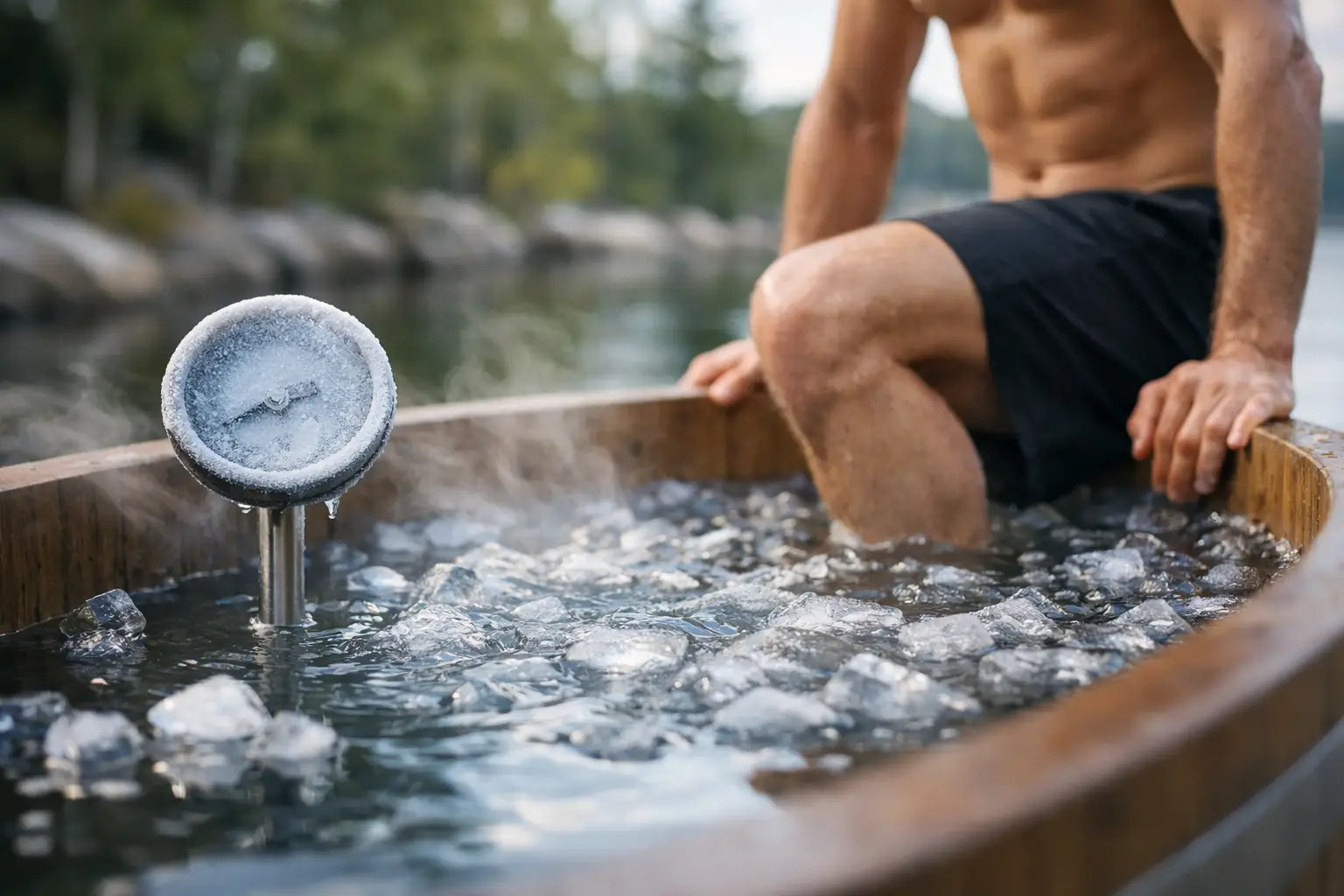
Many cold plunge routines fail because the user chooses a temperature for bragging rights instead of consistency. A more effective starting point is usually between 45 and 55 degrees Fahrenheit, depending on experience, body size, and cold tolerance. If you are new to the practice, 50 to 55 degrees is often enough to produce a meaningful response while still allowing composure.
Lower is not always better. Very cold water can be useful for advanced users, but only if it does not compromise breathing, session quality, or recovery afterward. If you dread the plunge all day and skip half your sessions, the protocol is too aggressive. The best temperature is the one that lets you return tomorrow.
There is also a practical point here for home use. Precision matters. A well-designed residential setup makes technique easier because temperature remains stable, sanitation is controlled, and the environment feels intentional rather than improvised. That shifts the ritual from occasional challenge to structured habit.
The entry matters more than the finish
The moment of immersion is where most people lose control. The natural reaction is to tense up, breathe high into the chest, and rush the process. A better entry is steady and direct. Sit on the edge, establish one full exhale, then lower in with commitment rather than hesitation.
Once you are in, resist the urge to immediately adjust, fidget, or half-stand. Settle your feet, relax your hands, and let your shoulders drop. If the water is at chest height, keep the chest open without arching the back. The posture should feel composed, not rigid.
Your first job is to regain a smooth breathing rhythm. Inhale through the nose if possible, exhale slowly through the mouth or nose, and extend the exhale just enough to reduce the stress response. You are not trying to perform a complicated breath protocol. You are teaching your nervous system that the stimulus is strong but manageable.
Cold plunge breathing technique under stress
Breath is the hinge point of the experience. Without controlled breathing, even a short session can feel chaotic. With it, the same water often feels sharper but more manageable.
A practical cold plunge breathing technique begins before you enter. Take two or three calm breaths, not exaggerated ones. Big forced inhales can make you feel more keyed up. Think quiet, measured, and efficient. After immersion, expect one moment of shock, then direct your attention to a slower exhale.
A useful pattern is a natural inhale followed by an exhale that is slightly longer. Not dramatic. Just longer. This helps reduce the urge to fight the cold. If nasal breathing is available to you, it can reinforce calm. If it is not, do not force it. Technique should support control, not become another source of strain.
This is where experience changes the outcome. Advanced users often look calm not because the water feels easy, but because they have rehearsed the first minute enough times that their response is organized. That is a learned skill.
How long should you stay in?
For most home users, 2 to 5 minutes is a strong working range. Beginners often do well with 1 to 3 minutes at a moderate cold temperature. More experienced users may extend to 5 or 6 minutes, but there is rarely a need to stay in much longer for general wellness and recovery goals.
The right duration depends on context. If you are using cold exposure after a demanding workday to reset and sharpen focus, a shorter and more controlled session may be ideal. If you are using it as part of a broader recovery ritual with sauna, hydration, and rest, your timing may shift. Longer is not automatically more effective if your form degrades or you exit feeling depleted.
A good rule is to end the session while you still feel composed. If you are shivering hard, mentally scattered, or desperate to escape, you likely overshot the dose. Precision beats heroics.
Common mistakes that weaken your cold plunge technique
The most common mistake is treating every session like a performance. Cold exposure works best when it is consistent and regulated. Chasing extreme temperatures, forcing long durations, or turning the practice into content rather than recovery usually reduces adherence over time.
Another mistake is poor timing around training. Some athletes use cold immersion immediately after strength work, but that can be a trade-off. It may help you feel fresher, yet frequent post-lifting cold exposure may blunt some hypertrophy signaling. If your priority is muscle growth, you may want to separate the plunge from resistance training. If your priority is soreness management, mental reset, or heat relief, the timing may make more sense. It depends on the goal.
Then there is the exit. People often hop out too fast and move on without giving the body a clean transition. Stand carefully, dry off, and allow your temperature to recover gradually. You do not need a dramatic rewarming strategy. A towel, warm clothing, and light movement are usually enough.
Making cold exposure sustainable at home
The best protocol is the one that fits your life without friction. That is especially true for high-performance households where schedule, aesthetics, and convenience shape whether a wellness routine survives past the first month.
Home cold plunging works when the setup feels integrated into the environment and easy to maintain. Clean water, reliable cooling, quiet operation, and a footprint that respects the space all affect consistency. So does service. Premium wellness equipment should reduce decision fatigue, not add to it.
That is one reason design and infrastructure matter. A cold plunge that feels clinical in the best sense - calm, precise, ready when you are - supports better technique because it removes unnecessary variables. HALOR approaches home recovery that way: as a structured system, not a collection of disconnected tools.
A simple weekly rhythm
Most people do not need daily maximal exposure. Three to five sessions per week is a strong range for many users. If you are newer, start with shorter sessions at a moderate temperature and build consistency first. If you already have a stable routine, you can adjust frequency based on training load, work stress, sleep quality, and season.
Some days call for intensity. Others call for restraint. That is part of a mature wellness practice. The point is not to prove that you can tolerate cold every day under any condition. The point is to use the modality intelligently so it supports performance instead of draining it.
A simple rhythm might look like brief morning sessions for alertness, or post-work sessions for decompression. Pairing cold exposure with breath control, hydration, and occasional heat can create a more complete recovery arc. The exact formula is personal, but the principle stays the same: keep it repeatable.
When to be cautious
Cold exposure is not appropriate for everyone. If you have cardiovascular concerns, uncontrolled high blood pressure, certain neurological conditions, or a history of adverse reactions to cold, you should speak with a qualified clinician before starting. The initial shock response is real, and technique does not erase medical risk.
Even for healthy users, judgment matters. Do not plunge if you are ill, heavily sleep deprived, under the influence, or feeling unusually run down. A disciplined practice includes knowing when not to force the session.
The most effective cold plunge technique is not the most aggressive one. It is the one that brings the body into controlled stress, then back into calm with precision. When that becomes routine, cold exposure stops feeling like a stunt and starts feeling like what it should be - a clear, deliberate part of how you take care of your future self.