
How Cold for Cold Plunge? The Right Range
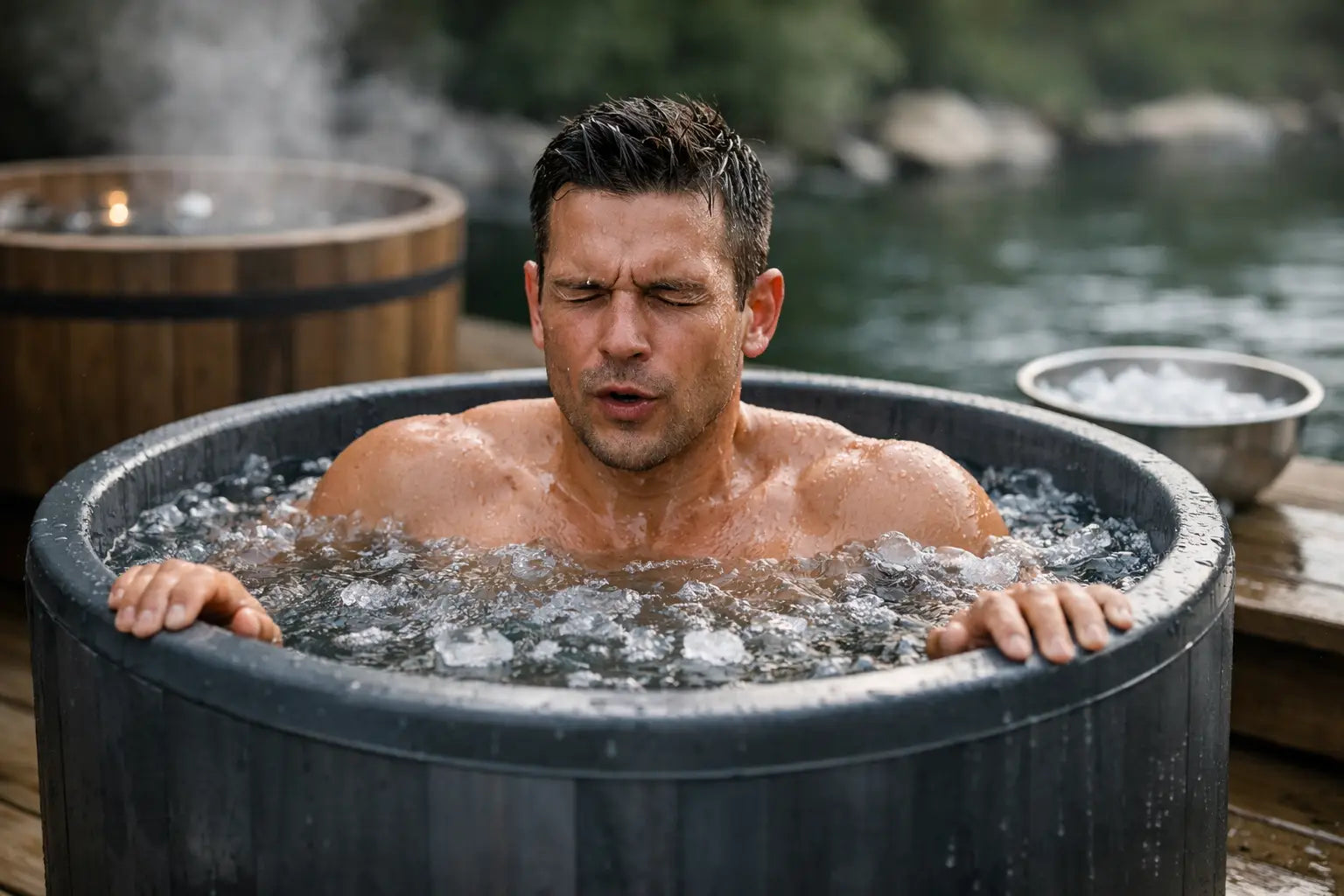
If you have ever stepped into 39 degree water expecting clarity and got panic instead, you already know the real question is not whether cold plunging works. It is how cold for cold plunge is actually effective without turning a disciplined recovery ritual into a stress event your body is not ready for.
The answer for most people sits in a narrower range than social media suggests. Colder is not automatically better. For recovery, resilience, and repeatable at-home use, the most effective temperature is the one you can enter with control, stay in with steady breathing, and return to consistently.
How cold for cold plunge is ideal?
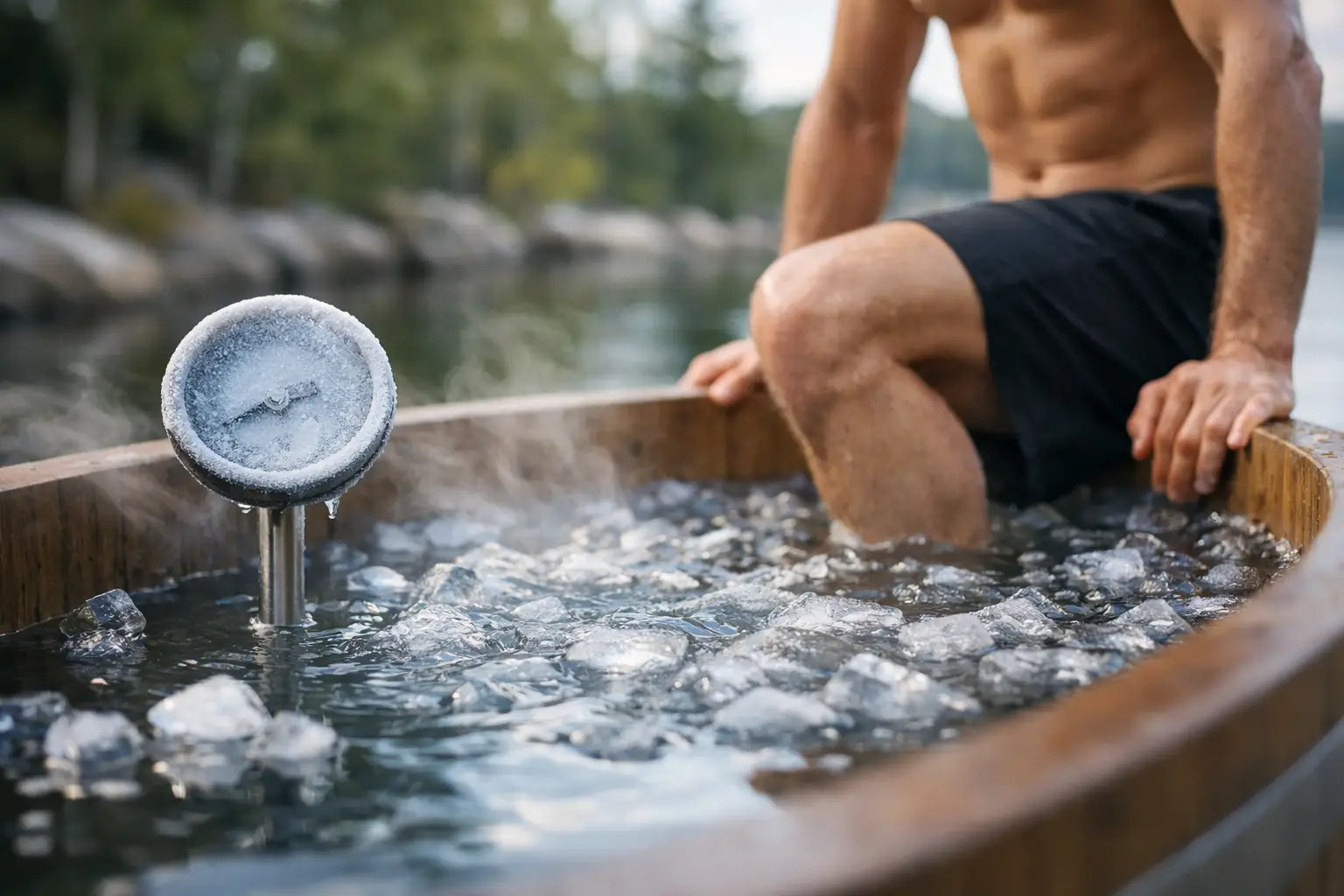
For most adults, a cold plunge range of 45 to 55 degrees Fahrenheit delivers the core benefits without unnecessary shock. That range is cold enough to create a strong physiological response, but still manageable for regular practice.
If you are new to cold exposure, starting closer to 50 to 55 degrees is usually the better move. You still get the alertness, vascular response, and recovery stimulus, but with less strain. More experienced users often settle between 42 and 50 degrees, depending on tolerance, session length, and goals.
Below 40 degrees, the experience changes. It becomes more advanced, more intense, and less forgiving. For some users, especially trained athletes or experienced cold practitioners, that range may have a place. For most people building a home ritual, it adds difficulty faster than it adds benefit.
Why temperature matters more than bravado
Cold plunge is a stressor. Used well, that stressor can sharpen focus, support recovery, and improve your tolerance to controlled discomfort. Used poorly, it can spike breathing, elevate panic, and make the practice hard to sustain.
Water transfers heat far more aggressively than air. That is why 50 degree water feels serious in a way 50 degree air does not. A few degrees colder can make a dramatic difference in how your body reacts, how long you can stay in, and whether the session feels deliberate or chaotic.
This is where many people get it wrong. They treat temperature as a test of toughness rather than a variable to calibrate. In practice, the right cold plunge temperature depends on your body size, training history, circulation, comfort with cold exposure, and the reason you are plunging in the first place.
If your goal is a steady performance and recovery routine, precision matters more than ego.
The best temperature by experience level
A beginner should usually start at 50 to 55 degrees Fahrenheit for one to three minutes. That range gives you enough cold to feel the shift in breathing, skin sensation, and mental alertness, but not so much that you lose composure. The first milestone is not staying in longer. It is learning to remain calm.
An intermediate user often does well between 45 and 50 degrees for two to five minutes. At this point, the practice becomes less about surviving the entry and more about building consistency. Your breath settles faster. Your mind recognizes the stressor. The plunge becomes a deliberate tool rather than a novelty.
Advanced users may choose 39 to 45 degrees for short, controlled sessions. That can be appropriate when tolerance is established and the setup is reliable. But there is a trade-off. As temperature drops, the margin for error narrows. If your equipment fluctuates, your timing is vague, or your readiness is off that day, very cold water can push past productive stress.
How long should you stay in?
Temperature and duration work together. The colder the water, the less time you need.
At 50 to 55 degrees, many people benefit from two to five minutes. At 45 to 50 degrees, two to four minutes is often enough. At 40 to 45 degrees, one to three minutes may be plenty, especially if the goal is nervous system activation or post-training recovery.
Trying to stack very low temperatures with long exposure usually misses the point. You are not collecting suffering. You are creating a controlled physiological signal your body can recover from and adapt to.
A calm three-minute plunge at 48 degrees is often more useful than a frantic ninety seconds at 38.
How cold for cold plunge if your goal is recovery?
If recovery is the priority, stay in the moderate cold range. Around 45 to 52 degrees Fahrenheit is where many home users find the best balance of effectiveness and repeatability.
This temperature band feels serious, but not reckless. It can support a post-training ritual, reduce the sense of soreness, and create a clear transition from output to recovery. It also makes routine more realistic. That matters because the benefits of cold exposure tend to come from repeated practice, not one dramatic session.
Timing matters here too. Some athletes use cold soon after intense training, while others avoid immediate post-lift plunges if muscle growth is the main objective. There is nuance. Endurance training, competition blocks, and high-volume weeks may justify more aggressive recovery use. Hypertrophy-focused phases may call for more selectivity.
If your goal is mood, focus, and resilience
You do not need extreme cold for a strong mental effect. Many people get a clean lift in alertness and mood from water in the 48 to 55 degree range.
That is good news for long-term adoption. If a plunge feels accessible enough to use four or five times a week, it often beats an ultra-cold setup you avoid. The nervous system responds well to consistency. Repeated calm exposure teaches control under stress. That is part of the value.
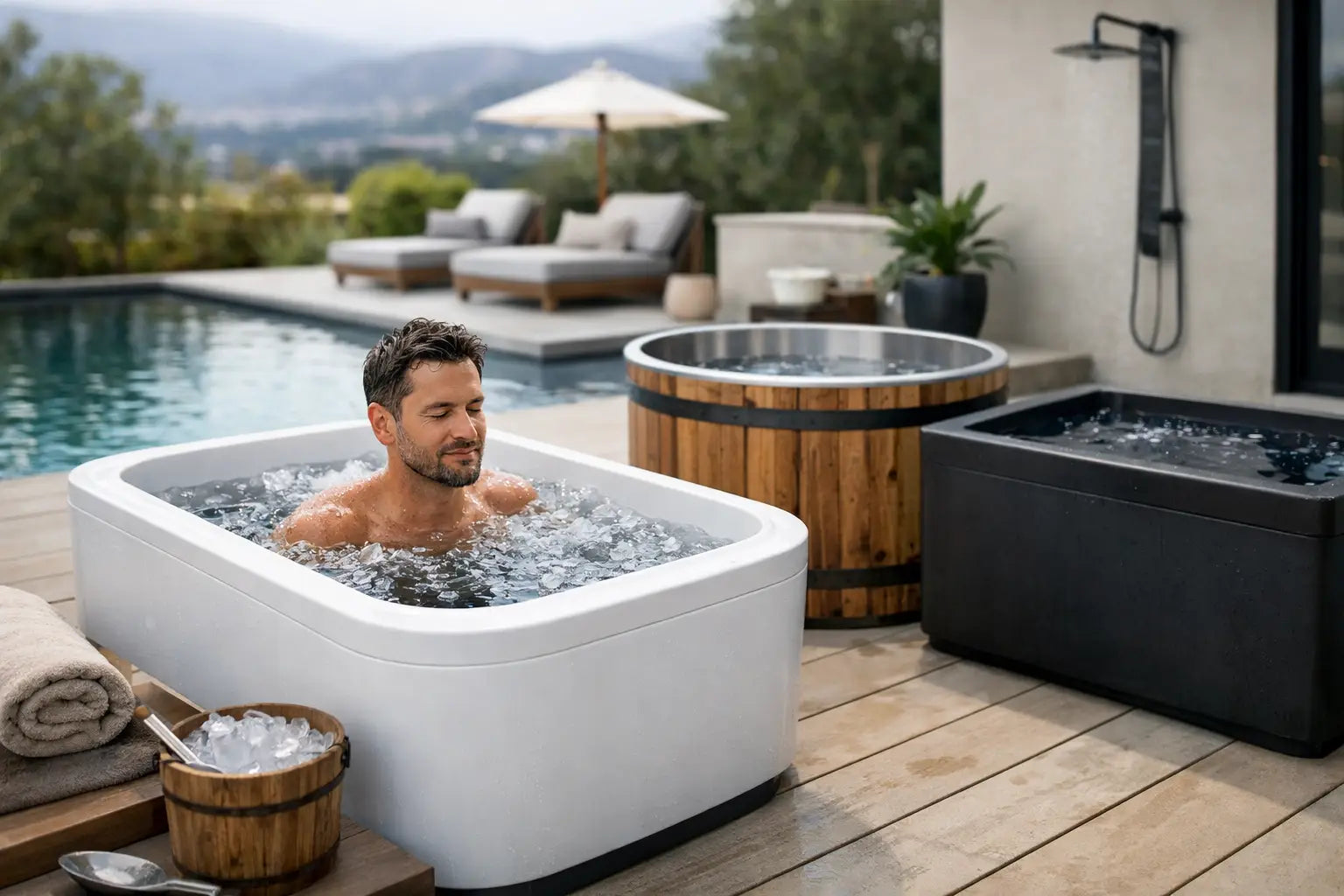
There is also a practical reality in the home environment. A premium plunge should support ritual, not friction. Stable temperature control, clean water management, and a setup you trust make it easier to maintain the practice with precision.
Signs your water is too cold
Your body gives clear feedback when the temperature is below your current tolerance. If your breathing becomes ragged and never settles, that is a sign. If you feel disoriented, numb too quickly, or need to escape rather than complete the session with control, the water is likely too cold for where you are right now.
Shivering after the session can happen, but overwhelming afterdrop, dizziness, or prolonged distress are not signs of a superior plunge. They are signs to adjust the protocol.
The right session has intensity, but also composure. Entry is sharp. Breathing stabilizes. You finish feeling clear, awake, and steady.
A smarter way to build tolerance
Start warmer than your ego wants. Hold that temperature until your body can enter, breathe, and stay composed. Then lower the water by a few degrees, not ten.
This progression works well for most people: begin at 55 degrees, move to 52, then 50, then 48 over time. There is no prize for rushing. Adaptation happens through repetition.
It also helps to keep one variable fixed while adjusting another. If you lower the temperature, shorten the session. If you increase the time, keep the water a little warmer. This makes the stress dose easier to manage.
For home users, this is where good equipment earns its place. Precision cooling, dependable circulation, and a clean, quiet setup make cold exposure feel less like an event and more like a system. That is the difference between trying a trend and building a practice.
Safety matters more than intensity
People with cardiovascular conditions, uncontrolled high blood pressure, certain neurological conditions, or a history of cold-induced reactions should speak with a qualified clinician before starting. The same applies if you are pregnant or taking medications that affect blood pressure or heart rate.
Even if you are healthy, go slowly. Never plunge alone if you are pushing colder temperatures for the first time. Avoid alcohol. Get out immediately if you feel chest pain, severe dizziness, confusion, or anything beyond the expected discomfort of cold.
This is not about fear. It is about respecting the modality. Cold exposure works because it is powerful.
The most effective range for most people
If you want the short answer to how cold for cold plunge, here it is: 45 to 55 degrees Fahrenheit is the sweet spot for most home users, with beginners leaning warmer and experienced users sometimes going colder.
That range is cold enough to sharpen the senses, challenge the breath, and support a meaningful recovery ritual. It is also realistic. You can use it regularly, recover from it well, and integrate it into a broader longevity routine that includes sleep, heat, movement, and nutrition.
A well-designed home system makes that ritual easier to keep. HALOR approaches recovery that way - not as a one-off stress challenge, but as part of a deliberate environment built for consistency, clarity, and long-term performance.
The best cold plunge temperature is the one that keeps you coming back with control. Start where you can stay calm, let adaptation do its work, and allow the practice to become quiet, steady, and strong.