
Article: Build a Home Recovery Plan That Lasts
Build a Home Recovery Plan That Lasts
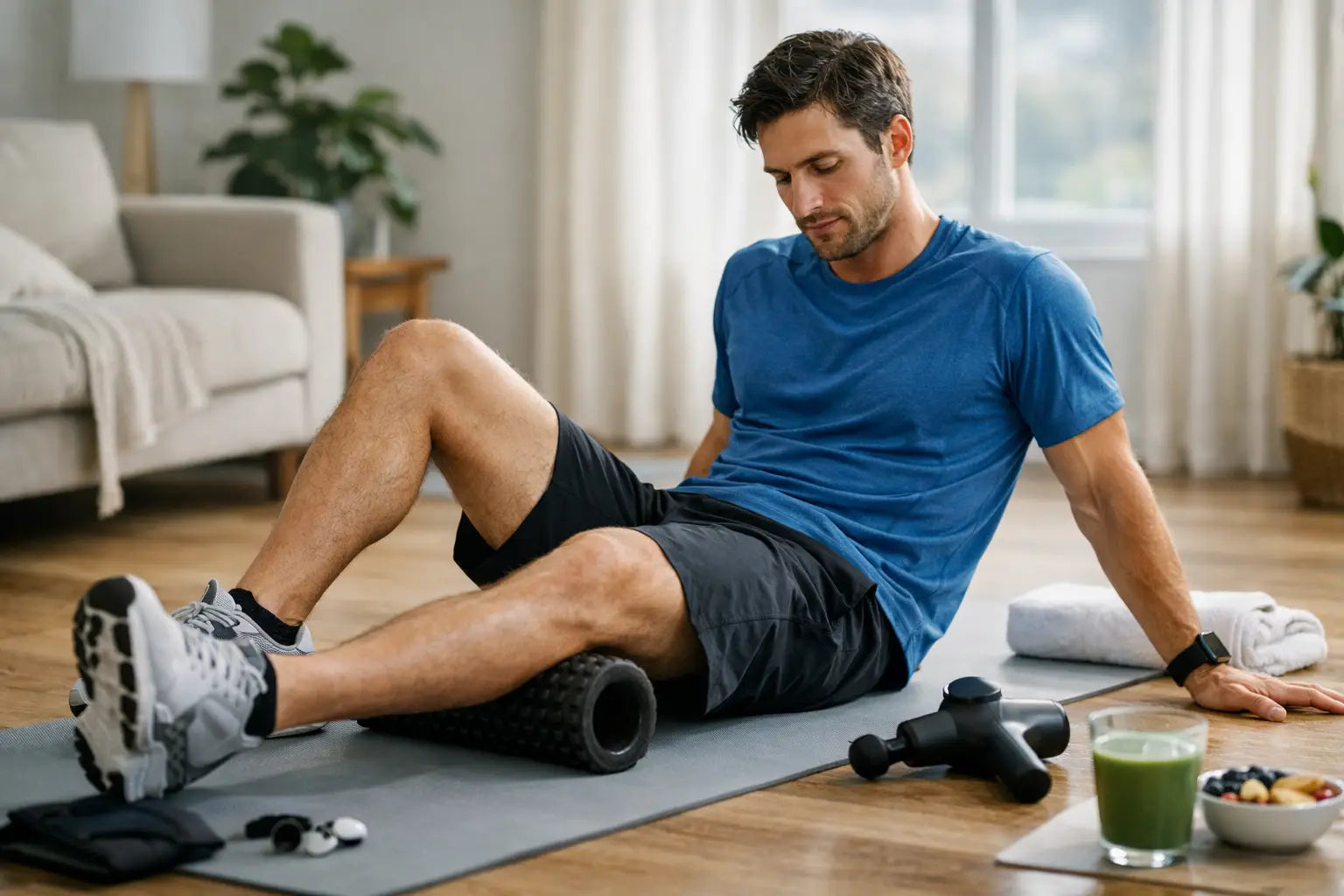
Most people do not need more wellness content. They need a home recovery plan they can actually follow on a Tuesday night after work, after training, or after a long stretch of travel. The difference between a scattered stack of good intentions and a meaningful recovery practice is structure. When recovery lives inside the home, it becomes less aspirational and more repeatable.
That shift matters. Recovery is where adaptation happens, where stress is metabolized, and where performance becomes sustainable. A well-built system can support sleep quality, nervous system regulation, circulation, muscle recovery, skin health, metabolic resilience, and the simple but valuable feeling of mental clarity.
What a home recovery plan should actually do
A strong home recovery plan is not a collection of expensive devices placed in separate corners of the house. It is a deliberate sequence. Each modality should have a role, a frequency, and a reason for being there.
For some people, the primary goal is athletic recovery. For others, it is reducing stress load, improving sleep, or building a longevity routine that feels calm and precise rather than chaotic. The right plan depends on your baseline, your schedule, and how much friction you can realistically tolerate.
That last point is where most routines fail. If your system takes too long to set up, requires too many decisions, or feels visually out of place in your home, consistency drops. The best recovery environments are designed for low friction. They feel integrated, quiet, and ready.
Start with the outcome, not the equipment
Before choosing any modality, define the result you want to feel or measure over the next 8 to 12 weeks. Better sleep is a different objective than faster post-workout recovery. Reduced soreness is different than daily cognitive clarity.
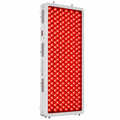
When the goal is clear, the stack becomes easier to build. Cold exposure may help support alertness, circulation, and resilience to stress. Infrared sauna sessions are often chosen for heat exposure, relaxation, and a deeper sense of physical release. Red light therapy is commonly used to support skin health, tissue recovery, and localized treatment. Hydrogen water fits naturally as a daily baseline ritual for hydration and oxidative balance. Supplements can support the system, but they work best as supporting pieces rather than the foundation.
A home recovery plan should include one or two anchor practices and one or two lighter daily habits. More than that can work, but only if your schedule and space genuinely support it.
The core modalities and how they fit together
Cold exposure for state change and resilience
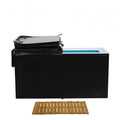
Cold plunging is one of the most effective ways to create an immediate physiological shift. Many people use it in the morning for alertness, mood, and discipline, or after training when they want a clean reset. The appeal is not only physical. It creates stillness under stress.
That said, timing matters. If hypertrophy is your primary training goal, immediate post-lift cold exposure may not always be ideal. If your main concern is soreness, inflammation management, or nervous system reset, it may be more useful. Context matters more than hype.
Infrared sauna for heat, calm, and recovery depth
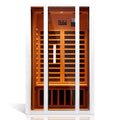
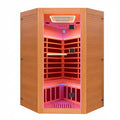
An infrared sauna often becomes the emotional center of a home recovery routine because it invites duration. You enter, stay still, breathe, and let the session do part of the work. Many users report improved relaxation, easier transitions into sleep, and a strong sense of decompression after demanding days.
This modality tends to work especially well for professionals carrying high cognitive stress and for athletes who need a non-impact recovery practice. It is less about intensity and more about consistency. Three to four sessions per week can be more valuable than occasional marathon sessions.
Red light therapy for localized and daily use
Red light therapy fits where precision matters. It can be used on specific areas that need support, or as part of a broader skin and recovery protocol. Because sessions are relatively simple and efficient, this is often the easiest modality to use consistently.
The trade-off is that results are usually cumulative rather than dramatic after one session. It rewards patience. In a disciplined home environment, that is a strength, not a weakness.
Hydrogen water for baseline support
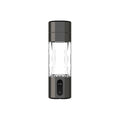
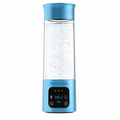
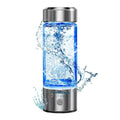
Hydration rituals are often overlooked because they feel too simple to be transformational. But simple habits done daily often carry the most value. Hydrogen water is usually not the hero of the room. It is the quiet layer underneath the bigger modalities.
It works best when treated as part of a broader pattern - morning hydration, pre-sauna preparation, post-session recovery, or travel support. The advantage is convenience. The challenge is remembering that subtle practices often build the foundation for visible progress.
How to build your weekly home recovery plan
A useful home recovery plan should feel like a calendar, not a mood board. You want rhythms you can repeat without negotiating with yourself each day.
For a high-performance professional who trains three to five times per week, a practical structure might look like this in principle: cold exposure two to four times weekly, infrared sauna two to four times weekly, red light therapy for shorter sessions several times weekly, and hydrogen water daily. The exact mix depends on your goals, recovery age, training intensity, and schedule constraints.
Morning routines tend to favor cold exposure and hydration because they sharpen state and create momentum. Evening routines tend to favor sauna and red light because they support downshifting. If your life is unpredictable, choose one anchor for mornings and one for evenings. That is often enough to create consistency.
There is also a spatial component. The more closely your equipment is arranged around your natural flow, the more likely you are to use it. Recovery should not feel hidden or improvised. It should feel present in the home, with the same intentionality as a well-designed kitchen or training space.
Design matters more than people admit
For serious buyers, aesthetics are not vanity. They are part of adherence. If your recovery tools look clinical in the wrong way, dominate the room, or create visual noise, they are less likely to become part of daily life.
The strongest residential recovery setups balance function with calm. Clean lines, intuitive controls, quiet materials, and thoughtful placement all reduce resistance. Premium equipment should perform well, but it should also belong in the home.
This is one reason curated systems matter. When delivery, installation, product guidance, warranty support, and trial periods are handled well, adoption becomes more realistic. HALOR has positioned itself around that exact transition from interest to ritual, which is where premium wellness either becomes part of life or remains an unused idea.
Common mistakes in a home recovery plan
The first mistake is buying for intensity instead of repeatability. A recovery routine that looks impressive but gets used twice a month is not a high-performing system.
The second is stacking too many modalities at once. More tools can mean more decision fatigue. Most people do better with a clear sequence and a small number of trusted practices.
The third is expecting every modality to solve every problem. Sauna is not a substitute for sleep. Cold exposure is not a replacement for proper training load management. Red light therapy is not a shortcut around consistency. These tools are powerful, but they work within a larger recovery ecosystem.
The fourth is ignoring support and service. Premium wellness hardware is a meaningful purchase. White-glove delivery, installation options, financing, warranties, and responsive customer care are not minor perks. They reduce risk and make it easier to commit.
A home recovery plan should evolve with you
The best routines are not static. They adapt as your goals shift. A training block may call for more aggressive physical recovery support. A high-stress quarter at work may call for more nervous system regulation and sleep-focused rituals. Winter may increase your use of heat and light. Summer may shift the balance toward cold and hydration.
This is where disciplined self-observation matters. Track how you feel after sessions. Notice your sleep, soreness, mood, and energy. A refined recovery practice is built through adjustment, not blind loyalty to trends.
There is real value in owning tools that bring professional-grade recovery into the home. But the deeper value is not the equipment itself. It is the ability to create a calm, deliberate environment where recovery is no longer optional, inconvenient, or outsourced.
Build your home around the version of you that wants longevity, clarity, and consistent energy. Then make the routine simple enough to keep.