
Red Light Therapy Guide for Home Use
Most people do not need more wellness gear. They need a system they will actually use. That is where a practical red light therapy guide becomes useful - not as a promise machine, but as a clear framework for choosing the right setup, using it correctly, and building a routine that holds up in real life.
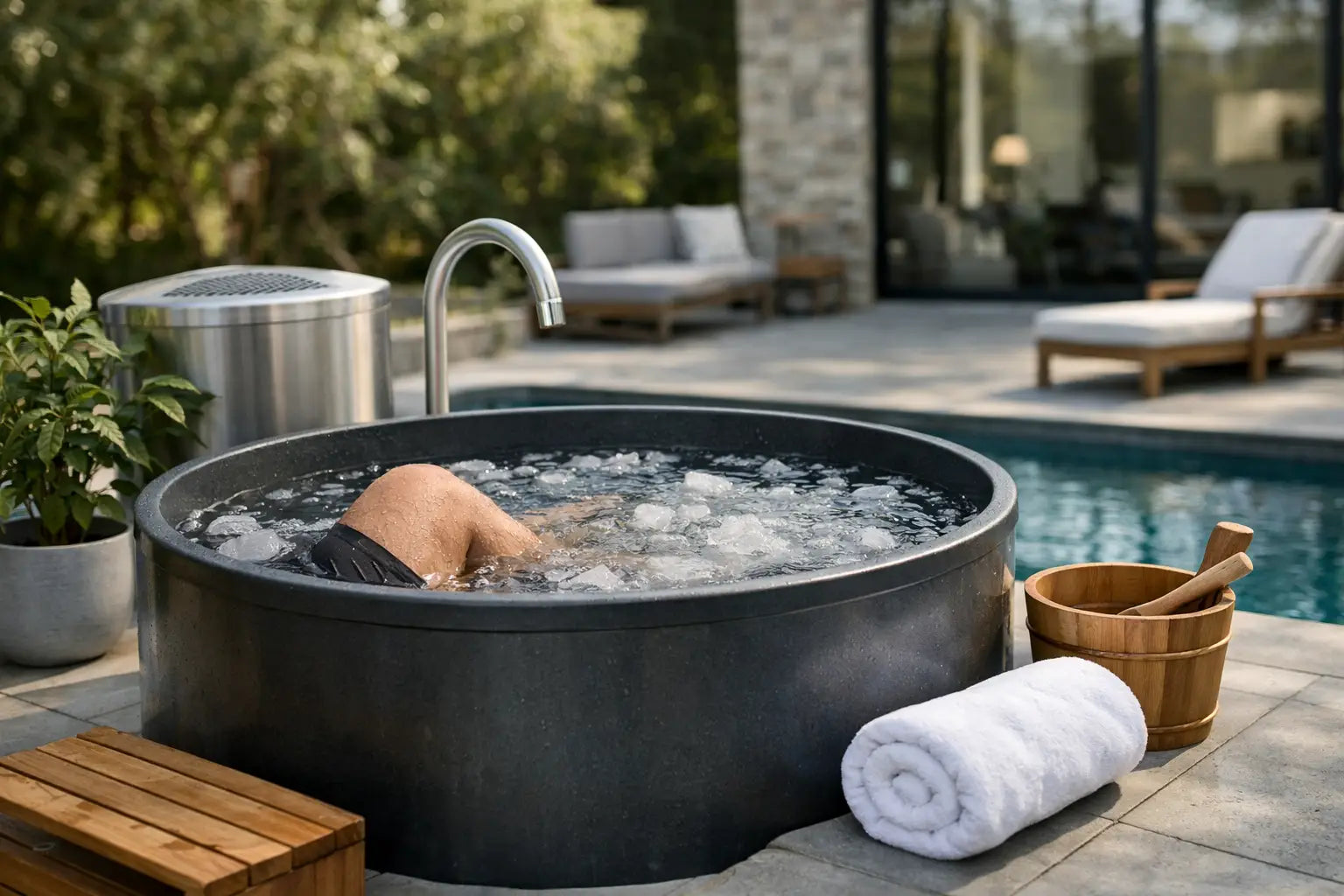
Red light therapy has moved well beyond boutique spas and performance clinics. It now sits alongside cold exposure, sauna, and mobility work as a home-based recovery modality for people who care about energy, skin quality, soreness, and long-term resilience. The appeal is obvious: low friction, short sessions, and no meaningful recovery tax after use. But the details matter. Wavelength, power output, treatment distance, consistency, and expectations all shape the result.
What red light therapy actually does
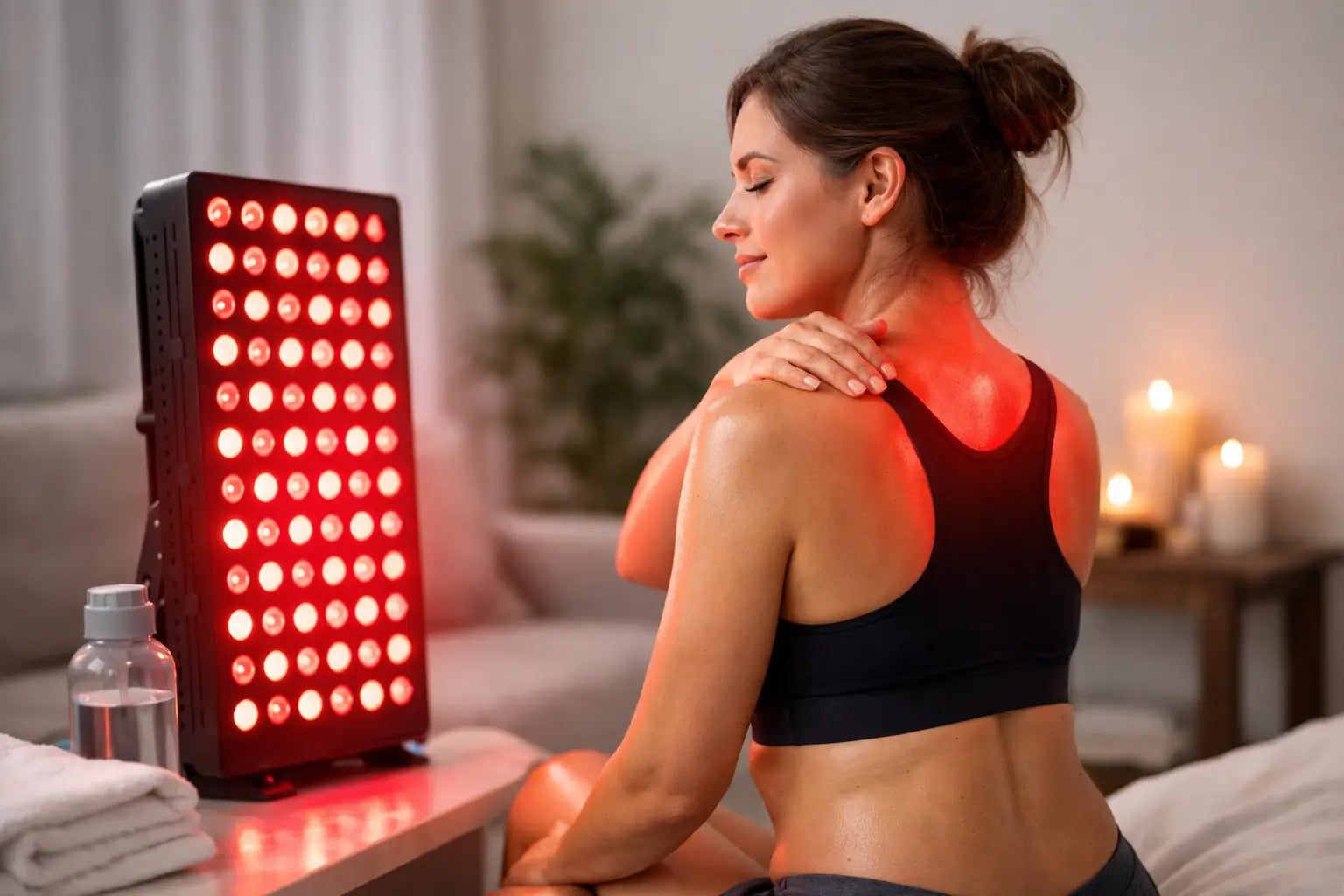
Red light therapy uses specific wavelengths of visible red and near-infrared light to deliver light energy to tissue. In simple terms, red wavelengths tend to be used more often for surface-level goals like skin appearance, while near-infrared wavelengths penetrate more deeply and are commonly discussed for muscle recovery, joint comfort, and tissue support.
The reason people keep coming back to it is not because it feels dramatic in the moment. It is because it fits disciplined practice. A session is quiet. Still. Easy to repeat. Over time, users often look for changes in post-training soreness, skin tone, recovery rhythm, and general readiness.
That said, red light therapy is not a miracle tool. It is better understood as a cumulative modality. If you use it twice, forget it for ten days, then try to judge whether it works, you will likely miss the point. Like sleep, mobility, and zone 2 work, the benefit compounds through repetition.
Red light therapy guide: the benefits people care about most
For home users, the interest usually falls into four categories.
Skin health is the most familiar entry point. Many people use red wavelengths to support the appearance of skin tone, texture, and fine lines. The attraction here is straightforward: it is noninvasive, simple to repeat, and easy to fit into a morning or evening routine.
Recovery is the next major use case. Athletes and active adults often turn to near-infrared light to support muscles and joints, especially during periods of high training load, travel, or poor sleep. It is not a replacement for programming, nutrition, or rest, but it can complement them.
Pain and inflammation are also common reasons people buy panels. Results vary by condition, severity, and consistency of use. Some people notice a meaningful difference in comfort and stiffness. Others experience a subtler shift. This is one of many areas where expectations should stay clinical and measured.
The last category is broader wellness. Some users report benefits in mood, energy, or general vitality, especially when red light becomes part of a structured morning practice. Here, the effect may come from both the light itself and the discipline around the ritual.
How to choose the right device
This is where many buyers get overwhelmed. The market is full of vague claims, oversized promises, and technical language presented without context. A better approach is to start with how you plan to use the device.
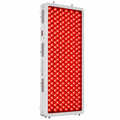
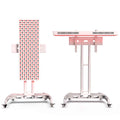
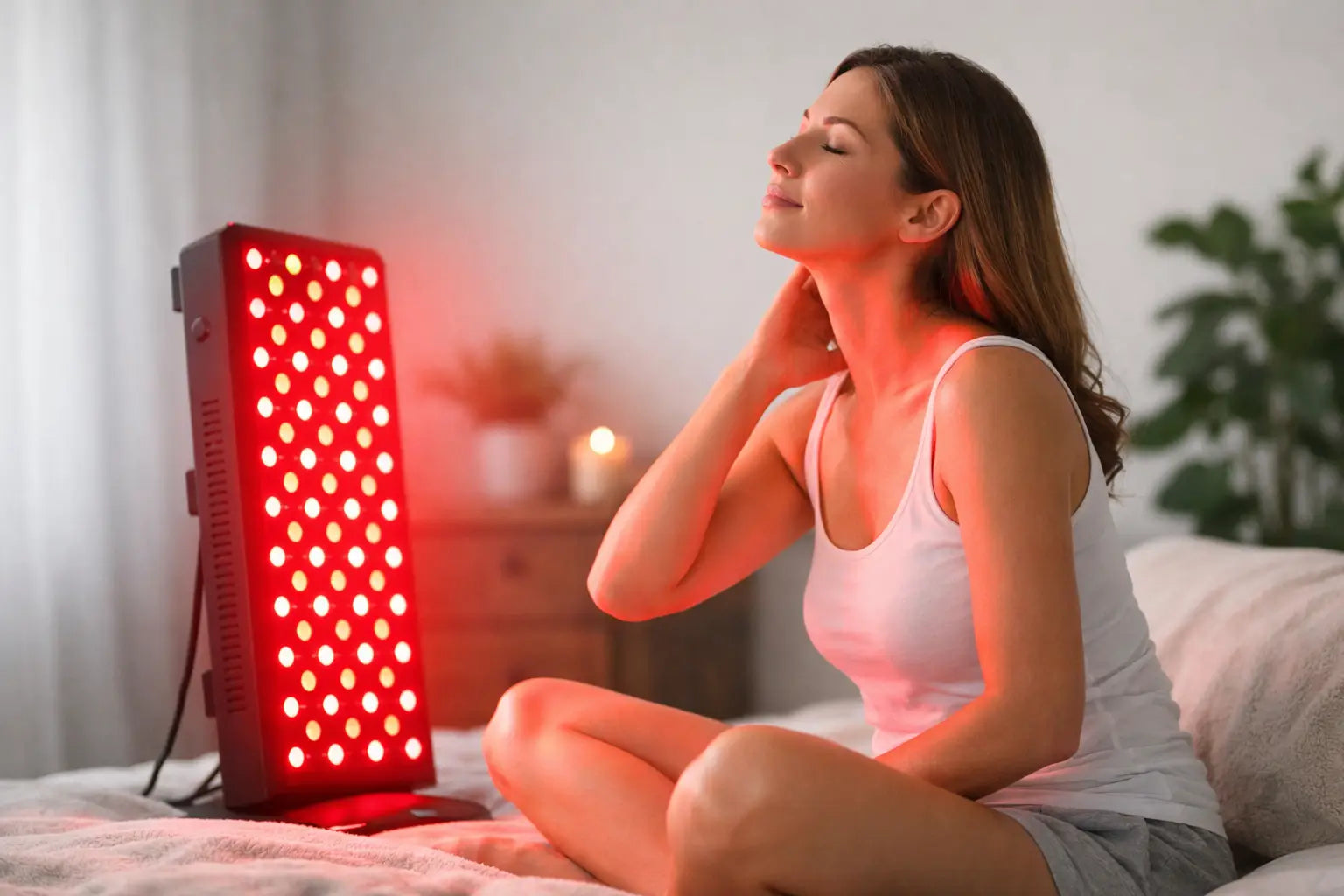
If your goal is occasional facial use, a small targeted device may be enough. If you want to treat larger areas like the back, legs, or full body after training, a panel is the more serious option. A premium panel should feel like a long-term fixture in your space, not a compromise you outgrow in six months.
Wavelengths matter, but not in an abstract way. Many high-quality devices combine red light in the mid-600 nanometer range with near-infrared in the mid-800s. That pairing makes sense for people who want a versatile tool that can address both skin-level and deeper tissue goals.
Power output matters too, although more is not automatically better. The point is not to chase the highest possible number. The point is to get a device that delivers enough irradiance at a practical distance, so sessions are efficient and repeatable. An underpowered device can turn a 10-minute protocol into a 30-minute chore. A well-designed panel respects your time.
Build quality also matters more than most buyers expect. If a device will live in a primary bedroom, gym, recovery room, or office, design is part of usability. Quiet operation, stable mounting, clear controls, and a clean visual profile all increase the odds that the panel becomes part of your environment rather than something you stash away.
Red light therapy guide for daily use
The best protocol is the one you can repeat without friction. For most home users, that means starting with short sessions several times per week rather than trying to do long, irregular treatments.
A common starting point is 10 to 20 minutes per area, depending on the device, the treatment distance, and the brand's usage guidance. Some users prefer morning sessions for energy and routine anchoring. Others use red light in the evening as part of a recovery sequence after training, sauna, or mobility work.
Distance from the panel changes the dose. Closer is generally more intense. Farther away reduces intensity and can change session length. This is why device-specific guidance matters. A premium setup should make dosing more intuitive, not more confusing.
Consistency beats intensity. If you are using red light for skin, four to five shorter sessions per week often makes more sense than one aggressive session. If you are using it for recovery, placing sessions around training blocks may feel natural, but regular baseline use still matters.
Tracking helps. Not obsessively, but enough to notice patterns. Take simple photos for skin goals. Note soreness, sleep, and training quality if your focus is recovery. Premium wellness works best when you can tie it back to lived outcomes.
Safety and realistic expectations
Red light therapy is generally considered low risk when used as directed, but low risk does not mean no thought required. Eye protection may be recommended depending on the device, the treatment area, and your sensitivity to light. Follow the manufacturer's instructions carefully.
If you have a medical condition, are pregnant, take medications that increase light sensitivity, or are managing an active skin issue, it is smart to speak with a qualified healthcare professional before starting. This is especially true if you are trying to use red light therapy as part of a broader therapeutic plan rather than as a general wellness modality.
It is also worth saying clearly: more is not always better. Overuse can be counterproductive. Good dosing is deliberate, not maximalist.
Results also depend on the target. Skin changes may require weeks of consistent use. Recovery effects may feel more immediate for some people, especially after intense exercise, but they are still influenced by sleep, stress, diet, and training load. Red light works inside a larger system. It does not erase the system.
Building red light into a home longevity routine
The strongest case for home red light therapy is not novelty. It is integration. When a modality lives in your home and fits your architecture of habits, it becomes easier to practice with precision.
For a performance-focused user, a red light session can sit after training, before mobility, or alongside breathwork on lower-intensity days. For someone more focused on skin and healthy aging, it may belong in the first or last 20 minutes of the day, paired with stillness instead of stimulation.
This is why premium home wellness is about more than hardware. The best setup removes excuses. It should feel easy to enter, easy to operate, and aligned with the cadence of your life. HALOR approaches this category with that exact standard - clinical-modern equipment, practical home integration, and the kind of service that makes advanced wellness feel usable rather than aspirational.
Before you buy, think less about hype and more about fit. Will you use a small device consistently, or do you need a panel that can cover more surface area in less time? Do you want a dedicated recovery zone, or something elegant enough for a bedroom or office? Are you optimizing for skin, soreness, joint support, or a combination? The right answer is specific to your routine.
A good red light therapy practice should feel calm, not complicated. Choose a device built for repeat use, follow a protocol you can sustain, and give the process enough time to show you what it can do. The real advantage of at-home recovery is not access alone. It is the ability to practice with steadiness, in your own space, until better health stops feeling like a special event and starts feeling like your baseline.