
Red Light Therapy for Skin: Does It Work?
A good skincare routine can improve texture at the surface. Red light therapy for skin aims deeper. It is used to support collagen production, calm visible inflammation, and help skin recover with less irritation than many aggressive treatments.
That difference matters if you want results you can actually sustain. For people who care about performance, recovery, and long-term skin quality, the appeal is simple: a noninvasive modality that fits into a repeatable home ritual.
What red light therapy for skin actually does
Red light therapy exposes the skin to specific wavelengths of visible red light, and sometimes near-infrared light, delivered at controlled intensities. The goal is not heat or abrasion. It is photobiomodulation - using light energy to influence cellular activity.
In practical terms, this means the light is thought to support mitochondrial function, which can improve how cells produce energy. When skin cells have better energy availability, processes tied to repair and renewal may work more efficiently. That is where many of the visible benefits begin.
For skin, the most common reasons people use red light therapy are to soften the look of fine lines, improve tone, reduce the appearance of post-workout or post-treatment redness, and support a calmer complexion overall. Some users also notice skin looks more even and rested, especially with consistent use over several weeks.
It helps to keep expectations disciplined. Red light therapy is not the same as resurfacing, injectables, or a clinical peel. It tends to work gradually. The change is often less dramatic in a single session, but more compatible with long-term use.
The skin benefits most people are actually looking for
Collagen support and fine lines
This is usually the headline benefit, and for good reason. As collagen production slows with age, skin loses some of its firmness and elasticity. Red light therapy may help stimulate fibroblasts, the cells involved in collagen synthesis, which can improve the appearance of fine lines over time.
The key phrase is over time. If your goal is smoother-looking skin, consistency matters more than intensity alone. People often do best when they treat red light therapy as part of a weekly discipline rather than a quick fix before an event.
Redness and visible inflammation
Skin that looks persistently flushed or reactive can benefit from modalities that are supportive rather than stripping. Red light therapy is often used because it can help calm visible inflammation without adding friction, acids, or downtime.
This makes it attractive for people balancing training, travel, work stress, and environmental exposure. Skin that is under constant load tends to respond well to calm, repeatable inputs.
Tone, texture, and post-breakout marks
Some users turn to red light therapy for skin because they want more even tone and a healthier overall appearance, not just fewer wrinkles. While it is not a pigment eraser, it may support skin recovery in a way that helps the complexion look clearer and more balanced.
If acne is the main concern, results can depend on the type of light being used. Red light may help with inflammation, while blue light is more commonly discussed for acne-causing bacteria. Devices that combine modalities may be more useful in that case than red light alone.
What the science supports - and where it is still mixed
The research around red light therapy is promising, especially for wound healing, inflammation, and aspects of skin rejuvenation. Multiple studies suggest that certain wavelengths can improve the appearance of aging skin and support collagen-related changes. That said, outcomes vary based on wavelength, power output, treatment time, distance from the device, and user consistency.
This is where many people get misled. The category sounds simple, but device quality matters. A low-output device used inconsistently may not deliver much. A better-built panel with clinically relevant wavelengths and enough irradiance is more likely to produce visible change.
There is also a difference between feeling something and measuring something. Red light therapy is subtle. You may notice calmer skin before you notice firmer skin. You may see improved clarity before any shift in fine lines. That does not mean it is ineffective. It means the mechanism is gradual and cumulative.
How to use red light therapy for skin at home
At-home use is where this modality becomes practical. You are not trying to recreate a med spa experience once a month. You are building a routine with enough frequency to matter.
Most people do well with sessions several times per week, usually for around 10 to 20 minutes depending on the device and treatment area. The manufacturer’s guidance should always set the baseline, because distance and exposure time can vary by panel strength.
Clean, dry skin is usually best. Heavy sunscreen, thick creams, or makeup can interfere with light reaching the skin. After your session, you can apply your usual skincare. Many users place red light therapy before serums and moisturizers, when the skin is clean and the routine is quiet.
Timing is flexible. Morning can feel energizing and structured. Evening can work well if you want a calmer recovery ritual before bed. The better choice is the one you will repeat.
What to look for in a device
Not all red light devices are built to the same standard. If you are serious about skin benefits, look beyond generic beauty claims.
Wavelength range matters. Red light in the mid-600 nanometer range is commonly used for skin-focused treatments, while near-infrared in the 800s may support deeper tissue effects. For skin appearance alone, red wavelengths are usually central.
Power output matters too. If the irradiance is too low, treatment sessions can become long and less effective. Build quality, treatment coverage, and ease of use also affect whether the device becomes part of your real life or ends up stored away.
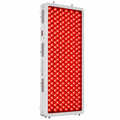
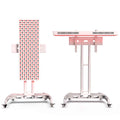
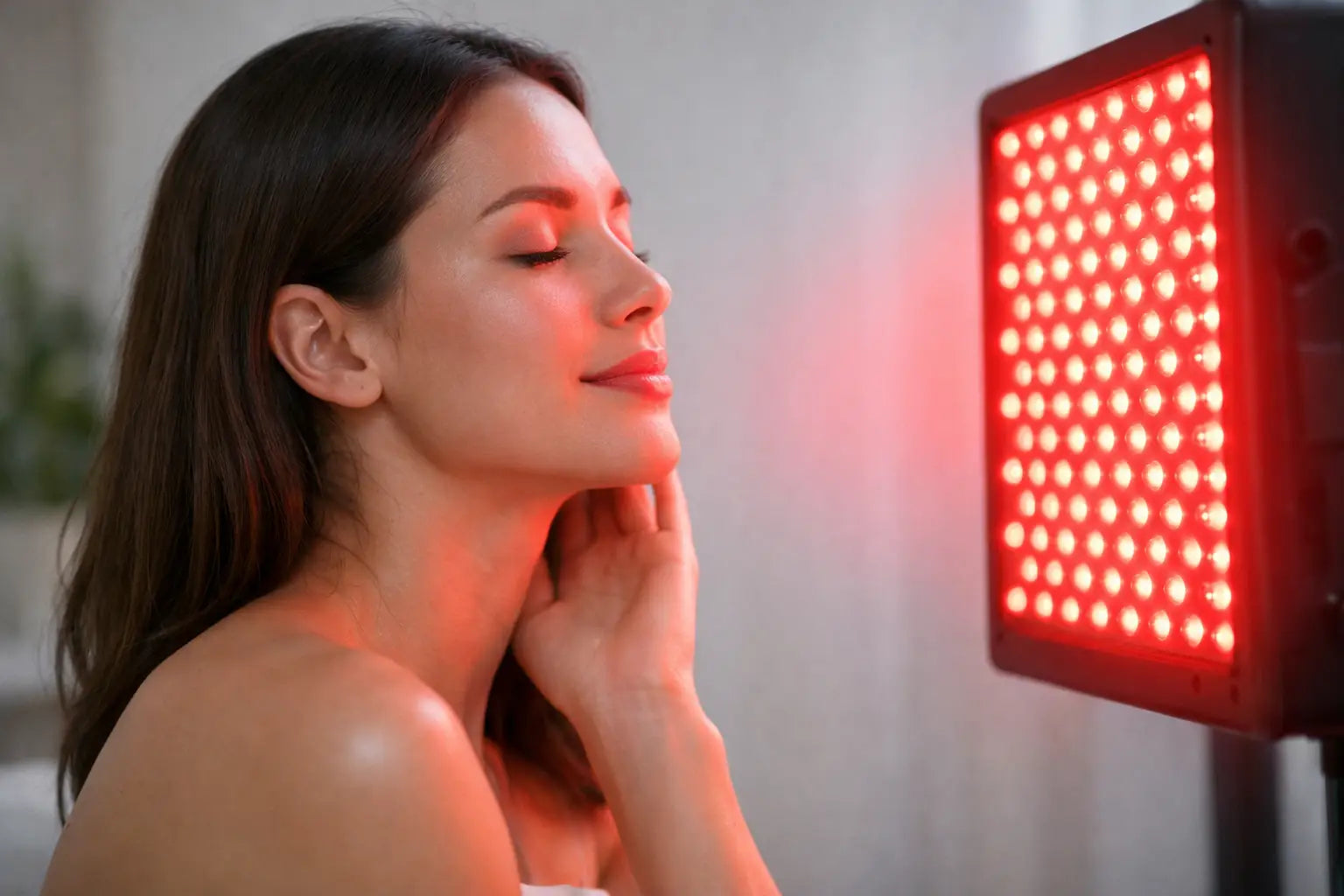
For many households, a panel format makes more sense than a small handheld tool. It offers better coverage, a more consistent setup, and a routine that feels deliberate rather than improvised. That alignment is often what turns a wellness purchase into an actual practice.
Trade-offs, limits, and safety
Red light therapy is generally well tolerated, especially compared with more aggressive skin interventions. There is no UV exposure, no controlled injury, and usually no downtime. For busy professionals and athletes, that low-disruption profile is part of the value.
Still, more is not always better. Overuse can irritate the skin or simply waste time without improving outcomes. Eye protection may be recommended depending on the device and treatment area, especially with bright panels used near the face.
If you have a photosensitive condition, are taking medications that increase light sensitivity, or are managing a significant skin disorder, it is smart to speak with a healthcare professional first. Precision is better than guesswork.
It is also worth being honest about the ceiling. Red light therapy can support skin quality, but it will not replace sleep, nutrition, hydration, sun protection, or a well-designed skincare routine. Think of it as an amplifier for good habits, not a substitute for them.
Who tends to get the best results
The best candidates are usually not chasing a miracle. They want skin that looks steadier, clearer, and better supported over time. They are willing to use the modality consistently. They understand that a cumulative improvement in tone, calmness, and texture can be more valuable than a brief dramatic change followed by recovery time.
This is why red light therapy fits so naturally into a performance-driven home environment. It is quiet. It is efficient. It does not ask much from the body. And when the device is well designed, it can sit comfortably alongside other recovery tools as part of a broader longevity routine.
For someone building a higher-standard home wellness practice, that matters. HALOR approaches modalities the same way many clients approach training - with structure, quality equipment, and the expectation that small inputs, repeated well, create visible change.
Is it worth it?
If your skin goals are centered on collagen support, visible calm, and long-term texture rather than instant transformation, red light therapy is worth serious consideration. The strongest case for it is not hype. It is adherence.
A treatment only works if it fits your life. Red light therapy does because it asks for consistency, not disruption. Give it time, use it with discipline, and let the results build with the same patience you bring to every other high-return practice.