
Are Infrared Saunas Worth It for Home Use?
A well-made infrared sauna is not an impulse buy. It takes floor space, real budget, and a level of commitment that goes beyond trying a wellness trend for a week. So when people ask, are infrared saunas worth it, the real question is usually more specific: will this become a meaningful part of my recovery and longevity routine, or will it sit unused after the novelty fades?
For the right person, an infrared sauna can absolutely be worth it. It offers private, repeatable heat exposure at home, which matters more than most people think. The benefits are not just about feeling warm and relaxed. Used consistently, infrared sauna sessions may support recovery, circulation, stress regulation, sleep quality, and overall adherence to a deliberate wellness routine. But the value depends less on hype and more on how you live, what you want from it, and whether the sauna itself is built for regular use.
Are infrared saunas worth it for most people?
Not for most people. For the disciplined user with a clear goal, often yes.
That distinction matters. If you are already investing in strength training, zone 2 cardio, cold exposure, better sleep, and nutrition, an infrared sauna can fit naturally into a larger system. It is not a shortcut. It is a tool that supports consistency. For high-performing professionals, athletes, and recovery-minded homeowners, the strongest advantage is convenience. The easier a modality is to use, the more likely it becomes part of weekly life.
That is where home ownership changes the equation. Visiting a wellness studio sounds reasonable in theory, but travel time, scheduling friction, and recurring session fees often reduce frequency. A sauna in your home removes that barrier. You can use it after training, before bed, or during a quiet window in the middle of a demanding week. That access is what turns occasional benefit into cumulative benefit.
What infrared saunas actually do
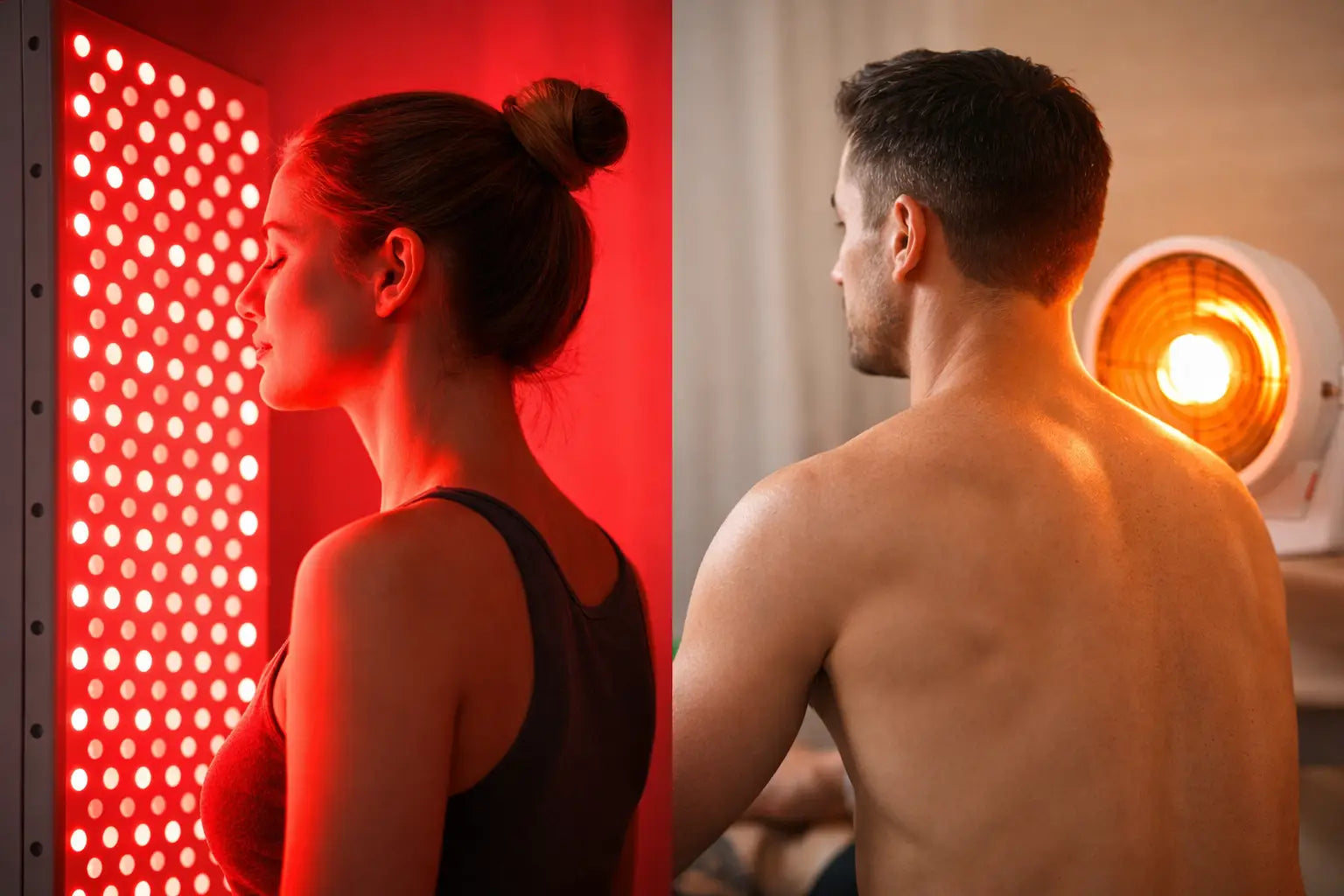
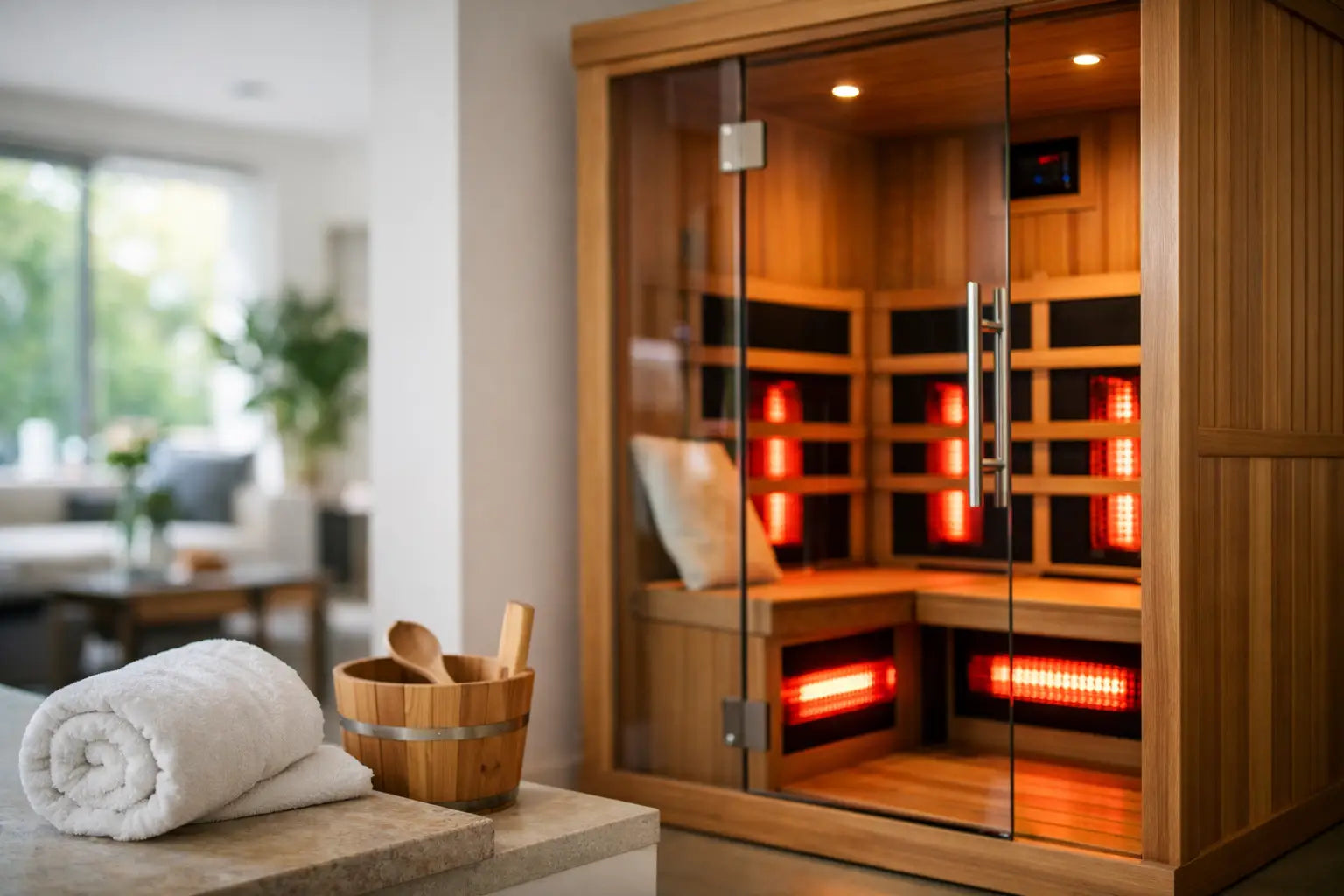
Infrared saunas use infrared light to heat the body more directly than traditional saunas, which primarily heat the air around you. That usually means a lower operating temperature with a different feel. Many people find infrared heat more tolerable for longer sessions, especially if they do not enjoy the intense ambient heat of a traditional sauna.
The practical effects are straightforward. Your core temperature rises. Blood flow increases. You sweat. Your heart rate often climbs into a light cardiovascular range. Many users report reduced muscular tension, a calmer nervous system, and better transition into sleep after evening sessions.
The science is promising in several areas, but it is worth staying precise. Infrared sauna use has been studied for cardiovascular support, relaxation, pain reduction, and recovery-related outcomes, yet the strength of evidence varies by claim. It is reasonable to say regular sauna use may support wellness and recovery. It is not reasonable to frame it as a cure-all.
That nuance is part of the value calculation. If you expect dramatic transformation from heat alone, you will likely be disappointed. If you view it as a high-compliance recovery tool that improves how you feel and how well you stick to other healthy habits, it becomes easier to justify.
The benefits that tend to matter most
The strongest case for infrared saunas is not one single effect. It is the combination of benefits that show up with repeated use.
Recovery is the first. Heat can help reduce the feeling of stiffness after training and support a more relaxed physical state. If you lift regularly, train hard, or carry a high stress load, that shift from tension to softness matters.
Stress regulation is another major factor. For many owners, the sauna becomes protected stillness. Twenty to forty minutes without notifications, obligations, or noise can change the tone of an entire day. In a high-output lifestyle, that is not indulgence. It is deliberate practice.
Sleep is often where value becomes obvious. Evening heat exposure may help some users wind down more effectively, especially when paired with dim light and a consistent bedtime routine. Better sleep improves nearly everything else - mood, recovery, focus, metabolic control, and training output.
Then there is circulation and cardiovascular load. Sauna use creates a mild hormetic stressor. The body adapts to controlled stress. Over time, that can complement a broader health strategy built around movement, nutrition, and recovery. It should not replace exercise, but it can support the system around it.
When an infrared sauna is probably worth the cost
An infrared sauna makes the most sense when three things are true.
First, you will use it at least three to five times per week. Frequency matters. The value of a premium wellness product is tightly tied to adherence.
Second, you care about convenience enough to pay for it. Home recovery equipment is expensive because it buys time, privacy, and consistency. If your schedule is packed and your standards are high, those are not small advantages.
Third, you want a long-term wellness environment at home, not just a single product. The people who get the best return usually think in systems. They want spaces that support training, decompression, recovery, and better daily rhythms.
For this buyer, the purchase is less about cost per session and more about lifestyle architecture. You are designing your environment so the healthy choice is the easy choice.
When it may not be worth it
If you dislike heat, struggle to maintain routines, or are chasing a specific medical result without guidance from a clinician, an infrared sauna may not be the right investment.
It may also be a poor fit if you are buying based on exaggerated claims. Detox messaging is often overstated. Weight loss claims can be misleading if they are framed as anything more than temporary fluid loss and indirect support through better recovery and routine adherence. Skin benefits are real for some users, but they are usually incremental, not dramatic.
The other issue is product quality. Lower-end units can underdeliver in ways that matter: weak heaters, inconsistent temperature, poor materials, limited warranty support, difficult assembly, and a look that does not belong in a refined home. If the sauna feels like an afterthought in your space, you may use it less often.
The cost question is really a design and support question
When people compare prices, they often compare boxes rather than ownership experience. A premium infrared sauna is not only about heat output. It is about materials, aesthetics, EMF considerations, fit and finish, comfort, reliability, and service.
That matters because high-ticket wellness equipment enters the center of home life. It has to function well, look intentional, and feel easy to own. White-glove delivery, installation options, financing, a meaningful trial period, and strong warranty support reduce the friction that keeps premium products from earning their value.
This is especially true for first-time buyers. A technically solid sauna with poor support can still become a frustrating purchase. A well-supported product tends to get used, trusted, and integrated into routine.
Are infrared saunas worth it compared to a traditional sauna?
It depends on what you want from the experience.
Traditional saunas deliver a more intense ambient heat and a classic ritual that many people love. Infrared saunas operate at lower temperatures and often feel more approachable for longer sessions. If your priority is deep heat without extreme room temperature, infrared often wins. If your priority is the ritual of high heat and steam-like intensity, traditional may be more satisfying.
For home users, infrared also tends to be easier to integrate. It can be more practical in certain residential settings, easier for some people to tolerate, and aligned with users who want frequent sessions without the barrier of very high heat.
So are infrared saunas worth it specifically versus traditional options? For many modern homeowners, yes - especially when consistency, comfort, and home integration matter more than tradition.
How to tell if you are the ideal buyer
You are likely a strong candidate if you already protect time for training and recovery, value private rituals over public wellness spaces, and want equipment that feels as considered as the rest of your home. You probably do not need to be convinced that recovery matters. You need to know whether this is a serious tool or a decorative luxury.
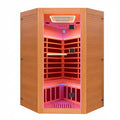
At its best, an infrared sauna is both. It should elevate the room and earn its footprint. That is why brand selection matters. A company like HALOR positions the sauna not as a novelty, but as part of a broader longevity stack designed for consistent residential use.
The final filter is simple. Ask whether you can picture yourself using it on an ordinary Tuesday. Not during a January reset. Not after seeing a wellness influencer talk about heat shock proteins. On a normal evening, after work, before dinner, or before bed. If the answer is yes, the purchase starts to make sense.
Infrared saunas are worth it when they create more than a moment of comfort. The best ones create a place where recovery becomes automatic, stillness becomes scheduled, and feeling better stops depending on whether you had time to leave the house.