

Infrared Sauna Weight Loss: What to Expect
You step out of an infrared sauna lighter than when you walked in. The scale confirms it. The question is whether that change reflects real progress or just temporary water loss. With infrared sauna weight loss, the answer is more precise than many headlines suggest: infrared heat can support a leaner body, but not in the simplistic way most people hope.
For a performance-minded person building better routines at home, that distinction matters. The goal is not to chase sweat for its own sake. The goal is to use heat deliberately - to improve recovery, consistency, stress regulation, and metabolic output in a way that supports body composition over time.
How infrared sauna weight loss actually works
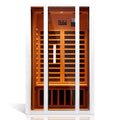
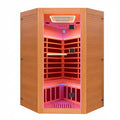
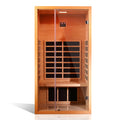
Infrared saunas heat the body more directly than traditional saunas. Instead of simply heating the air around you, infrared wavelengths warm tissue at a deeper level, which can raise heart rate, increase circulation, and produce a substantial sweat response at lower ambient temperatures.
That creates an energy demand. Your cardiovascular system works harder to regulate temperature, and your body expends calories in the process. Some small studies suggest sauna bathing can produce a mild increase in heart rate and energy expenditure that resembles light to moderate physical activity. But mild is the key word. An infrared sauna is not a substitute for strength training, walking, or disciplined nutrition.
Where it becomes more interesting is in the indirect effect. Consistent infrared sauna use may help reduce stress, support recovery, and improve sleep quality for some users. Those factors influence appetite regulation, training quality, and adherence. In real life, adherence drives results more than novelty.
Water loss versus fat loss
Most immediate weight change after a sauna session is water loss. You sweat, your body loses fluid, and the number on the scale drops. Once you rehydrate, much of that weight returns.
That does not mean the session was useless. It means the metric was misunderstood. Fat loss requires a sustained energy deficit over time. A sauna session can contribute modestly to daily energy expenditure and can support behaviors that make fat loss easier to maintain, but it does not melt fat on contact.
This is where expectations need to stay disciplined. If you use an infrared sauna three or four times per week, stay well hydrated, train consistently, and eat in a way that supports your goals, the sauna may become a valuable part of the system. If it is the only variable you change, results will likely be limited.
What the research really suggests
The science around infrared sauna weight loss is promising but not definitive. Research on sauna bathing overall has linked regular use to cardiovascular and recovery benefits, and there is emerging interest in how heat exposure influences metabolic health, insulin sensitivity, and stress response. Some data suggests passive heat exposure can increase heart rate, improve endothelial function, and mimic a small portion of the physiological load of exercise.
That said, the evidence is not strong enough to claim major fat loss from sauna use alone. Studies are often small, protocols vary, and many outcomes are tied to general heat exposure rather than infrared specifically. For a serious buyer, the useful takeaway is simple: the mechanism is plausible, the support benefits are meaningful, and the direct impact on fat loss is likely modest.
That modest effect can still matter. Small advantages, repeated consistently, often produce better outcomes than intense but unsustainable efforts.
Why infrared heat can help a body composition plan
For most people, body composition improves when training quality is high, inflammation is managed, sleep is steady, and stress stays within range. This is where infrared saunas fit naturally.
Heat exposure after training may help you unwind faster and recover more comfortably, especially if muscular stiffness or general fatigue makes it harder to stay consistent. If evening sauna use helps shift your nervous system toward calm, that can also support better sleep. Better sleep tends to improve hunger regulation, training readiness, and discipline around food choices.
There is also the behavioral advantage of ritual. A home sauna removes friction. You are not commuting to a spa, waiting for a session, or relying on a club schedule. You can train, shower, sit in the heat for 25 minutes, rehydrate, and return to the rest of your evening with more clarity. That kind of convenience is not a luxury detail. It is often the difference between occasional use and a repeatable practice.
What results are realistic?
A realistic expectation is not dramatic weekly weight loss from sauna use alone. A better expectation is support. Over several months, an infrared sauna may help you maintain a routine that leads to improved body composition, especially when paired with resistance training, protein intake, daily movement, and sleep discipline.
Some users notice less bloating, better recovery, and a stronger sense of control around their wellness routine. Others see almost no meaningful weight change unless they also tighten nutrition and training. Both outcomes are normal.
It also depends on your starting point. Someone carrying high stress, sleeping poorly, and recovering badly from workouts may notice a more meaningful downstream effect from sauna use than someone who already has an optimized routine. The more constraints the sauna helps remove, the more valuable it becomes.
How to use an infrared sauna for weight loss support
The most effective approach is consistency without excess. For many people, 3 to 5 sessions per week is a strong rhythm. Session length often lands between 20 and 40 minutes depending on heat tolerance, hydration status, and experience.
Lower temperatures can still be productive if you stay in long enough to create a meaningful thermal load. More heat is not always better. A session that leaves you depleted, dizzy, or under-recovered works against the larger goal.
Timing matters less than adherence, but many people prefer one of two windows. Post-workout sessions can complement recovery and create a clean transition out of training. Evening sessions can support stillness and better sleep. If morning use sharpens your focus and helps establish routine, that can work too.
Hydration needs to be taken seriously. Sweat losses can be substantial, and underhydration can make sessions feel harder while reducing performance later in the day. Water and electrolytes are often part of the equation, especially for frequent users.
When infrared sauna weight loss gets overstated
The wellness market has a habit of turning support tools into miracle claims. Infrared saunas are a good example. They can absolutely earn a place in a serious home recovery setup, but the value is broader than calorie burn.
If you buy an infrared sauna expecting it to replace exercise, overcome a poor diet, or drive major fat loss on its own, you will likely be disappointed. If you buy it as part of a larger performance and longevity practice, the return can be much stronger.
That distinction matters even more when investing in a premium home unit. Build around usage, not fantasy. The best sauna is the one that fits your home, your schedule, and your standards enough to become part of daily life.
Who is most likely to benefit?
People who already value structured routines tend to get the most from an infrared sauna. Athletes, executives, and health-focused homeowners often respond well because they are not looking for a shortcut. They are looking for a repeatable edge.
If your training is intense, your stress load is high, or your evenings tend to stay overstimulated, infrared heat may help create a more disciplined recovery window. That can indirectly improve body composition by making your broader plan easier to sustain.
If you dislike heat, struggle to hydrate, or have certain cardiovascular or medical conditions, the equation changes. In those cases, medical guidance is wise before starting frequent sauna use.
The home advantage
The strongest case for an infrared sauna is not theoretical calorie burn. It is access. When recovery tools live in your home, they stop being occasional indulgences and become part of your operating system.
That is why premium buyers increasingly treat infrared heat as part of a longer-term wellness stack alongside strength work, cold exposure, light therapy, and sleep optimization. A well-designed home setup creates fewer excuses and better follow-through. For the right user, that is where the physical change begins.
HALOR approaches this category with that reality in mind. The product matters, but so do installation, aesthetics, service, and whether the experience feels calm enough to repeat. Consistency is easier when the environment supports it.
If you are considering infrared sauna weight loss, think beyond the promise of sweating off pounds. Think about what helps you recover, regulate, and return to the next day with more discipline. Heat works best when it becomes part of a practice, not a performance.