
11 Red Light Therapy Panel Benefits to Know
A well-built recovery room changes how you train, work, and age. Among the most practical tools in that environment, red light therapy panel benefits stand out because they fit into real life - short sessions, low friction, and a wide range of potential outcomes from skin support to muscle recovery.
That appeal is not just aesthetic. Red and near-infrared light have been studied for their effects on cellular energy, circulation, tissue repair, and inflammation signaling. A panel brings that technology into a form factor designed for repeat use at home. For people who care about consistency more than novelty, that matters.
What makes red light therapy panels different
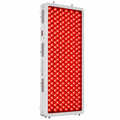
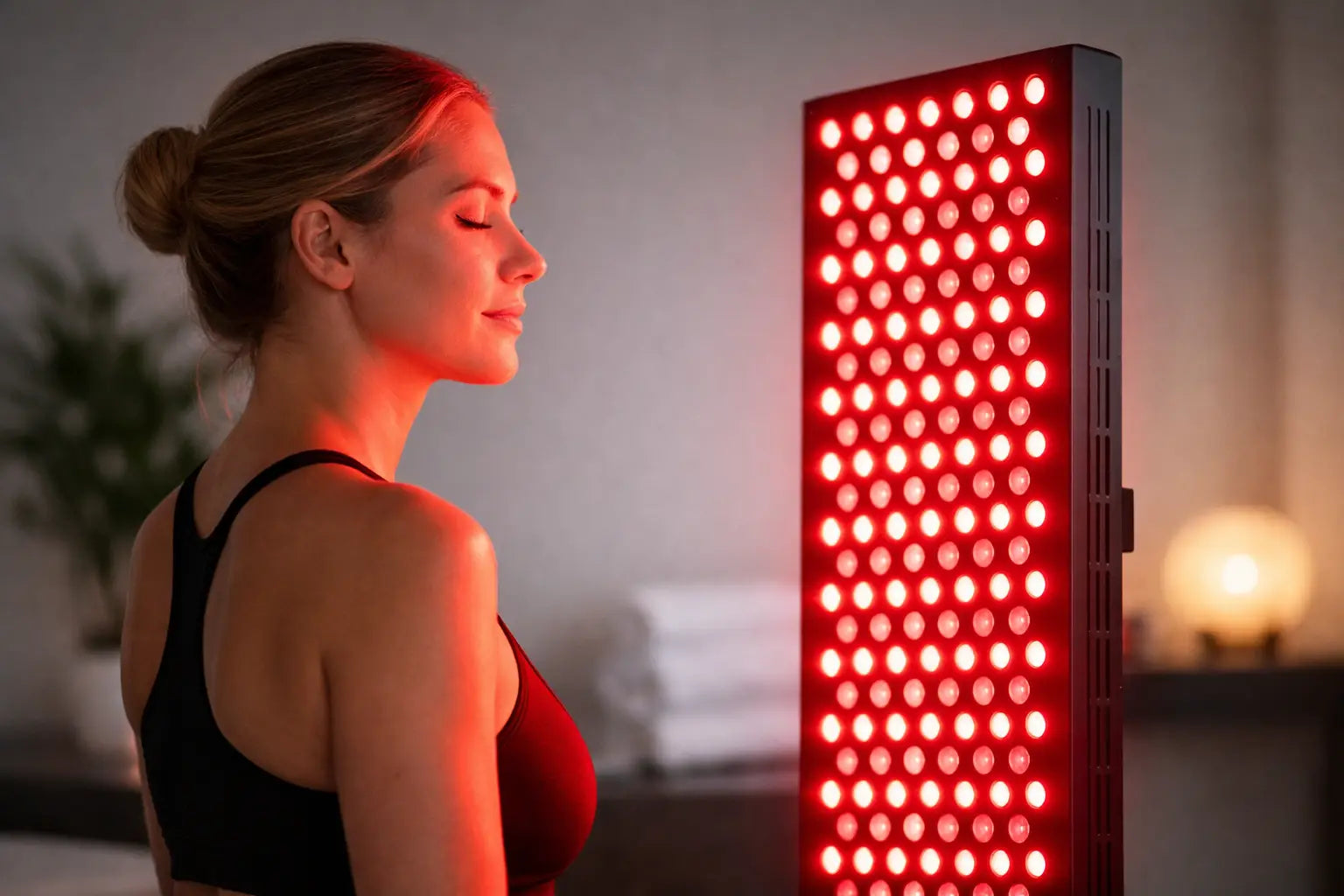
Not all light therapy devices are built for the same job. Masks and handheld units can be useful for targeted treatment, especially on the face or small areas. A panel is different. It is designed to deliver broader coverage, stronger output, and a more efficient full-body or half-body session.
That wider treatment area is one of the main reasons people look closely at red light therapy panel benefits rather than light therapy in general. Coverage influences practicality. If you are trying to support post-training recovery, back tension, skin tone across multiple areas, or a more complete wellness routine, a panel usually makes the process simpler.
Most panels use a combination of red wavelengths, often around 660 nm, and near-infrared wavelengths, often around 850 nm. Red light tends to be discussed more for surface-level goals such as skin appearance. Near-infrared light penetrates deeper and is often associated with muscles, joints, and connective tissue. The blend is part of what makes panels attractive for multipurpose home use.
The most relevant red light therapy panel benefits
1. Support for muscle recovery
This is one of the clearest reasons performance-minded users adopt a panel. After hard training, tissue stress, soreness, and temporary inflammation are part of the process. Light therapy is often used to support recovery by influencing circulation and cellular energy production.
That does not mean it replaces sleep, protein, mobility work, or sound programming. It means it can complement them. For athletes and active adults, the practical value is straightforward: if recovery feels more efficient, training consistency gets easier.
2. Help with joint comfort and stiffness
Many people turn to red light therapy because they want support around knees, shoulders, low back tension, or general stiffness that accumulates with age and workload. Near-infrared light is commonly included for this reason.
Results vary based on the issue, its severity, and how consistently the panel is used. A chronic joint condition is not the same as post-lift tightness. Still, one of the more compelling red light therapy panel benefits is the ability to treat larger areas regularly without booking appointments or relying on temporary fixes.
3. Skin health and visible rejuvenation
Red light therapy is widely associated with collagen support and improved skin appearance. Users often seek it out for fine lines, uneven tone, dullness, and post-inflammatory marks. The goal is not overnight transformation. The value is cumulative.
With repeated sessions, some people notice smoother texture, calmer-looking skin, and a more rested appearance. A panel can also cover the chest, neck, shoulders, and other areas that often get less attention than the face but still show signs of stress and aging.
4. Better circulation
Healthy circulation supports recovery, tissue repair, and general vitality. Light therapy is often discussed in relation to microcirculation and local blood flow, which may help explain why some users report a sense of warmth, looseness, or relief after a session.
This benefit is subtle but meaningful. Better circulation is not a dramatic headline, yet it connects to many of the outcomes people actually care about, including recovery, comfort, and skin quality.
5. Cellular energy support
One of the central scientific ideas behind red light therapy is photobiomodulation - the interaction between light and cellular processes, especially in the mitochondria. In simple terms, the body may use certain wavelengths to support ATP production, which is tied to cellular energy.
This is where a lot of the broader wellness claims begin. More efficient cellular energy does not guarantee a specific outcome, but it may help explain why light therapy is being studied across recovery, tissue repair, and performance settings. For a disciplined user, that mechanism is part of the appeal.
6. Reduced appearance of inflammation-related stress
Inflammation is not inherently bad. It is part of adaptation and healing. The issue is overload - too much training stress, too little sleep, too much sitting, too much friction in the system. Red light therapy is often used to help modulate that burden.
Some users describe this less as a single benefit and more as a general shift. The body feels calmer. The face looks less tired. Recovery feels less delayed. Those outcomes are hard to quantify perfectly, but they matter in everyday routine design.
7. Sleep and evening downshift support
A red light panel is not a sleep device in the strict sense, but many users place sessions in the evening because the experience feels settling rather than stimulating. The warm visual environment and deliberate stillness of the ritual can support a cleaner transition out of work mode.
This depends on timing and individual response. Some people prefer morning sessions as part of a performance routine. Others use light therapy at night as part of recovery. Either can work if the habit is consistent.
8. Convenience that improves adherence
This may be the most underrated benefit of all. Clinic-based wellness can be effective, but friction reduces follow-through. Commutes, scheduling, and session fees interfere with routine. A home panel lowers that resistance.
When a modality is available in your own space, use becomes more regular. And with red light therapy, regular use matters more than occasional intensity. That is one reason premium buyers often move beyond entry-level devices. Better build quality, broader coverage, and cleaner home integration can make the habit easier to keep.
9. Broad treatment area
A panel treats more than a single concern. Instead of isolating one spot at a time, you can address the face, neck, chest, back, legs, or full body depending on panel size and setup.
That flexibility is one of the strongest red light therapy panel benefits for people building a home longevity stack. Your needs change. Training blocks change. Skin goals change. A panel adapts better than a highly limited device.
10. Noninvasive, low-friction use
There is no heat burden comparable to sauna, no cold stress like a plunge, and no meaningful recovery downtime after a session. For many users, that makes light therapy easier to repeat several times per week.
Low friction does not mean low value. It means the intervention fits between meetings, after training, or before bed without much disruption. In high-performance households, that usability matters.
11. A stronger home wellness system
Used well, a panel is rarely a standalone miracle. It works best as part of a broader structure that may include sleep discipline, strength training, mobility, sauna, cold exposure, and nutrition. In that context, it becomes a stabilizing tool rather than a trend purchase.
That system-level role is where many long-term users see the real payoff. The panel becomes part of deliberate practice - a quiet, repeatable input that supports recovery and longevity over time.
What affects results
Light therapy is not magic, and this is where discernment matters. Wavelengths, irradiance, treatment distance, session length, and consistency all influence outcomes. So does the goal itself. Skin appearance may respond differently than joint comfort or exercise recovery.
Device quality also matters. Two panels can look similar online and perform very differently in actual use. Build quality, LED configuration, output consistency, and treatment coverage shape the experience and the likelihood that the routine will stick.
There is also the question of expectation. Some people notice changes quickly, especially in skin tone or post-workout soreness. Others need several weeks of steady use before anything feels obvious. If your baseline is already strong, the improvements may be incremental rather than dramatic. Incremental is still valuable.
How to use a panel at home without overcomplicating it
The best routine is the one you will repeat. For most people, that means starting with sessions several times per week, using the panel at the manufacturer’s recommended distance and duration, and tracking only a few outcomes that matter - recovery, skin appearance, joint comfort, or sleep quality.
Morning use can fit well for energy, discipline, and post-training support. Evening use can pair well with recovery and a calmer close to the day. Full-body sessions make sense for general wellness. More targeted positioning may be better when a specific area needs attention.
Eye comfort and safety guidance should be followed exactly as directed for the device. And if you have a medical condition, photosensitivity, or a more complex health history, professional guidance is worth getting before building the habit.
For buyers who want a panel to feel integrated rather than improvised, this is where the premium category earns its place. A refined setup, clear protocol guidance, and strong post-purchase support reduce hesitation. HALOR approaches home recovery the same way serious users do - not as scattered gadgets, but as a deliberate environment built for consistency.
Red light therapy earns attention because it meets a rare standard in wellness: it is practical enough to use often and versatile enough to stay relevant as your goals evolve. If you choose a quality panel and give it the consistency it requires, the real benefit is not just what happens in a session. It is what becomes possible when recovery is no longer left to chance.