
Infrared Sauna for Home: What to Know
The appeal of an infrared sauna for home is not just heat. It is access. Instead of scheduling around a spa, gym, or recovery studio, you step into a private space designed for calm, consistency, and deliberate recovery. For people who train hard, work long hours, or simply want a more structured longevity routine, that shift matters.
Home wellness equipment only earns its footprint when it gets used. That is where infrared stands apart. The experience is approachable, the sessions are easier to repeat, and the barrier to entry feels lower than a traditional hot sauna for many users. You are not building a ritual around intensity alone. You are building one around frequency.
Why an infrared sauna for home fits modern recovery
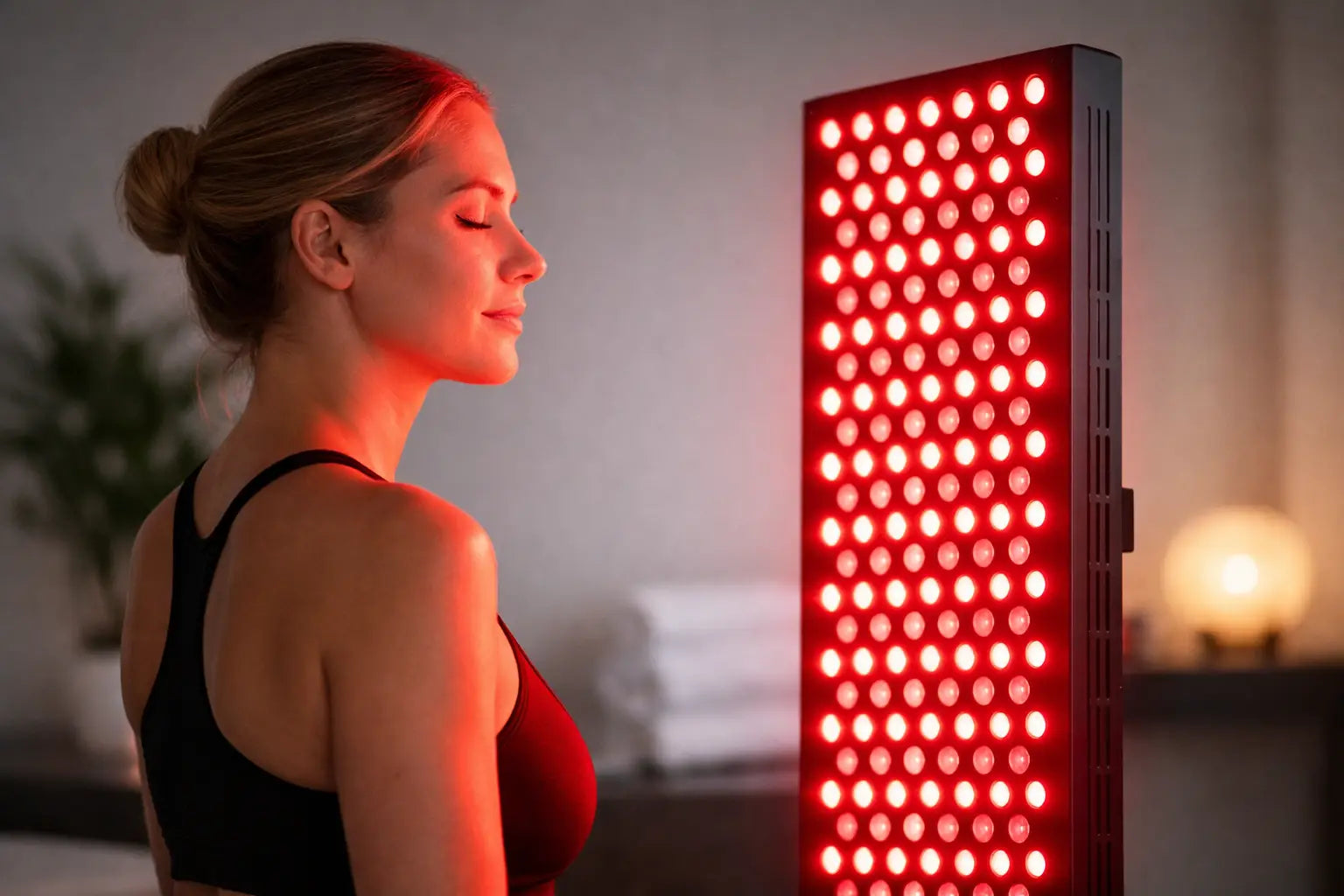
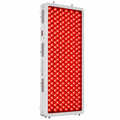
Infrared saunas warm the body more directly than a conventional steam or hot-rock sauna. Rather than heating the air to an extreme level first, infrared panels emit light in wavelengths that generate a gentler ambient environment while still producing a substantial sweat response. For many people, that means a more tolerable session and longer, more consistent use.
That distinction matters if your goal is not novelty, but adoption. The best home recovery tools support repeatable behavior. A modality you can tolerate three to five times per week will usually outperform one you admire but avoid.
The reported benefits people often pursue include relaxation, circulation support, muscle recovery, stress management, and better post-training decompression. Some users also value the skin, sleep, and general wellness effects that come from setting aside 20 to 40 minutes of stillness several times per week. Research in this category is promising in areas like cardiovascular support and relaxation, but claims should stay grounded. An infrared sauna is not a cure-all. It is a strong tool inside a broader routine.
What an infrared sauna actually does
At a practical level, an infrared sauna creates a controlled heat exposure session that can elevate heart rate, increase perspiration, and encourage parasympathetic downshifting after physical or mental strain. Many users describe the experience as a cleaner, more breathable heat compared with traditional saunas.
That does not mean better in every scenario. It means different. If you love the dense, intense atmosphere of a classic Finnish sauna, infrared may feel less dramatic. If you want a lower-friction session you can fit into weekday life, it may feel more sustainable.
The key is matching the modality to the behavior you want. For a home setting, sustainability usually wins.
How to choose the right infrared sauna for home
Buying a premium sauna is less about chasing the longest feature list and more about making a few smart decisions early. Space, materials, heating technology, electrical requirements, and service support all shape the ownership experience.
Size should match real life, not fantasy
A common mistake is buying for an idealized version of your routine. A two-person sauna sounds practical, but the right size depends on how you will actually use it. If sessions are usually solo, a compact footprint may be the better fit. If you want room to stretch out, share sessions with a partner, or sit more comfortably after training, extra interior space becomes worth it.
Measure the room carefully, including ceiling height, door swing, walking clearance, and ventilation. Think beyond whether the sauna can physically fit. Ask whether the room will still feel composed once it is installed.
Heating technology deserves attention
Not all infrared systems perform the same way. Some use carbon panels, some ceramic elements, and some combine technologies. The differences can affect heat feel, distribution, ramp-up time, and user comfort.
Carbon panels are often associated with a more even, gentle heat. Ceramic elements can produce more concentrated intensity. Neither is automatically superior. It depends on your preferences and the design quality of the unit. What matters most is consistency, thoughtful panel placement, and a cabin that reaches and maintains the intended operating range without hot and cold patches.
Materials matter more than most buyers expect
This is not just a design purchase. You will sit in an enclosed heated space repeatedly. Interior materials should be selected with care. Quality woods, low-toxin construction choices, and clean craftsmanship all contribute to a better long-term experience.
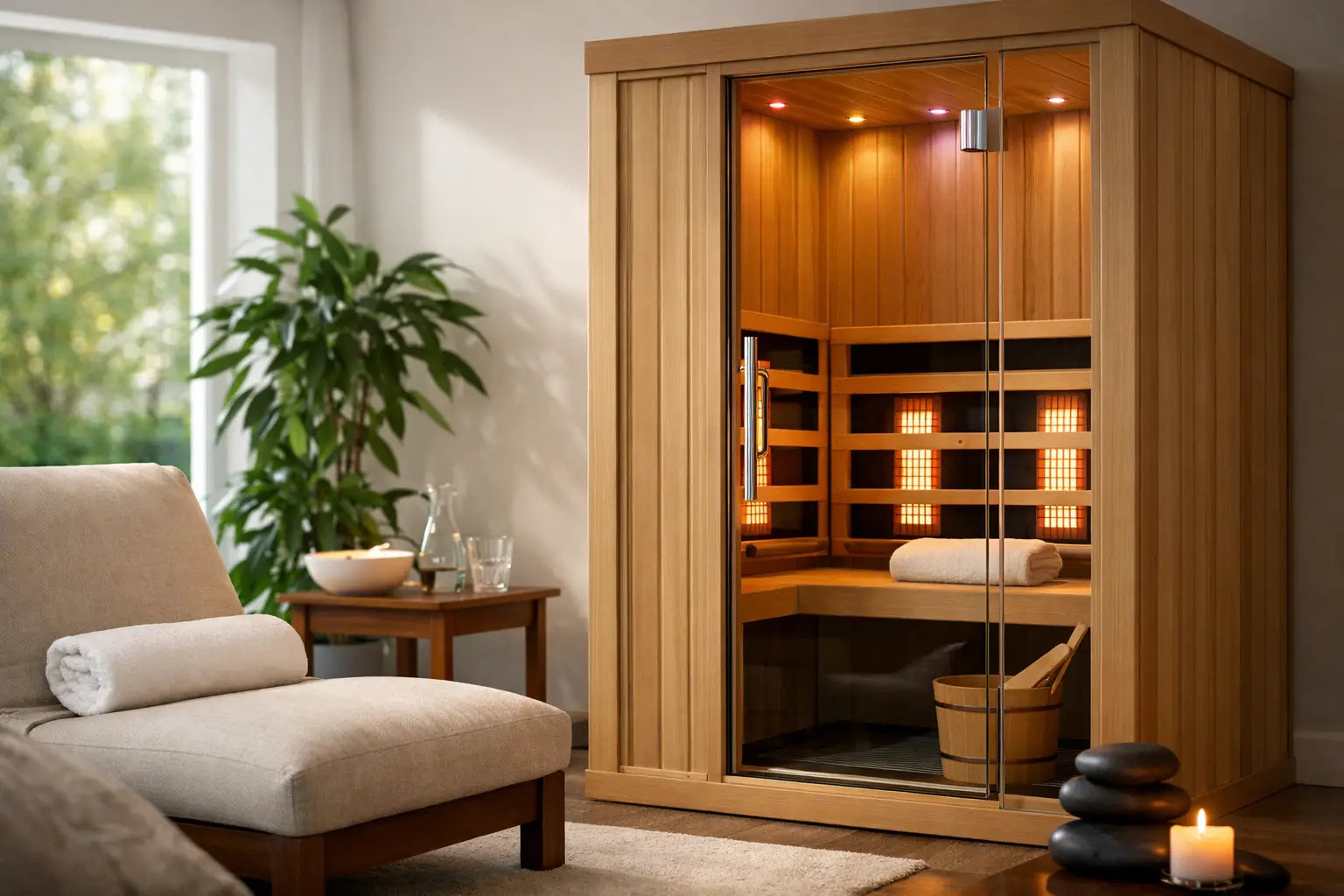
From a visual standpoint, the sauna should also belong in the home. For a premium buyer, performance and aesthetics are not separate categories. Clinical-modern lines, warm wood tones, and restrained design language help the sauna feel integrated rather than improvised.
Electrical setup can shape the decision
Some home saunas work with standard household outlets, while others require upgraded electrical service. This affects placement, installation timeline, and total cost. It is one of the least glamorous parts of the buying process and one of the most important.
A beautiful unit loses its appeal quickly if the installation turns into a project you did not plan for. Before purchasing, confirm the exact power requirements and whether your intended room can support them cleanly.
The overlooked factors that separate a good purchase from a frustrating one
Premium wellness hardware is not just about the product. It is also about delivery, setup, service, and confidence after the sale. This is especially true for large-format home equipment.
If a sauna arrives curbside in multiple heavy boxes with vague instructions and limited support, the ownership experience starts with friction. White-glove delivery, in-home installation options, responsive service, financing, and a credible home trial can reduce a surprising amount of stress. These are not soft extras. They are part of the product category when you are making a meaningful investment.
Warranty coverage is another signal. A serious brand stands behind heaters, electrical components, and structural quality with terms that reflect long-term use, not short-term sales velocity.
Where to put an infrared sauna at home
The best location is usually the one that supports consistency. A garage can work well if it is finished and climate-considered. A home gym is often the cleanest fit for athletes and performance-focused users. A primary bathroom, dedicated wellness room, or lower-level retreat can create a calmer, more restorative experience.
What you want to avoid is placing the sauna somewhere technically possible but behaviorally inconvenient. If reaching it feels like a project, usage tends to drop. Convenience is not a luxury in habit design. It is the mechanism.
Think about the full session flow. You may want a place to cool down, hydrate, sit quietly, or transition into a shower. The strongest home setups feel intentional from start to finish.
How to use an infrared sauna for home recovery
Most people do well starting with shorter sessions at moderate temperatures and building tolerance over time. A 20-minute evening session a few times per week is often more realistic and more beneficial than an aggressive protocol you abandon after ten days.
Hydration matters. So does pacing. If you are pairing sauna with strength training, endurance work, or cold exposure, sequence becomes relevant. Some people prefer heat after training to support relaxation and decompression. Others use it on recovery days to create a distinct parasympathetic reset. There is no single perfect formula. Your schedule, training load, and heat tolerance all influence what works.
The strongest use case is simple: make it part of a repeatable weekly rhythm. Recovery responds to consistency more than intensity.
Who should think twice before buying
An infrared sauna for home makes sense for many households, but not every buyer is ready for one. If you do not have a clear place for it, a realistic usage plan, or interest in a recurring heat practice, the investment may feel aspirational rather than practical.
It is also worth speaking with a qualified healthcare professional if you have cardiovascular concerns, are pregnant, have heat sensitivity, or manage medical conditions that could be affected by sauna use. Premium wellness should still be disciplined wellness.
Is it worth it?
For the right person, yes. Not because a sauna is trendy, but because it can convert good intentions into an actual practice. When recovery is available at home, beautifully integrated into the environment, and easy to repeat, it stops being an occasional reward and becomes part of how you live.
That is the real value. An infrared sauna is not only a piece of equipment. It is a room for stillness, heat, and deliberate reset. And if you choose well, it becomes one of the few purchases that keeps paying you back in clarity, recovery, and time you no longer have to outsource.