
Cold Plunge Before Bed: Smart or Disruptive?
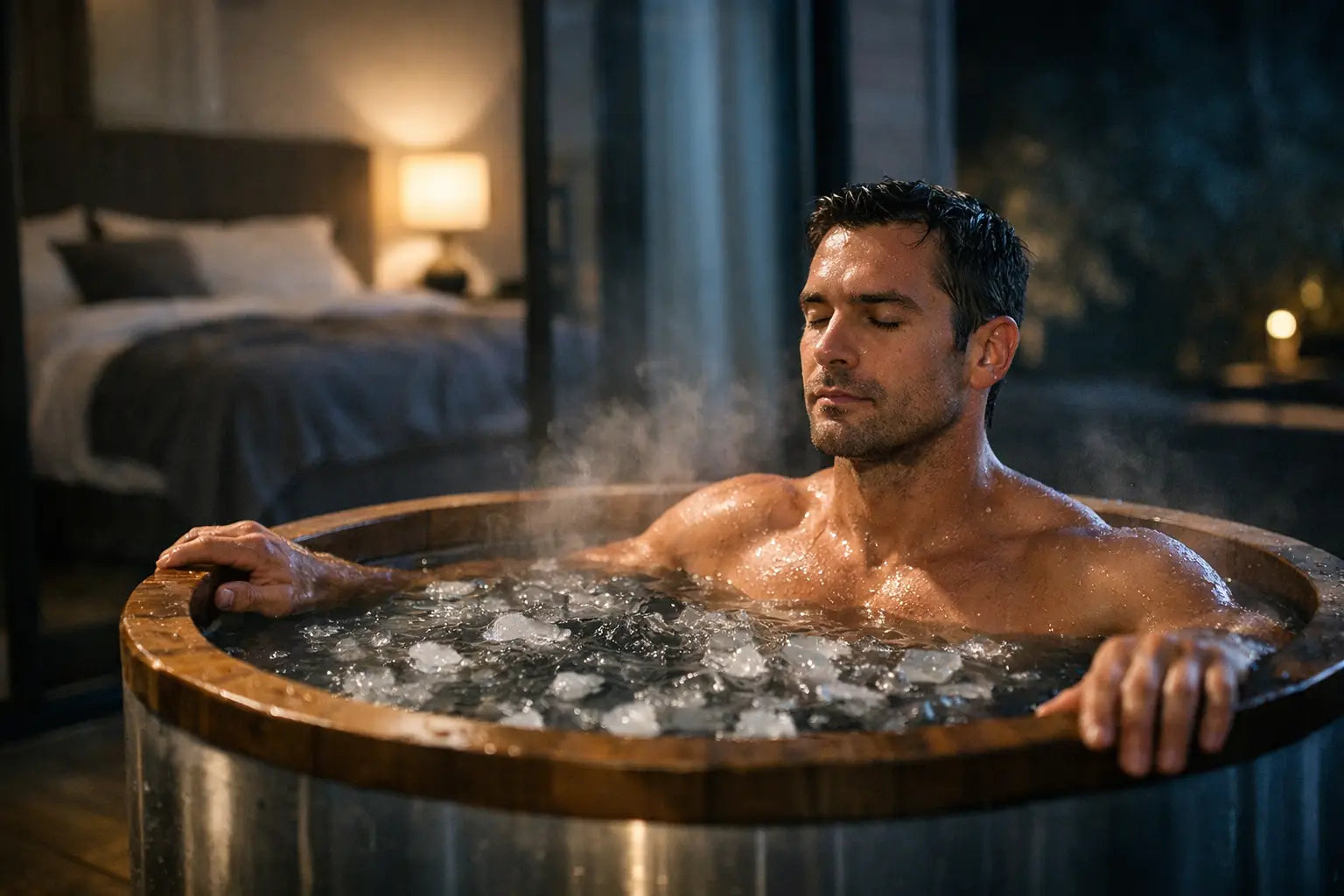
A cold plunge before bed can feel incredible for the body and surprisingly complicated for sleep. Some people step out calm, loose, and mentally quiet. Others feel alert, wired, and nowhere close to ready for rest. The difference usually comes down to timing, water temperature, plunge duration, and your own nervous system.
That makes this less of a yes-or-no question and more of a protocol question. If you already use cold exposure for recovery, mood, or inflammation support, the goal is not simply to add another session at night. The goal is to understand whether evening cold helps create stillness or whether it pushes your system into a more activated state when you need the opposite.
Does a cold plunge before bed help sleep?
It can, but only under the right conditions. Cold exposure triggers a strong physiological response. Heart rate rises at first. Breathing sharpens. Stress hormones can increase. That early phase is stimulating, which is why many people prefer cold plunging in the morning or before training.
The reason some people still sleep well after a nighttime plunge is the rebound effect. After the initial shock, the body often shifts toward relaxation. Muscles loosen. Inflammation may settle. Mental chatter can quiet down. If you tend to carry physical tension into the evening, that transition can feel like a reset.
There is also the temperature regulation piece. Sleep onset is tied to a drop in core body temperature. A cold plunge changes the body's thermoregulatory response, but not always in the way people expect. Right after a plunge, your skin and peripheral tissues cool, then the body works to restore balance. For some users, that process leaves them feeling pleasantly heavy and sleepy. For others, especially with very cold water or longer exposure, the body ramps up too much and sleep gets delayed.
Why cold plunge before bed works for some people
The best case for evening cold is usually recovery-driven. If you train late, sit at a desk all day with built-up stiffness, or finish the evening feeling physically overheated, a short and controlled plunge can create a sense of calm clarity. It may reduce soreness perception, ease swelling, and help you transition out of the pace of the day.
There is also a psychological effect that matters. A deliberate cold session demands presence. You cannot scroll, multitask, or ruminate your way through it. For high-performing people with overstimulated evenings, that interruption alone can be useful. The ritual becomes a line between output and recovery.
Still, the benefit is often strongest when the plunge is moderate, not extreme. A brief session in cool-to-cold water is different from an aggressive exposure designed to test resilience. If your aim is better sleep, intensity is usually not the metric to chase.
When a cold plunge before bed can backfire
If you finish a plunge feeling energized, talkative, mentally sharp, or physically buzzing, you have your answer. Your system treated the exposure as a stimulant.
This is more likely if the water is very cold, the session is too long, or the plunge happens too close to bedtime. It is also common in people who are newer to cold exposure. Beginners often experience a larger stress response because the body has not adapted yet. What feels grounding to an experienced user can feel jarring to someone still building tolerance.
Your general stress load matters too. If you are already under-slept, overtrained, or running on caffeine late in the day, a hard evening plunge may add one more demand to a nervous system that needs softness, not challenge. Cold is a useful stressor, but it is still a stressor.
The nervous system trade-off
This is the central trade-off with nighttime cold. You may gain muscle relief and mental reset, but lose some ease in falling asleep if the session is too aggressive. The right protocol should leave you settled within a reasonable window, not stimulated for hours.
For many users, that means respecting a buffer between the plunge and lights out. Think of evening cold as part of the wind-down, not the final step before getting into bed.
How to time cold plunge before bed
If you want to test cold exposure at night, start with timing before you change temperature. A practical range is 60 to 120 minutes before bed. That gives your breathing, heart rate, and body temperature time to normalize.
Closer than 30 minutes can be hit or miss, particularly with colder water. Some people tolerate it well. Many do not. If your sleep is valuable and your schedule allows, build in more space.
This is especially relevant after evening exercise. If you finish training late and use a plunge immediately after, your system is already elevated. In that case, shorter exposure and a longer runway before sleep usually work better than an intense post-workout cold session followed by bed.
Temperature and duration matter more than most people think
People often focus on whether to plunge at night, when the more important question is how hard the plunge is.
For evening use, colder is not automatically better. Water in a moderate cold range often makes more sense than pushing to the lowest possible temperature. A short session of 2 to 5 minutes can be enough for most people. If you are experimenting specifically for sleep support, there is rarely a reason to chase long durations.
A useful rule is simple. End the session while you still feel composed. Do not stay in until you are shivering hard, numb, or pushing through strain. That approach may fit a different training goal, but it is poorly matched to bedtime.
A better evening protocol
An evening plunge should feel deliberate and controlled. Get in calm. Keep breathing steady. Exit before the session becomes a test of will. Warm up naturally afterward with light movement, dry clothes, and a quiet environment rather than turning the recovery block into another performance event.
Who should avoid nighttime plunges?
If you consistently have trouble falling asleep, are highly sensitive to stimulants, or notice that cold exposure leaves you energized for hours, morning or early afternoon is probably the better lane.
The same is true if you are brand new to cold therapy. Learn your response during the day first. That gives you cleaner feedback and avoids sabotaging sleep while you are still adapting.
People with cardiovascular concerns, blood pressure issues, Raynaud's, certain neuropathies, or other medical conditions should talk with a qualified clinician before using cold exposure at all, especially at more intense temperatures. Precision matters more than enthusiasm here.
How to test your own response
The cleanest approach is a two-week experiment. Keep everything else in your evening routine as stable as possible. Use the plunge at the same time each night, with the same temperature and duration, and track three things: how quickly you fall asleep, how often you wake up, and how you feel the next morning.
If sleep onset improves and you wake feeling restored, the protocol may be working. If you are lying in bed alert, waking more often, or feeling drained the next day, adjust one variable at a time. Usually that means shorter duration, slightly warmer water, or moving the plunge earlier.
This is where a home setup changes the experience. Consistency is easier when the environment is ready, private, and built into your routine. The best recovery practices are the ones you can repeat with minimal friction.
Cold at night as part of a larger recovery system
A cold plunge before bed should not carry the whole burden of sleep optimization. It works best when paired with the basics that still matter: dimmer light, a cooler bedroom, restrained alcohol intake, and a stable sleep schedule.
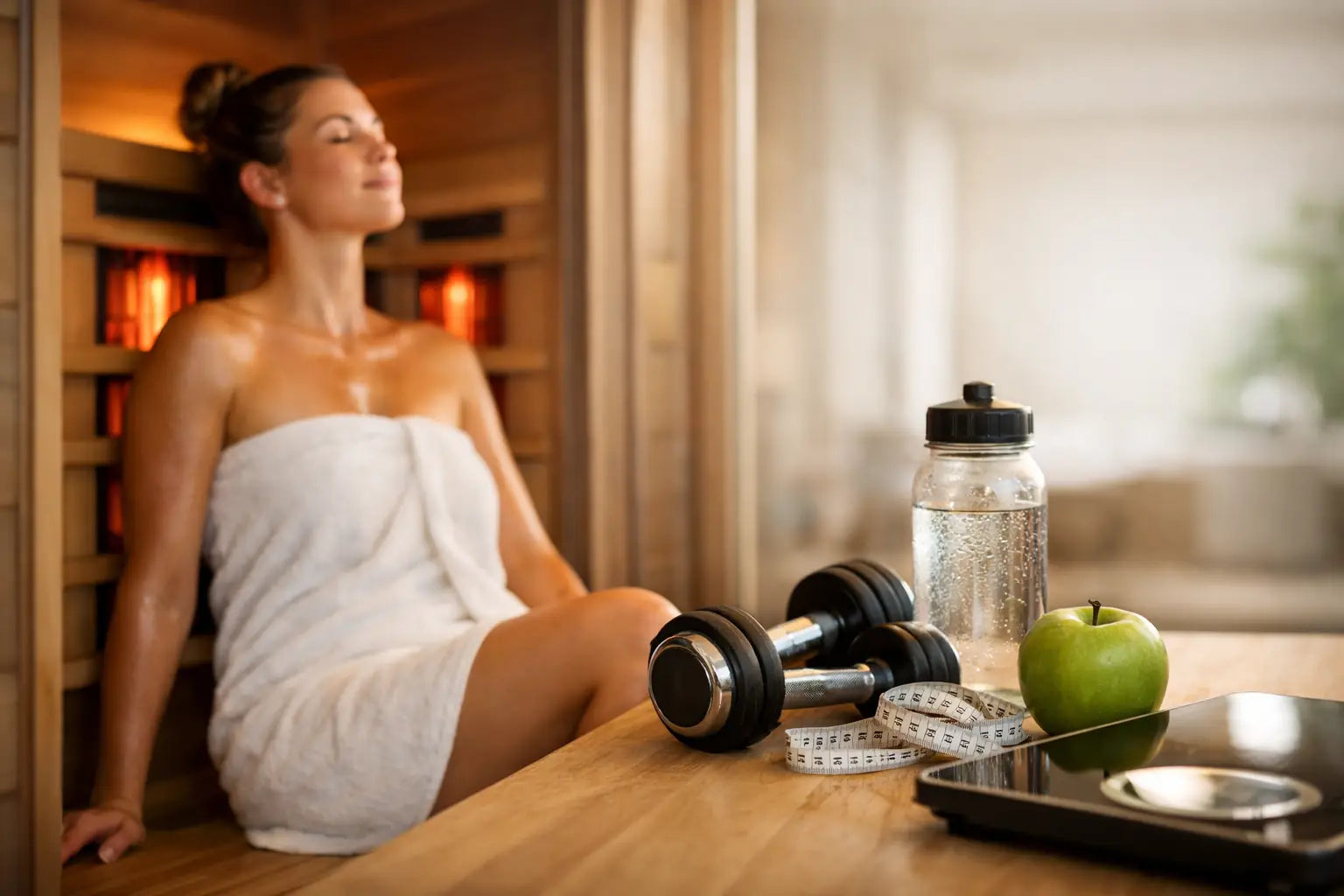
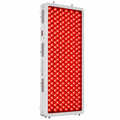
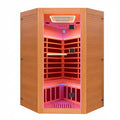
For some people, contrast can also change the result. An infrared sauna session earlier in the evening followed by a brief cold plunge may feel more settling than cold alone. Others do better with red light, breathwork, or simply a warm shower after the plunge. The point is not to stack every modality. The point is to create a rhythm your body recognizes.
That is the larger promise of premium home recovery. It is not novelty. It is access to disciplined repetition. HALOR is built around that idea - recovery practices that feel refined enough for the home and structured enough to keep using.
If you are considering nighttime cold, treat it like any serious wellness tool. Use enough intensity to create a response, not so much that it steals the very thing you are trying to protect. Better sleep rarely comes from doing more. It usually comes from doing the right amount, at the right time, with restraint.