
How to Use Red Light Therapy at Home
A red light panel only works if you use it with enough consistency and enough precision to create a real dose. That is where most people get stuck. They know the benefits, they have heard the claims, but they still want a clear answer to how to use red light therapy in a way that feels practical, safe, and worth the time.
The good news is that the process is simpler than it looks. The better news is that it fits well into a disciplined home recovery routine. When the setup is right, red light therapy can support skin health, recovery, circulation, and overall resilience without adding much friction to the day.
How to use red light therapy without guessing
Start with the basics. Red light therapy uses specific wavelengths of red and near-infrared light to deliver energy to tissues. Red light generally works closer to the surface, which is why it is often used for skin-focused goals. Near-infrared penetrates deeper, making it more relevant for muscles, joints, and broader recovery support.
Using it well comes down to four variables: distance, session length, frequency, and treatment area. Those factors shape the dose your body actually receives. Too little and the session may not do much. Too much is not always better either. With light therapy, there is often a range where the body responds best, and that is why deliberate use matters.
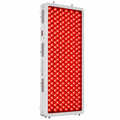
For most home sessions, place yourself roughly 6 to 18 inches from the panel, depending on the device output and the goal. Stronger panels often allow you to stand farther back. Lower-powered devices may need closer positioning or longer sessions. A common starting point is 10 to 20 minutes per treatment area, about 3 to 5 times per week.
If your goal is skin appearance, shorter sessions at a moderate distance may be enough. If you are using near-infrared light for post-training recovery or joint support, you may benefit from slightly longer sessions and consistent exposure over time. The exact settings depend on the device, so manufacturer guidance matters.
Choose the goal before you choose the routine
The most effective way to build a red light practice is to decide what you want it to do. People often use one routine for every objective, then wonder why the results feel vague.
If your focus is skin tone, texture, or fine lines, expose clean bare skin and keep the treatment area consistent. Facial sessions are usually shorter and more targeted. You are not trying to flood the body with time. You are trying to deliver regular, repeatable exposure.
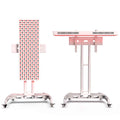
If your goal is workout recovery, soreness, or general muscle support, use the panel on larger areas like the legs, back, or shoulders. This is where full-body or half-body panels become more practical than small spot devices. You can use red light therapy before training as part of activation, or after training as part of recovery. Some people prefer pre-workout sessions for a sense of readiness and post-workout sessions for decompression. It depends on your schedule and how your body responds.
For joint discomfort or localized areas, keep the panel focused on that site and stay consistent for several weeks before judging the effect. Light-based therapies are rarely a one-session story.
Set up your session correctly
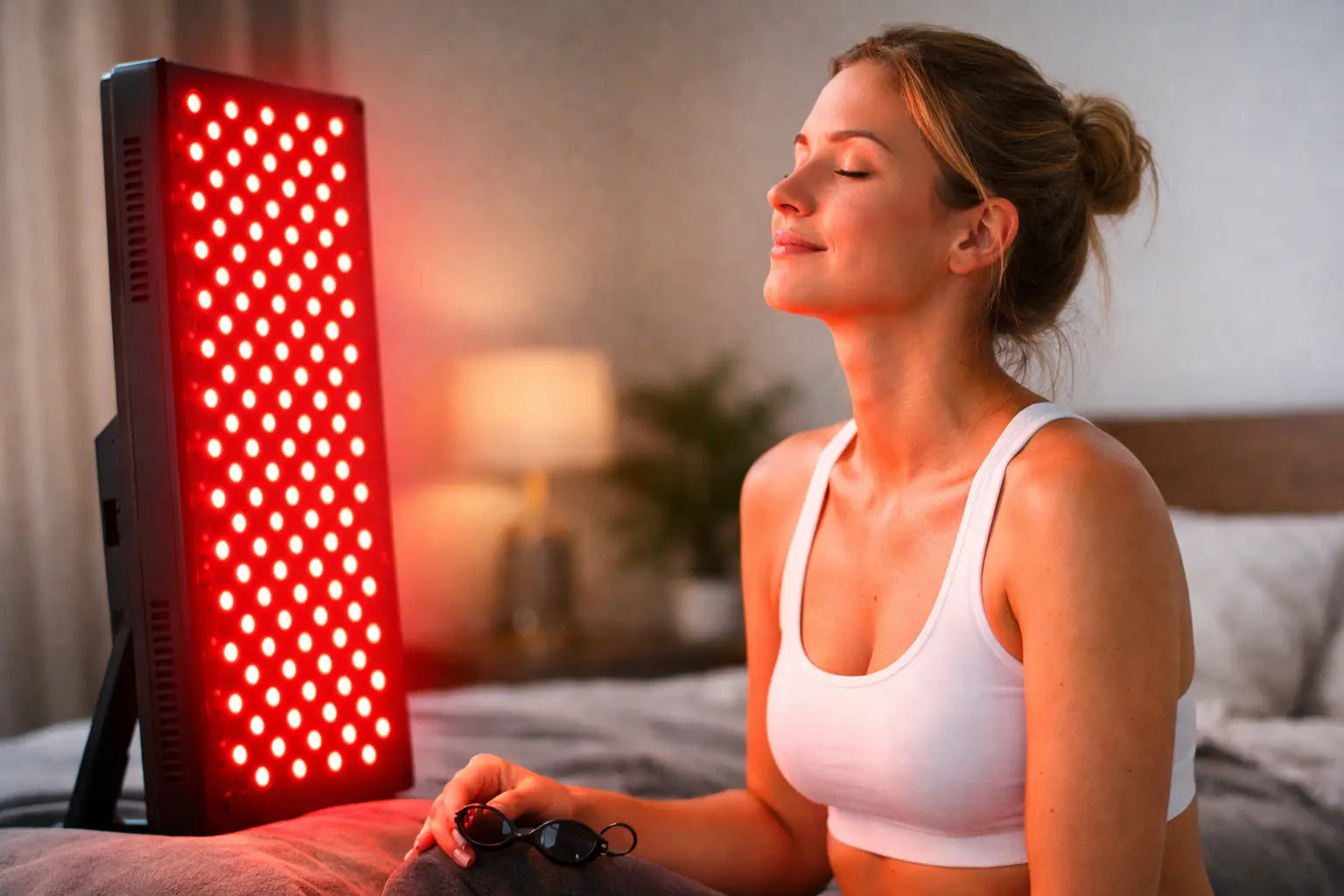
Most people do best with a calm, repeatable setup. Stand or sit so the target area is directly facing the panel. Bare skin is best whenever possible because clothing blocks light. The light does not need to feel hot to be working, and a quality panel should feel comfortable rather than aggressive.
Eye protection depends on the device and the treatment area. If you are treating the body and not staring directly at the LEDs, many users tolerate sessions well. If the light feels harsh, or if the manufacturer recommends goggles, use them. If you are treating the face, closed eyes or proper eye protection are a reasonable precaution depending on brightness and personal sensitivity.
Avoid adding unnecessary products right before the session unless they are specifically intended for light therapy use. Heavy creams, mineral sunscreens, and some cosmetics can create a barrier. Clean, dry skin is the simplest starting point.
Then stay still. The body responds best to a measured dose. Constant movement changes the distance and can make sessions less consistent from day to day.
How often to use red light therapy
Consistency matters more than intensity. That is the principle most people underestimate.
A strong starting rhythm is 3 to 5 sessions per week for 10 to 20 minutes per area. If you are using a full-body panel, your session may cover more than one goal at once, but the same logic applies. Build a schedule you can keep for at least 4 to 8 weeks before making major judgments.
Daily use can make sense for some people, especially with moderate session lengths and well-designed devices. But more is not automatically better. If you notice irritation, unusual sensitivity, headaches, or fatigue after sessions, reduce the duration or frequency and reassess.
The right routine should feel sustainable. A modality that looks excellent on paper but never becomes habit will not do much for long-term recovery or longevity.
Best times of day to use it
There is no single perfect hour, but timing can shape adherence.
Morning sessions work well for people who want structure and a steady start. The ritual pairs naturally with hydration, mobility work, or breathwork. Evening sessions can feel equally effective, especially when the goal is winding down, supporting recovery, or creating a calm transition out of training and screen exposure.
If you are sensitive to bright light late at night, test earlier evening use instead of using it right before bed. Some people feel relaxed afterward. Others feel more alert. The body is individual, and the best protocol is the one that fits your rhythm without creating friction.
Common mistakes that reduce results
One of the most common mistakes is standing too far away from the device. Light intensity drops with distance, so a panel that works beautifully at 6 to 12 inches may deliver a much weaker dose if you drift back across the room.
Another mistake is changing too many variables at once. If you use the panel three times one week, once the next week, and at random distances each time, it becomes hard to tell what is working. Precision creates feedback.
People also expect immediate transformation. Some users do notice early benefits like a sense of warmth, calm, or reduced post-exercise tightness. More visible changes in skin or cumulative recovery usually require regular use over several weeks.
And then there is device quality. Wavelength accuracy, irradiance, treatment area, and build quality all shape the experience. A premium panel is not only about aesthetics. It is about whether the device can deliver a credible dose in a format you will actually use at home.
Building red light therapy into a home longevity routine
Red light therapy works best when it becomes part of a larger system instead of a stand-alone novelty. It fits naturally alongside strength training, mobility work, sauna, cold exposure, and deliberate sleep routines. Each practice supports a different side of the same equation: stress, recovery, adaptation, and long-term capacity.
That is where a home setup becomes powerful. You are not commuting to a clinic and trying to squeeze recovery into someone else’s schedule. You can use the modality when it is most relevant - after a demanding session, during a focused morning routine, or as part of an evening reset. For serious wellness consumers, convenience is not a luxury detail. It is what makes consistency possible.
Brands like HALOR have helped make this shift feel more structured by bringing professional-grade recovery tools into the home with a cleaner user experience and stronger support. That matters more than people think. When the equipment is easy to place, simple to operate, and aligned with the rest of the environment, use goes up.
Who should be cautious
Red light therapy is generally considered low risk, but low risk does not mean thoughtless use. If you have a medical condition, are pregnant, take medications that increase light sensitivity, or are managing an active skin disorder, check with a qualified clinician first. The same applies if you are using the therapy around the eyes or over a specific injury and want a more tailored protocol.
This is also not a substitute for medical care. If pain, inflammation, fatigue, or skin concerns are persistent, unexplained, or getting worse, that calls for proper evaluation.
The strongest red light routine is not complicated. Pick a clear goal, use the right distance, keep sessions consistent, and let the practice earn its place in your week through repetition. When recovery becomes deliberate, results tend to feel less like luck and more like design.