
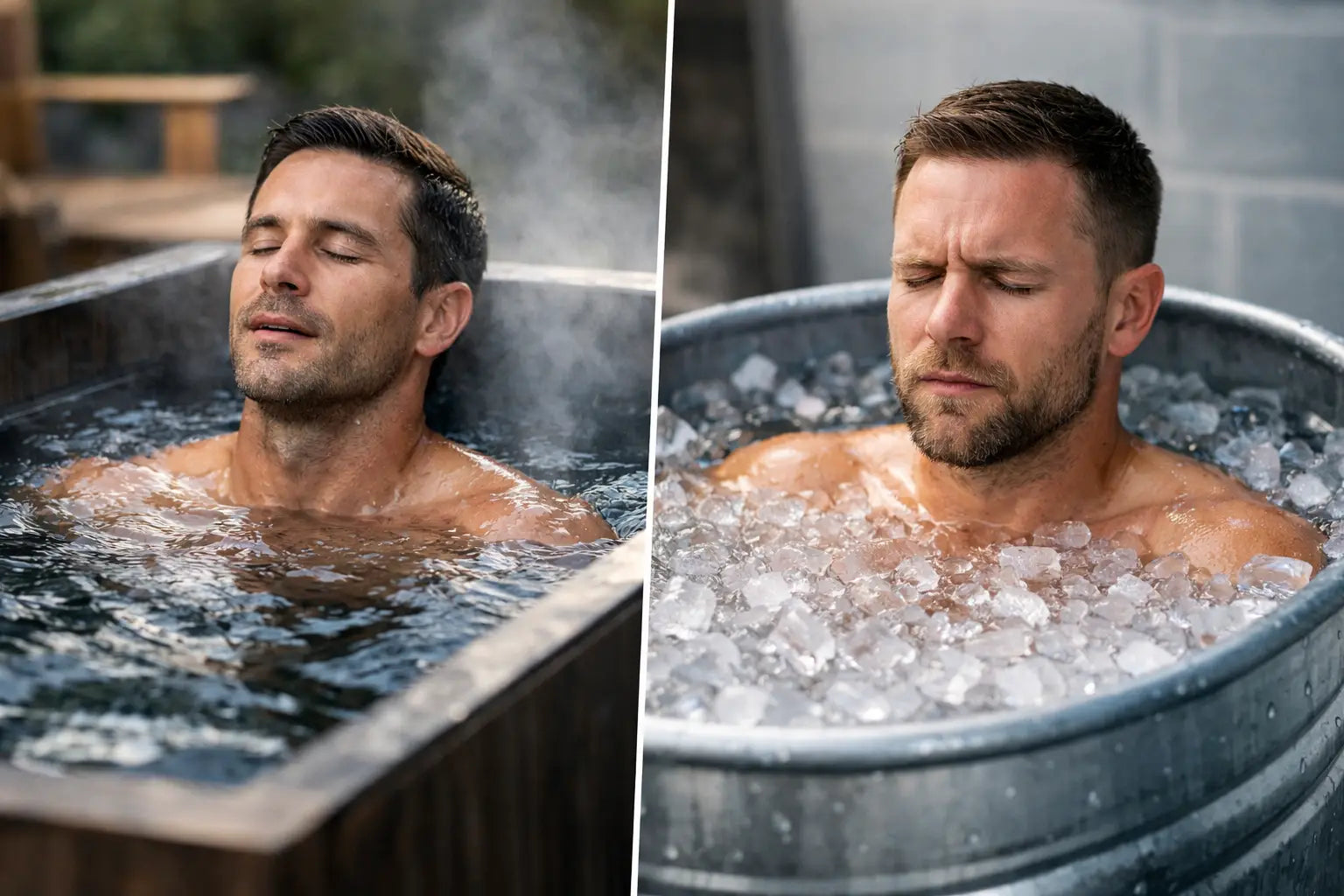
Cold Plunge vs Ice Bath: What Changes?
If you have ever filled a tub with bags of gas-station ice and questioned your life choices halfway through minute two, you already understand the real issue in the cold plunge vs ice bath debate. This is not just about getting cold. It is about consistency, control, and whether a recovery practice can actually hold its place in a disciplined home routine.
Both methods use cold water immersion to create a stress response that may support recovery, alertness, mood, and resilience. But the experience, the precision, and the long-term practicality are not the same. For serious home wellness, those differences matter.
Cold plunge vs ice bath: the core difference
An ice bath is usually a standard tub, barrel, or container cooled with added ice. It is simple, accessible, and often low-cost to start. The trade-off is that temperature can be imprecise, setup is manual, and each session requires effort.
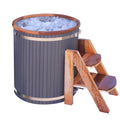
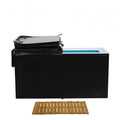
A cold plunge is typically a dedicated system built for repeat use. It cools and circulates water mechanically and often includes filtration, sanitation, insulation, and temperature controls. In practice, that means less friction and more repeatability.
That distinction sounds technical, but it changes behavior. If a method feels chaotic, messy, or time-consuming, people use it less. When a system is always ready, the habit becomes far easier to keep.
Why the distinction matters for results
Cold exposure works through dosage. Temperature, duration, and frequency shape the experience and likely shape the outcome. If your water lands somewhere between 42 and 58 degrees depending on how much ice melted before you got in, your protocol is not especially controlled.
That does not mean an ice bath cannot be effective. It can. But it is harder to repeat the same stimulus week after week. A dedicated plunge gives you a more stable environment, which matters if your goal is measurable recovery practice rather than occasional discomfort.
For athletes and performance-driven users, this is often the turning point. They are not looking for a one-off challenge. They want a repeatable system that fits training, work, and long-term recovery.
Temperature control and consistency
Temperature is where the gap becomes obvious.
With an ice bath, water temperature depends on starting water temperature, room or outdoor conditions, tub size, and how much ice you add. Even if you aim for the same setup each time, the result can drift. In summer, you may need far more ice than expected. In winter, the water may start colder than planned. That variability affects both comfort and compliance.
A cold plunge is designed to hold a target temperature. Many users settle into a defined range based on experience, usually cold enough to produce a strong response without turning every session into a mental battle. That level of control is useful for beginners who want a gentler starting point and for advanced users who want to progress with intention.
There is also a psychological benefit. When you know exactly what you are stepping into, the practice feels deliberate rather than erratic.
Hygiene, filtration, and water quality
This is one of the least glamorous parts of the conversation, and one of the most important.
An ice bath can be perfectly fine if it is drained, cleaned, and refilled often. The problem is that many people underestimate the maintenance. Stagnant water, body oils, sweat, and outdoor debris change the quality quickly. If the system is improvised, hygiene depends entirely on user discipline.
A quality cold plunge often includes filtration and sanitation. That keeps water clearer, reduces odor, and lowers the maintenance burden between sessions. It also changes the feel of ownership. The plunge becomes part of the home, not a temporary recovery experiment taking up space on the patio or in the garage.
For people investing in wellness as a long-term lifestyle, clean water is not a luxury detail. It is part of making the ritual sustainable.
Convenience is not a soft benefit
High performers often underestimate how much convenience drives adherence. The body may respond to cold, but the calendar still decides what gets done.
An ice bath asks you to source ice, prepare the tub, wait for the temperature to settle, and clean up afterward. That may be manageable once a week. It becomes less appealing when used three to five times per week, especially around early training sessions, work travel, or family schedules.
A cold plunge reduces setup to almost nothing. Open, enter, recover, move on. That convenience is not about comfort for its own sake. It protects consistency, and consistency is where home recovery starts to create real value.
Cost: lower entry vs lower friction
On upfront cost, an ice bath usually wins. A tub and a few bags of ice are a modest starting point. If you are cold-curious and simply want to test your tolerance, that simplicity has merit.
But low entry cost is not the full economic picture. Regular ice purchases add up. So does the time spent acquiring, hauling, and managing ice. If you use cold therapy often, the recurring cost and hassle can become surprisingly inefficient.
A dedicated cold plunge costs more initially because it is a purpose-built piece of wellness hardware. What you are paying for is not just cold water. You are paying for temperature control, insulation, filtration, sanitation, durability, and the likelihood that the routine survives beyond the first burst of motivation.
For some households, an ice bath is enough. For others, especially those building a complete home recovery environment, the plunge is the more rational long-term investment.
Comfort, design, and home integration
Neither option is meant to feel cozy. But there is a difference between productive discomfort and avoidable friction.
Improvised ice baths can feel clumsy. Water depth may be inconsistent. Entry and exit may be awkward. The setup may look temporary or visually disruptive in a carefully designed home. For some people, that does not matter. For others, it matters a great deal.
A well-designed cold plunge integrates more naturally into a residential setting. The visual restraint, materials, and footprint are part of the appeal. When equipment feels considered rather than intrusive, it is easier to make it part of daily life.
This is especially true for buyers who want their wellness environment to support calm and focus, not visual noise. A recovery ritual should feel structured.
Which is better for recovery?
The science around cold water immersion is promising but specific. Cold exposure may help reduce perceived soreness and support recovery after intense training. It may also increase alertness and improve mood through a strong activation response. Some people use it for mental clarity as much as physical recovery.
But better results do not come from colder at all costs. More is not always better, and timing matters. Very frequent cold exposure immediately after strength training may not align with every muscle growth goal. If hypertrophy is the priority, some users choose to separate heavy lifting and cold immersion rather than stacking them back to back.
So which is better for recovery, cold plunge or ice bath? If the temperature and duration are comparable, the physiological category is similar. The edge goes to the setup you can use consistently, cleanly, and with enough control to match your goal.
That is why dedicated plunges often win in real-world outcomes. Not because the biology is entirely different, but because the practice is easier to sustain.
Who should choose an ice bath?
An ice bath makes sense if you are experimenting, budget-sensitive, or comfortable with a manual process. It can be a practical entry point for someone who wants to test cold exposure before committing to premium equipment.
It also suits users who do not need frequent sessions and do not mind setup work. If your routine is occasional and flexible, the trade-offs may be perfectly acceptable.
Who should choose a cold plunge?
A cold plunge makes sense if cold therapy is becoming a real part of your recovery strategy, not just a challenge. It is the stronger fit for people who value precision, hygiene, visual integration, and time efficiency.
It is also the better choice for households building a dedicated longevity routine at home. If you want professional-grade recovery without relying on a spa, clinic, or training facility, a plunge delivers that structure. This is where a brand like HALOR fits naturally - bringing performance-driven wellness into the home with the kind of control and support that makes adoption realistic.
The better question to ask
The smartest version of the cold plunge vs ice bath question is not which one sounds tougher. It is which one fits your life closely enough that you will still be using it six months from now.
A routine that is ready, clean, and repeatable tends to outperform a routine that is theoretically effective but practically inconvenient. Cold exposure works best when it becomes deliberate practice - calm entry, controlled breathing, clear exit, repeated over time.
Choose the method that makes that possible, and the benefits have a far better chance of becoming part of your baseline rather than another short-lived wellness experiment.