
How to Choose the Best Red Light Therapy Panel
A red light panel can look nearly identical to another on a product page and perform very differently in a home routine. That is the problem most buyers run into when searching for the best red light therapy panel. The real decision is not just price or size. It is whether the panel delivers the right dose, fits your space, supports consistent use, and feels refined enough to become part of a disciplined recovery practice.
For serious home wellness buyers, that distinction matters. A panel that is too weak, too small, poorly built, or awkward to mount often ends up underused. A better panel does something simpler - it removes friction. It makes the ritual feel calm, repeatable, and worth keeping.
What the best red light therapy panel actually needs to do
The market tends to flatten red light therapy into a single category, but use cases vary. Some buyers want support for skin tone and texture. Others care more about muscle recovery, inflammation, training output, or joint comfort. The best red light therapy panel is the one that matches that goal with enough output and enough coverage to be practical.
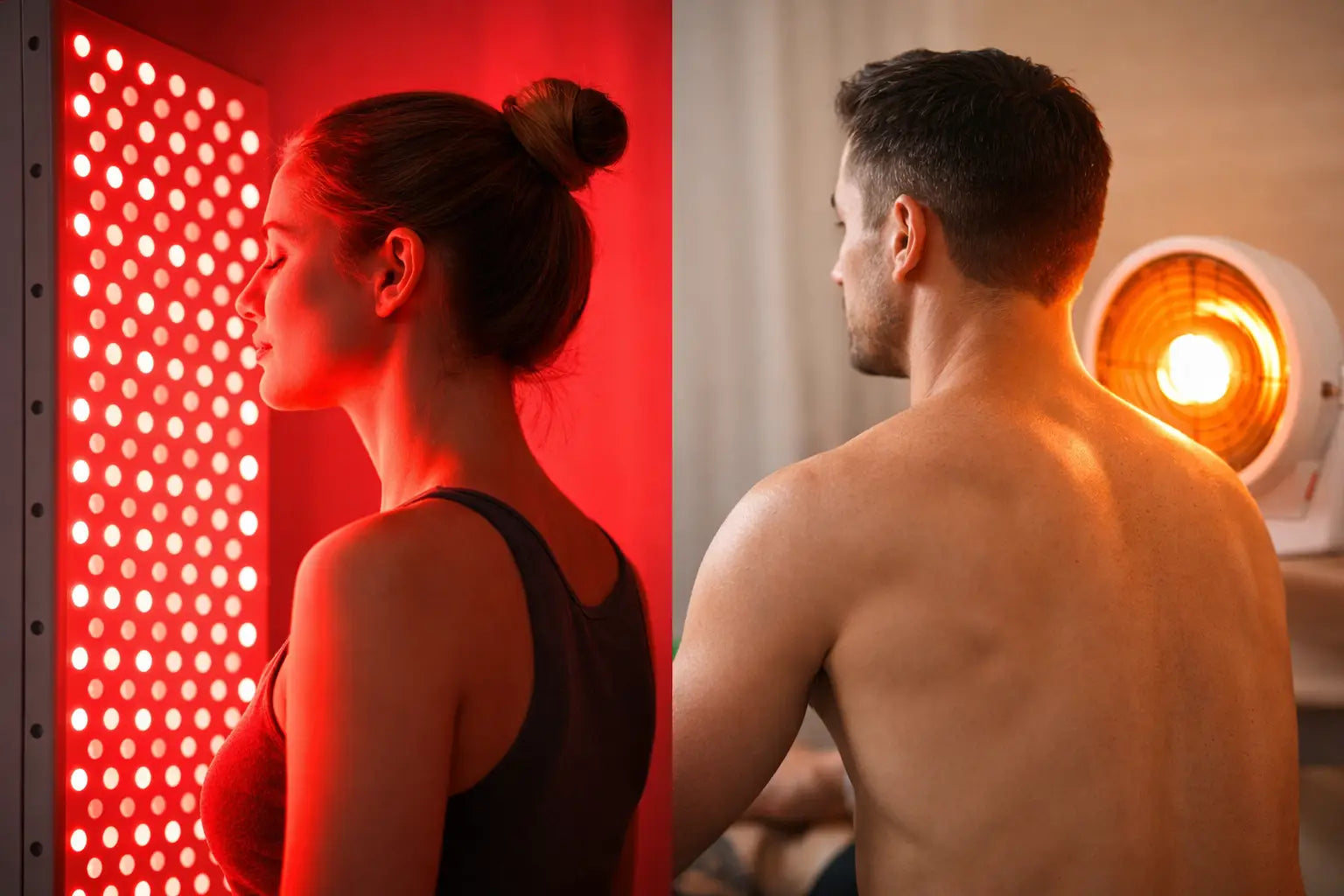
At a high level, red light therapy panels are designed to emit specific wavelengths of light, most commonly in the red and near-infrared ranges. Red light is generally associated with more surface-level applications such as skin appearance, while near-infrared penetrates more deeply and is often favored for recovery and performance routines. Most premium panels combine both because most users are not buying a device for one narrow outcome.
That said, more is not always better. If a panel has every feature on paper but feels overly complicated, loud, harsh in a bedroom or recovery space, or difficult to position, it loses value in real life. Home wellness equipment should support adherence, not create another decision point.
How to evaluate a red light panel without getting lost in specs
Spec sheets matter, but they can also distract from what actually determines the experience. Start with irradiance, panel size, wavelengths, build quality, and setup.
Irradiance matters, but context matters more
Irradiance refers to how much light energy reaches your body at a given distance. This is one of the most important indicators of whether a session will be efficient or frustratingly long. A weak panel may still work, but it often requires longer sessions or very close positioning.
The catch is that irradiance claims are not always presented consistently. Brands may cite measurements at unrealistic distances or in idealized testing conditions. A high number alone should not decide the purchase. What you want is enough output for your intended use at a realistic distance in your home.
For a buyer focused on daily compliance, moderate-to-strong output with clear usage guidance is usually more valuable than inflated maximum claims. Precision beats marketing volume.
Size changes the routine more than most people expect
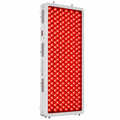
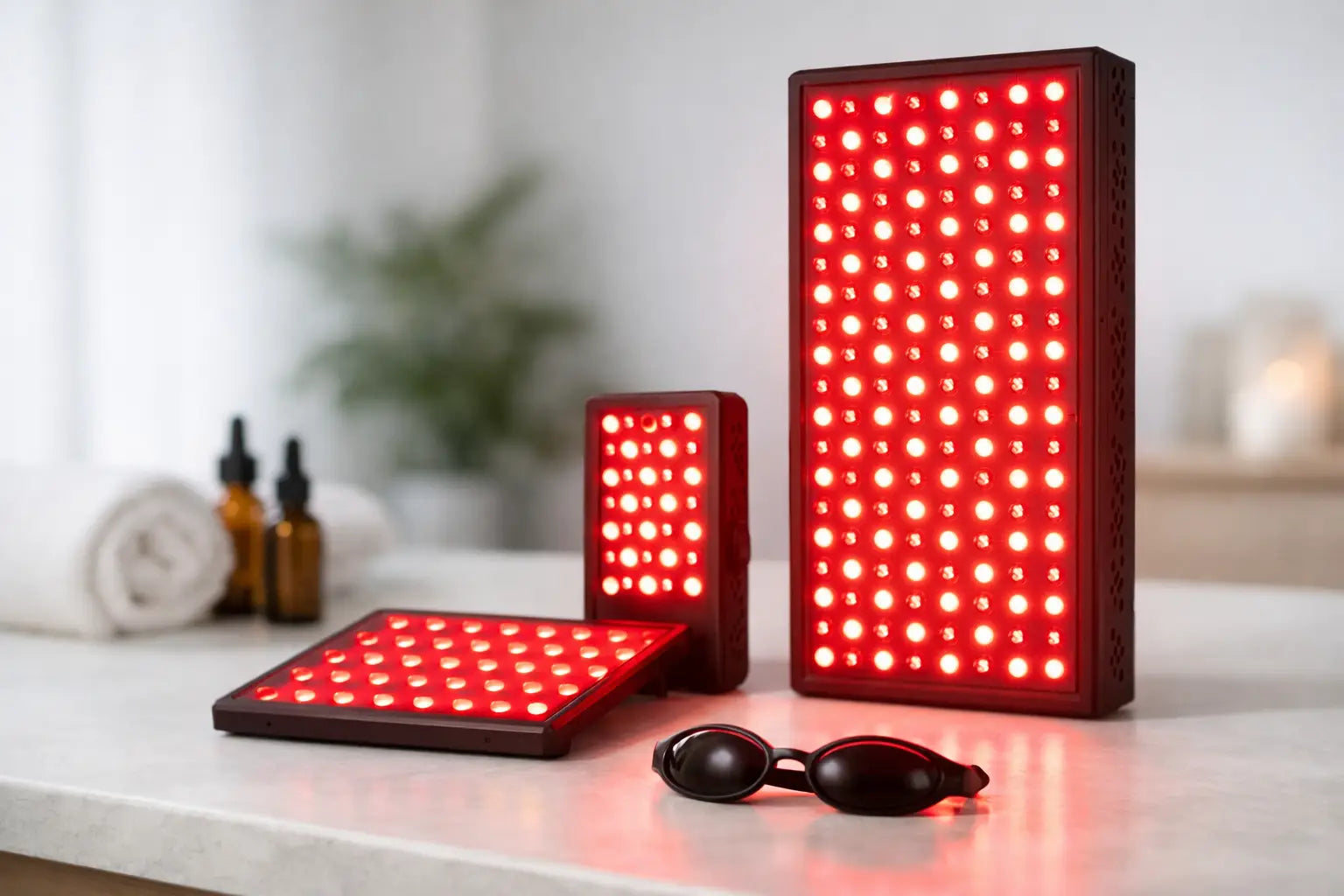
Small panels can be useful for targeted treatments, especially around the face, neck, knees, shoulders, or lower back. But if your goals include full-body recovery, generalized inflammation support, or post-training use, undersizing creates friction fast.
This is where many people make the wrong first purchase. They buy a compact panel to save money, then realize they need to rotate through multiple body areas or stand in awkward positions to get meaningful coverage. That can work for a short trial period. It rarely becomes a long-term ritual.
A larger panel costs more upfront, but it often delivers better value if it reduces session time and increases consistency. For buyers building a serious at-home recovery system, coverage is not a luxury feature. It is part of usability.
Wavelengths should be purposeful, not excessive
Most high-quality panels include red wavelengths in the mid-600 nm range and near-infrared wavelengths in the mid-800 nm range. Those are the ranges most commonly associated with red light therapy use in both skin and recovery contexts.
Some panels advertise numerous wavelengths as if quantity alone signals superiority. In practice, broader wavelength offerings can be useful, but only if the device is engineered well and the output remains meaningful across those ranges. The better question is whether the wavelengths support your goals and whether the brand explains usage with clarity.
For most buyers, a dual red and near-infrared setup is the practical standard. It covers the widest range of use cases without making the system feel overly technical.
The best red light therapy panel for your goals may not be the most expensive one
Premium does not simply mean larger or brighter. It should mean better integration into a home wellness routine.
If your primary focus is skin health, complexion, and facial recovery, a smaller well-designed panel may be enough. If you want support for training recovery, soreness, circulation, and broader body use, a mid-size or full-size panel makes more sense. If multiple people in the household will use it, convenience becomes even more important, and larger formats tend to justify themselves quickly.
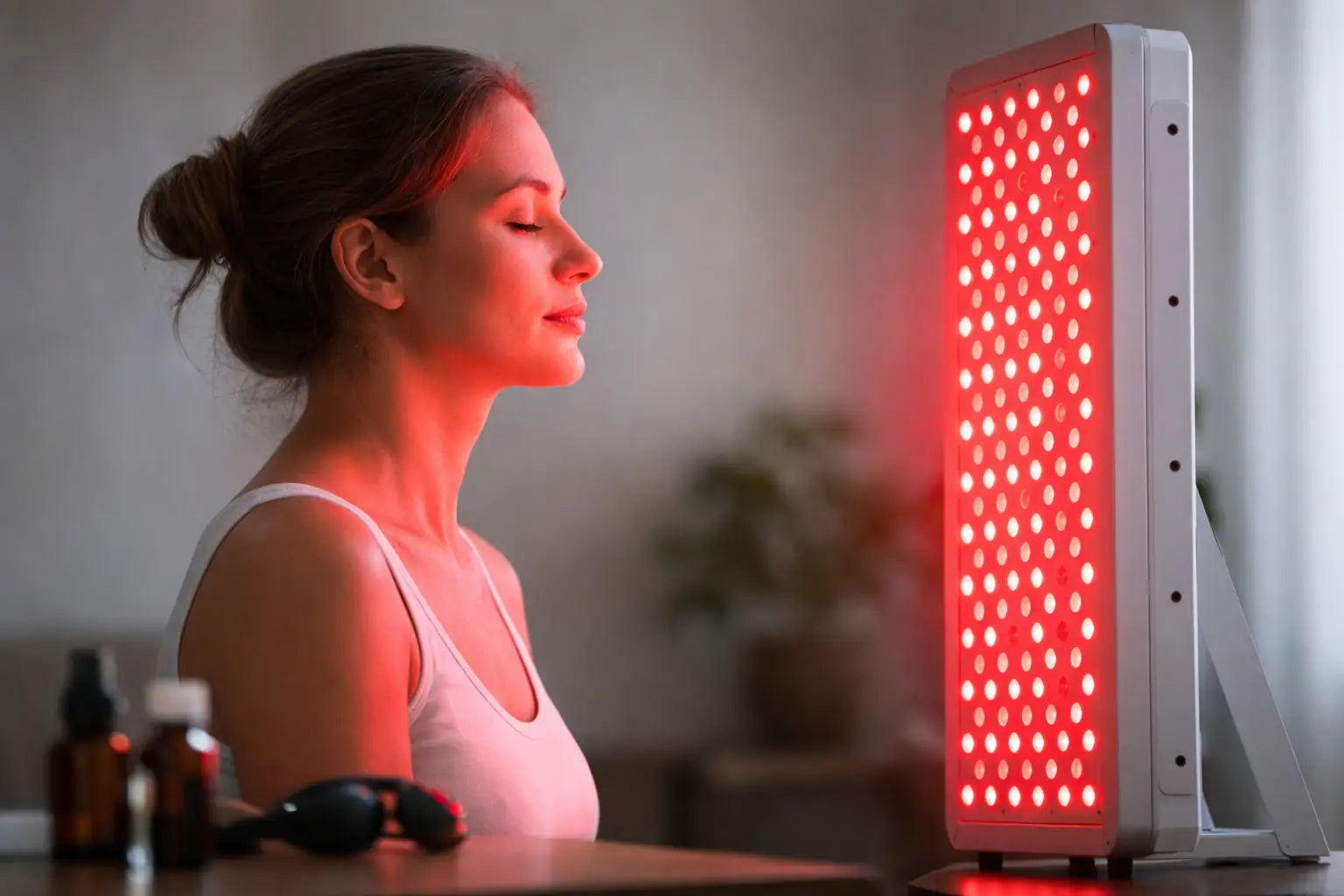
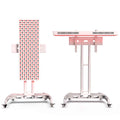
This is also where design enters the conversation. In a clinic, aesthetics are secondary. At home, they shape behavior. A panel that looks clinical in the wrong way, dominates a room, or requires a clumsy stand can interrupt the calm of the space. A cleaner silhouette, intuitive controls, and thoughtful mounting options tend to improve adoption more than flashy extras.
What separates a premium panel from a commodity device
A premium red light panel should feel deliberate from the first session. That includes materials, heat management, stability, noise level, ease of cleaning, and the quality of the stand or mounting system. These details do not sound glamorous, but they affect whether the equipment feels like a serious part of your environment or a temporary gadget.
Service infrastructure matters too. This category is filled with products that appear impressive online but become difficult the moment shipping, damage, setup, or warranty questions arise. For higher-ticket wellness equipment, support is part of the product. Clear delivery expectations, responsive customer care, financing options, and a meaningful home trial reduce purchase risk in a category where trust matters.
That is one reason many buyers gravitate toward curated brands like HALOR rather than chasing the cheapest spec sheet. The panel itself matters, but so does the confidence that it will arrive properly, fit the space, and remain part of the routine beyond week two.
Common mistakes when buying the best red light therapy panel
The first mistake is buying too small for the intended use. The second is overvaluing raw power claims without understanding treatment distance and coverage. The third is treating red light therapy as a standalone miracle instead of part of a broader recovery system.
Red light therapy tends to work best when it is folded into repeatable behavior. Morning exposure before work. Evening use after training. A few sessions each week beside sauna, mobility work, cold exposure, or breathwork. The panel should support that rhythm.
Another common mistake is ignoring comfort. Some users are highly motivated and still stop using their equipment if the light feels overly harsh, if eye comfort is poor, or if setup takes too long. The best panel is not just clinically competent. It is livable.
How to choose the best red light therapy panel for home use
Think in terms of routine design. Ask how often you plan to use it, where it will live, whether you want spot treatment or broad coverage, and how much time you are realistically willing to give each session.
If you want a quick daily protocol with minimal effort, prioritize a larger panel with enough output to treat more of the body at once. If your needs are more localized, a smaller format can still be a smart buy. If the panel will sit in a visible area, choose one that aligns with the space rather than fighting it.
Then look at the ownership experience. Warranty length, trial period, delivery quality, and setup options tell you whether a brand understands premium wellness as a long-term relationship or a one-time sale. In this category, that difference is substantial.
The right panel should feel calm, precise, and easy to return to. Not because motivation is endless, but because a good system respects the reality of home life. When recovery tools are built with that level of intention, they stop feeling experimental and start becoming part of how you maintain energy, clarity, and resilience over time.
If you are deciding between several strong options, choose the one you can picture using three times a week for the next year. That is usually the clearest path to the best result.