
Does Red Light Therapy Work? What to Know
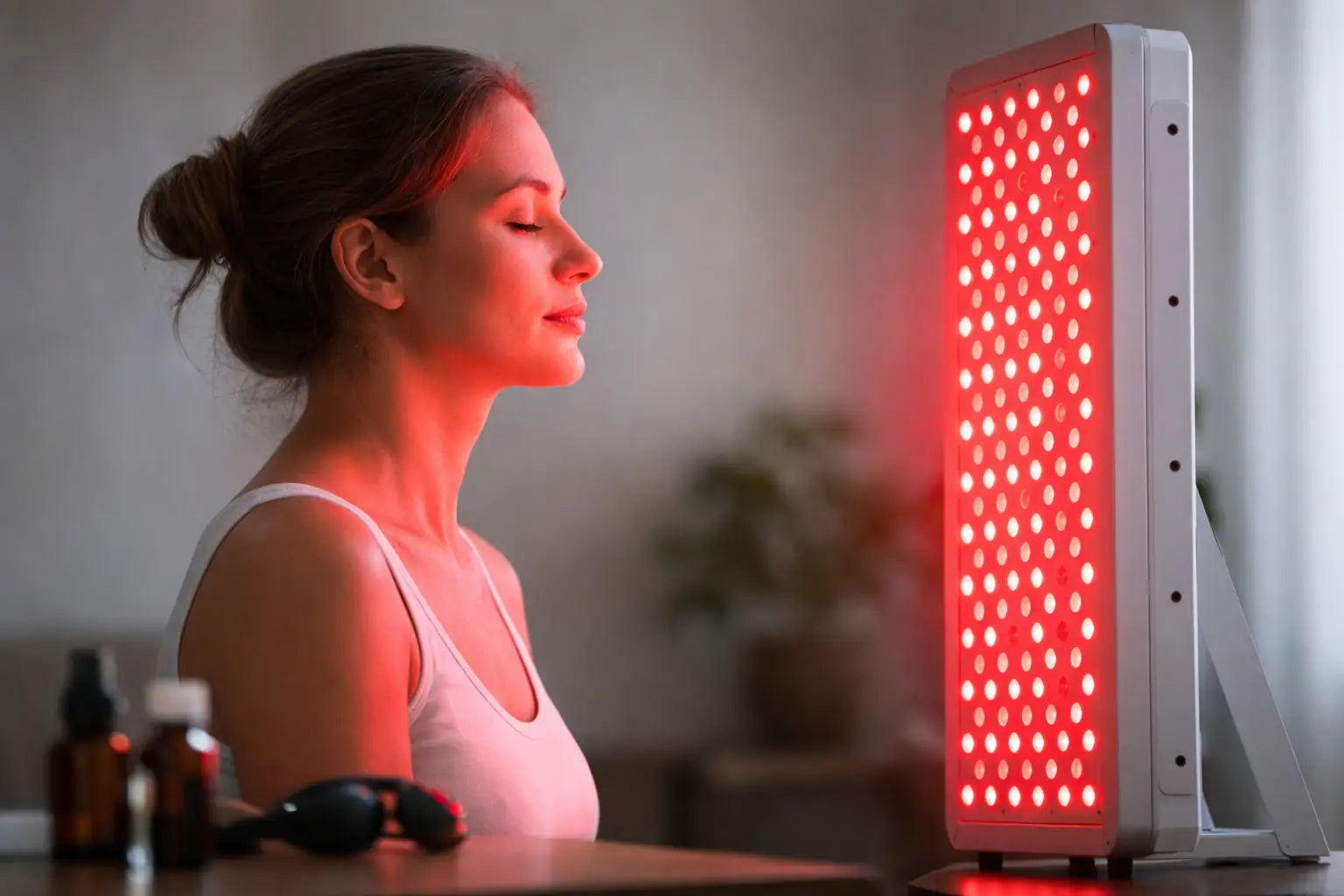
If you have ever stood in front of a red light panel and wondered whether the calm glow is doing anything beyond looking expensive, the question is fair. Does red light therapy work? In some cases, yes - but the real answer depends on what you want it to do, how consistently you use it, and whether the device delivers the right wavelengths and power.
Red light therapy has moved quickly from clinics and training facilities into private homes. That shift has created two problems at once. The first is overstatement, where every panel is framed as a cure-all. The second is confusion, where a legitimate modality gets dismissed because the marketing got ahead of the science. The useful middle ground is more disciplined: red light therapy appears to support certain outcomes, especially skin health, recovery, and inflammation management, but it is not magic, and dosage matters.
Does red light therapy work for real-world results?
The best way to answer that question is to separate mechanism from claims. Red light therapy, often delivered in the red and near-infrared range, is studied for its effects on cellular energy production. The basic idea is that specific wavelengths may be absorbed by components in the mitochondria, which can influence ATP production, oxidative stress, and signaling pathways tied to repair and inflammation.
That mechanism is plausible, and there is meaningful research behind it. But plausible is not the same as universal. You can find stronger evidence for some uses than others. Skin rejuvenation, wound healing support, temporary pain relief, and exercise recovery are among the more credible use cases. More sweeping claims around hormones, dramatic fat loss, or total-body transformation deserve more caution.
For a performance-driven audience, this matters. A modality does not have to do everything to be worth using. If it can improve recovery quality, support skin health, and help you maintain a more deliberate routine, that is already valuable. Serious wellness is rarely built on one intervention. It is built on compounding practices.
Where the evidence is strongest
Skin health and visible aging
This is one of the clearest applications. Red light therapy has been studied for collagen support, skin texture, and the appearance of fine lines. Results tend to be gradual, not dramatic overnight shifts. Users who stay consistent for several weeks often report changes in tone, smoothness, and post-workout or post-sun irritation.
Near-infrared wavelengths may also support deeper tissue effects, while visible red light is commonly discussed for surface-level skin concerns. A quality device often uses both because skin health and tissue support are not entirely separate goals.
Recovery, soreness, and training load
Athletes and active adults often look to red light therapy for one reason: recovery that feels easier to repeat. Some studies suggest benefits for muscle fatigue, soreness, and exercise-related inflammation. This is where red light therapy fits naturally into a home performance routine. It is not a replacement for sleep, protein, smart programming, or mobility work. It may help those inputs work better together.
The practical advantage is consistency. A clinic-based protocol is only useful if you keep showing up. At-home access changes that. When recovery tools live where your routine already happens, adherence improves.
Pain and inflammation support
There is also evidence that red light therapy may help reduce certain types of pain and inflammatory symptoms. Joint discomfort, soft tissue irritation, and general stiffness are common reasons people use it. That does not mean it resolves the underlying cause of pain. It means it may support symptom relief and tissue recovery in a broader plan.
For many people in their 30s, 40s, and 50s, that is the real standard. Not perfection. Better movement. Less friction. More readiness.
Where expectations should stay measured
Some of the weakest consumer decisions happen when people buy a panel for the wrong promise. If you are expecting red light therapy to replace medical care, erase chronic disease, or force major body composition changes without nutrition and training discipline, you will likely be disappointed.
The same applies to mental performance claims that are framed too broadly. There is emerging interest in light exposure and cognitive function, but the evidence is not clean enough to present red light therapy as a guaranteed focus or mood intervention. The responsible answer is that research is evolving, and outcomes may depend on protocol, device design, and individual variability.
This is not a flaw in the modality. It is a reminder to match the tool to the job.
Why some people say it works and others say it does not
Usually, the gap comes down to one of four things: device quality, dosage, consistency, or target outcome.
Device quality is the first filter. Not every red light product on the market delivers clinically relevant wavelengths or enough irradiance to be useful. A panel can look polished and still underperform. That matters because light therapy is not just about color. It is about wavelength precision and energy delivered at a usable distance.
Dosage is the second issue. More is not always better. Too little may do very little, while too much may reduce the benefit or irritate sensitive skin. Good devices and good protocols help narrow that margin.
Consistency is the third variable. Most visible benefits come from repeated use over time. A few sessions are not a real test. Think in weeks, not days.
Then there is target outcome. If someone uses red light therapy for mild soreness or skin quality, they may notice clear improvement. If they use it expecting immediate fat loss or a complete fix for long-term pain, they may say it failed. Both reactions can come from the same device.
How to tell if a red light therapy device is worth using
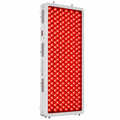
If you are investing in a home system, the panel should do more than fit the aesthetic of a clean recovery space. It should be built around specifications that support actual use.
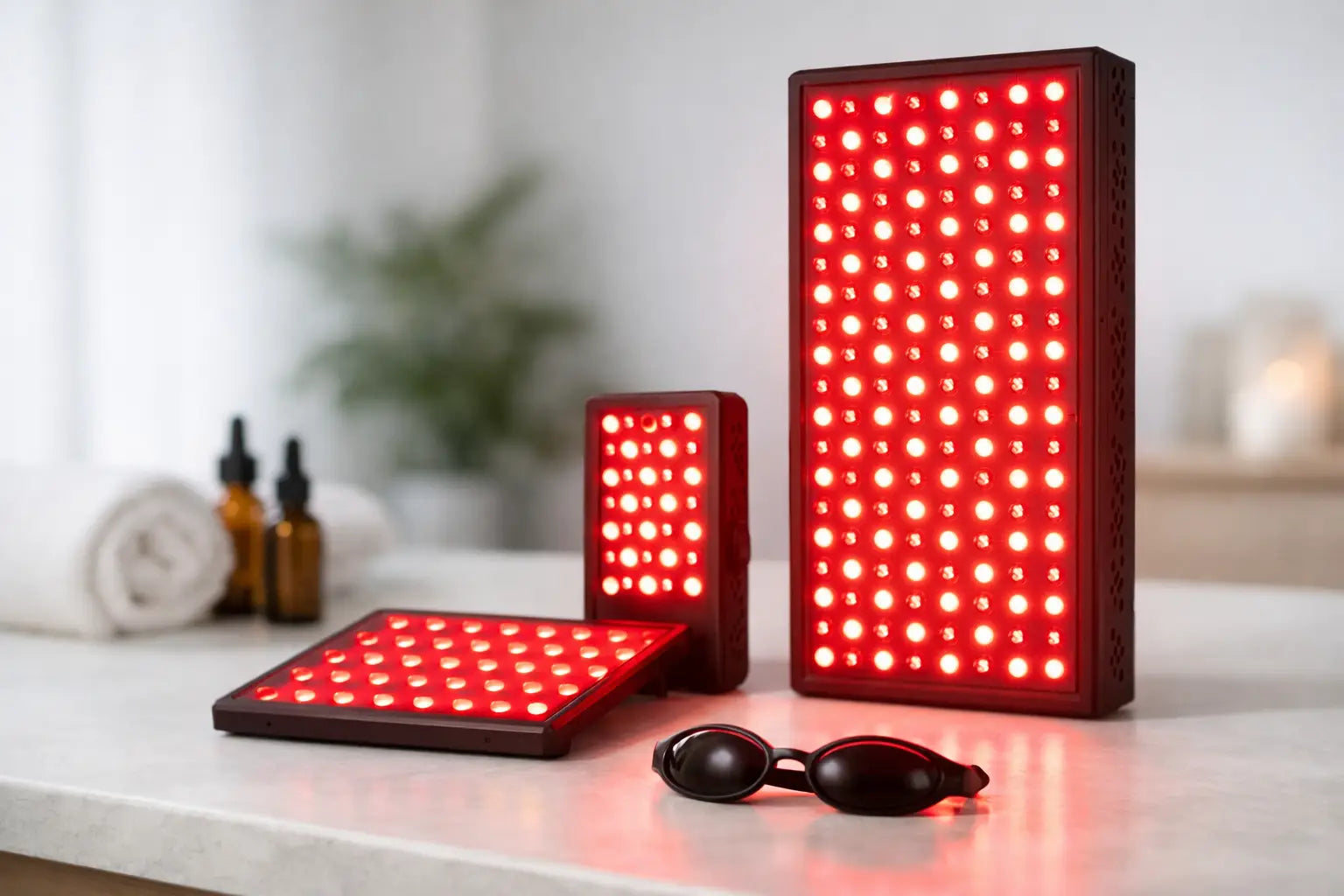
Look first at wavelength ranges. Red light around the mid-600 nanometer range and near-infrared around the mid-800 range are commonly used and widely discussed in the literature. You also want clarity around irradiance, treatment distance, session guidance, and build quality. Vague language is usually a warning sign.
Coverage matters too. A small device may be fine for the face or a specific joint, but full-body or larger-format panels make more sense if your goals include broad recovery support. Convenience matters in a premium wellness routine. If setup is awkward or treatment takes too long, use tends to fade.
This is where product curation matters. The best home wellness equipment reduces friction. It integrates into a repeatable environment, feels stable enough for long-term use, and is backed by support that matches the price point.
How to use it for better odds of success
Most people get more from red light therapy when they keep the routine simple. A few sessions per week, done consistently, usually beats irregular use with perfect intentions. Session length and distance should follow the device guidance, because effective treatment depends on both.
Morning use can pair well with a performance-focused rhythm, especially for people who like structured recovery before work or training. Evening use may feel calming for others, particularly when it becomes part of a low-stimulation wind-down. The right time is the time you will actually repeat.
Tracking helps. Not obsessively, but enough to notice patterns. Pay attention to skin changes, soreness, readiness, sleep quality, and pain levels over four to eight weeks. Red light therapy often works as a subtle multiplier rather than a dramatic event. The signal shows up in how you feel across a month of training and recovery, not just after one session.
Does red light therapy work better as part of a system?
Usually, yes. Recovery modalities perform best when they are not expected to carry the entire load. Red light therapy works more convincingly when paired with fundamentals like sleep, strength training, protein intake, hydration, mobility work, and metabolic health habits.
That is also why high-performance consumers increasingly build wellness environments at home rather than collecting isolated gadgets. A thoughtful setup creates rhythm. Cold exposure, sauna use, breathwork, strength training, and red light therapy all ask for consistency. When those tools are close at hand, routine becomes easier to protect.
HALOR’s approach to home recovery reflects that shift. The goal is not novelty. It is deliberate practice, supported by equipment that feels clinically grounded, visually calm, and practical enough to use on a Tuesday morning before a full day.
So, does red light therapy work? Yes, for the right goals and with the right expectations. It can support skin quality, recovery, and inflammation management in a way that feels tangible over time. But it works best when you treat it like a disciplined input, not a miracle. Choose a device built around real specifications, use it consistently, and let the results earn your confidence through repetition.