
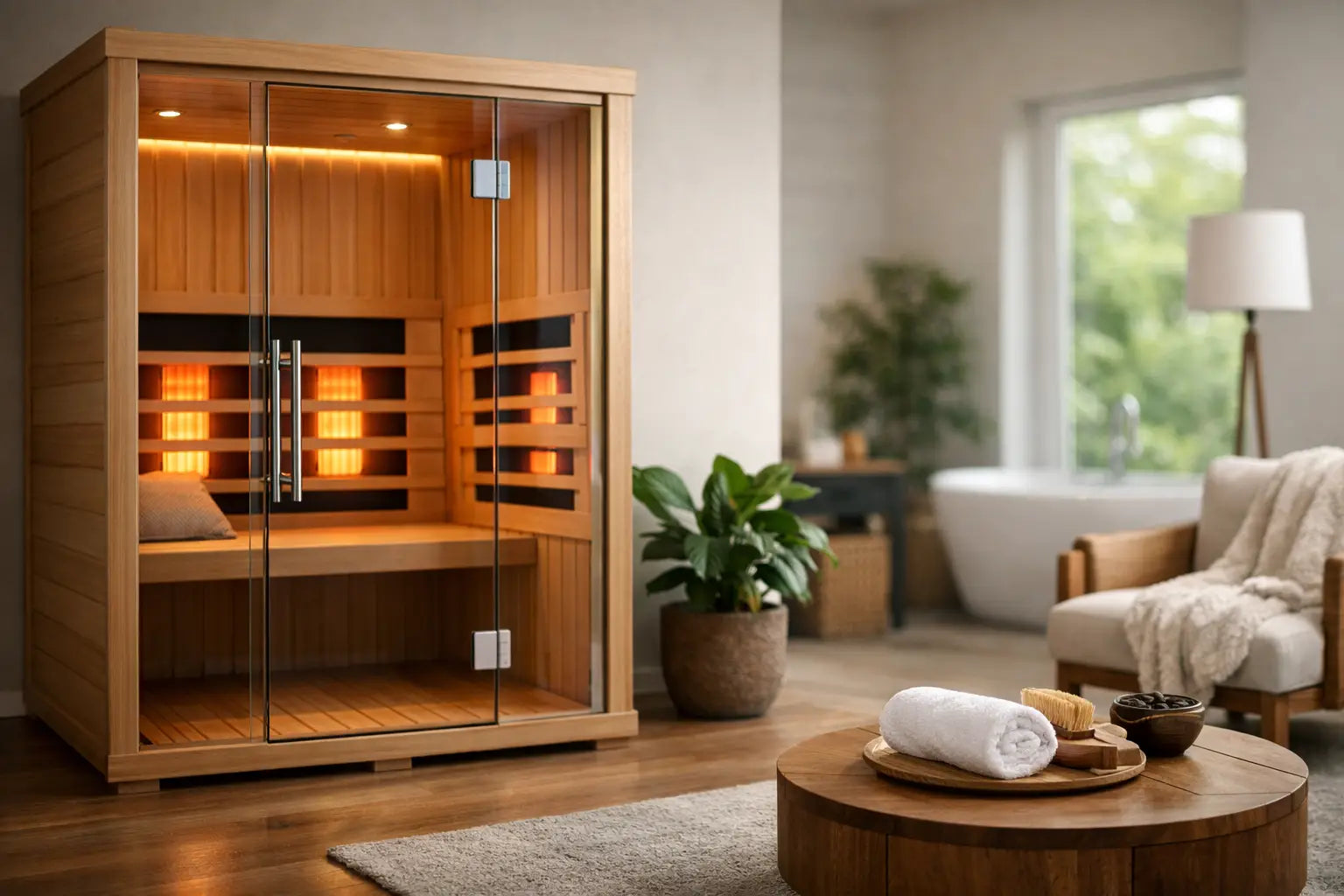
How to Choose Infrared Sauna for Home
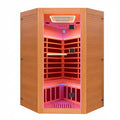
A premium infrared sauna can look similar on a product page and feel completely different once it is in your home. The gap usually comes down to the details - heat quality, interior space, material integrity, electrical requirements, and the level of support behind the purchase. If you are wondering how to choose infrared sauna models with confidence, start by thinking less about trends and more about fit: your routine, your space, your recovery goals, and how often you will actually use it.
The best sauna is not the one with the longest feature list. It is the one that delivers consistent heat, feels calm to sit in, integrates cleanly into your home, and holds up over time. For most buyers, that means balancing performance with design, and specifications with ownership experience.
How to choose infrared sauna based on your goals
Before comparing wood types or heater panels, clarify why you want one. Infrared saunas are often used for relaxation, post-training recovery, circulation support, sweat-based detox routines, and stress reduction. Some buyers want a daily 20-minute reset before work. Others want a dedicated recovery tool after lifting, running, or cold exposure.
Your goal affects the right setup. If your main priority is solo recovery and consistency, a one- or two-person unit may be enough. If you want to share sessions with a partner or create a ritual the family will actually use, sizing up may be the better decision. If you care most about fast, intense heat, heater design and power output matter more than entertainment features or decorative upgrades.
This is also where budget should be framed correctly. A lower upfront price can become expensive if the sauna underperforms, degrades quickly, or creates installation problems. In this category, value is tied to repeat use. The more often you step in, the better the investment looks.
Understand the heater type before anything else
Not all infrared saunas produce heat in the same way. This is one of the most important filters when deciding how to choose infrared sauna models that match your preferences.
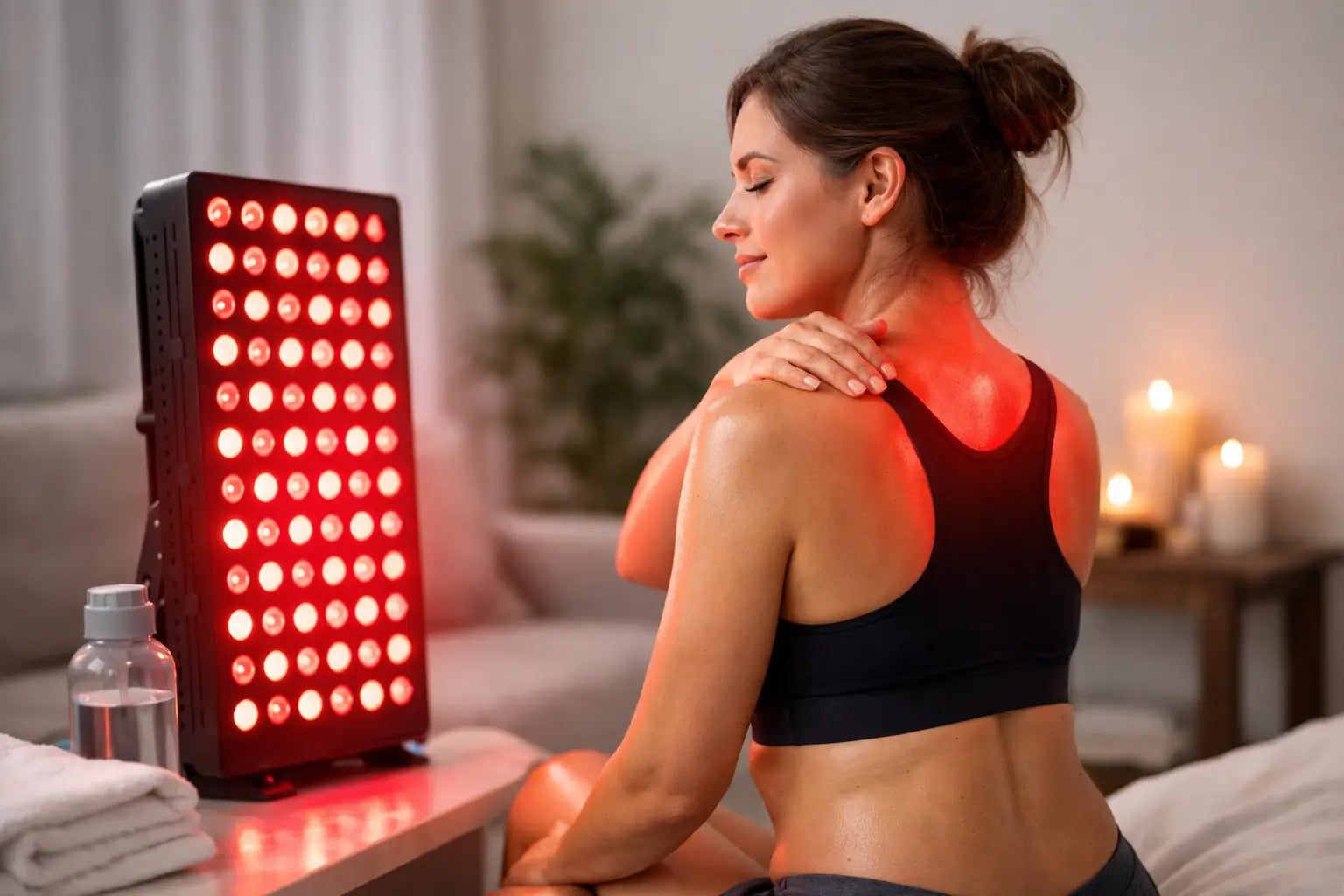
Far infrared is the most common in residential units. It is typically chosen for gentle, penetrating heat and a lower ambient temperature than a traditional sauna. Many buyers prefer it for longer, more comfortable sessions.
Some units use full-spectrum heating, which aims to include near, mid, and far infrared wavelengths. This appeals to buyers who want broader modality coverage, but the quality of execution matters. Full-spectrum can sound impressive in marketing, yet actual comfort, panel placement, and temperature consistency are what determine whether it performs well.
Carbon heaters and ceramic heaters are another distinction. Carbon panels tend to provide more even, softer heat across a larger surface area. Ceramic elements often heat up quickly and can feel more intense, though sometimes less uniform. Neither is automatically better. It depends on whether you want steadier ambient comfort or sharper, direct heat.
If possible, focus on how the sauna delivers heat across the body rather than chasing technical language alone. A well-designed system should warm the space predictably, avoid harsh hot spots, and support a session you want to repeat several times a week.
Size matters, but usable space matters more
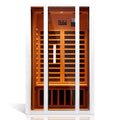
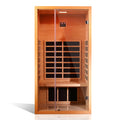
A two-person sauna is not always comfortable for two adults. Product dimensions can be misleading, especially when bench depth, door swing, legroom, and heater placement are not considered.
Think about how you will actually sit. Do you want to stretch your legs? Sit upright after a workout? Use it alone with room to breathe? A compact footprint may save floor space, but if the interior feels tight, usage tends to drop. Comfort is not a luxury feature here. It is part of compliance.
Measure the room carefully, including ceiling height, wall clearance, and access through hallways or stairwells. Premium units are substantial, and delivery logistics matter. Placement near a dedicated outlet may also shape your options. For many buyers, the right decision is not the largest sauna they can afford. It is the one that fits the room cleanly and feels natural to use without friction.
Materials should support both health and longevity
The cabin material affects more than appearance. It influences durability, interior smell, heat retention, and the overall sensory experience.
Look for quality woods commonly used in sauna construction, such as hemlock or cedar, depending on your preference. Cedar has a more distinct aroma and natural character. Hemlock tends to offer a cleaner, more minimal finish that suits modern interiors. If you are sensitive to scent, that distinction matters.
Equally important is what you do not want inside the cabin. Lower-grade adhesives, finishes, or composite materials can compromise the experience, especially in a heated enclosed space. A premium sauna should feel clean, stable, and deliberate at every surface.
This is where craftsmanship becomes visible. Tight joins, solid benches, tempered glass, and a refined finish are not just aesthetic details. They signal how the product is built to age.
Power, voltage, and heat-up time are practical filters
One of the fastest ways to narrow your options is to confirm your home's electrical reality. Some infrared saunas run on standard 120V power, while others require 240V service. A stronger electrical setup can support larger units and faster heat performance, but may require an electrician.
That trade-off is worth understanding early. A plug-and-play unit may be simpler to install, but a larger 240V sauna often delivers stronger, more consistent heat for serious users. Neither is the universal right answer. The right answer depends on your home, your tolerance for preheating time, and how performance-driven your usage will be.
Ask about operating temperature range and warm-up expectations. Fast heat-up is convenient, but consistency matters more than peak numbers on a spec sheet. A sauna that reaches a high temperature unevenly is less useful than one that settles into a stable, comfortable session.
Low EMF and safety claims deserve a closer look
Most premium sauna shoppers will encounter low EMF or ultra-low EMF language. It is a legitimate consideration, but also an area where marketing can become loose.
Ask how the measurement was taken, at what distance, and under what operating conditions. Numbers without context do not mean much. The same goes for claims around non-toxic materials, safety certifications, and heater output. Reputable brands should be able to speak clearly about testing and construction standards.
This does not mean you need to become an engineer before buying. It means you should favor precision over hype. In a category built on wellness, credibility matters.
Interior comfort is what turns a purchase into a ritual
The specification sheet gets the sale. The interior experience drives long-term use.
Pay attention to bench design, backrest angle, lighting, control placement, and airflow. A sauna can be technically strong and still feel awkward if the controls are clumsy or the seating is rigid. On the other hand, a well-designed cabin creates stillness quickly. You step in, settle, and stay.
Features like chromotherapy lighting, Bluetooth audio, or touchscreen controls can be nice, but they should not distract from the fundamentals. If adding features compromises layout or build quality, skip them. Calm, comfort, and consistency are more valuable than novelty.
For design-conscious buyers, the exterior matters too. A sauna is a permanent visual object in your home, not a hidden appliance. The best units feel architectural and quiet, not bulky or overly technical.
Ownership experience is part of the product
When buying high-ticket wellness equipment, the service model matters almost as much as the sauna itself. This is where many shoppers underestimate the decision.
Ask what delivery includes. Will the unit be dropped at the curb, brought inside, or professionally installed? What happens if a panel arrives damaged? How responsive is support after purchase? Is there a meaningful warranty, and who stands behind it?
A premium sauna should come with premium reassurance. White-glove delivery, in-home installation options, financing, a real trial period, and responsive customer support reduce friction before and after the sale. For a product intended to support long-term recovery, confidence in ownership is part of the value equation. Brands such as HALOR have built around that expectation because serious buyers want the equipment and the infrastructure behind it.
A practical way to make the final decision
If you are comparing several models, narrow them using five filters: heater quality, interior comfort, material integrity, electrical fit, and support after purchase. That will usually tell you more than a long list of secondary features.
Then ask one final question: Will this sauna fit the rhythm of your life? A beautiful unit that overheats the room, requires an inconvenient install, or feels cramped after ten minutes will not become a habit. A well-chosen infrared sauna creates a repeatable space for recovery, focus, and stillness at home.
Choose the one you will return to without resistance. That is usually the right one.