
How to Start Cold Plunging With Control
The first seconds are not about toughness. They are about control. When your body meets cold water, your breathing quickens, your heart rate rises, and every instinct suggests stepping back out. Learning how to start cold plunging means learning to meet that response with calm, deliberate breath rather than brute force.
For high performers, cold exposure can become a useful recovery ritual: a defined interruption that creates stillness, sharpens attention, and asks you to practice composure under manageable stress. The value is not in chasing the coldest temperature or the longest session. It is in building a repeatable protocol that fits your training, sleep, and long-term health priorities.
Start With the Right Expectation
Cold plunging is a form of acute cold-water immersion. It may support alertness, mood, and a subjective sense of recovery, while repeated exposure can improve your tolerance to the initial cold shock response. Research around exercise recovery is more nuanced. Cold water can reduce soreness after demanding sessions, but frequent use immediately after resistance training may blunt some of the muscle-building signals you are training for.
That trade-off matters. If your primary goal is endurance recovery, tournament readiness, or relief after an unusually demanding training block, cold exposure may be especially useful. If hypertrophy and strength adaptation are the priority, consider separating your plunge from resistance training by several hours or reserving it for rest days and high-fatigue periods.
Treat the practice as one tool in a larger recovery system. Consistent sleep, adequate protein, hydration, intelligent training volume, and stress management will always carry more weight than a few minutes in cold water.
Before You Begin, Clear the Safety Baseline
Cold immersion creates a real cardiovascular demand. The initial gasp response can elevate breathing, blood pressure, and heart rate. That is precisely why a measured entry and a stable setup matter.
Speak with a qualified clinician before starting if you have cardiovascular disease, uncontrolled high blood pressure, a history of fainting or arrhythmia, Raynaud's phenomenon, circulation disorders, respiratory conditions triggered by cold, or if you are pregnant. The same applies if you take medication that affects heart rate or blood pressure. Do not use a cold plunge while under the influence of alcohol or recreational drugs.
Never plunge alone when you are new to the practice. Avoid breath-holding contests, hyperventilation, and any attempt to make the experience more extreme. Keep your phone accessible, use a stable step or entry point, and have a warm, dry layer ready for when you exit.
How to Start Cold Plunging: Your First Two Weeks
The most effective beginner protocol is almost always more conservative than people expect. Start at a temperature that feels clearly cold but not punishing, then progress through consistency rather than intensity.
Begin warmer than the highlight reel
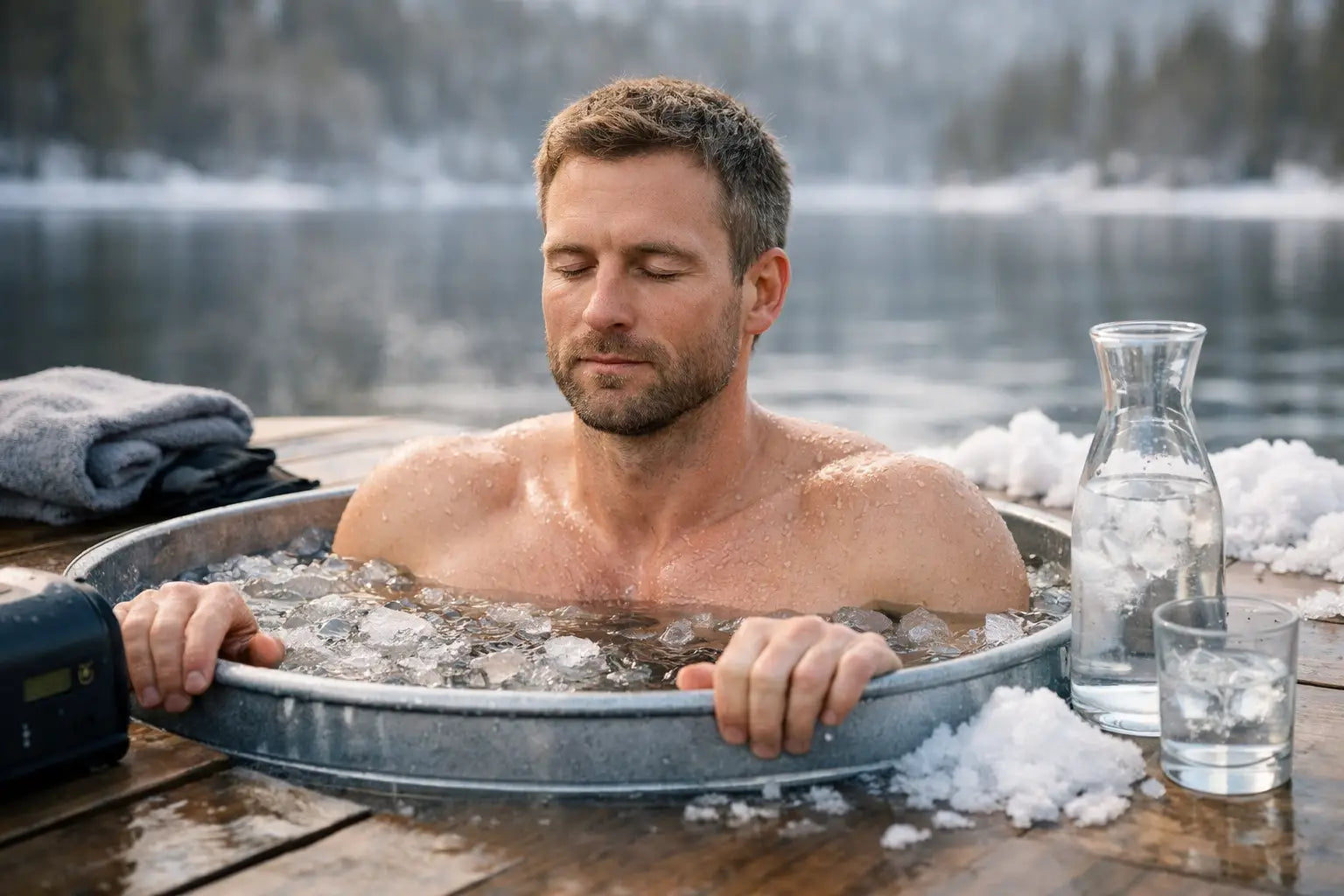
Set the water between 55 and 60 degrees Fahrenheit for your first few sessions. This range is cold enough to create a noticeable physiological response without forcing an unnecessarily aggressive entry. If you only have access to a cold shower, begin there. A shower gives you less uniform exposure, but it is a practical way to familiarize yourself with the sensation and breathing response.
For the first week, aim for 30 to 60 seconds, two or three times total. Enter slowly, keeping your head above water. Once you are settled, focus on a long exhale. Try inhaling gently through the nose for three to four seconds and exhaling for five to six seconds. You are not trying to eliminate discomfort. You are showing your nervous system that discomfort does not require panic.
During week two, progress to 60 to 90 seconds at the same temperature, or lower the water modestly to 50 to 55 degrees. Change one variable at a time. Do not make the water colder and extend the session in the same week.
Build toward a sustainable working range
After two weeks of consistent, controlled sessions, many people can work comfortably in the 45 to 55 degree range for two to three minutes. This is a productive range for a home cold plunge routine. It is cold enough to demand presence, yet practical enough to repeat without turning recovery into an ordeal.
There is no universal ideal temperature or duration. Body size, cold tolerance, room temperature, training load, and medical history all affect the right prescription. A smaller person or someone with lower body fat may need less exposure than a larger person. The session should finish with you feeling alert and composed, not numb, dizzy, or depleted.
Three to four sessions per week is ample for most beginners. Daily use can work for experienced users, but more is not automatically better. Leave room to observe how your sleep, mood, training performance, and recovery respond.
Make the Entry Deliberate
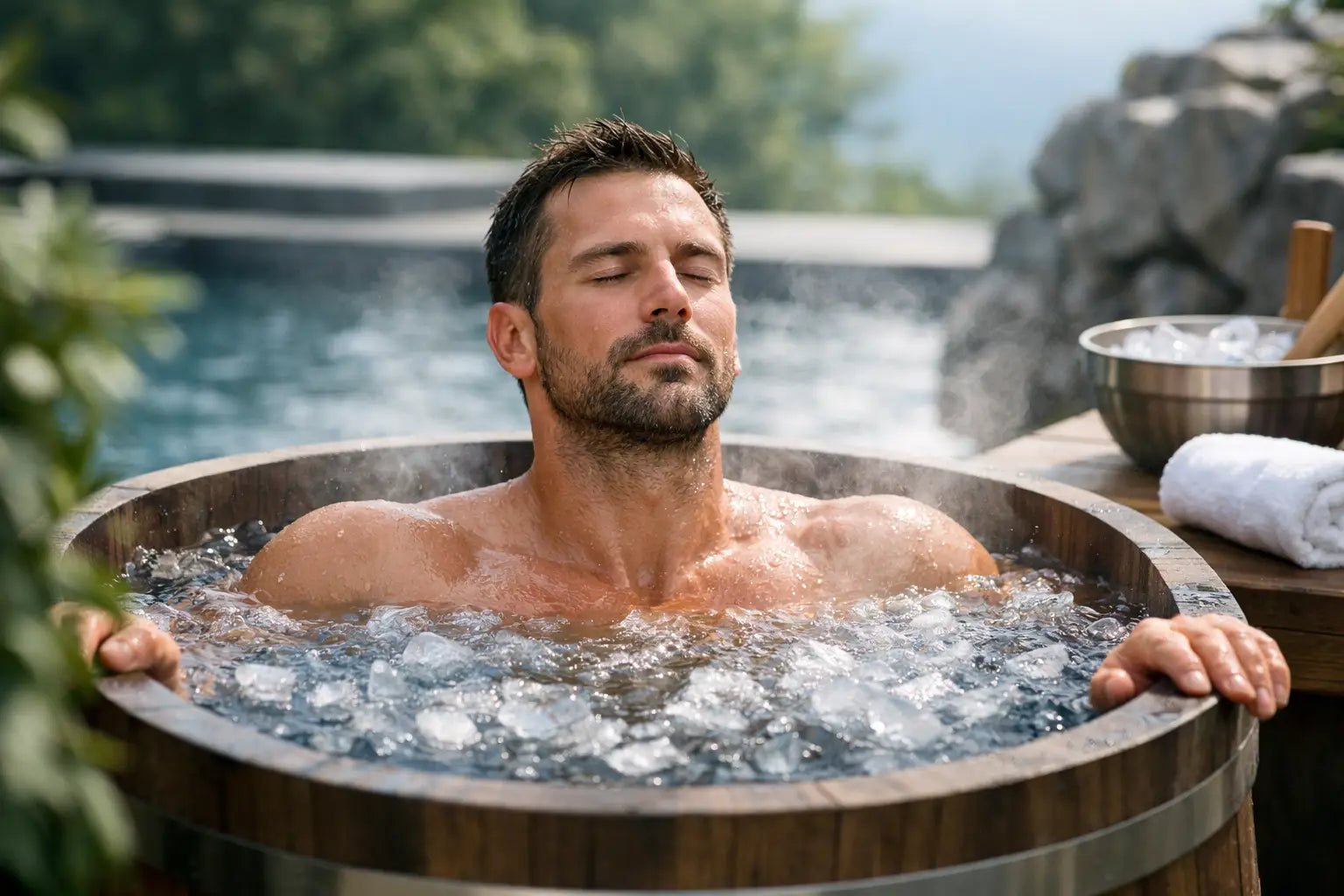
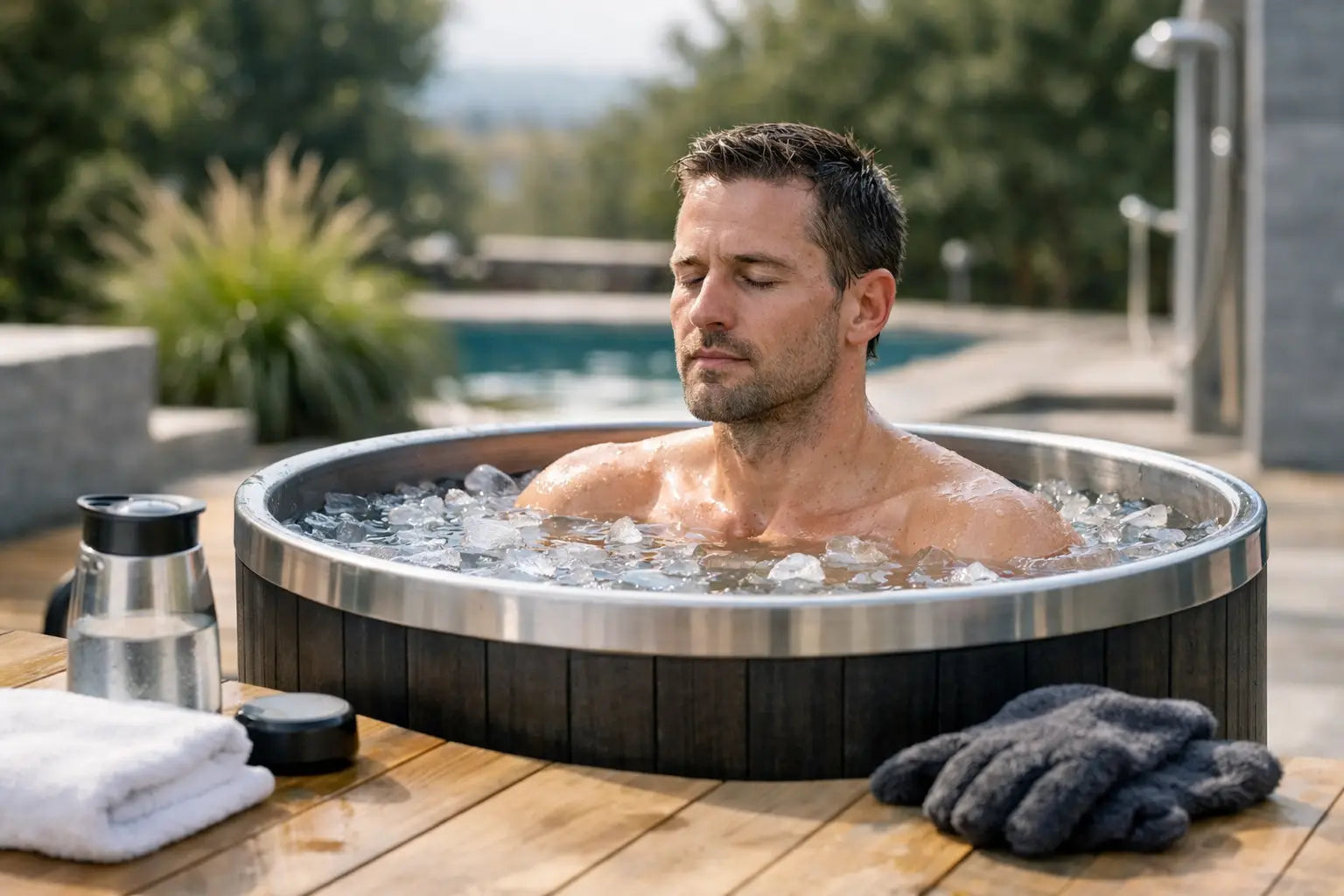
The entry determines the quality of the session. Rushing or dropping into the water can intensify the gasp reflex and make calm breathing harder. Step in with purpose, lower yourself gradually, and pause once the water reaches your waist. Let the first wave of breathing settle before submerging to chest level.
Keep your shoulders relaxed and your jaw unclenched. If your hands are especially uncomfortable, they can remain out of the water at first. There is no prize for making the session harder than necessary. As you gain confidence, you can immerse to the upper chest while keeping your neck and head dry.
A simple mental cue helps: slow exhale, soft shoulders, steady gaze. This replaces the urge to negotiate with the clock every second. Use a timer, but do not stare at it. Your attention belongs on breath and posture.
Know When to Exit
Exit immediately if you feel lightheaded, confused, develop chest pain, experience unusual shortness of breath, or lose control of your breathing. Intense shivering, numbness that persists, or a sense of being mentally checked out are also signals that the session has gone far enough.
A successful plunge does not leave you incapacitated. Afterward, dry off, dress in warm layers, and allow your body to rewarm gradually through light movement. Walk around the house, make tea, or complete a few easy mobility drills. Avoid jumping directly into an aggressively hot shower or sauna immediately after a beginner plunge. The contrast can feel dramatic, but a gradual return to warmth is the more controlled choice while you learn your response.
If you use sauna and cold exposure in the same routine, establish comfort with each modality independently first. Then experiment with contrast sessions on lower-stakes days, paying attention to hydration and how you feel afterward.
Design a Ritual You Will Actually Keep
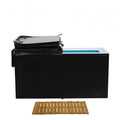
The strongest cold-plunging practice is not the most theatrical one. It is the one that remains in your week when travel, work, family, and training demands increase. A dedicated home setup reduces the friction that turns good intentions into skipped sessions. Water temperature is consistent, the environment is private, and your recovery ritual no longer depends on a crowded gym or a temporary burst of motivation.
Place the practice where it supports calm rather than chaos. Keep towels, a robe, and water nearby. Choose a time with a clear purpose: morning for alertness and mental reset, or later in the day after endurance work when the goal is to downshift from physical strain. If evening plunges leave you overly stimulated, move them earlier.
For a premium home recovery space, the details matter. Reliable temperature control, clean water management, safe access, and a design that belongs in the home make consistency easier. HALOR approaches cold exposure as part of a considered longevity environment, not a punishment parked in the garage.
Track the Signals That Matter
You do not need to quantify every session, but a few notes can prevent novelty from becoming noise. Record water temperature, duration, how quickly your breathing settled, and how you felt an hour later. Over several weeks, look for patterns in sleep quality, soreness, mood, and training readiness.
Progress is often quieter than expected. You may notice that the first 20 seconds no longer feel chaotic, that your breath returns sooner, or that you stop needing a dramatic pep talk before stepping in. That is the practice working: not making you immune to the cold, but making you more composed inside it.
Let your first plunge be brief enough that you want to return. The lasting benefit comes from the ritual you can repeat with clarity, restraint, and intention.