
Wellness Technology That Belongs in Your Home
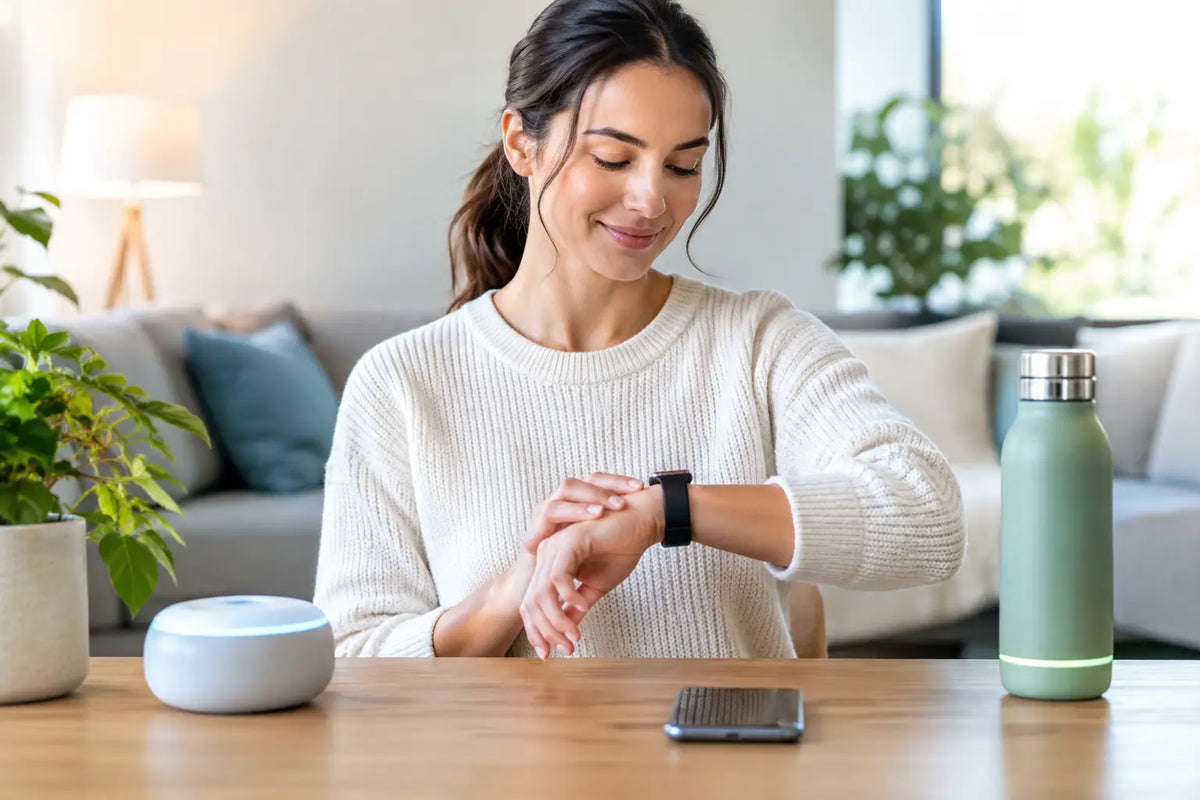
The most valuable recovery tool is rarely the one with the loudest claim. It is the one you use consistently, in the hours between training, work, travel, family obligations, and sleep. Wellness technology earns its place at home when it turns proven recovery practices into a ritual that is easy to repeat, visually considered, and built around the way you actually live.
For high-performing people, the appeal is not novelty. It is proximity. A cold plunge, infrared sauna, red light panel, or hydrogen water bottle can reduce the friction between intention and action. Instead of scheduling another appointment or driving across town, you can create a focused environment for restoration just steps from your living space.
Wellness Technology Is a Practice, Not a Collection
A home recovery system should not feel like a showroom of disconnected devices. The strongest setups are organized around a clear objective: better recovery after demanding training, a more intentional wind-down, support for a disciplined hydration habit, or a daily moment of calm before the day accelerates.
This distinction matters because premium wellness equipment requires more than enthusiasm. It requires space, attention, and a willingness to build a routine. Buying every modality at once can create decision fatigue. Starting with the tool that addresses your most immediate need often produces a better long-term result.
If heavy training leaves you feeling physically depleted, cold exposure or infrared heat may become the center of your routine. If long hours at a desk affect your energy and sleep rhythm, red light therapy and an evening sauna practice may make more sense. If hydration is the foundational habit you struggle to sustain, a high-quality water ritual can be the simplest starting point.
The goal is not to chase optimization at every hour. It is to create conditions for recovery with enough regularity that the benefits of deliberate practice can compound.
The Modalities That Define Modern Home Recovery
Each form of wellness technology has a distinct role. Understanding the trade-offs helps you choose with more precision.
Cold exposure for resilience and recovery
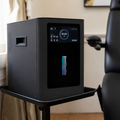
Cold plunging is often associated with mental toughness, but its practical value at home is consistency. Brief, controlled cold exposure can create a powerful transition point after training or at the start of the day. Many people value the alertness, emotional reset, and sense of accomplishment that follow a measured plunge.
Timing matters. Some athletes prefer cold exposure away from strength sessions because frequent immediate post-lift immersion may not align with muscle-building goals. Others use it strategically after endurance work, competitions, or periods of high soreness. Your training objective should guide the protocol, not a rigid social media rule.
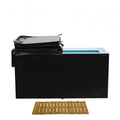
A well-designed cold plunge also needs to fit the realities of ownership. Water quality, filtration, sanitation, temperature control, placement, and service access are not secondary details. They determine whether the practice remains clean, dependable, and inviting over time.
Infrared heat for decompression
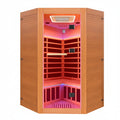
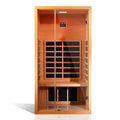
Infrared sauna sessions offer a different kind of reset. The experience is slower, warmer, and often more reflective. While traditional saunas heat the surrounding air, infrared systems use radiant heat designed to warm the body directly at lower ambient temperatures. For people who find conventional sauna heat overwhelming, that distinction can make regular sessions more approachable.
The appeal extends beyond perspiration. A sauna creates protected time without screens, meetings, or stimulation. Used in the late afternoon or evening, it can become a calming transition out of work mode. Used after training, it can support a recovery ritual that feels restorative rather than rushed.
Hydration is essential, particularly with longer or warmer sessions. People who are pregnant, have cardiovascular concerns, experience low blood pressure, or use medications that affect heat tolerance should speak with a qualified clinician before beginning heat exposure.
Red light therapy for a precise daily ritual
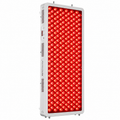
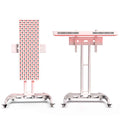
Red and near-infrared light therapy panels bring a more technical modality into the home. These wavelengths are studied for their interaction with cellular processes and are commonly used in wellness routines focused on skin appearance, recovery, and general tissue support.
Results depend on more than owning a panel. Wavelength range, irradiance, treatment distance, session duration, and frequency all affect the dose delivered. More is not automatically better. A properly designed protocol is usually moderate, repeatable, and aligned with the manufacturer's guidance.
The best location is often somewhere visible: a home gym, dressing area, or dedicated recovery corner. When the panel requires rearranging a room every time you use it, adherence tends to fall. When it is part of the environment, a five- to 10-minute session can become as natural as making coffee.
Hydrogen water as a portable layer
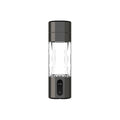
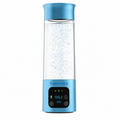
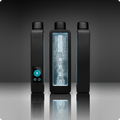
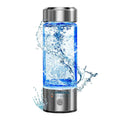
Hydrogen water is a smaller-format modality with a different role. Molecular hydrogen has been researched for its potential antioxidant-related effects, though the clinical picture is still developing and product quality matters. It should be approached as a complementary hydration practice, not a substitute for sleep, nutrition, movement, or medical care.
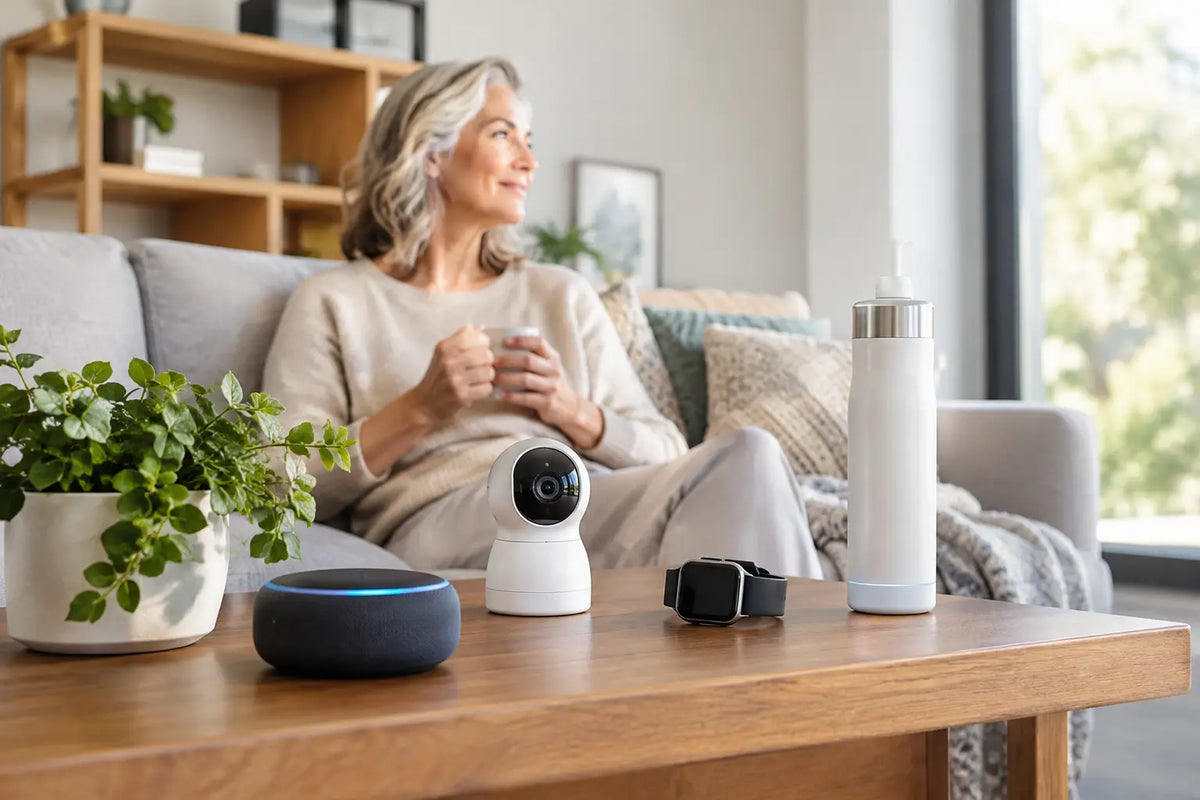
Its advantage is convenience. A portable hydrogen water bottle can travel from the kitchen to the office or gym, reinforcing hydration throughout the day. For people building a broader home longevity system, that simplicity can be meaningful.
How to Choose Wellness Technology for Your Space
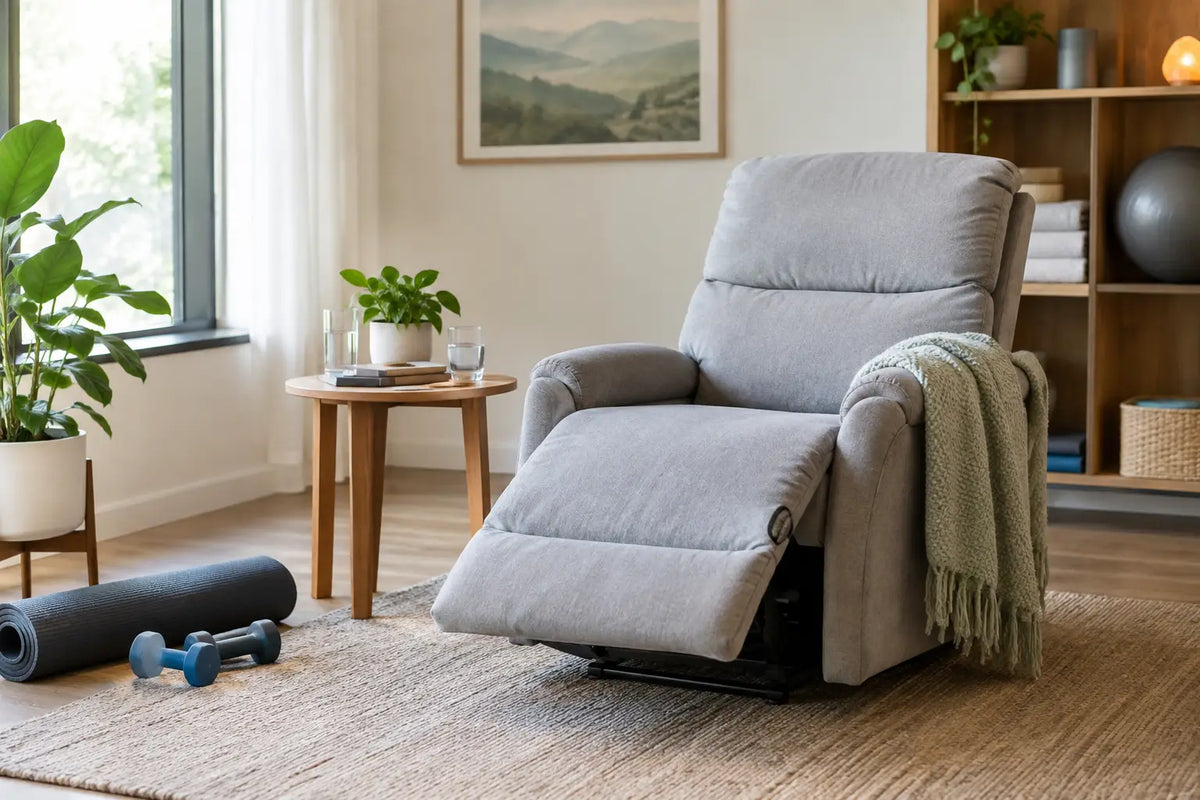
Premium recovery equipment should feel intentional in a home, not improvised. Before choosing a modality, consider the space it will occupy and the behavior it is meant to support.
Start with practical constraints. Cold plunges need a stable surface, appropriate clearances, access to power where required, and a realistic plan for filling, draining, and maintaining water. Saunas require careful attention to dimensions, electrical needs, ventilation considerations, and delivery access. Red light panels need a stable placement and enough room to stand at the recommended distance.
Then consider the quality of the ownership experience. With high-ticket equipment, delivery, installation support, warranty coverage, replacement parts, and responsive service can be as consequential as the specifications themselves. A premium purchase should arrive with clarity, not uncertainty. At HALOR, the focus is on bringing that clinical-modern standard into the home through considered product curation and support designed for long-term use.
Finally, choose for your real schedule. A 45-minute protocol may be aspirational, but a 12-minute one you repeat four times per week is likely to be more valuable. The right system meets you at the intersection of evidence, environment, and behavior.
Build a Recovery Rhythm, Not a Perfect Protocol
A useful home routine has anchors. You might use red light therapy in the morning while planning the day, a cold plunge after selected conditioning sessions, and infrared heat two or three evenings each week. Hydrogen water can support a daily hydration cue around training, work, or travel.
There is no universal sequence. Some people find cold exposure early in the day sharpens focus; others prefer it later, when they can fully recover afterward. Some use sauna after exercise, while others protect it as a screen-free evening ritual. Pay attention to sleep quality, training readiness, mood, and whether the routine leaves you feeling more capable rather than merely challenged.
Keep the first month simple. Use one or two modalities consistently, track how you feel, and adjust gradually. If a practice begins to interfere with sleep, creates unusual fatigue, or feels compulsive, scale back. Wellness should add clarity to your life, not another performance metric to manage.
The Real Luxury Is Repeatability
The most sophisticated home wellness spaces are not defined by excess. They are defined by calm, order, and equipment that works when you need it. A dedicated recovery environment makes a quiet statement: your energy, resilience, and future health deserve structure.
Choose wellness technology that invites you back tomorrow. The ritual you can sustain through demanding weeks is the one most likely to shape how you feel for years to come.