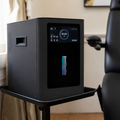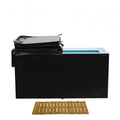

Longevity Tech for Home That Earns Its Space
A cold plunge in the garage, infrared heat off the primary suite, red light beside the morning coffee station - the best home wellness setups are not built around novelty. They are built around repetition. Longevity tech for home matters when it reduces the distance between knowing what supports your health and actually doing it.
A clinic session can be valuable. So can a recovery studio or a high-end gym. But the friction of travel, booking, changing clothes, and fitting another appointment into an already demanding week often turns a useful modality into an occasional one. At home, recovery becomes a controlled part of the environment: private, available, and designed around your schedule.
The goal is not to recreate a medical facility in every spare room. It is to choose a small number of tools that support the outcomes you value most - better recovery, calmer evenings, clearer mornings, more consistent training, or a deliberate approach to aging well.
What Longevity Tech for Home Should Actually Do
The phrase can cover everything from connected sleep trackers to elaborate multi-device biohacking rooms. That breadth is precisely why discernment matters. Premium wellness hardware should earn its footprint through a clear role in your routine, not through a long feature list.
The strongest home modalities tend to meet three criteria. They are simple enough to use regularly, credible enough to warrant attention, and substantial enough to create a distinct ritual. A cold plunge creates a short, focused exposure practice. An infrared sauna gives heat therapy a dedicated place in the day. A red light panel can support a consistent skin and recovery ritual without requiring a trip across town.
None of these tools is a substitute for the fundamentals. Sleep, resistance training, cardiovascular fitness, protein intake, fiber, stress management, and preventive medical care remain the base layer of long-term health. Home technology works best as an amplifier of those practices, not an escape from them.
It also helps to separate promising benefits from guarantees. Research on heat exposure, photobiomodulation, and cold exposure is developing, with outcomes varying by protocol, individual health status, and the device itself. A thoughtful routine favors consistency and appropriate use over extreme claims or maximal doses.
Start With the Constraint You Want to Remove
For most people, the right first purchase is not determined by what is most advanced. It is determined by what repeatedly falls away when life becomes full.
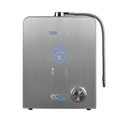
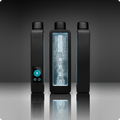
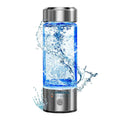
If your training is consistent but recovery rituals disappear during busy weeks, a cold plunge or sauna may create a reliable reset point. If you want a low-disruption practice that fits before work or after skincare, red light therapy may be easier to sustain. If hydration is the weak link, a hydrogen water bottle can be a convenient complement, though it should not displace the more consequential basics of daily fluid intake, nutrition, and sleep.
Ask a sharper question than, “What is best for longevity?” Ask, “What will I use three to five times per week for the next two years?” That answer usually produces a better investment.
A useful home system also respects the rhythm of the household. A powerful recovery device that demands a complicated setup will create resistance. One that is positioned well, simple to maintain, and available at the moment you naturally need it becomes part of the architecture of your day.
The Core Modalities, With Real Trade-Offs
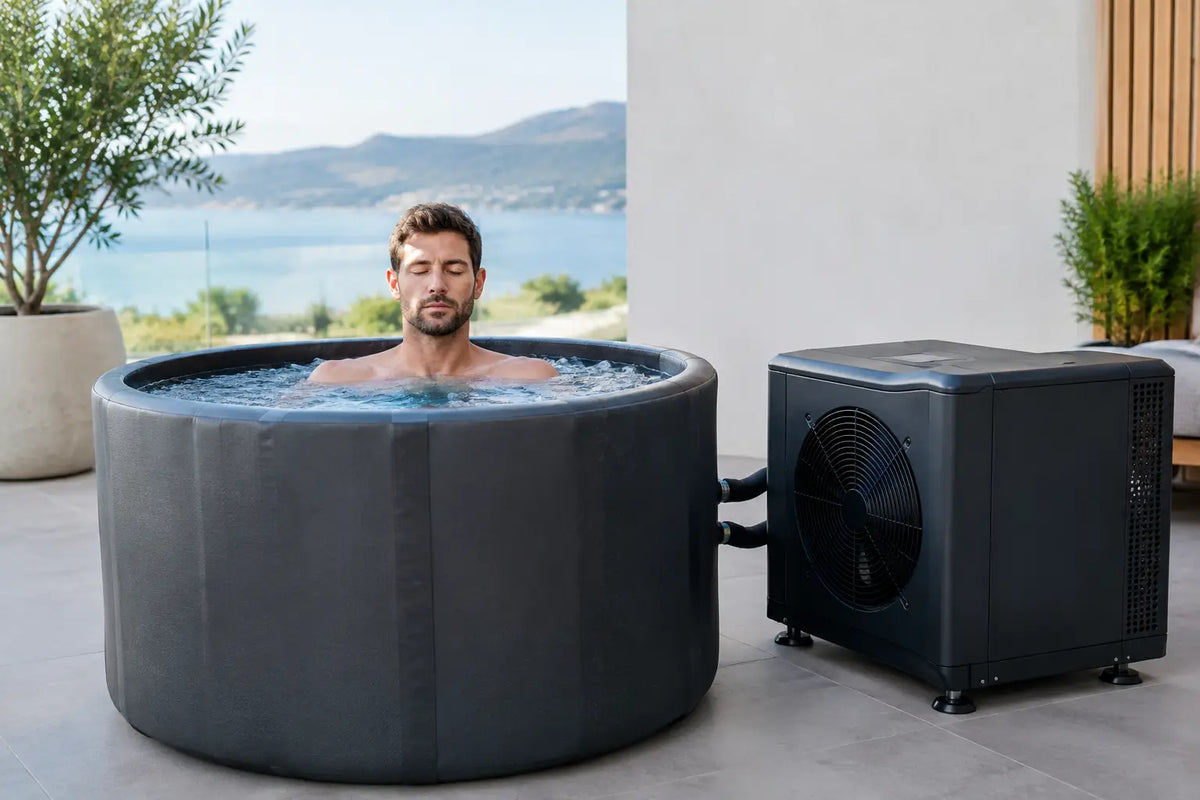
Cold plunge: discipline, alertness, and recovery ritual
Cold water immersion is compelling because it is immediate. The sensory shift is unmistakable: controlled breathing, heightened alertness, and a clear boundary between the demands of the day and the next task. Many athletes and high-performers value it as a mental practice as much as a physical one.
The trade-off is that cold exposure is not universally appropriate, and more is not automatically better. People with cardiovascular conditions, uncontrolled blood pressure, Raynaud’s phenomenon, or other health concerns should speak with a qualified clinician before beginning. Timing matters, too. Some people prefer cold exposure away from strength training if muscle-building is a primary goal, since frequent immediate post-lifting cold immersion may not suit every hypertrophy-focused program.
At home, consider water sanitation, drainage, electrical requirements, access for delivery, and the visual integration of the unit. A plunge should feel like a composed recovery station, not a maintenance burden in the corner of a room.
Infrared sauna: heat, stillness, and repeatable decompression
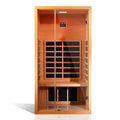
A sauna is often the most natural anchor for a home recovery space because it asks for something rare: stillness. The appeal is not only warmth. It is the protected time to downshift, sweat, stretch lightly, read, or simply sit without another screen demanding attention.
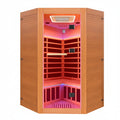
Infrared saunas use radiant heat and commonly operate at lower ambient temperatures than traditional saunas, which some people find more comfortable for longer sessions. Evidence around sauna bathing and cardiovascular associations is encouraging, but it does not mean any sauna can promise a specific health outcome. Hydration, sensible session lengths, and medical guidance where appropriate remain essential.
The practical question is placement. Measure the room, entry path, ceiling clearance, floor suitability, and electrical needs before falling in love with a design. Premium equipment deserves premium planning. White-glove delivery and in-home installation can turn a significant purchase into a much calmer experience.
Red light therapy: a precise ritual with a smaller footprint
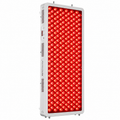
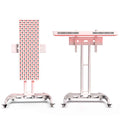
Red and near-infrared light therapy, often described as photobiomodulation, is attractive because it is compact and targeted. Depending on the wavelengths and intended use, people incorporate it into routines for skin appearance, post-training recovery, and general wellness. The science is promising in several applications, yet device quality, dosage, distance, and treatment area all shape the experience.
This is where specifications matter. Wavelength range, irradiance at a stated distance, treatment coverage, timer controls, and build quality are more meaningful than vague claims about power. A panel should fit the body area you intend to treat and the time you can realistically commit. A compact panel used consistently is often more valuable than a larger system that remains boxed or inconveniently placed.
Eye protection and manufacturer guidance should be taken seriously. More exposure is not necessarily a better protocol.
Hydrogen water: a complementary habit, not the foundation
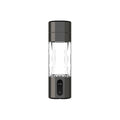
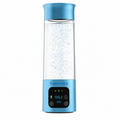
Hydrogen water has become a point of interest for consumers drawn to oxidative stress and cellular-health conversations. It can be an elegant addition to a broader hydration ritual, particularly for people who appreciate a portable, repeatable practice.
The evidence base is still evolving, and outcomes should be framed with restraint. It is not a replacement for drinking sufficient water, eating well, exercising, or receiving medical care. Think of it as a complementary layer for someone who already values hydration and wants to make that habit feel more intentional.
Design the Room Around Adherence
A home longevity setup should not feel like a showroom of disconnected devices. It should feel calm, ordered, and easy to enter. That means considering the space around the technology: ventilation, towels, water access, flooring, lighting, storage, and a place to sit after a session.
A practical sequence might be a late-afternoon training session, followed by heat or a brief cold protocol based on your goals, then hydration and a screen-free transition into the evening. In the morning, red light may be easier to sustain because it requires little preparation. The exact order is less important than creating cues that make the practice automatic.
For a shared household, accessibility matters as much as aesthetics. If the controls are intuitive and the room is inviting, more than one person is likely to use it. That increases the value of the investment while making wellness a visible part of the home culture.
Buy for Ownership, Not the Unboxing
High-ticket wellness equipment is a long-term ownership decision. The product is only one part of the equation. Delivery logistics, installation support, warranty coverage, service responsiveness, trial terms, and financing options all influence whether a premium purchase feels considered or complicated.
Before committing, confirm what is included, what preparation the home requires, who handles setup, and what ongoing maintenance looks like. Be equally clear about your nonnegotiables: exterior dimensions, electrical capacity, noise tolerance, water management, and finish. These details are not administrative. They determine whether the equipment integrates cleanly into daily life.
HALOR approaches this category as a curated recovery system rather than a collection of isolated wellness trends. That distinction matters when you are choosing equipment intended to remain in your home for years.
The most valuable technology is the kind that makes your standards easier to keep. Build a space that invites you back after a difficult workout, a long flight, or a demanding week - then let the ritual do its quiet work.