
Cold Plunge Water Chiller Review
A cold plunge water chiller review should answer one question before any discussion of aesthetics: will this system make cold exposure easy enough to become a deliberate daily practice? A beautiful tub that takes hours to cool, demands constant maintenance, or disrupts the quiet of your home is not a recovery tool. It is an expensive interruption.
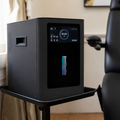
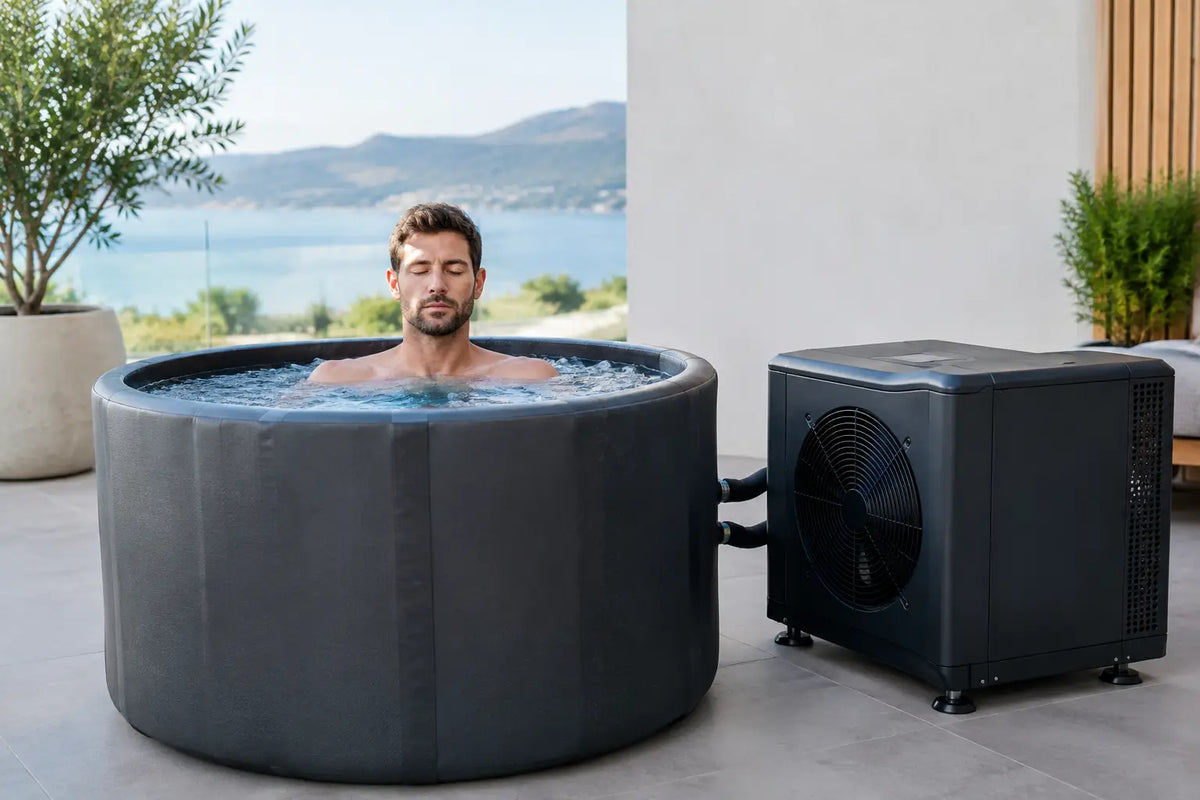
For serious home recovery, the chiller is the operating center of a cold plunge. It determines temperature consistency, water quality, energy use, sound level, and how much attention the system requires between sessions. The tub matters, but the chiller decides whether the ritual feels calm and controlled or unnecessarily complicated.
What a Cold Plunge Water Chiller Must Deliver
The right system does more than make water cold. It holds a chosen temperature through changing seasons, recovers after use, circulates water effectively, and keeps the bathing environment clean enough to use with confidence. A meaningful review starts there.
Cooling capacity is the first specification to examine, but it is often misunderstood. A stated minimum temperature does not reveal how quickly the system reaches that point, how it performs in a warm garage or sunlit patio, or whether it can maintain the setting after a larger body of water enters the tub. Cooling power must be considered alongside water volume, ambient temperature, insulation, and frequency of use.
For a person using a plunge several times a week, a system that reliably maintains water in the low-to-mid 40s may be more useful than one that advertises a lower minimum but struggles during summer heat. Colder is not always better. Consistency supports a repeatable protocol, and repeatability is where recovery routines earn their place.
Temperature Range and Real-World Recovery Time
Look for clear information on the chiller's operating range and recovery performance. A premium unit should hold a stable target temperature rather than cycling through wide swings. Temperature stability matters because a two- or three-minute session at 45 degrees feels very different when the water is actually drifting toward 52.
Recovery time is equally practical. If two people use the plunge each morning, or if a household shares one system, the water should return to its set point without requiring a long wait. Larger reservoirs take more energy to cool, so a bigger tub is not automatically the stronger choice. Select capacity based on how many users will realistically use it, not on the visual appeal of a larger footprint.
Filtration Is Not an Accessory
Clean water is the standard, not an upgrade. Even a short cold session introduces sweat, skin oils, hair, and environmental debris into a shared water environment. Without circulation and appropriate filtration, the water can lose clarity and freshness quickly.
Most premium cold plunge systems combine a mechanical filter with some form of sanitation, often ozone, UV, or a compatible water-treatment approach. Each method has trade-offs. Mechanical filtration captures particulate matter but does not independently address microorganisms. Ozone can be effective when properly integrated, yet it may require more thoughtful operation and compatible materials. UV treatment can support sanitation during circulation, though its effectiveness depends on flow rate and exposure time.
The important question is not which technology sounds most advanced. Ask how the entire water-care system works together, what maintenance it requires, and how often components need replacement. A chiller that promises low maintenance but requires frequent draining, difficult filter access, or specialty chemicals can become a burden after the first few months.
For most residential users, the best setup is the one with straightforward filter changes, clear water-care guidance, and a drain process that does not turn maintenance into a weekend project. This is especially relevant for indoor installations, where spills and moisture demand more planning.
Water Changes Still Matter
Filtration extends water life. It does not eliminate the need to refresh the water. The appropriate schedule depends on how often the plunge is used, whether users rinse beforehand, the sanitation method, and the manufacturer’s instructions. Water that looks clear is not always water that should remain in service.
A disciplined routine helps: rinse before entering, keep the lid closed when the plunge is not in use, check filter condition, and follow the recommended testing and draining schedule. These small actions protect the equipment and preserve the quality of the experience.
Noise, Placement, and the Reality of Home Use
Cold plunge shoppers often focus on the look of the tub and underestimate the sound of the mechanical system. Compressors, fans, and circulating pumps are not silent. The question is whether their sound profile works in the location you have chosen.
An outdoor patio can accommodate more operational noise than a primary bedroom, home office, or interior wellness room. If the chiller will run overnight, consider proximity to sleeping areas and neighbors. Ask whether the system has a quiet mode, whether the pump runs continuously, and how frequently the compressor engages once the water reaches temperature.
Placement also affects performance. Chillers need adequate ventilation to reject heat. A tightly enclosed cabinet, hot utility room, or direct afternoon sun can reduce efficiency and add strain. Indoor systems require a floor that can support the total filled weight, practical drainage, and thoughtful moisture management. Outdoors, weather exposure, electrical protection, and seasonal conditions become central considerations.
This is where premium service has tangible value. A well-managed delivery and installation process can identify clearance, power, drainage, and placement concerns before a large piece of recovery equipment arrives at your home. HALOR is built around this more considered approach to home wellness, because a refined routine begins with a system that is installed correctly.
Build Quality Is More Than a Finish
Design matters. A cold plunge becomes part of the visual and emotional architecture of a home, and a clean, restrained form can make the practice more inviting. But the materials beneath the surface deserve equal attention.
Inspect the insulation strategy, plumbing connections, seals, fittings, lid construction, and exterior durability. Effective insulation lowers the load on the chiller, improves temperature stability, and can reduce operating costs. A well-fitted insulated cover is particularly important. It keeps debris out, limits heat gain, and prevents the system from working harder than necessary.
Pay attention to serviceability. Can a technician access the pump, filters, and chiller components without dismantling the entire unit? Are replacement parts available? Is the warranty clear about what is covered, for how long, and who performs service if a problem arises? A premium recovery purchase should come with a support structure proportionate to its price.
App Controls Are Useful, Not Essential
Remote controls and mobile apps can be convenient, especially when they allow you to monitor water temperature or schedule cooling around your routine. They should not be the deciding feature. A simple physical control panel, accurate temperature readout, and dependable mechanical operation are more valuable than an app with impressive graphics.
Treat connected features as a layer of convenience. The core system should remain intuitive and functional without them.
A Better Way to Compare Chillers
When comparing cold plunge chillers, avoid making the decision from a single headline specification or a dramatic social media clip. Ask the same practical questions of every system:
- Can it maintain your preferred temperature in your climate and installation environment?
- What is the complete filtration and sanitation process?
- How loud is it during normal operation and temperature recovery?
- What electrical, ventilation, drainage, and clearance requirements does it have?
- Who supports installation, repairs, replacement parts, and warranty claims?
The Chiller Should Disappear Into the Routine
The strongest cold plunge water chiller is not necessarily the coldest, largest, or most technologically decorated. It is the one that maintains clean, stable water with minimal friction and fits the pace of your home. That is what allows cold exposure to shift from an occasional test of will into a composed recovery practice.
Choose the system that supports consistency, then protect the ritual with sensible water care, proper placement, and service you can rely on. The goal is not simply to endure the cold. It is to create a few minutes of stillness that your body and schedule can return to, day after day.