
A Practical Guide to Home Red Light Therapy
A red light session should fit into your evening as cleanly as brushing your teeth: a few quiet minutes, a repeatable setup, and no guesswork about whether it is doing anything. This guide to home red light therapy is designed to help you choose the right device, understand the specifications that matter, and build a practice you can maintain long enough to evaluate.
Red light therapy is not a substitute for sleep, movement, nutrition, clinical care, or a well-designed training program. It can, however, be a useful layer in a deliberate home recovery system. The value is not in chasing a dramatic first session. It is in consistent exposure over time.
What Home Red Light Therapy Is Designed to Do
Red light therapy, often called photobiomodulation, uses specific wavelengths of visible red and near-infrared light. Red light generally works closer to the surface of the body, which is why it is commonly used in skin-focused routines. Near-infrared light is invisible and penetrates more deeply, making it relevant to muscle recovery, joints, and broader tissue support.
The proposed mechanism is cellular. Light energy is absorbed by chromophores within cells, including components associated with mitochondrial function. This may influence cellular signaling, circulation, and the body’s response to oxidative stress. The research is promising across several applications, but results vary with the condition being addressed, the device’s output, dose, and the consistency of use.
At home, the most practical goals tend to be supporting post-training recovery, maintaining skin quality, easing everyday stiffness, and creating a calming transition into or out of the day. Treat red light as a disciplined wellness practice, not a cure-all. If you are managing pain, a skin condition, or an injury, it should complement guidance from a qualified clinician.
Guide to Home Red Light: Choosing the Right Device
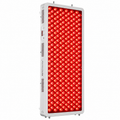
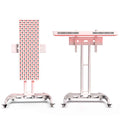
The right format depends on the area you want to treat and the role the device will play in your home. A full-body panel is the most versatile choice for someone building a complete recovery environment. It can serve legs after training, the back and shoulders after long workdays, and the face and chest as part of a skin routine.
Smaller panels make sense for targeted treatment and tighter spaces. They are easier to position near a desk, beside a bed, or in a home gym, but they require more time if you want to cover the entire body. Masks are designed primarily for the face. Their convenience is appealing, though they do not offer the flexibility or coverage of a panel.
When comparing devices, look beyond broad marketing language and focus on four specifications.
- Wavelengths: A quality device should clearly state the wavelengths it emits. Red wavelengths commonly sit around 630 to 660 nanometers, while near-infrared wavelengths often fall around 810 to 850 nanometers. A combination gives you greater flexibility for surface-level and deeper-tissue goals.
- Irradiance: Measured in milliwatts per square centimeter, irradiance describes the light intensity reaching the body at a stated distance. Higher is not automatically better. It changes how long you need to use the device, and credible brands disclose measurements at practical treatment distances.
- Treatment area: Consider the real dimensions of the illuminated area, not only the outer dimensions of the panel. A larger treatment field reduces repositioning and supports a more efficient ritual.
- Build and support: For a premium home device, assess the stand, cooling system, controls, warranty, trial period, delivery experience, and access to knowledgeable support. Advanced wellness equipment should feel considered from installation through daily use.
The Dose Matters More Than the Hype
More light is not always more effective. Photobiomodulation follows a biphasic response in many settings: too little may have minimal effect, while excessive exposure may be less useful than a moderate, consistent dose. This is why an intelligently designed protocol is more valuable than an occasional marathon session.
Start with the manufacturer’s guidance for distance and session length, particularly if the panel provides irradiance data. For many home panels, a practical starting point is 5 to 10 minutes per treatment area, three to five times per week, at the recommended distance. Your device may call for more or less time based on its output.
For skin-focused use, begin conservatively. For muscle recovery after a demanding training session, you may choose a slightly longer session or treat a larger area. Give any routine several weeks before judging it. Track the outcomes that actually matter to you: how your skin looks and feels, perceived soreness, joint comfort, training readiness, or morning stiffness.
Avoid stacking extra time simply because a session feels pleasant. Red light therapy rewards restraint and repetition.
Set Up a Routine You Will Actually Keep
The best location is not necessarily the most photogenic one. It is the place where the device becomes part of your existing rhythm. A panel near your strength-training area creates an easy recovery cue. A setup in a quiet bedroom or bathroom can support a slower evening practice. If you work from home, a discreet space near your office may help you use it consistently between meetings.
Use bare, clean skin when possible. Clothing blocks much of the light, and thick topical products can complicate a skin-focused session. For facial use, complete the session before applying serums, moisturizers, or makeup unless your skincare professional recommends otherwise.
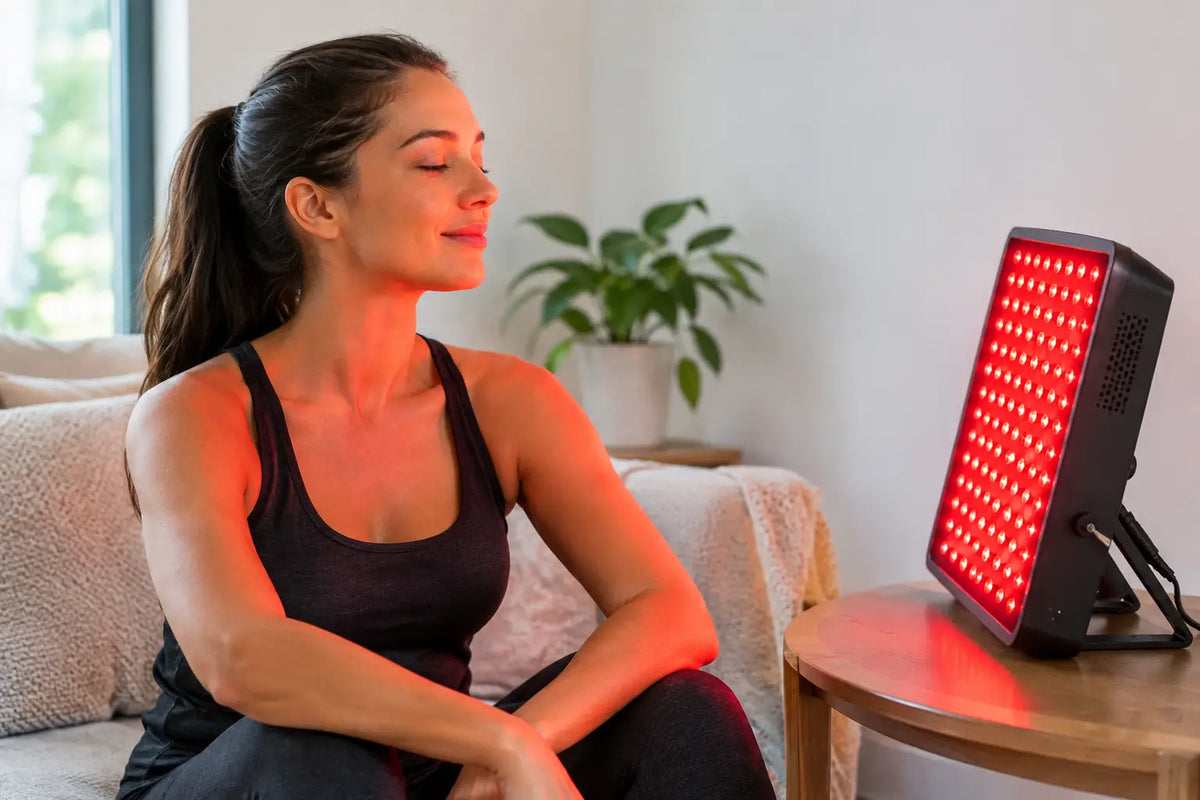
Position yourself according to the manufacturer’s stated distance. Stand or sit comfortably, keep the treatment area facing the panel, and avoid constantly checking your phone. The point is efficiency, but there is also value in the stillness. Five measured minutes can become a clean break between training and the rest of your evening.
A simple weekly cadence might include red light after two or three training sessions, one longer full-body recovery session on the weekend, and brief facial sessions on non-training days. That approach is not mandatory. What matters is that the schedule fits your actual life and allows you to stay consistent.
Safety and Situations That Need More Care
Home red light therapy is generally well tolerated when used as directed, but it deserves the same level of attention you would give any performance tool. Follow the device instructions, including guidance on eye protection. Some people tolerate visible red light comfortably with closed eyes at an appropriate distance; others prefer protective goggles, particularly with high-output panels. Do not stare directly into LEDs.
Speak with a physician before beginning if you take photosensitizing medications, have a light-sensitive condition, are receiving treatment for cancer, are pregnant, or have an active medical concern. Certain antibiotics, acne medications, diuretics, and other prescriptions can alter light sensitivity. A clinician can help determine whether the modality fits your specific situation.
If you notice redness, warmth that persists, headaches, eye discomfort, or any unusual response, reduce the duration, increase your distance, or pause use. Do not use red light therapy as a reason to ignore a worsening injury or persistent symptoms.
Building It Into a Complete Home Recovery System
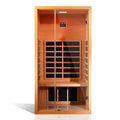
Red light performs best when it supports a broader system rather than carrying the entire burden of recovery. Pair it with the fundamentals: adequate protein, hydration, intelligent training volume, quality sleep, and regular low-intensity movement. If your home includes modalities such as infrared heat or cold exposure, consider the timing based on your goals and personal response instead of forcing every tool into one session.
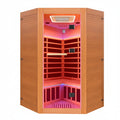
For example, a red light session after training can be a calm bridge into an evening sauna routine. On a demanding workday, a short targeted session for the neck, shoulders, or legs may be enough. The ideal protocol is the one that leaves you feeling more prepared for tomorrow, not depleted by an overengineered routine.
Premium wellness equipment earns its place when it reduces friction. A thoughtfully sized panel, stable mounting solution, and clear operating protocol make consistency feel natural. HALOR approaches home recovery with that standard in mind: professional-grade performance, considered design, and support that makes advanced modalities practical in daily life.
Give your routine room to work. Set a conservative starting dose, keep the same protocol for several weeks, and pay attention to meaningful signals rather than chasing novelty. The most effective home recovery practice is rarely the most complicated one. It is the one you return to with clarity and intention.