
Biohacking Products for Home That Earn Their Space
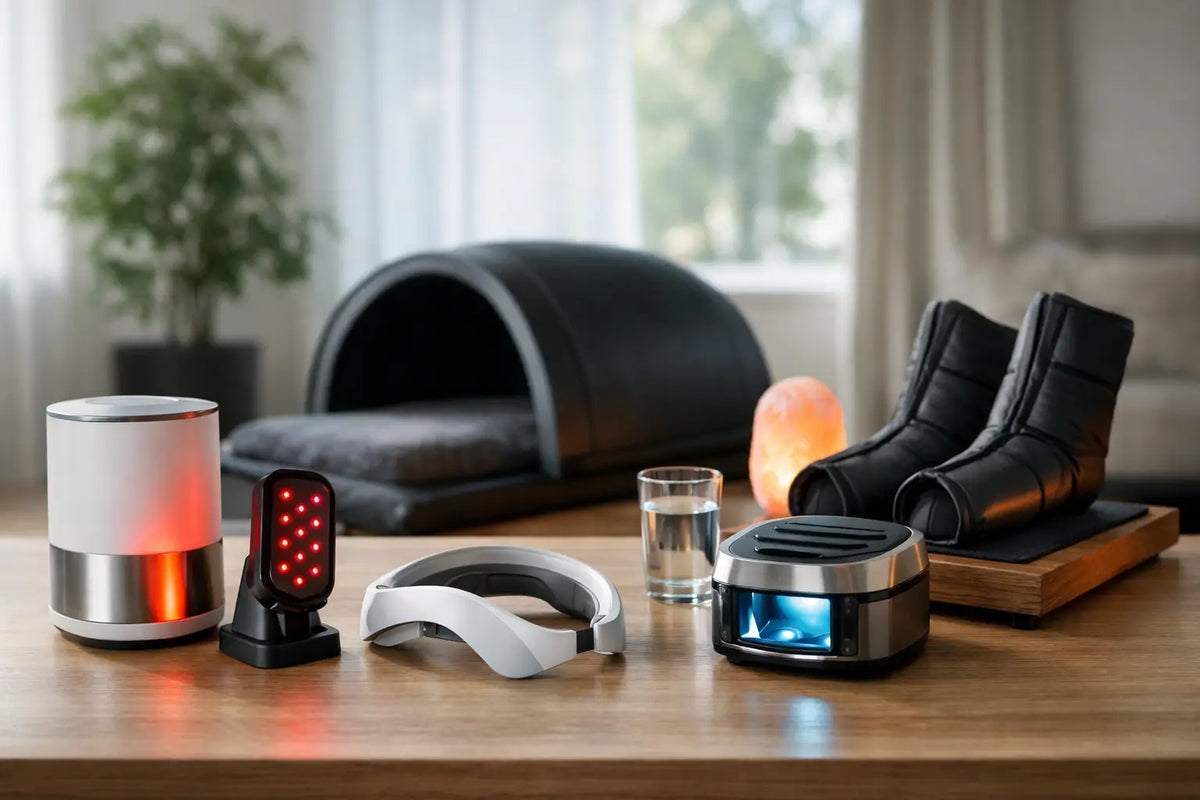
The difference between a considered home wellness practice and an expensive collection of gadgets is not novelty. It is repeatability. The best biohacking products for home create a clear cue in your day: recover after training, downshift after work, prepare for sleep, or support the habits that keep your energy steady.
For serious health-minded people, home recovery equipment is not about recreating a clinic in every square foot. It is about choosing a small number of modalities that reduce friction between intention and action. A cold plunge you can use before breakfast, a red light session while you read, or infrared heat at the end of the day can turn wellness from an occasional appointment into deliberate practice.
What Makes a Home Biohacking Product Worth Buying?
A premium wellness product should earn its footprint, cost, and attention. Before considering features or finishes, ask a more useful question: will this fit naturally into the way you already live?
The strongest choices have three qualities. They address a specific outcome, such as recovery, sleep readiness, muscle comfort, or skin support. They are simple enough to use consistently. And they are designed for the realities of a residence, including available space, electrical requirements, water management, noise, and visual presence.
Evidence matters, but so does context. Many wellness modalities show promising research around physiological mechanisms and targeted benefits. That does not mean every claim applies equally to every person, dose, or device. Product quality, session length, intensity, health history, and consistency all shape the outcome. Think of home biohacking hardware as an environment for better habits, not a substitute for sleep, nutrition, medical care, or training fundamentals.
The Core Biohacking Products for Home
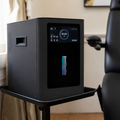
Cold plunges for resilience and recovery
Cold-water immersion is one of the most direct ways to create a physical reset. The initial exposure produces a pronounced stress response, followed by a period many users describe as calm, alert, and clear. Athletes often use cold immersion to support perceived soreness and recovery, while high-performing professionals may value the ritual for its focus and emotional discipline.
At home, the experience depends heavily on the system behind the tub. Temperature control, filtration, sanitation, insulation, drainage, and ease of entry determine whether a plunge becomes a daily ritual or a maintenance project. A premium unit should feel composed, not improvised. It should hold its temperature reliably, integrate cleanly into the space, and make water care straightforward.
Timing is personal. Cold exposure immediately after strength training may not suit every muscle-building goal, particularly when used frequently and intensely. If hypertrophy is a priority, separating cold sessions from resistance training can be a more thoughtful approach. People with cardiovascular conditions, uncontrolled blood pressure, Raynaud’s phenomenon, pregnancy, or other medical concerns should seek guidance from a qualified clinician before beginning cold exposure.
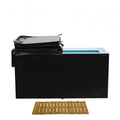
Infrared saunas for heat and restoration
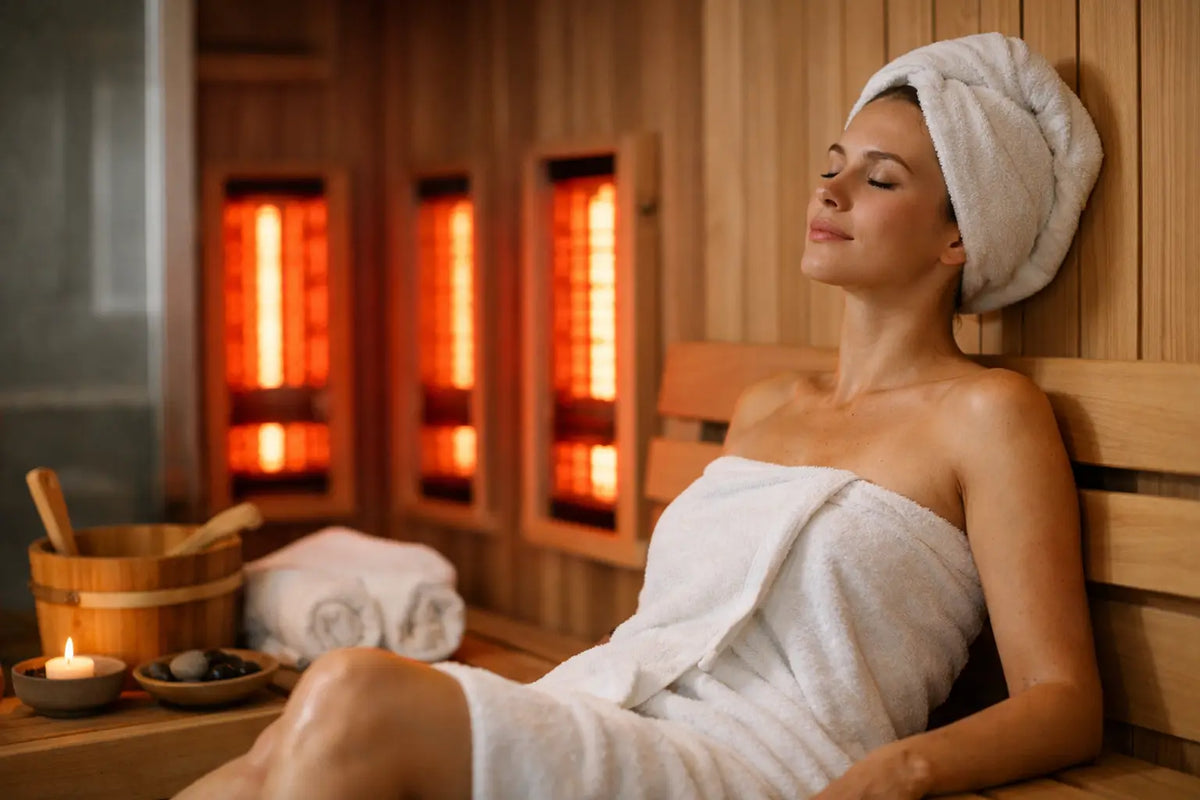
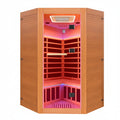
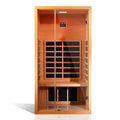
Infrared sauna sessions offer a quieter form of stress. Unlike traditional high-heat saunas that warm the surrounding air more aggressively, infrared systems use radiant heat to warm the body directly. The result is often a more tolerable session for people who want heat exposure without an overwhelmingly hot room.
The appeal is both physiological and practical. Heat can support relaxation, circulation, and a post-training sense of release. It also creates protected time away from screens and demands. For many households, that may be the most valuable effect: 20 or 30 minutes of stillness with a consistent place in the evening.
When comparing an infrared sauna, look beyond the promise of heat. Consider cabin materials, heater placement, usable interior dimensions, ventilation, electrical needs, warm-up time, and the quality of installation support. A sauna is furniture-scale equipment. It should complement the home rather than feel like a temporary workaround in it.
Red light therapy panels for targeted daily use
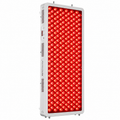
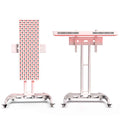
Red and near-infrared light therapy has become a leading home modality because sessions are efficient and the footprint can be relatively restrained. Red wavelengths are commonly used for surface-level applications, including skin-focused routines. Near-infrared wavelengths penetrate more deeply and are often incorporated into routines focused on muscle recovery and joint comfort.
The category requires discernment. A panel’s value is not defined by brightness alone. Wavelength range, irradiance at a practical treatment distance, coverage area, session controls, heat management, and eye-safety guidance all matter. More intensity is not automatically better. A well-designed protocol uses an appropriate dose, followed consistently, rather than maximum exposure by default.
Place the panel where use is effortless: near a training area, in a dressing room, or beside the place you already spend time in the morning. The best session is the one that does not require a complicated setup.
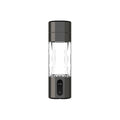
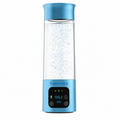
Hydrogen water for a portable ritual
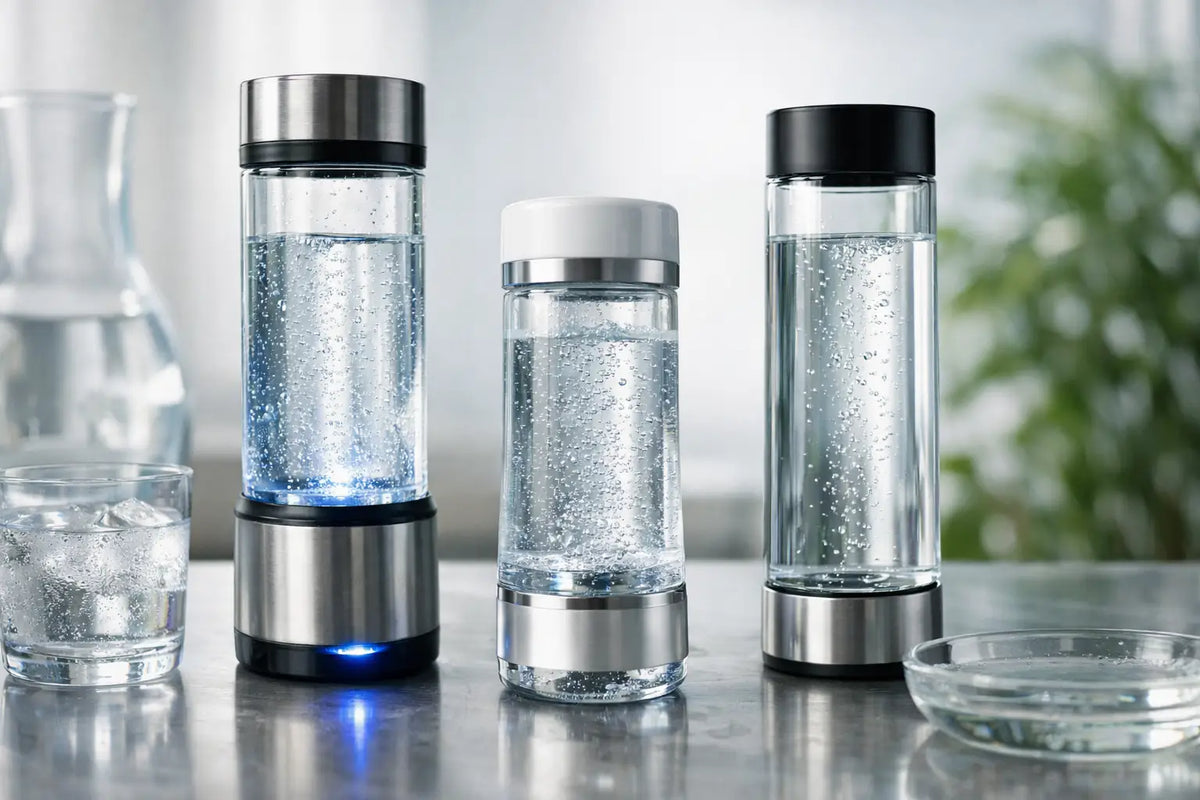
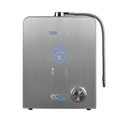
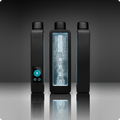
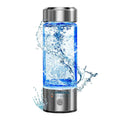
Hydrogen water bottles are a compact entry point into an at-home longevity practice. They are designed to infuse water with molecular hydrogen, a subject of ongoing research related to oxidative stress and exercise recovery. The science is still developing, and the results should be approached with measured expectations rather than broad health promises.
Their practical advantage is portability. Unlike a large installation, a hydrogen water bottle can travel from desk to gym bag to bedside. For people who already take hydration seriously, it can add structure to an existing ritual without demanding more space. Choose a system with clear operating instructions, dependable materials, and an easy charging and cleaning process.
Build a System, Not a Showroom
There is no universal home longevity stack. The right sequence depends on your goal, schedule, training load, available space, and tolerance for maintenance.
If recovery and athletic performance lead the agenda, a cold plunge and red light panel can be a disciplined pairing. The plunge supplies an intentional acute stressor, while red light can fit into a targeted recovery routine. If stress management and sleep readiness are more pressing, infrared heat may become the foundation because it encourages a consistent evening transition.
For a first premium purchase, begin with the modality you can realistically use three to five times a week. A compact red light panel may be more useful than a large sauna if your schedule is dense and your space is limited. Conversely, a sauna may be the better investment when it becomes a shared household ritual that changes the rhythm of each evening.
Supplements can support the broader system, but they should remain complementary. Hardware shapes the environment and the behavior. Nutrition, hydration, protein intake, and sleep give that behavior a foundation.
Plan for Ownership, Not Just Delivery
High-ticket wellness equipment deserves the same due diligence as a significant home purchase. Measure the route from curb to final location, not only the room itself. Confirm floor capacity when relevant, electrical access, ventilation, water access and drainage for cold plunges, and the clearance needed for safe use and maintenance.
Service is part of product performance. White-glove delivery, in-home installation options, responsive technical support, meaningful warranties, and a home trial period reduce the friction that can otherwise follow a premium purchase. HALOR approaches these details as part of the experience because a refined wellness practice should begin with confidence, not logistics.
Also consider the sensory conditions around the equipment. A recovery space works best when it feels calm enough to return to. Conceal visual clutter where possible. Keep towels, hydration, cleaning supplies, and controls within reach. Give the ritual a beginning and an end instead of letting it compete with the rest of the house.
Use a Simple Weekly Rhythm
A sustainable routine does not need to be elaborate. You might use infrared heat two or three evenings per week, schedule red light sessions around training or morning preparation, and reserve cold plunges for selected recovery days or a focused morning practice. Hydrogen water can remain the smallest, most portable layer of the routine.
Track what matters to you for four weeks: sleep quality, perceived soreness, energy, mood, training readiness, or consistency. Avoid chasing a new metric every day. The purpose is to notice whether the practice is supporting your actual life.
The most refined home wellness spaces are not built to impress a guest. They are built to make one disciplined choice feel easier tomorrow morning than it did today.