
Is Infrared Sauna Safe? A Practical Guide
A disciplined heat practice should leave you calmer and clearer, not depleted. So, is infrared sauna safe? For most healthy adults, a properly used infrared sauna is generally considered a low-risk wellness practice. The answer becomes more personal when cardiovascular health, medications, pregnancy, alcohol use, hydration, and heat tolerance enter the picture.
Infrared heat can be a valuable part of a home recovery ritual, especially for people who want an efficient way to downshift after training or a demanding workday. But premium recovery is not about pushing through discomfort. It is about creating conditions your body can adapt to consistently.
How Infrared Sauna Heat Works
Traditional saunas heat the air around you, often to very high temperatures. Infrared saunas use radiant heat designed to warm the body more directly, typically in a lower ambient temperature range. That difference can make the experience feel more comfortable for people who find conventional sauna heat oppressive.
Your core temperature and heart rate can still rise during an infrared session. Blood vessels near the skin dilate, sweat production increases, and the body works to release heat. Those are normal responses, but they are also the reason infrared sauna use deserves the same respect as other forms of heat exposure.
The research around sauna bathing is encouraging, particularly for relaxation, short-term reductions in muscle soreness, and cardiovascular associations observed in frequent traditional sauna users. Still, association is not proof of cause and effect, and results from traditional sauna studies do not automatically transfer to every infrared device or protocol. Think of infrared sauna as a supportive recovery modality, not a medical treatment or a substitute for movement, sleep, nutrition, or clinical care.
Is Infrared Sauna Safe for Most People?
For a healthy adult using a well-built sauna according to its instructions, the practical risks are usually manageable: overheating, dehydration, dizziness, low blood pressure, and slips after a session. These are more likely when someone stays in too long, starts dehydrated, uses alcohol or recreational drugs, or treats heat tolerance as a test of will.
A conservative routine is the intelligent starting point. Begin with 10 to 15 minutes at a comfortable setting two or three times per week. Assess how you feel during the session, immediately afterward, and later that day. If you recover well, increase gradually toward 20 to 30 minutes as tolerated. More heat is not automatically better heat.
Leave the sauna promptly if you feel lightheaded, nauseated, unusually weak, short of breath, confused, or experience chest discomfort. Cool down in a seated position, drink fluids, and seek medical care for severe or persistent symptoms. Do not use a sauna alone if you have a history of fainting or an elevated risk of a medical emergency.
When to Speak With Your Clinician First
Heat exposure changes circulation and can affect how your body responds to medication. A clinician who understands your health history should guide your approach if you have cardiovascular disease, uncontrolled high blood pressure, very low blood pressure, a history of stroke, kidney disease, seizure disorders, or conditions that affect sweating or temperature regulation.
The same applies if you take medications that influence blood pressure, heart rhythm, fluid balance, alertness, or heat tolerance. Diuretics can increase dehydration risk. Some antihistamines, antidepressants, antipsychotics, stimulants, and medications for Parkinson's disease may reduce sweating or alter how the body manages heat. This is not a complete list, which is exactly why personalized medical guidance matters.
Pregnant people should ask their obstetric clinician before sauna use. Elevated core body temperature can be a concern during pregnancy, especially early on. Children, older adults, and anyone with reduced heat awareness need a more cautious approach because dehydration and overheating can develop quickly.
If you are actively ill, feverish, vomiting, or recovering from significant dehydration, skip the sauna. A heat session is not a shortcut through illness. Wait until you are well hydrated and fully recovered.
Build a Safer Infrared Sauna Routine
The best safety protocol is simple enough to repeat. Go into each session hydrated, but avoid chugging excessive water at the last minute. Drink water before and after, and consider electrolytes if you have had a hard training session, sweat heavily, or use heat regularly. Your needs depend on your diet, climate, body size, and sweat rate.
Avoid alcohol before and during sauna use. Alcohol impairs judgment, can increase dehydration, and may make a person less aware of early warning signs. Avoid entering the sauna directly after an exhaustive workout as well. Give your heart rate time to settle, rehydrate, and let your breathing return to normal.
Wear as little as you need to stay comfortable, use a clean towel, and keep your phone outside the cabin. A screen has no place in a deliberate recovery practice. Let the session become a quiet interval between effort and the rest of your evening.
Afterward, stand up slowly. Your blood pressure may be lower for a short period, particularly if you are new to heat exposure. A cool shower can feel restorative, but it does not need to be extreme. The goal is to return to a stable, comfortable baseline, not create another stressor your body has to manage.
The Home Setup Matters
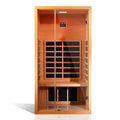
Safety begins before the first session. A sauna should be installed on a stable, level surface with appropriate electrical service, clear ventilation requirements, and the manufacturer-recommended clearance around the unit. Do not improvise electrical connections or place a sauna in an area prone to standing water.
Look for dependable temperature controls, an accessible timer, interior lighting that supports safe entry and exit, and materials designed for repeated heat exposure. The cabin should feel composed, not makeshift. For a high-use home wellness space, thoughtful delivery and professional installation can remove avoidable variables from the experience.
Keep the floor dry, inspect the power cord and controls regularly, and follow cleaning guidance for benches and surfaces. If a sauna has visible electrical damage, unusual odors, malfunctioning controls, or inconsistent heating, stop using it until the issue is resolved.
Heat Tolerance Is Not a Performance Metric
People often bring an athlete's mindset into recovery: longer, hotter, harder. That instinct can be useful in training and counterproductive in heat. A productive infrared sauna session may be 15 calm minutes after strength work, or 25 minutes on a low-stress evening when you are well hydrated and well rested.
Your response will vary by sleep quality, travel, menstrual cycle, training load, medication, room temperature, and stress. Treat those variables as useful feedback. If heat suddenly feels harder than usual, shorten the session or skip it. Consistency comes from respecting the day in front of you.
For many HALOR customers, the value of an at-home sauna is not intensity. It is access to a repeatable recovery ritual without a commute, scheduling friction, or an overstimulating environment. The strongest routine is the one that supports your life without demanding that you override your body.
A Measured Approach Creates Better Results
Infrared sauna safety is less about finding a universal minute count and more about using sound judgment. Start conservatively, hydrate consistently, avoid alcohol, know your medications and health conditions, and stop at the first sign that the session is no longer serving you.
Make heat a practice of attention. When the cabin becomes a place for stillness rather than endurance, you are more likely to leave with what you came for: a quieter nervous system, a more settled body, and the capacity to show up well tomorrow.