
Longevity Routines for Home That Actually Last
A recovery routine only works when it survives a full calendar: early calls, travel weeks, hard training blocks, family dinners, and the occasional low-energy Tuesday. The most effective longevity routines for home are not built around doing more. They are built around reducing friction, creating a clear sequence, and making high-quality recovery available when you need it.
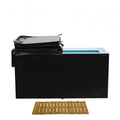
For high performers, home wellness equipment is not a replacement for medical care, sound nutrition, sleep, or training. It is a way to make the practices that support those foundations more consistent. A cold plunge in the garage, an infrared sauna near the primary suite, or a red light panel in a dedicated recovery space can turn an intention into a repeatable ritual.
Build Longevity Routines for Home Around Your Real Schedule
The best routine begins with a simple question: when does your body need support most? For many people, the answer is not the same every day. A strength-focused athlete may prioritize heat and mobility after training. A founder managing long days may use morning light exposure and hydration to establish focus, then reserve heat for a calmer evening transition. Someone working through inconsistent sleep may need fewer intense inputs and a more deliberate wind-down.
Choose two dependable anchors before adding anything else. Morning and evening tend to work because they are already defined by existing habits. A five- to 10-minute red light session while reviewing the day, followed by hydration, is easier to sustain than a complicated 90-minute protocol. In the evening, a sauna session followed by a cool shower, light stretching, and a consistent bedtime may create a stronger recovery signal than sporadic, maximal sessions.
Consistency matters more than novelty. A premium recovery space should make the next session feel obvious: towels within reach, water prepared, settings saved, lighting softened, and enough room to move without negotiation. Design is not separate from adherence. It is part of it.
Start With a Minimum Effective Ritual
Start at a level you can maintain for four weeks. This may mean three sauna sessions per week rather than daily use, or brief cold exposure two or three times weekly instead of forcing a demanding protocol each morning. Your routine should leave you feeling clearer and more capable, not depleted or preoccupied with checking another task off the list.
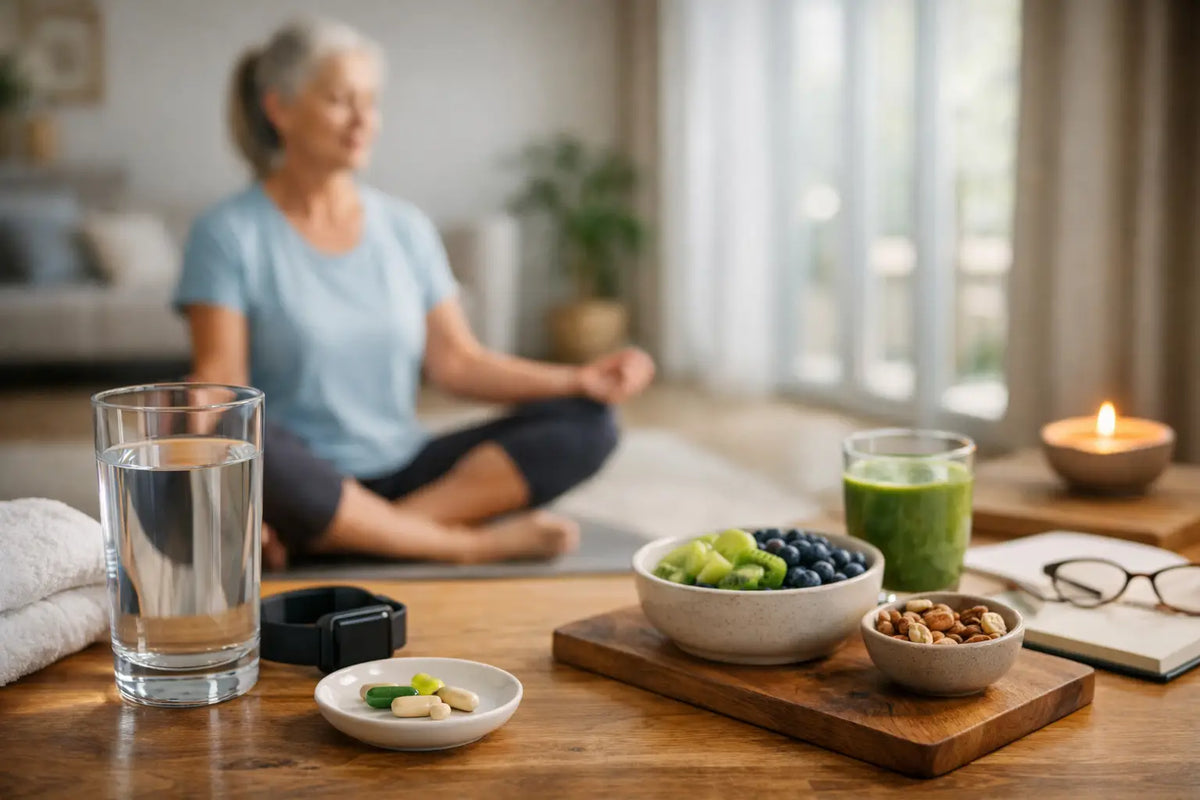
Track only a few signals: sleep quality, resting energy, training readiness, mood, and soreness. Wearable data can be useful, but it should support judgment rather than replace it. If your sleep, mood, or recovery trends in the wrong direction, reduce duration, frequency, or intensity before adding more tools.
Create a Home Recovery System, Not a Collection of Devices
Each modality has a role. The value comes from placing it in a system that fits your goals, space, and tolerance.
Infrared Heat for Downshifting and Recovery
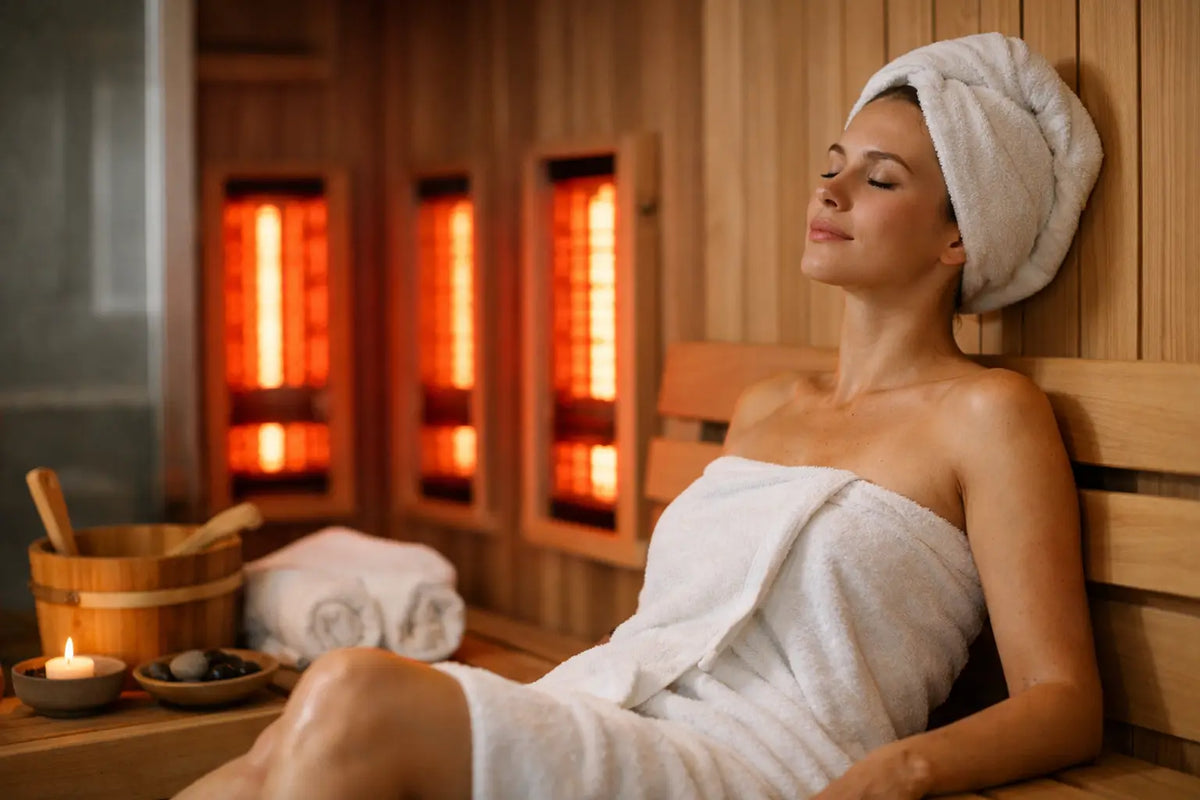
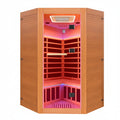
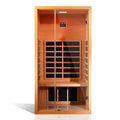
Infrared sauna use can provide a quiet, controlled setting for relaxation after a demanding day or training session. The heat elevates heart rate and promotes sweating, while the contained environment encourages stillness - a rare performance advantage in a home filled with screens and obligations.
For most users, an evening sauna session is practical because it creates a clear boundary between output and recovery. Begin conservatively, hydrate before and after, and allow time to cool down before bed. Heat is not automatically better at higher temperatures or longer durations. The right session is one that feels restorative and does not interfere with sleep or leave you underhydrated.
People with cardiovascular conditions, low blood pressure, pregnancy, medication considerations, or other health concerns should consult a qualified clinician before beginning regular heat exposure. The same caution applies to every intensive recovery modality.
Cold Exposure for Deliberate Stress
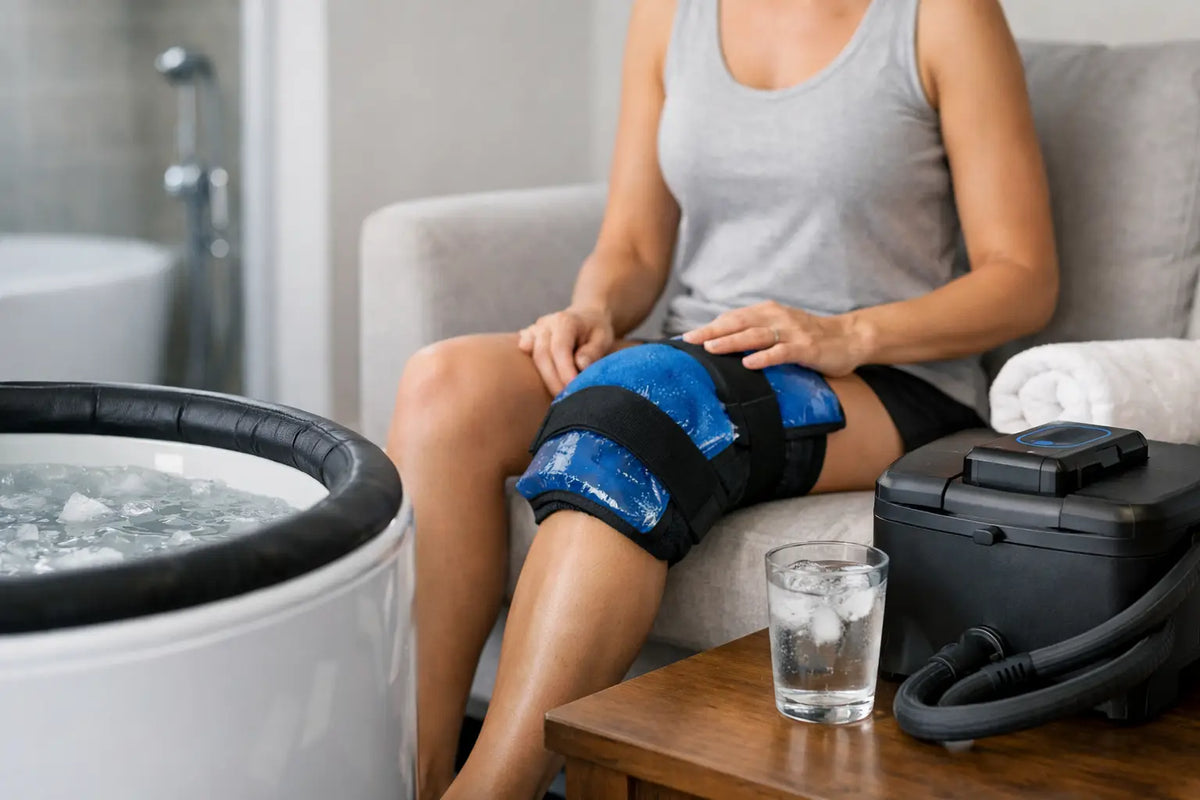
A cold plunge introduces a brief, controlled stressor. Used thoughtfully, it can sharpen alertness and build a practice of calm under discomfort. The benefit is not in proving toughness. It is in learning to regulate your breathing, settle your nervous system, and return to baseline with intention.
Timing is the key trade-off. Cold exposure may feel ideal in the morning or on a rest day when alertness is the goal. Immediately after strength training, however, frequent cold immersion may not suit someone whose primary objective is maximizing muscle growth. The inflammatory response to resistance training is part of adaptation. If hypertrophy is your priority, separate cold sessions from lifting when possible, or reserve them for endurance training, competition recovery, or periods of high soreness.
Keep early sessions short and controlled. Never use cold exposure alone if you are new to it, and stop if you experience concerning symptoms. The calm, repeatable practice is more valuable than an aggressive temperature target.
Red Light as a Low-Friction Daily Practice
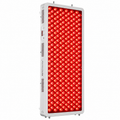
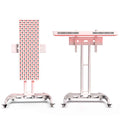
Red and near-infrared light therapy is often the easiest modality to integrate because sessions are brief and do not require a full recovery block. Many people place a panel where it naturally fits into an existing pattern: near a stretching area, beside a desk, or in a bedroom routine.
Use it consistently according to the device guidance rather than extending sessions indiscriminately. The appeal is its low-friction nature. A few intentional minutes can become a dependable cue for mobility work, breathwork, or the transition from work mode to training mode. Eye protection and appropriate use instructions still matter, especially with high-powered panels.
Hydration That Supports the Rest of the Routine
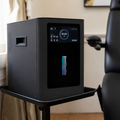
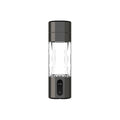
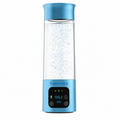
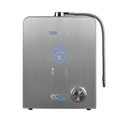
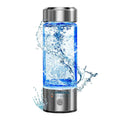
Hydration is less dramatic than heat, cold, or light, but it determines how well the rest of your routine feels. A water ritual at home can create a practical pause before caffeine, after heat exposure, and around training. Hydrogen water may be a complementary part of that ritual for those interested in molecular hydrogen, though it should be viewed as an addition to - not a substitute for - adequate fluid intake, nutrition, and sleep.
The most useful system is the one you will use. Keep water visible, chilled if you prefer it, and ready before a sauna or workout. If you sweat heavily, account for electrolytes and discuss individual needs with a healthcare professional when necessary.
A Sample Week of Home Longevity Practice
A sustainable week has rhythm, not rigidity. Consider three infrared sauna sessions on nonconsecutive evenings, two brief cold plunge sessions on mornings or recovery days, and red light several times a week alongside mobility. Add walking, strength training, protein-rich meals, and a protected sleep window, because no piece of equipment can compensate for a chronically disorganized lifestyle.
Your schedule may call for a different mix. During a heavy work period, shorter red light and sauna sessions may be more realistic than cold exposure. During a demanding training block, heat and hydration may take priority. During travel, the goal may simply be maintaining sleep and movement until your home routine is available again. Longevity is a long horizon. Adaptation is part of discipline.
Make the Space Worth Returning To
A home recovery setup should feel calm before the session begins. Choose a location with reliable electrical access, ventilation where appropriate, easy cleaning, and enough clearance to use equipment safely. Consider the experience around the equipment as carefully as the equipment itself: flooring that tolerates moisture, soft lighting, storage for towels, and a place to sit after heat or cold exposure.
This is where premium service matters. Delivery, installation, maintenance guidance, trial periods, financing, and warranty coverage remove practical barriers that can otherwise turn a valuable purchase into an unfinished project. HALOR approaches home recovery as a system designed for real adoption, not a showroom accessory.
The goal is not to turn your home into a clinic or to optimize every minute. Build a space that makes you want to show up for yourself when no one is watching. A deliberate 20 minutes, repeated for years, has more value than an ambitious routine you abandon by February.