
Guide to Home Cold Therapy for Daily Recovery
A cold shower is easy to start and easy to abandon. A deliberate cold practice is different: the water is ready, the temperature is known, and the session has a clear place in your week. This guide to home cold therapy is designed for that distinction. The goal is not to prove toughness. It is to create a repeatable recovery ritual that supports your training, focus, and long-term health priorities without disrupting the rest of your life.
Why cold exposure belongs in a home recovery system
Cold exposure creates an immediate physiological stressor. Breathing quickens, the nervous system becomes alert, and blood vessels near the skin constrict. With controlled, appropriately dosed exposure, many people use this response to feel more awake, reset after demanding workdays, and build a greater tolerance for discomfort.
The strongest case for home cold therapy is consistency. A brief session performed two or three times a week is usually more useful than an occasional, punishing ice bath. Home access removes the friction of driving to a recovery studio, booking a session, or relying on ideal weather. It turns a high-performance modality into a quiet, available part of your environment.
There are trade-offs. Cold immersion can reduce soreness perception after hard exercise, which may be valuable during dense training blocks or competition. But frequent cold immersion immediately after resistance training may blunt some of the signaling associated with muscle growth. If hypertrophy is your primary objective, separate your plunge from strength sessions by several hours, or reserve it for rest days and high-fatigue periods.
A guide to home cold therapy: choose the right entry point
The best setup is the one you will use with composure. Cold showers are accessible and require no equipment, but they provide limited control over water temperature and make it harder to relax into a stable exposure. Ice baths can be effective, yet managing ice, water quality, drainage, and inconsistent temperatures quickly becomes a burden.
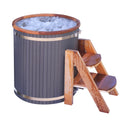
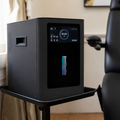
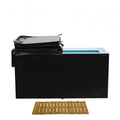
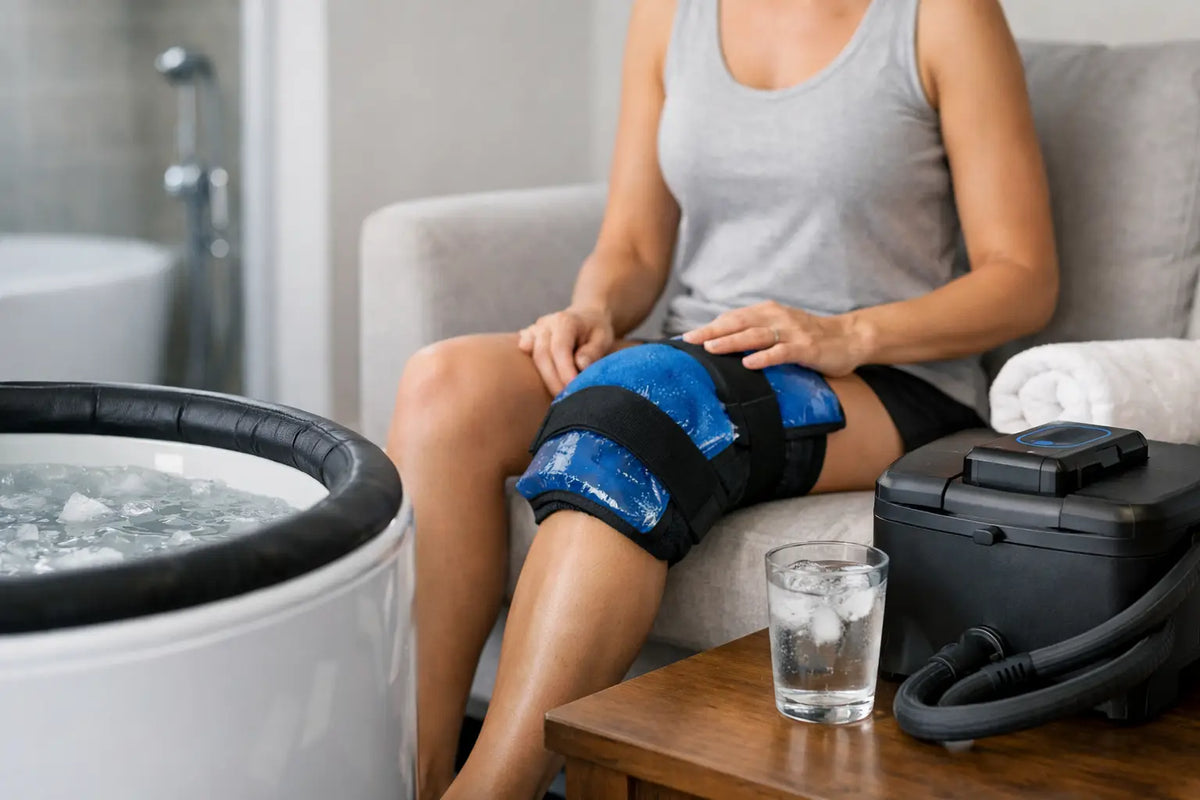
A dedicated cold plunge is built for people who value precision and routine. Temperature control lets you progress gradually rather than guessing at the intensity. Filtration and sanitation reduce the maintenance demands of standing water. A well-designed unit also changes the experience of the practice itself: it feels intentional, clean, and integrated into the home rather than improvised in a garage or bathtub.
Before selecting any system, consider where it will live. Measure the space, verify floor or deck load requirements, plan for drainage and electrical access, and account for ventilation if the unit will sit indoors. Outdoor placement can be excellent, but climate, direct sun, and privacy matter. Premium equipment deserves a setting that makes daily use feel effortless.
For a high-consideration investment, service infrastructure matters as much as the tub. Delivery coordination, installation support, warranty coverage, and clear maintenance guidance protect the experience long after purchase. This is one reason a curated home recovery provider such as HALOR can be valuable: the modality should arrive as a functioning part of your routine, not another project to solve.
Start with a protocol you can sustain
Your first month should feel controlled, not heroic. Begin with water around 55 to 60°F and stay in for 30 seconds to two minutes. Focus on slow nasal breathing, relaxed shoulders, and a calm exit. If that range feels manageable after several sessions, reduce the temperature gradually or add time, but not both at once.
For many healthy adults, a practical baseline is two to four sessions per week, totaling roughly 6 to 12 minutes of exposure. Some experienced users prefer colder water, often in the 45 to 55°F range, for one to three minutes. Colder is not automatically better. The right dose is the lowest intensity that produces a clear, repeatable stimulus while allowing you to recover well and look forward to returning.
Use your response as data. Shivering that stops soon after you dry off is common. Prolonged shivering, numbness, dizziness, confusion, chest discomfort, or a feeling that you cannot warm back up means the session was too intense or requires medical attention. End the session immediately if you feel unwell.
A simple weekly rhythm might place cold exposure on non-lifting mornings, after endurance sessions when muscle-building adaptation is less central, or during an afternoon energy dip. Avoid treating it as a mandatory daily test. Your sleep quality, training load, travel, and stress level should influence the dose.
The first 10 sessions
For sessions one through three, try 60 seconds at 55 to 60°F. Sessions four through six can move to 90 seconds or two minutes at the same temperature if your breathing remains controlled. For sessions seven through 10, choose either two to three minutes at 50 to 55°F or maintain the original protocol and improve your calmness within it.
The metric worth tracking is not only time in the water. Notice how quickly your breath settles, how you feel 30 minutes later, and whether the practice supports or interferes with sleep and training. A disciplined protocol creates better information than chasing a personal record.
Make safety part of the ritual
Cold water changes cardiovascular demand quickly. Never use a plunge alone if you are new to cold exposure or attempting a more intense protocol. Enter slowly, keep your head above water, and avoid breath-holding contests or hyperventilation before immersion. Rapid, forceful breathing can increase the risk of fainting.
Speak with a qualified clinician before beginning if you have cardiovascular disease, high blood pressure that is not well controlled, arrhythmias, circulation problems, Raynaud's phenomenon, diabetes with nerve damage, a history of fainting, pregnancy, or any condition affected by abrupt temperature change. The same applies if you take medication that influences blood pressure, heart rhythm, or temperature regulation.
Do not plunge after alcohol, recreational drug use, or when you are ill, severely sleep-deprived, or dehydrated. Avoid combining cold exposure with sauna use until you understand how each modality affects you individually. Contrast routines can feel compelling, but the added thermal stress is not necessary for results and may be excessive for some people.
Keep towels, warm layers, and a stable place to sit nearby. After exiting, dry off, dress, and allow your body to rewarm gradually through light movement and a warm drink if desired. Skip the urge to turn rewarming into another extreme challenge.
Water quality is part of performance
A cold plunge is only as inviting as it is clean. Follow the manufacturer’s guidance for filtration, sanitation, water changes, and surface cleaning. The exact schedule depends on bather load, whether the unit is indoors or outdoors, the filtration system, and how often users enter after training.
Rinse off before entering, especially after exercise, sunscreen, or body products. This small habit preserves water quality and lowers maintenance demands. Check the water regularly for clarity, odor, and debris. A premium home recovery practice should feel calm and hygienic every time you step in.
Build the practice around your actual life
The most effective cold routine is often brief and predictable. Some people use it before work for alertness and a clear mental reset. Others prefer late afternoon, when the ritual creates a boundary between professional demands and personal time. If evening cold exposure leaves you energized, move it earlier rather than forcing it into a schedule that compromises sleep.
Pair the plunge with an existing cue: the end of a morning walk, the completion of a training session, or the first quiet moment after the workday. Keep the sequence simple. Fill a glass of water, set a timer, enter with control, breathe until the timer ends, and rewarm. The environment should support stillness, not create decisions.
Cold therapy works best as one modality within a broader recovery system. Strength training, zone 2 cardiovascular work, protein intake, sleep, hydration, and stress management remain foundational. A plunge can sharpen a well-built routine. It cannot compensate for a chronically overextended one.
Start conservatively, maintain the equipment well, and let calm consistency set the standard. The best home cold practice is not the coldest or longest. It is the one that makes you more capable of showing up for the work that matters.