
Best Hydrogen Water Bottles: What Matters
A hydrogen water bottle can look like a simple upgrade to a daily hydration habit. The difference between a compelling tool and an expensive novelty, however, comes down to engineering: how hydrogen is generated, how much reaches the water, and whether the bottle fits the rhythm of real life. The best hydrogen water bottles are not defined by a glowing base or a long list of wellness promises. They are defined by credible output, clean materials, reliable operation, and a ritual you will actually maintain.
For performance-minded households, that distinction matters. A bottle that lives on your desk, travels to training, and integrates into a deliberate recovery routine has more value than a device that spends most of its life in a cabinet.
What a hydrogen water bottle is designed to do
Molecular hydrogen, or H2, is a colorless, tasteless gas. Hydrogen water bottles use electrolysis to dissolve molecular hydrogen into drinking water. In a well-designed system, an electrolysis chamber separates gases during the process, allowing hydrogen to enter the water while directing oxygen and other byproducts away from the drinking chamber.
Interest in hydrogen-rich water is rooted in early and ongoing research into oxidative stress, exercise recovery, inflammation signaling, and metabolic health. The research is promising in select contexts, but it is not a license for sweeping claims. Human studies are still varied in design, dose, duration, and outcomes. Hydrogen water should be viewed as a supportive wellness practice, not a replacement for sleep, nutrition, medical care, or disciplined training.
That measured perspective is useful when shopping. You are not buying a miracle. You are choosing a compact piece of wellness hardware intended to make a potentially beneficial practice convenient and repeatable.
Best hydrogen water bottles: the criteria that count
The market uses plenty of language that sounds technical. “High concentration,” “advanced SPE,” and “PEM technology” can be meaningful, but only if a brand explains the system clearly and supports its claims. Focus on the details below before comparing style, color, or accessories.
Meaningful hydrogen concentration
Hydrogen concentration is often displayed in parts per billion (ppb) or parts per million (ppm). Because 1 ppm equals 1,000 ppb, this is an easy area for confusing marketing. A brand should state the expected dissolved hydrogen level, the cycle length used to achieve it, and ideally the testing method.
Higher is not automatically better if the number cannot be reproduced in normal use. Hydrogen is volatile and dissipates after generation, especially if the water is left open or stored for extended periods. A practical bottle produces hydrogen in a short cycle and encourages you to drink the water soon afterward.
Be cautious with extraordinary concentration claims that lack test conditions. Ask whether the figure refers to dissolved hydrogen in water, total gas generated, or a measurement taken immediately under controlled laboratory conditions. Those are not interchangeable.
PEM and SPE electrolysis design
Premium bottles commonly use proton exchange membrane (PEM) and solid polymer electrolyte (SPE) technology. In simple terms, these systems are designed to separate hydrogen and oxygen during electrolysis. This separation matters because it helps limit unwanted gases from entering the water you drink.
Some low-cost devices use a basic electrode setup without clear gas separation. They may still create visible bubbles, but bubbles alone do not establish meaningful dissolved-hydrogen output or water quality. Look for a transparent explanation of the internal system rather than treating a visual effect as proof of performance.
Materials that belong in a daily ritual
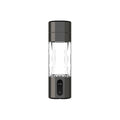
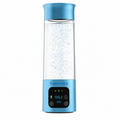
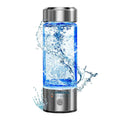
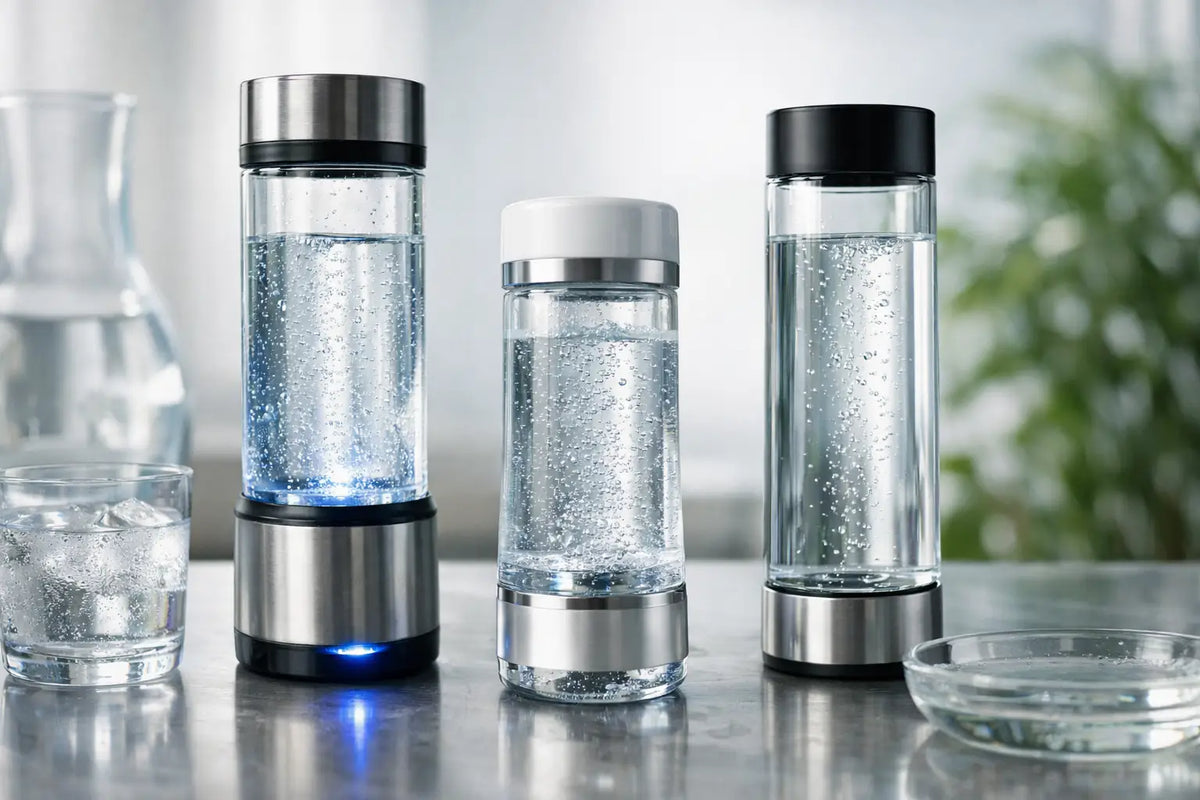
The water-contact surfaces deserve the same scrutiny as the electrolysis system. Borosilicate glass offers a clean, refined drinking experience and resists odors and flavor transfer. It is well suited to home, office, and bedside use, though it demands more care in a gym bag. BPA-free Tritan or other food-grade plastics can be lighter for travel, but verify the material and cleaning guidance.
The electrode chamber should be designed for repeated exposure to water and supported by clear instructions. A bottle is not automatically better because it uses stainless steel elsewhere. What matters is which materials touch your water, how easily the bottle can be cleaned, and whether replacement parts are available.
Water compatibility and filtration expectations
Hydrogen bottles are not water filters unless the manufacturer explicitly says otherwise. They do not remove contaminants, disinfect tap water, or correct poor-tasting water. Start with clean, potable water.
Water mineral content also affects electrolysis. Very pure distilled water may not conduct electricity effectively, while extremely hard water can contribute to mineral buildup. If your home has hard water, consider using filtered drinking water and follow descaling guidance precisely. A brand that is clear about acceptable water types is generally thinking beyond the first sale.
A design you can use without friction
The right bottle should feel intentional in the hand and uncomplicated on a busy morning. Consider capacity, charging method, cycle time, lid seal, weight, and how the bottle behaves after a few weeks of use. A compact 10- to 12-ounce glass bottle may be ideal for a focused desk ritual. Someone who trains, commutes, or travels often may value a lighter vessel and dependable USB-C charging.
Also look at the cleaning process. If a device has narrow chambers, difficult seals, or vague care instructions, consistency becomes less likely. The best practice is one that stays calm and simple: fill, run a cycle, drink, rinse, repeat.
Claims worth questioning before you buy
Hydrogen water is a category where precision protects the buyer. Do not accept language about “negative ORP” as the entire case for a product. Oxidation-reduction potential is influenced by several factors and does not, by itself, verify the amount of dissolved hydrogen in the bottle.
Similarly, avoid treating a high pH claim as a health benefit. Hydrogen water and alkaline water are different concepts. A quality hydrogen bottle may affect pH during electrolysis, but the central consideration is dissolved molecular hydrogen, not a dramatic pH reading.
A credible brand will make its performance claims understandable, acknowledge normal use conditions, and offer practical support. Look for warranty terms, responsive customer care, clear safety materials, and a return policy that gives you time to decide whether the ritual fits. These details are particularly relevant with premium wellness equipment, where service is part of the ownership experience.
Matching the bottle to your routine
There is no universal best choice because the right format depends on where and how you will use it. For a home-based longevity routine, a glass bottle with a stable base and a measured, quiet cycle can become part of a morning sequence alongside light exposure, mobility, or a protein-forward breakfast. The appeal is not speed alone. It is a moment of deliberate preparation before the day accelerates.
For athletes and frequent travelers, durability and charging convenience may take priority. A lighter bottle that can complete a cycle quickly is more likely to remain in rotation between sessions, meetings, and airport gates. In this case, confirm that the lid is genuinely leak-resistant and that the manufacturer provides sensible guidance for travel and battery care.
For those building a broader home recovery environment, choose a device that complements the system rather than complicates it. At HALOR, that means evaluating hydrogen water as one component of a structured practice - alongside recovery, heat, light, movement, and consistent sleep - rather than asking one product to carry every wellness goal.
How to get more from a hydrogen water bottle
Use fresh, cold or room-temperature potable water unless the manufacturer directs otherwise. Run the recommended cycle, then drink the water promptly with the lid closed between sips. Heat and time allow dissolved hydrogen to escape, so generating a bottle hours before you plan to drink it defeats much of the purpose.
Consistency is more useful than occasional intensity. Many people place a session at a reliable point in the day: on waking, before training, after a sauna session, or during an afternoon reset. The ideal timing depends on preference and the specific product instructions. What matters is making the bottle easy to reach and easy to use.
Cleaning is part of performance. Rinse after use, dry components as instructed, and descale on the recommended schedule if you use mineral-rich water. Do not add electrolyte powders, citrus, tea, or supplements to the electrolysis chamber unless the manufacturer explicitly permits it. These additions can damage the system, alter conductivity, and make output less predictable.
A premium hydrogen water bottle earns its place through quiet reliability. Choose one with transparent technology, sound materials, and support that remains available after delivery. Then give it a permanent place in your routine, where the small act of preparing your water can become a daily cue for greater clarity, recovery, and care.