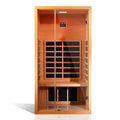


How to Build a Sauna Routine That Sticks
A sauna session can feel exceptional once. The real return comes from repetition: heat exposure placed deliberately into your week, with enough recovery around it to make the practice sustainable. Learning how to build sauna routine is less about chasing the longest or hottest session and more about creating a ritual you can return to with calm consistency.
For most people, the right routine supports a broader performance system. It gives you a protected window to downshift after training, sharpen the boundary between work and evening, and practice recovery without adding complexity to an already full schedule.
Start With the Outcome You Want
A sauna routine should have a job. If you train hard, it may be part of your post-workout recovery rhythm. If your days are cognitively demanding, it may be an evening decompression practice that helps you transition out of a heightened state. If longevity and metabolic health are your focus, the goal may be steady weekly heat exposure over months and years.
These goals can overlap, but the timing changes. A late-night session may feel restorative after a demanding workday, while a mid-afternoon session can be more practical on a non-training day. Avoid treating the sauna as another task to complete. The most effective routine is the one that fits the architecture of your real life.
Choose a Frequency Before Chasing Intensity
Consistency matters more than heroic sessions. For someone new to sauna use, two sessions per week is a disciplined place to begin. Use 10 to 15 minutes per session at a comfortable temperature, then assess how you feel during the session, later that evening, and the following morning.
After two to three weeks, many people can progress to three or four weekly sessions of 15 to 25 minutes. Experienced users may choose more frequent exposure, but daily use is not automatically better. Training volume, sleep quality, hydration, medication use, and heat tolerance all affect the appropriate dose.
A practical weekly rhythm might include a short session after two strength workouts, a longer low-stimulation session on a rest day, and an optional weekend session. This gives your routine structure without making it fragile. Miss one session, and the entire week does not feel lost.
Think in Weekly Exposure
Rather than judging success by one session, look at your total weekly exposure. Three 20-minute sessions are often more useful and manageable than one punishing 60-minute attempt. Regular exposure also gives you better feedback. You can notice whether heat improves your sense of recovery, helps you unwind, or simply asks too much of your current schedule.
The goal is controlled adaptation, not endurance theater.
Set the Right Time of Day
Your sauna should support your day, not disrupt it. Morning sessions can create a clear, intentional start, particularly for people who enjoy training early or want a screen-free ritual before work. The trade-off is time: heat exposure followed by cooling, showering, and rehydrating requires more than a rushed five-minute gap.
Post-training use is popular because the body is already warm and the session can become a clean signal that training is over. Keep the first few post-workout sessions shorter, especially after intense conditioning, long endurance work, or training in a hot environment. You have already lost fluid and electrolytes, so your recovery needs are higher.
Evening sauna use is often the easiest habit to maintain. A session one to two hours before bed can create a sense of physical release and stillness. But individual responses vary. Some people sleep well after heat; others feel energized or uncomfortable if the session is too late. Test the timing for a week before making it a fixed rule.
Build Each Session Around Simple Cues
A strong sauna ritual has clear entry and exit points. Start hydrated, but do not arrive with a stomach full of water. Drink steadily throughout the day and have water available afterward. If you sweat heavily, train frequently, or use the sauna for longer sessions, an electrolyte drink may be appropriate. The point is to replace what you lose, not to force excessive fluid intake.
Enter with a relaxed pace. Leave your phone outside when possible. The sauna is one of the few places where doing less is the actual protocol. Sit comfortably, breathe normally, and pay attention to the basic signals: dizziness, nausea, headache, unusual weakness, or a racing heartbeat are reasons to end the session immediately.
When your time is complete, stand slowly. Give your body a moment before walking, showering, or beginning any cooling practice. A cool or lukewarm shower can feel refreshing, while a cold plunge adds a more intense recovery stimulus. They can work well together, but they do not need to be paired every time. If your goal is a quiet evening wind-down, gentle cooling may preserve the calm better than a sharp cold exposure.
A Simple Session Structure
For a new user, the sequence can be straightforward: hydrate through the day, sit in the sauna for 10 to 15 minutes, cool down gradually, shower if desired, and continue rehydrating. For a more established routine, a 20-minute session followed by a few minutes of quiet recovery can be enough.
Multiple rounds are optional, not required. They suit people who enjoy a longer ritual and have the time to cool down between rounds. One well-executed round is more than sufficient for a meaningful home practice.
Adjust the Routine to Your Training
Heat is a stressor. Productive stress can support adaptation, but piling it onto exhaustion is rarely a sophisticated strategy. After a moderate strength session, sauna use may feel like a natural extension of recovery. After a maximal interval workout, a long run in high heat, or a day when you are under-fueled, a shorter session or a complete rest day may be the better choice.
If muscle growth is a primary goal, be thoughtful about immediate cold immersion after lifting. Cold exposure can be useful for soreness and perceived recovery, but routinely using intense cold directly after resistance training may not align with every hypertrophy-focused program. In that case, separate the cold plunge from your lifting session, while keeping the sauna as a distinct part of your recovery schedule.
This is where a home setup has an advantage. You can use each modality with precision rather than forcing every benefit into one rushed visit to a gym or spa.
Make the Environment Worth Returning To
The routine becomes durable when the space lowers friction. Keep clean towels nearby. Set aside a consistent water bottle. Choose low, indirect lighting for evening sessions. If music helps you settle, use it sparingly. If silence is rare in your home, let the sauna be the place where it returns.
Premium wellness equipment earns its place when it becomes part of the household rhythm, not an object used during a short burst of motivation. HALOR approaches home recovery with that standard in mind: practical access, elevated design, and a system that makes regular use feel natural.
Do not over-engineer your tracking. A simple note in your training log can be enough: session length, time of day, and how you felt afterward. Over several weeks, patterns become visible. You may find that 15-minute weekday sessions improve adherence, while longer weekend sessions offer more psychological reset.
Know When to Pause or Get Medical Guidance
Sauna use is not appropriate for every circumstance. Skip the session when you are ill, dehydrated, hungover, severely sleep-deprived, or recovering from a fever. Pregnancy, cardiovascular conditions, low blood pressure, kidney disease, and medications that affect hydration, blood pressure, or heat regulation all warrant individualized guidance from a qualified clinician.
Alcohol and sauna use are a poor combination. So is treating discomfort as proof of discipline. The right session leaves you pleasantly tired or deeply relaxed, not depleted.
Build your routine slowly enough that you trust it. A sauna is not a test of willpower. It is a deliberate practice - a warm, quiet interval in the week where recovery receives the same level of attention as performance.