

Sauna After Workout Recovery That Works
The final minutes of a training session shape more than how you feel that afternoon. They influence whether your body settles into recovery or carries unnecessary fatigue into tomorrow. Sauna after workout recovery can be a highly effective part of that transition, provided heat is used with the same intention as your training: with appropriate timing, hydration, and respect for your current capacity.
A sauna is not a shortcut around sleep, nutrition, or intelligently programmed rest. It is a controlled stressor - one that can create a calm, deliberate downshift after effort. For people building a serious home recovery practice, that distinction matters.
What Sauna After Workout Recovery Can Support
The immediate appeal of post-workout heat is obvious: muscles feel less guarded, the nervous system begins to settle, and the body moves from exertion toward stillness. But the value of sauna use is not simply that it feels good.
Heat exposure elevates heart rate and increases blood flow to the skin as the body works to regulate core temperature. This cardiovascular response can resemble low-intensity aerobic work, though it is not a replacement for it. Many people also find that a sauna session reduces the subjective feeling of stiffness after training and makes the transition into the evening feel more restorative.
There is also a practical behavior benefit. A well-designed recovery ritual creates separation between training and the rest of your day. Instead of finishing a demanding session, checking your phone, and rushing into the next obligation, you have a defined period to breathe, rehydrate, and let the system come down. Consistency in that ritual often delivers more value than chasing an extreme protocol.
Research on regular sauna bathing has associated frequent use with favorable cardiovascular outcomes in certain populations. Those findings are promising, but they do not mean a single post-lift session will transform fitness or erase muscle soreness. Your training quality, protein intake, total energy intake, sleep, and stress load remain the foundation.
Relaxation is a performance variable
Hard training relies on a productive cycle: apply stress, then recover enough to adapt. Heat can support the recovery side of that cycle by creating an environment that encourages parasympathetic activity - the branch of the nervous system associated with rest and digestion.
That effect is individual. One athlete may leave a 15-minute infrared session feeling composed and ready for sleep. Another may feel overstimulated if they use intense heat too late at night. The right protocol should leave you calmer, not depleted.
Timing Your Sauna After a Workout
For most people, the best time to use a sauna is after the workout is complete and the initial cool-down is underway. Give yourself several minutes to bring your breathing and heart rate down, change out of sweat-soaked clothing, and begin replacing fluids. Entering a hot environment while still lightheaded from intervals, heavy lifting, or a long run is not a badge of discipline. It is poor recovery management.
A practical starting point is 10 to 15 minutes at a comfortable setting. If you tolerate heat well and are properly hydrated, you may gradually work toward 20 minutes. There is rarely a performance advantage to forcing longer exposure when your body is signaling that it has had enough.
Your training modality changes the equation. After strength training, a moderate sauna session may be a useful way to relax tight-feeling muscles and establish a post-training ritual. After endurance work in hot conditions, however, your first priority is fluid, electrolyte, and calorie replacement. Adding heat immediately after a dehydrating session may compound the stress you are trying to recover from.
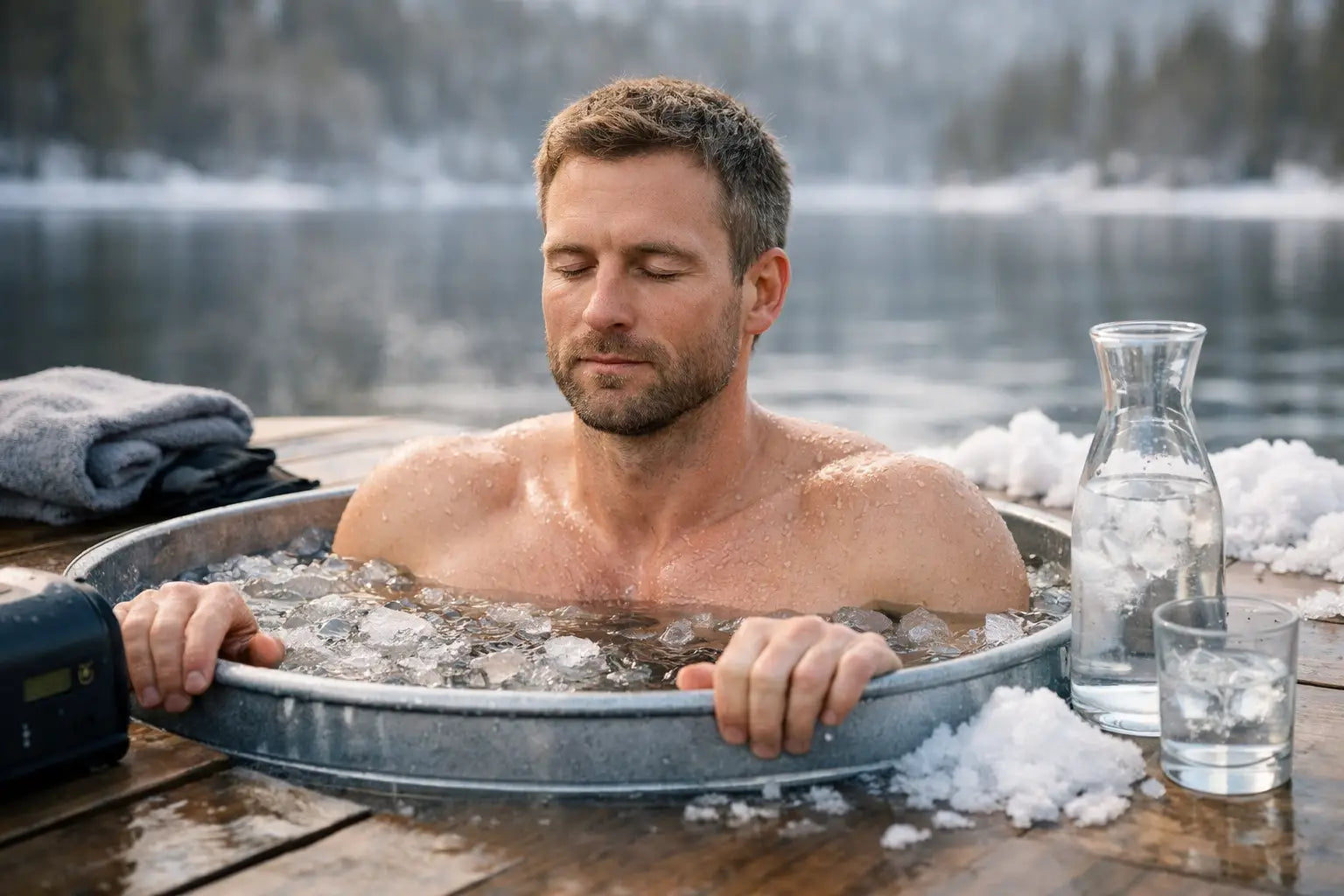
If your goal is maximal muscle growth, be thoughtful rather than fearful. The strongest concerns around post-exercise temperature exposure and hypertrophy have centered on cold-water immersion immediately after resistance training, not sauna use. Still, more heat is not automatically better. A brief, tolerable session after lifting is reasonable for most healthy people; an exhausting, prolonged session that compromises appetite, hydration, or sleep is not.
Morning training versus evening training
Morning exercisers can use a sauna as a clean transition into the day, especially if there is time afterward to shower, eat, and rehydrate. Keep the session controlled. You do not want to leave home already behind on fluids.
For evening training, heat can become a powerful cue that the workday and workout are over. Finish the sauna with enough time to cool down before bed. Some people sleep exceptionally well after an evening session, while others need a wider buffer. Track your own response for two weeks rather than relying on a universal rule.
Hydration Is Part of the Protocol
Sweating is not proof of detoxification, and more sweat does not mean more benefit. It is primarily your body’s cooling mechanism. Treat the fluid loss accordingly.
Begin your workout reasonably hydrated. After training, drink water before entering the sauna, then continue sipping afterward. For longer sessions, high-volume training days, or anyone who sweats heavily, an electrolyte drink can be useful. Sodium is especially relevant because sweat losses are not just water losses.
A simple check is your post-session state: you should feel relaxed and clear, not nauseated, headachy, dizzy, or unusually fatigued. Dark urine, persistent thirst, cramps, and a racing heart are also signs to take hydration more seriously and reduce your heat exposure next time.
Avoid alcohol before or immediately after sauna use. It interferes with hydration, blood pressure regulation, and good judgment around heat tolerance. A recovery routine should sharpen your next decision, not make it riskier.
Choosing the Right Heat Exposure
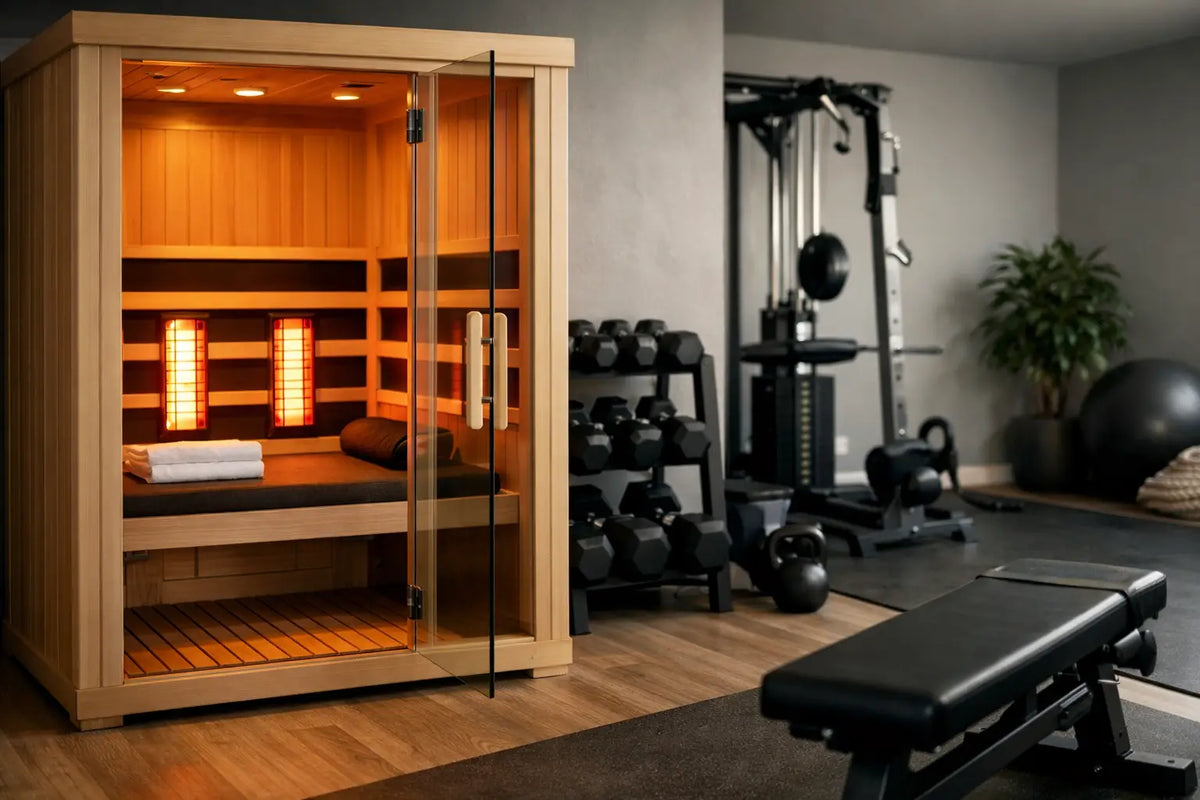
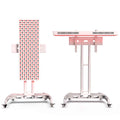
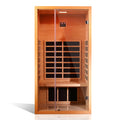
Traditional saunas use high ambient heat, while infrared saunas use infrared energy to warm the body at lower surrounding air temperatures. Neither format needs to become an identity statement. The better choice is the one you can use consistently, safely, and comfortably in your home.
A traditional sauna can deliver an intense, enveloping heat experience. It may appeal to people who enjoy higher temperatures and a more ritualized bathing practice. Infrared heat often feels more approachable for longer, steady sessions because the air temperature is lower. For a home recovery space, that can make regular use easier after a demanding day.
The protocol matters more than the label. Start below your ego threshold. A session should feel challenging enough to be intentional, yet controlled enough that you could repeat it tomorrow. That is the standard for a sustainable longevity practice.
At HALOR, the goal is not to turn recovery into another source of pressure. It is to make high-quality modalities practical enough to become part of the architecture of your week: training, nourishment, heat, sleep, and repeat.
A Post-Workout Sauna Protocol to Start With
Use this as a baseline, then adjust for your training load, heat tolerance, and schedule.
First, complete a five- to 10-minute cool-down. Walk, breathe, and allow your heart rate to settle. Drink water and, if your workout was long or particularly sweaty, include electrolytes.
Next, enter the sauna for 10 to 15 minutes at a manageable temperature. Sit or recline comfortably. This is not the place for breath-holding challenges or scrolling through work messages. Slow nasal breathing and a quiet environment will serve the recovery goal better.
Afterward, step out gradually and cool down at room temperature or with a lukewarm shower. Rehydrate, eat a balanced meal with protein and carbohydrates when appropriate, and notice how you feel over the next hour. If you feel restored, sleep well, and maintain training quality, the dose is likely appropriate.
Increase duration or temperature only one variable at a time. A few extra minutes is enough to test tolerance. There is no need to combine a maximal workout, prolonged fasting, aggressive sauna exposure, and cold immersion in one afternoon simply because each tool is popular on its own.
When to Skip the Sauna
Heat exposure is not suitable for every day or every person. Skip the sauna when you are acutely ill, feverish, severely sleep-deprived, dehydrated, or recovering from gastrointestinal symptoms. Use caution after endurance events, outdoor summer training, or any session that has already produced substantial fluid loss.
People who are pregnant, have cardiovascular disease, uncontrolled blood pressure, a history of fainting, kidney disease, or take medications that affect blood pressure, sweating, or hydration should speak with a qualified clinician before establishing a sauna practice. The same applies if heat repeatedly causes chest discomfort, palpitations, severe dizziness, or unusual shortness of breath.
A premium recovery routine should make you more attentive to your body, not less. Stop immediately if you feel unwell. The most advanced protocol is the one you can sustain without compromising safety.
The strongest use of a sauna is not as a heroic finish to every workout. It is a quiet, repeatable signal: the work is done, recovery has begun, and tomorrow deserves a body with something left to give.