
Hydrogen Water Versus Alkaline Water Compared
A glass of water can look identical while serving two very different wellness goals. Hydrogen water versus alkaline water is not a contest between two versions of “better hydration.” One is defined by dissolved molecular hydrogen. The other is defined by a higher pH. Understanding that distinction keeps a daily ritual grounded in chemistry rather than marketing.
For performance-minded households, the better choice depends on what you are trying to support: a focused recovery practice, a preference for the taste of mineralized water, or simply a more intentional way to meet your hydration needs. Neither option replaces sleep, nutrition, training, or medical care. Both deserve a more precise look.
Hydrogen Water Versus Alkaline Water: The Core Difference
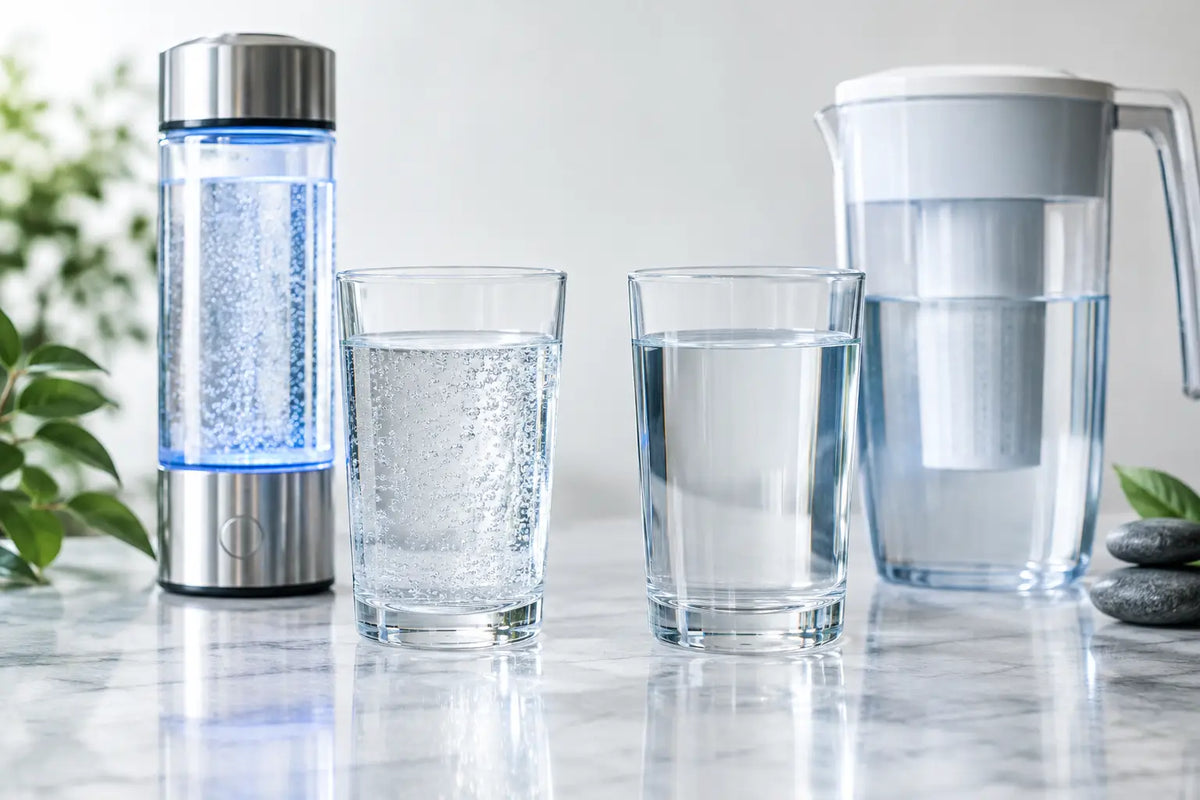
Hydrogen water contains dissolved molecular hydrogen, written as H2. Hydrogen is a colorless, odorless gas, and when it is dissolved in water, it does not meaningfully change the water’s pH. The point is not to make the water less acidic. It is to deliver molecular hydrogen, a small molecule being studied for its potential role in oxidative stress, exercise recovery, inflammation signaling, and metabolic health.
Alkaline water has a pH above neutral 7. It may occur naturally when water passes through mineral-rich rock, or it may be created through ionization or mineral additives. The higher pH is the defining feature. Some alkaline water systems also produce hydrogen as a byproduct, but the two terms are not interchangeable. A water source can be alkaline with little or no meaningful dissolved hydrogen, and hydrogen water can remain close to neutral pH.
That difference matters because pH and dissolved hydrogen are measured differently. Alkalinity is assessed through pH. Hydrogen concentration is commonly expressed in parts per million, or ppm, and can also be measured in milligrams per liter. A high pH number does not confirm a useful hydrogen concentration.
What the Research Actually Supports
Molecular hydrogen has attracted scientific interest because of its selective antioxidant and cell-signaling properties. Early human studies have explored its effects on muscle fatigue, markers of oxidative stress, cardiometabolic measures, and exercise recovery. The findings are promising in certain settings, but the body of evidence remains developing.
Many studies are small, use different protocols, and involve varied populations. That makes broad claims inappropriate. Hydrogen water should not be positioned as a treatment for disease or as a substitute for prescribed care. Its most credible place is as a low-friction wellness practice that may complement an already disciplined recovery routine.
Alkaline water research is more limited than its marketing often suggests. Your body regulates blood pH tightly through the lungs and kidneys. Drinking alkaline water does not meaningfully “alkalize” the blood of a healthy person. Some people prefer its taste, particularly when mineral content is higher, and limited research has examined potential effects on acid reflux or hydration under specific conditions. Those observations do not establish that higher-pH water is inherently superior for daily performance or longevity.
The practical distinction is clear: hydrogen water has a specific active component under study, while alkaline water is primarily a pH and mineral-profile choice.
The Hydration Question
Plain water remains highly effective for hydration. The amount you drink, the electrolytes you lose through sweat, your food intake, climate, and training load will have a much larger effect on hydration status than whether your water is hydrogen-rich or alkaline.
For longer training sessions, intense heat exposure, or substantial sweating, water alone may not be sufficient. Sodium and other electrolytes can be more relevant than pH or hydrogen concentration. This is especially true after a demanding sauna session, an extended endurance workout, or a high-output day outdoors.
Still, rituals matter. If a hydrogen bottle on your desk encourages consistent fluid intake, or a countertop filtration system makes water more appealing to drink, that adherence has value. The most effective home wellness tools are often the ones that become easy to use without negotiation.
Why Freshness Matters for Hydrogen Water
Hydrogen is exceptionally small and volatile. It can escape from water over time, particularly when exposed to air, heat, agitation, or a poorly sealed container. That means hydrogen water is best consumed soon after it is generated.
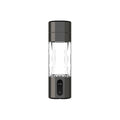
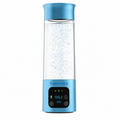
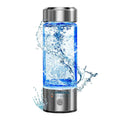
This is where device quality and daily behavior become more meaningful than an impressive label. A well-designed hydrogen water bottle should state how it generates hydrogen, identify its expected dissolved-hydrogen output, and use materials suited to regular use. It should also be simple enough to fit the rhythm of a real morning, workday, or post-training reset.
Avoid assuming that every product labeled “hydrogen” delivers the same experience. Some use electrolysis, while others use tablets or mineral-based reactions. Output can vary substantially, as can taste, maintenance requirements, and the presence of additives. Claims should be specific, testable, and proportionate to the available evidence.
Alkaline water is generally less time-sensitive from a pH perspective. Its mineral profile and taste may change by source or system, but alkalinity does not dissipate in the same way dissolved hydrogen does. That makes alkaline water simpler for people whose main priority is a consistent taste profile rather than a freshly prepared functional beverage.
When Alkaline Water May Make Sense
Alkaline water may suit someone who enjoys the taste of mineralized water and wants an alternative to standard filtered water. For some households, it is part of a broader kitchen-water upgrade that prioritizes filtration, convenience, and reduced reliance on single-use bottles.
The right question is not whether alkaline water can make every glass more powerful. It is whether the system provides clean, enjoyable water that your household will use consistently. If the answer is yes, it can support a sound hydration habit.
Be cautious with extreme pH claims. More alkaline is not automatically more beneficial, and aggressively alkaline water is not necessary for most people. Anyone with kidney disease, a condition affecting acid-base balance, or a clinician-directed fluid plan should speak with their healthcare provider before changing their routine substantially.
When Hydrogen Water May Be the Better Fit
Hydrogen water is the more targeted choice for people interested in the emerging research around recovery and oxidative stress. It fits naturally alongside deliberate practices such as resistance training, zone 2 cardio, cold exposure, infrared heat, protein-forward nutrition, and protected sleep.
The appeal is not intensity. It is precision. Preparing a fresh bottle before a workout, during a focused work block, or after a training session can create a quiet checkpoint in the day: hydrate, reset, continue. For people building a home-based longevity practice, that kind of repeatable cue is often as useful as novelty.
At HALOR, this modality is best viewed as one component of a considered recovery environment, not a shortcut. A hydrogen water bottle earns its place when it is easy to reach for, properly maintained, and used often enough to become part of the architecture of your routine.
How to Choose Without Overcomplicating It
Start with your objective. If you are drawn to molecular-hydrogen research and want a freshly prepared recovery ritual, choose a hydrogen water solution with transparent performance specifications. If you care primarily about water taste, filtration, and a higher pH, alkaline water may be sufficient.
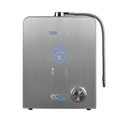
If you are considering an ionizer that claims to deliver both, look beyond the pH display. Ask about dissolved hydrogen concentration, how quickly that concentration declines after dispensing, filtration capability, cleaning requirements, and whether the machine’s output has been independently verified. Higher pH alone is not a proxy for hydrogen content.
Cost deserves the same discipline. Premium equipment should reduce friction, not create another maintenance burden. Consider counter space, travel needs, replacement parts, daily cleaning, and whether the system fits your household’s actual drinking patterns. A portable bottle can be more useful than a large appliance if portability is what protects consistency.
The best water ritual is rarely the most complicated one. Keep filtered water available, match electrolytes to genuine training demands, and choose hydrogen or alkaline water only when its role is clear. Then let the practice become calm, repeatable, and durable enough to support the years ahead.