
Premium Wellness Room Essentials That Earn Their Space
A wellness room should not feel like a showroom of expensive intentions. The best premium wellness room essentials create a place you will return to when the workday runs long, training leaves you depleted, or sleep has not delivered what it should. Every decision should make the next recovery session easier to begin and more satisfying to repeat.
That standard changes how you build. Instead of asking which trend deserves a corner, ask what rituals support your energy, recovery, focus, and long-term health most consistently. A considered room does not need every modality. It needs the right few, installed with enough space, support, and visual calm to become part of daily life.
Design Premium Wellness Room Essentials Around Repeatability
The defining feature of a high-performing home wellness space is not square footage. It is friction. If a routine requires moving furniture, hunting for towels, managing an awkward outlet, or waiting for a room to warm up without a plan, it will compete with the rest of your life. Consistency usually loses that contest.
Begin with the behavior you want to protect. A cold plunge may anchor a morning discipline. An infrared sauna may fit best after strength training or at the end of a demanding day. Red light therapy can work well as a brief, quiet session before work or as part of a wind-down ritual. Hydration belongs at every point in the sequence.
Then design backward from that use. Give each modality clear access, a defined purpose, and the support it needs nearby. The room should feel composed before a session begins: clean sightlines, warm textiles, appropriate lighting, and no visible clutter asking for your attention.
Start with the room, not the product page
Measure more than floor space. Ceiling height, door clearance, flooring material, nearby drainage, electrical capacity, ventilation, and privacy will determine what works elegantly and what becomes an ongoing compromise. A basement may offer seclusion and thermal stability, but it can require greater attention to airflow and moisture management. A primary-suite retreat may make daily use more likely, though sound, access, and design integration matter more.
Think through the arrival path, too. Premium wellness equipment is substantial by design. Stairs, tight turns, elevators, and finished surfaces affect delivery and installation planning. White-glove delivery and in-home installation can be as valuable as a technical specification when the goal is a room that is ready to use, not another project to manage.
The Core Modalities and What They Require
A serious home recovery room is best built around modalities with distinct roles. They can complement one another, but they should not be purchased simply because they occupy the same cultural category.
Cold exposure for deliberate resilience
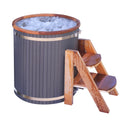
A cold plunge creates a sharp, focused ritual. Many people use cold exposure to feel more alert, practice controlled breathing, and support recovery after demanding physical or mental effort. The experience is direct: temperature, duration, and consistency matter more than spectacle.
For a home setup, water maintenance and placement deserve as much attention as the tub itself. Choose a location with a level, durable floor and enough surrounding clearance to enter and exit safely. Keep towels, a non-slip mat, and a robe close by. A plunge also needs a realistic cleaning routine. Advanced filtration and sanitation systems reduce maintenance burden, but they do not eliminate the need for responsible care.
Cold exposure is not appropriate for everyone. Those with cardiovascular conditions, uncontrolled blood pressure, pregnancy, or other medical concerns should speak with a qualified clinician before beginning. The disciplined choice is to start conservatively, not to turn discomfort into a contest.
Infrared heat for recovery and stillness
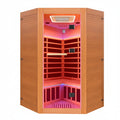
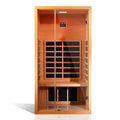
An infrared sauna brings a different kind of intensity: sustained heat, quiet, and an unmistakable transition out of a high-output day. Research on sauna bathing has associated regular use with potential cardiovascular and relaxation benefits, although individual outcomes and the evidence base vary by protocol and population.
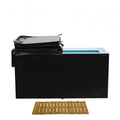
In practical terms, the right sauna is one you can use several times a week. Assess interior dimensions, bench comfort, heater performance, wood finish, and the power requirements before choosing a model. A cramped unit may save space but discourage longer sessions. A larger cabin creates a more relaxed experience, though it demands more dedicated square footage and planning.
Ventilation is essential. Heat and humidity should not be allowed to settle into the rest of the home. Place a simple water station outside the sauna, along with a place to cool down gradually. The recovery benefit often comes from the complete rhythm: heat, rest, hydration, and a few minutes without noise.
Red light therapy for a low-friction daily practice
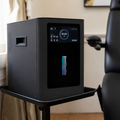
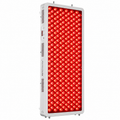
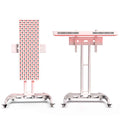
Red and near-infrared light therapy panels are among the easiest modalities to use consistently because sessions are short and require little setup. Depending on the wavelength and device design, photobiomodulation is studied for areas such as skin appearance, temporary relief of minor aches, and muscle recovery. Claims should remain proportionate to the evidence, and it is wise to follow device-specific guidance on distance, session length, and eye protection.
Mounting is a meaningful decision. A panel on a stand offers flexibility for full-body use and different body positions. A wall-mounted installation creates a cleaner, more permanent visual line. Either way, leave enough room to stand comfortably at the recommended distance. A panel squeezed behind a bench or placed where cords cross a walking path will not feel premium for long.
Hydrogen-rich water as a supportive ritual
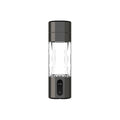
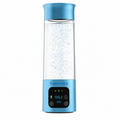
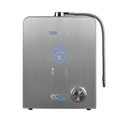
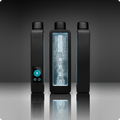
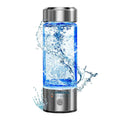
Hydration is less dramatic than heat or cold, but it is the connective tissue of a recovery practice. A hydrogen water bottle is portable, simple to incorporate, and useful for people who value a more intentional approach to daily hydration. Research into molecular hydrogen is still developing, so it should be framed as a complementary wellness practice rather than a replacement for foundational habits such as sleep, nutrition, movement, and appropriate medical care.
Keep the bottle where the routine begins: on a counter near the sauna, beside the red light panel, or at a small transition table near the door. When hydration is visible and prepared, it becomes part of the ritual rather than an afterthought.
The Infrastructure That Protects the Experience
The most refined wellness rooms hide their work. That means specifying proper electrical service, protecting floors from water and weight, allowing for ventilation, and managing cords before the equipment arrives. Consult qualified professionals for electrical, structural, or plumbing work. Premium equipment deserves a safe foundation.
Flooring should feel stable under bare feet and tolerate moisture. Tile, sealed concrete, and high-quality waterproof surfaces are often practical choices, especially around cold water. Add washable, non-slip mats where you transition out of a plunge or sauna. Softness is welcome, but not at the expense of safe footing.
Storage is equally functional. Closed cabinetry or a restrained bench can hold towels, cleaning supplies, robes, and accessories without turning the room into a utility closet. Select a towel color and material you enjoy using. This may sound minor, yet sensory details are what make a practice feel restorative rather than clinical.
Lighting should shift with the ritual. Bright, clean illumination supports safe setup and maintenance. Softer, warmer light supports decompression. Avoid relying on a single overhead fixture. A dimmable layered plan makes one room work for an energizing morning plunge and a quiet evening sauna.
Build a Sequence, Not a Collection
The room becomes more valuable when its modalities support a clear sequence. You might begin a training-day evening with water, use red light while you settle your breathing, spend time in the sauna, and finish with a cool rinse or a brief plunge depending on your tolerance and goals. Another person may use only cold exposure and hydration in the morning, then reserve infrared heat for weekends.
There is no universal protocol. Cold immediately after certain resistance-training sessions may not suit every strength or hypertrophy goal, while heat may feel too demanding when you are dehydrated or ill. The right sequence depends on training volume, health status, schedule, and personal response. Track how you sleep, perform, and feel over several weeks rather than judging a modality by one intense session.
This is where a curated system has an advantage over piecemeal buying. HALOR approaches home recovery as a set of repeatable practices supported by equipment, service, and guidance, not a collection of isolated devices. A long warranty, clear setup support, financing options, and a meaningful home trial can reduce the uncertainty that comes with a major investment.
Choose the Essentials You Will Keep Using
Premium does not mean maximal. It means the materials, performance, service, and design are aligned with the role the equipment will play in your life. Buy the sauna that fits the room and your routine, not the largest one you can force into place. Choose a plunge with maintenance requirements you are prepared to meet. Select a light panel you can position correctly and use often.
The strongest wellness room is quiet in its confidence. Walk in, fill your water, begin the session, and let the space ask nothing more of you. That is how a considered investment becomes a durable practice for the years ahead.