
How to Finance Recovery Equipment at Home
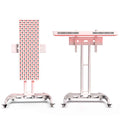
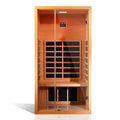
A premium cold plunge, infrared sauna, or red light therapy panel can change the texture of a recovery routine. The question is often not whether the modality belongs in your life, but how to finance recovery equipment without turning a deliberate investment into an avoidable financial strain.
For a home wellness purchase, monthly payments can create room to choose the system that fits your routine, space, and standards now. They are not a reason to overextend. The strongest decision balances product quality, total cost, practical use, and the confidence that comes from knowing exactly what happens after checkout.
Why financing recovery equipment can be a considered choice
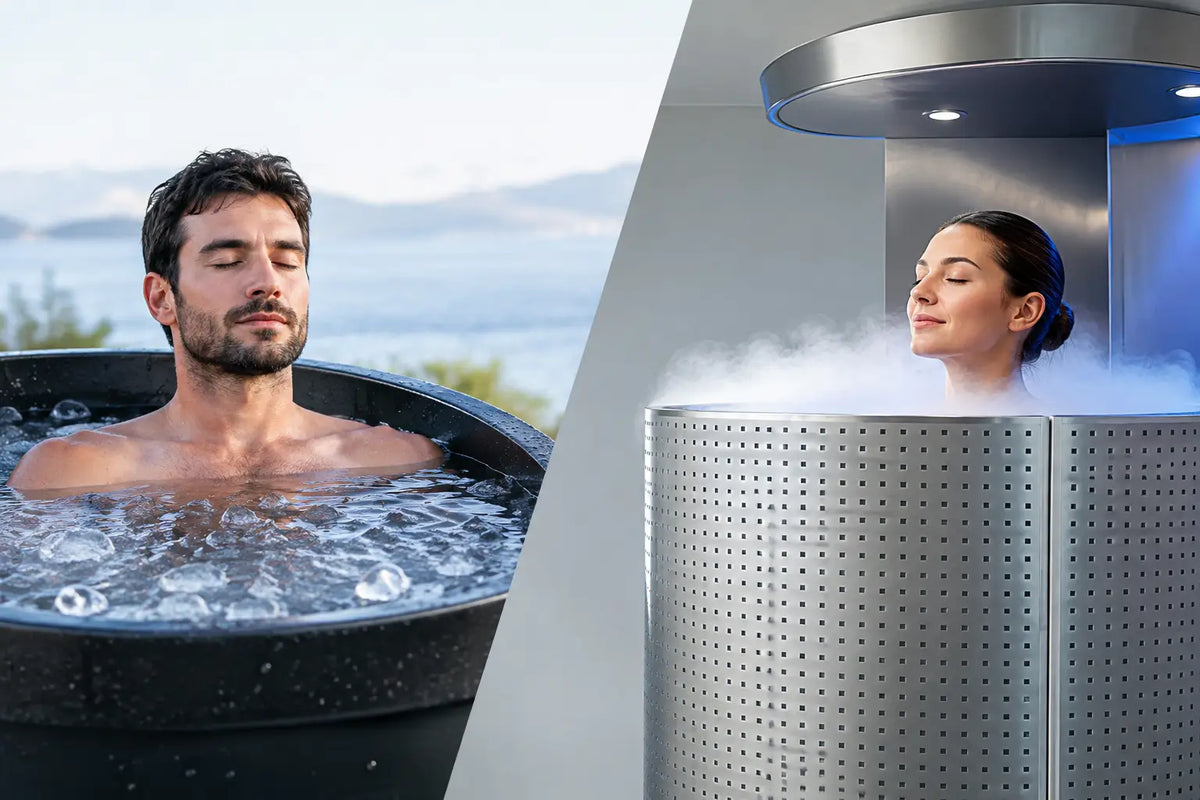
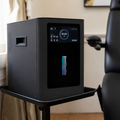
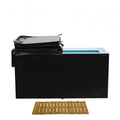
Home recovery equipment occupies a different category than an impulse wellness purchase. A cold plunge requires space, water access, ongoing care, and a willingness to return to the practice. An infrared sauna needs thoughtful placement and electrical planning. A red light panel must be positioned where it will actually be used consistently.
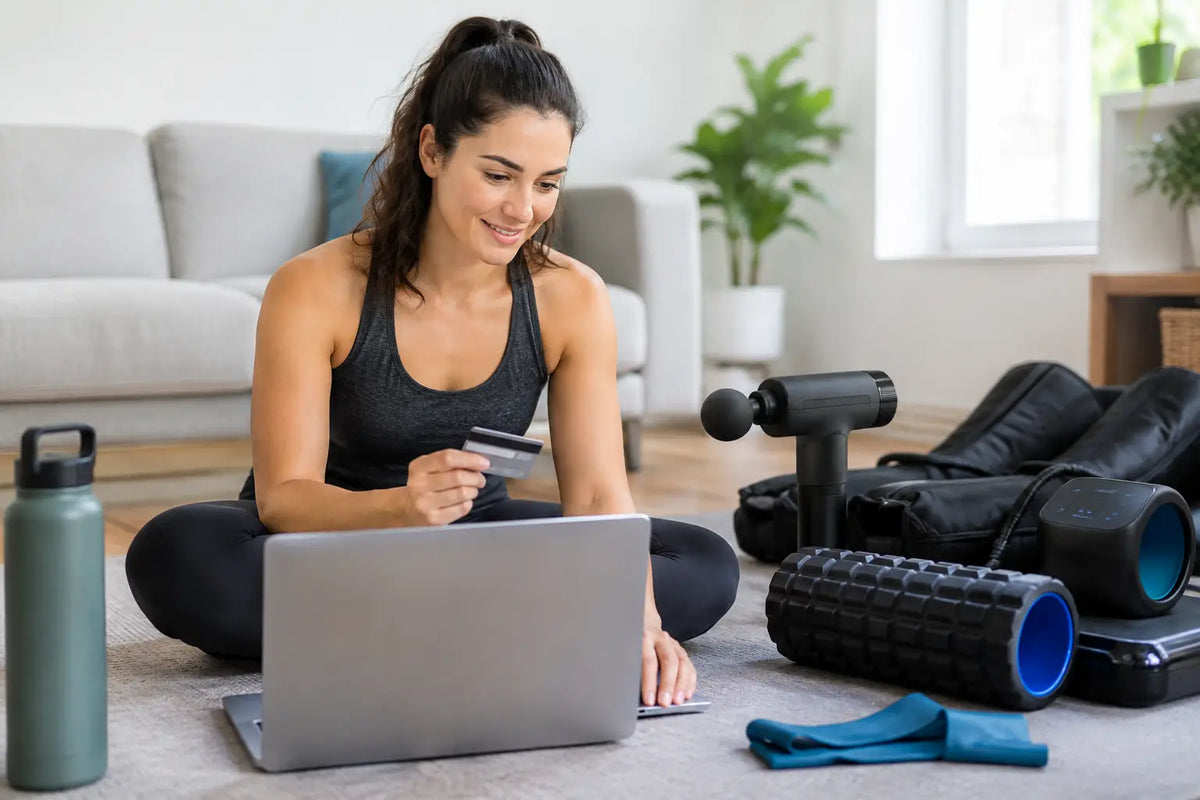
When those details are in place, financing can preserve cash flow while allowing you to build a durable routine sooner. Rather than waiting until a larger purchase feels effortless, you can spread the cost across predictable payments and begin establishing the behaviors that give the equipment value.
The distinction matters: financing is a purchasing tool, not a performance claim. The equipment does not create discipline for you. It makes a disciplined practice more accessible, more private, and more repeatable within the architecture of home.
Start with the modality, not the monthly payment
A low monthly number can distract from the more consequential question: what are you actually buying, and why? Begin with the outcome you want to support.
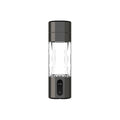
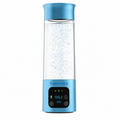
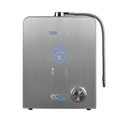
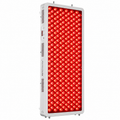
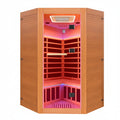
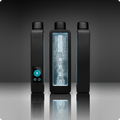
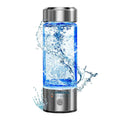
For athletes and high-output professionals, cold exposure may fit a post-training ritual or an intentional reset after demanding days. Infrared sauna sessions may appeal to those who value heat, stillness, and a protected window away from screens. Red light therapy is often selected for a concise, consistent part of a morning or evening routine. Hydrogen water may complement a broader hydration practice, particularly for people who want a portable ritual alongside larger recovery modalities.
No modality needs to do everything. In fact, the most effective home setup is often the one with the fewest points of friction. A single well-chosen piece of equipment used four times each week may be more valuable than a larger collection that feels complicated, crowded, or aspirational.
Before comparing financing offers, define where the product will live, when it will be used, and who in the household will use it. This clarifies the right size, installation requirements, and level of service. It also reduces the risk of paying for features that do not support your actual practice.
Evaluate the full cost, not only the payment
Financing terms can vary based on the lender, your credit profile, the purchase amount, and the promotional structure. A payment plan may have a fixed annual percentage rate, a deferred-interest structure, or a limited promotional period. Read the terms before you commit, especially the total of payments, payment due dates, late-fee policy, and what happens when a promotional period ends.
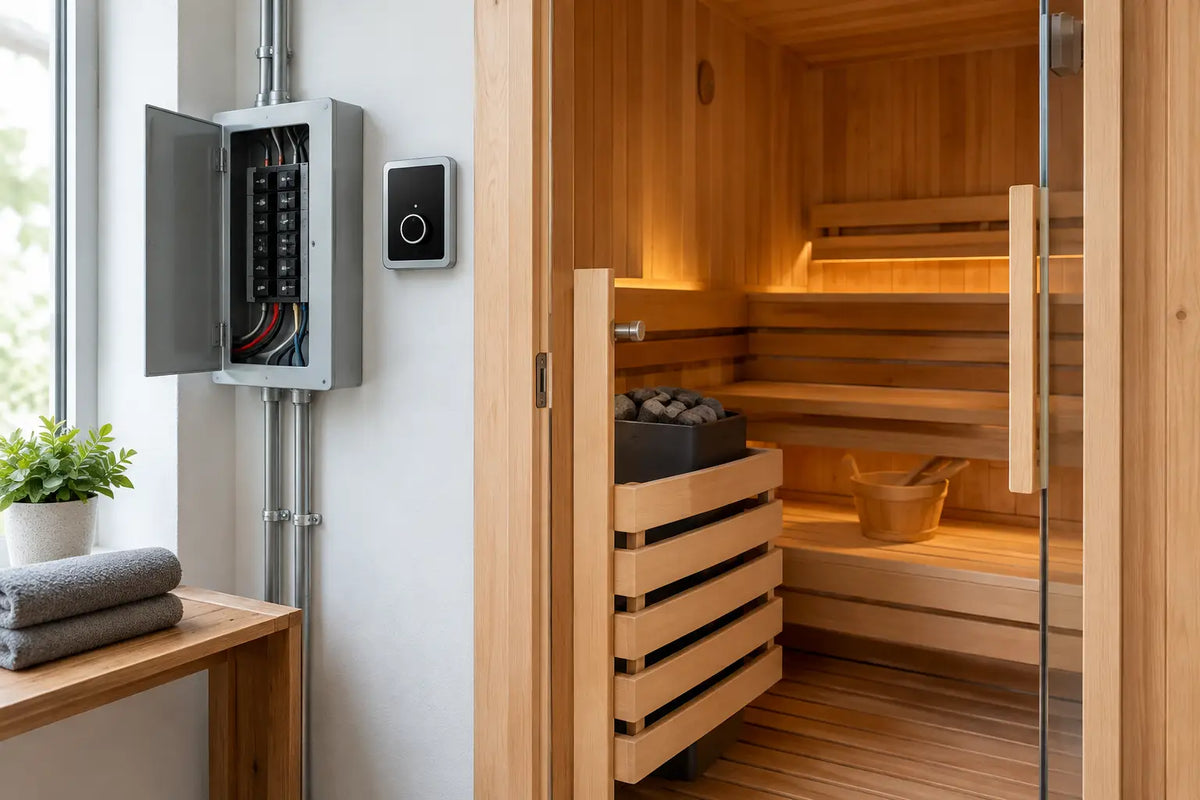
A helpful way to evaluate the investment is to look at the full ownership picture. Include the product price, applicable tax, delivery, installation, accessories, maintenance supplies, and any electrical or site preparation work. For a plunge, that may include water treatment and filters. For a sauna, it may include confirming electrical capacity and clearances. These are not minor details. They determine whether the equipment feels integrated from day one.
Then compare the total financed amount with the cash price. A zero-interest offer, if available and paid within its stated terms, is different from a longer plan carrying interest. Neither is automatically right or wrong. A shorter payoff window may reduce total cost, while a longer term may better protect monthly liquidity. The appropriate choice depends on your budget and your preference for carrying a balance.
A simple standard applies: the payment should feel calm. If it requires you to compromise on essentials, delay high-interest debt repayment, or rely on an uncertain future bonus, the timing may not be right.
Think in cost per use, carefully
Cost per use can be a useful lens, but it should not become a justification for an unnecessary purchase. Estimate a conservative usage pattern rather than an idealized one. If you expect to use an infrared sauna three times a week for several years, the value equation may look substantially different than it would for a product used once each month.
The calculation is not only financial. It includes convenience, privacy, and time returned to your day. A home-based practice removes travel, scheduling, shared facilities, and the friction that often interrupts consistency. For many people, that is the real premium: the ability to move from intention to action without leaving home.
Choose service infrastructure that protects the purchase
High-ticket wellness hardware should arrive with more than a tracking number. Delivery conditions, installation options, warranty coverage, and responsive support directly affect the ownership experience.
White-glove delivery can be especially relevant for large equipment that needs to navigate stairs, narrow entries, or a finished home. In-home installation can remove uncertainty around assembly and placement. A meaningful home trial gives you time to assess the equipment in the environment where it matters, rather than making a permanent judgment from a showroom visit or a product page.
These protections are worth evaluating alongside price. The lowest listed cost can become expensive if delivery is poorly managed, setup is unclear, or support disappears after purchase. Premium recovery equipment should feel composed from arrival through daily use.
At HALOR, that perspective extends beyond the product itself. A home recovery system should be supported by clear delivery expectations, considered installation options, financing flexibility, and long-term service. The goal is not simply to place advanced equipment in a room. It is to make a lasting practice easier to maintain.
Build a payment plan around your routine
Once you understand the terms, make the financing practical. Set the payment on autopay if that suits your cash-flow system, but maintain enough visibility to know the balance and payoff date. If your plan permits early payments without penalties, consider directing occasional extra cash toward the balance, particularly if the financing carries interest.
It can also help to create a small operating budget for the equipment. This is more relevant for water-based and heat-based systems than for a compact panel or bottle, but every modality benefits from a clear plan. Maintenance is part of ownership, not an inconvenient surprise.
Avoid adding equipment solely because it can be financed. Build in layers. Start with the modality most likely to earn a permanent place in your week. Learn its rhythm. Notice how your body, schedule, and environment respond. Add another piece only when it has a distinct role.
Keep expectations grounded in consistent practice
Recovery equipment can support comfort, relaxation, training routines, and a more intentional relationship with health. It is not a substitute for sleep, appropriate training load, nutrition, medical care, or professional guidance when you need it. People with medical conditions, those who are pregnant, or anyone taking medications that affect temperature regulation or circulation should speak with a qualified clinician before beginning heat or cold exposure.
The best home recovery room is not necessarily the largest or most elaborate. It is the space you return to without negotiation. A quiet sauna session before bed, a measured cold plunge after training, or ten minutes in front of a red light panel can become an anchor in a demanding week.
Choose financing that leaves room for that calm. The right equipment should support a deliberate practice, not become another source of pressure in your life.