
Sauna Electrical Requirements for Home Use
A home sauna should feel like a protected interval in your day: heat, stillness, and a deliberate reset. That experience starts well before the first session. Sauna electrical requirements determine whether your installation is safe, code-conscious, and capable of delivering consistent performance for years.
Electrical planning is not a minor detail to solve after delivery. A sauna is a high-draw appliance installed near heat, moisture, and often finished interior surfaces. The right approach is simple: select the sauna, confirm its manufacturer specifications, then have a licensed electrician assess the location and your home’s available capacity before installation day.
Sauna Electrical Requirements Start With the Sauna Type
The electrical load changes significantly between an infrared sauna and a traditional electric-heated sauna. Size, heater output, controls, lighting, and accessories all matter. Never assume two cabins with similar footprints have the same electrical needs.
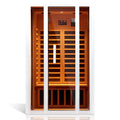
Infrared sauna power needs
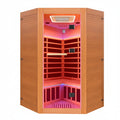
Most compact infrared saunas are designed for standard 120-volt household power, although larger and higher-output models may require 240 volts. A smaller unit may use a dedicated 15- or 20-amp circuit, while a multi-person cabin can call for more capacity.
“Dedicated” matters. The sauna circuit should serve the sauna alone, not share power with a refrigerator, garage outlets, lighting, a treadmill, or another recovery device. Sharing a circuit can create nuisance tripping, voltage drop, and avoidable stress on the electrical system.
Some plug-in infrared models can connect to a properly grounded outlet, but that does not mean any nearby outlet is suitable. The outlet location, circuit rating, grounding, and protection requirements must align with the product manual and local code. Extension cords and power strips are not an acceptable substitute for a correctly planned installation.
Traditional electric sauna heater power needs
Traditional saunas use an electric heater to warm the room and heat stones. This creates a substantially higher electrical demand than most infrared cabins. Many residential electric heaters require a 240-volt dedicated circuit and are hardwired rather than plugged into a receptacle.
The exact breaker size can range widely, often from 20 to 60 amps or more depending on heater kilowatt rating and the sauna’s size. A compact heater for a small indoor room may have very different requirements than a larger heater serving an outdoor sauna or a spacious custom build.
Do not size a breaker from an online estimate alone. Use the heater’s data plate and installation manual. These documents specify voltage, phase, maximum overcurrent protection, wiring configuration, and any required disconnecting means. Your electrician should follow those instructions alongside the code enforced by your local authority having jurisdiction.
What a Proper Electrical Installation Includes
A premium sauna installation is as much about restraint as capacity. The objective is not merely to get power to the unit. It is to create a clean, serviceable installation that respects heat, moisture, architecture, and the way the equipment will be used.
A dedicated circuit and correct breaker
The circuit breaker, wire gauge, and conductor type must be matched to the sauna manufacturer’s specifications. Oversizing a breaker to stop it from tripping is unsafe. Undersizing a circuit can prevent the sauna from operating correctly and may cause repeated interruptions.
Your electrician will assess load calculations for the home’s service panel, determine whether there is sufficient capacity, and select wiring rated for the installation conditions. This is especially relevant in older homes, where a panel may already support HVAC, electric cooking, EV charging, a home gym, or other high-demand equipment.
If the panel lacks capacity, the right solution may be a subpanel, service upgrade, or a different sauna configuration. That is a planning conversation, not a last-minute compromise.
Grounding and protective devices
Grounding is foundational in any sauna environment. Depending on the product, installation location, and local requirements, the circuit may also need ground-fault circuit-interrupter protection. GFCI requirements can differ based on whether the sauna is indoors or outdoors, hardwired or cord-connected, and located near wet areas.
The current National Electrical Code, local amendments, and the sauna manufacturer’s instructions all influence the final specification. A licensed electrician can determine what applies in your municipality. This is one area where local expertise is worth far more than a generic wiring diagram.
Moisture-aware placement
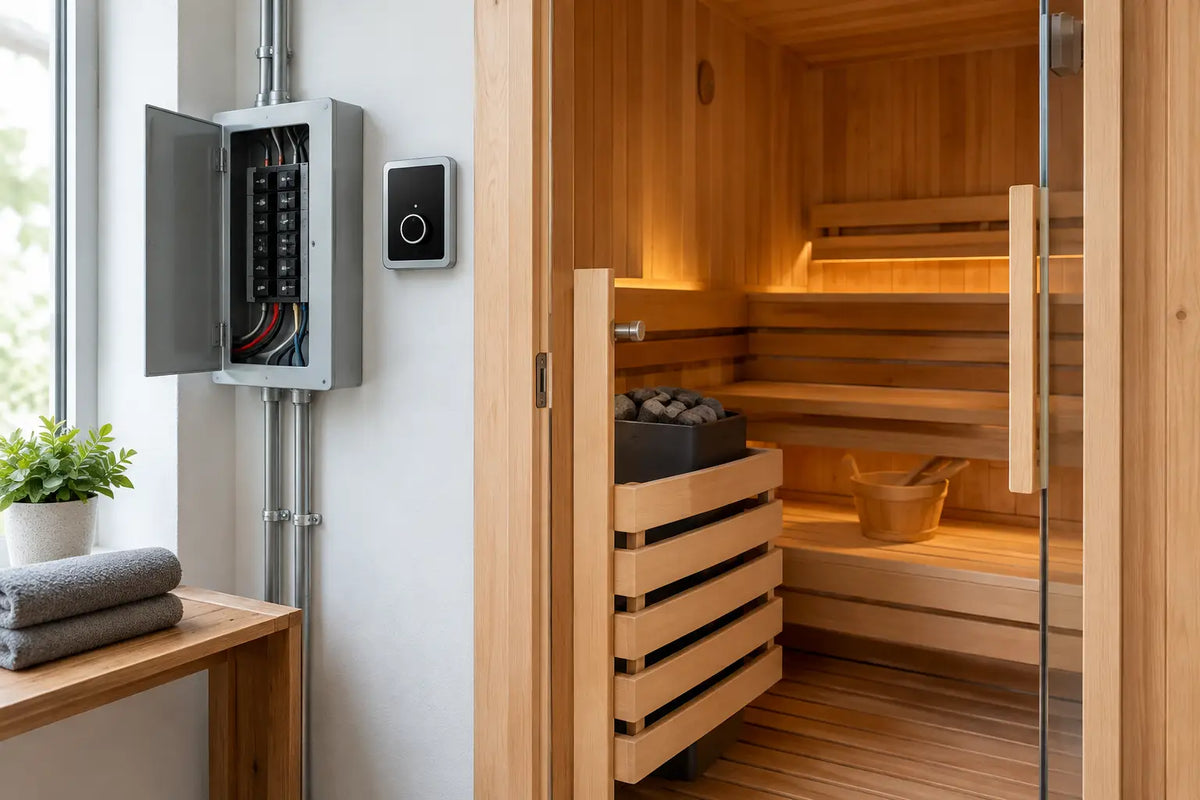
A sauna’s electrical components should be positioned away from direct water exposure, protected from physical damage, and accessible for service when needed. This includes control panels, junction boxes, receptacles, and disconnects.
For indoor installations, pay attention to the room around the sauna. A basement, bathroom-adjacent space, garage, or dedicated wellness suite may each present different ventilation and moisture considerations. For outdoor saunas, weather-rated equipment, burial depth for underground wiring, conduit requirements, and outdoor disconnect placement may enter the scope.
The sauna itself should not become a place where electrical work is concealed without an approved access strategy. Clean lines are valuable, but safe future service is equally valuable.
Voltage, Distance, and Installation Reality
The further a sauna sits from the electrical panel, the more the wiring route can affect project complexity and cost. A backyard sauna may require trenching, conduit, weather-rated wiring, and repairs to landscaping or hardscape. A second-floor installation may require fishing wire through finished walls or routing through an attic.
Voltage drop can also become relevant on long runs. Your electrician can account for run length and size conductors appropriately so the heater or infrared elements receive the power they are designed to use. Poor voltage delivery can affect heat-up performance and place unnecessary strain on components.
Before ordering, provide your installer or electrician with the proposed sauna location, product spec sheet, dimensions, heater rating, and a photo of your electrical panel. For an outdoor project, include the approximate distance from panel to sauna. This early assessment creates clarity around installation scope, permitting, and timeline.
Plan for the Whole Recovery Space
A sauna rarely exists alone in a performance-focused home. You may be building a recovery room with red light therapy, a cold plunge, filtration, sound, and controlled lighting. Each device should have a defined electrical plan rather than being added opportunistically to available outlets.
Consider the practical flow of the room. You want controls that are accessible without disrupting the design, lighting that supports a calm transition into heat, and enough clearance for safe entry, exit, cleaning, and maintenance. If a cold plunge or shower is nearby, electrical separation and moisture protection deserve additional attention.
This is also the point to decide whether you want a visible installation or a more integrated finish. A thoughtfully planned circuit can preserve the clinical-modern calm of the space while keeping all service points appropriate and compliant.
Questions to Settle Before Installation
Confirm whether the sauna is 120-volt or 240-volt, plug-in or hardwired, and what dedicated circuit it requires. Ask whether GFCI protection is required for your installation, whether a disconnect is needed, and whether your panel has available capacity. For outdoor installations, clarify trenching, conduit, weather-rated materials, and permit requirements.
Also ask who is responsible for each stage. Delivery teams can position the sauna, while licensed electrical work should remain with a qualified electrician. If in-home installation is part of the purchase, establish the handoff between delivery, assembly, and electrical connection before the scheduled date.
A More Confident First Session
The best electrical installation disappears into the experience. The sauna reaches temperature as designed. The circuit stays stable. The space remains quiet, clean, and considered.
Treat the electrical plan as part of the investment in your recovery practice. When the system is specified correctly from the start, you can give your attention to the ritual itself: heat, breath, stillness, and the discipline of returning tomorrow.