
Cold Plunge for Athletes and Smarter Recovery
The value of a cold plunge for athletes is not measured by how long you can tolerate the water. It is measured by what it allows you to do next: move with less soreness, arrive at the next session composed, and sustain a demanding training rhythm without turning recovery into another source of stress.
Cold exposure has earned its place in professional locker rooms, training facilities, and high-performance homes for a reason. A short, controlled immersion can reduce the perception of muscle soreness after hard work, create a powerful reset after heat and competition, and give athletes a repeatable ritual for shifting out of effort. But cold is a tool, not a universal prescription. Timing, temperature, training goal, and personal response all matter.
What Cold Exposure Can Do After Training
A hard interval session, long run, tournament weekend, or heavy lower-body workout creates more than simple fatigue. Muscles experience mechanical stress, the nervous system carries a high workload, and the body must manage heat, fluid loss, and inflammation as it returns toward baseline. Cold-water immersion changes the sensory environment quickly. Skin temperature drops, blood vessels constrict, and the initial stress response demands steady breathing and focus.
For many athletes, the most noticeable benefit is a reduction in delayed-onset muscle soreness and a greater sense of recovery over the next 24 to 48 hours. Research on cold-water immersion has repeatedly found that it can improve perceived soreness after strenuous exercise, particularly when training or competition is repeated across consecutive days. That distinction matters. Cold does not erase the work your body needs to do. It can make the recovery window feel more manageable.
The psychological effect is also real. A calm, deliberate cold session gives the day a clean endpoint. For executives who train before work, parents fitting sessions between responsibilities, and competitive athletes managing travel, that transition can be as useful as any single physiological mechanism. The practice asks for stillness, controlled breath, and attention under discomfort.
Cold Plunge for Athletes: When It Makes Sense
Cold exposure is often most useful when the next performance matters soon. Think of a soccer player entering a second match in a weekend, a runner facing back-to-back long efforts, or a strength athlete in a high-volume training block who needs to preserve movement quality across several sessions. In these periods, feeling fresher can have practical value.
It can also be a measured response to heat. After training outdoors in high temperatures, a cold plunge may help lower body temperature and restore a feeling of readiness. It should not replace hydration, carbohydrates, electrolytes, sleep, or appropriate medical care for heat illness. It is one part of a recovery system, not the system itself.
The decision becomes more nuanced after resistance training designed to build muscle and strength. Some evidence suggests that frequent cold-water immersion immediately after lifting may blunt parts of the signaling process involved in long-term muscular adaptation. The effect is most relevant when cold is used aggressively and consistently after nearly every strength session. If hypertrophy or maximal strength is your primary objective, reserve the plunge for rest days, conditioning days, competition periods, or later in the day rather than making it an automatic post-lift habit.
That is not a reason to avoid cold entirely. It is a reason to use it with purpose. Recovery should support the adaptation you are trying to earn.
A Practical Protocol That Respects the Goal
There is no prize for chasing extreme temperatures. For most people, water between 50 and 59 degrees Fahrenheit provides a meaningful cold stimulus without demanding unnecessary suffering. Athletes accustomed to colder water may choose a lower temperature, but more intensity is not always more benefit.
Start with two to five minutes. As tolerance and confidence develop, many athletes settle into five to eight minutes. Longer sessions are rarely necessary for a home recovery ritual, and they can become counterproductive if shivering persists or the experience leaves you depleted. Two to four sessions per week is enough for most recreational and serious athletes, with frequency adjusted around training volume and competition.
A few details improve the experience. Enter with a calm exhale rather than a forced breath hold. Keep your shoulders relaxed and your face out of the water. Let the first minute be about controlling the urge to tense, then settle into a slow, natural breathing rhythm. When you exit, dry off, dress warmly, and allow your body to rewarm gradually. Intense heat immediately afterward can feel appealing, but it changes the thermal stimulus. If contrast therapy is part of your routine, use it because you enjoy the ritual and recover well with it, not because you assume it is mandatory.
The best time of day depends on your schedule and response. A post-session plunge is practical for athletes preparing to train again soon. A morning session may create clarity and alertness, though some people find the stimulation too intense before a high-pressure day. Evening cold exposure works well for others, but if it leaves you energized or restless, move it earlier. Your recovery practice should make sleep easier, not compete with it.
Build a Recovery System, Not a Collection of Hacks
A cold plunge cannot compensate for chronic sleep restriction, under-fueling, or poorly organized training. Its role is more refined: it adds a controlled recovery signal to the fundamentals that already drive results.
Start with adequate protein and total energy intake, especially during high-volume blocks. Replace fluids after significant sweat loss. Protect a consistent sleep window. Program easy days with the same seriousness as hard ones. Then use cold exposure where it serves the larger plan - to manage soreness during a demanding week, reset after heat, or establish a moment of calm after training.
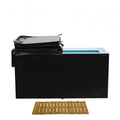
At home, consistency is the luxury. The barrier is no longer travel to a facility or coordinating your schedule around a crowded locker room. A well-designed plunge creates enough ease that the practice can become deliberate rather than occasional. HALOR approaches home recovery as an integrated environment: equipment that belongs in the space, reliable temperature control, and support that makes adoption feel considered from delivery through daily use.
For athletes who use multiple modalities, sequencing should remain simple. A light mobility session before the plunge can be useful if it helps you downshift. Red light therapy may fit elsewhere in the day as part of a broader recovery routine. Infrared heat can be valuable on separate sessions or at a different time, depending on how your body responds. The goal is not to stack every available intervention. It is to create a routine you can repeat without friction.
Who Should Use Extra Caution
Cold-water immersion creates a sharp cardiovascular response, especially during the first moments of entry. People with cardiovascular disease, uncontrolled high blood pressure, a history of fainting, circulation disorders, or cold-related conditions should speak with a qualified clinician before beginning. The same applies to anyone who is pregnant or managing a significant medical condition.
Never plunge alone if you are inexperienced, impaired, or feeling unwell. Avoid alcohol before cold exposure. Do not use a cold plunge when numbness prevents you from judging your response, and exit immediately if you experience chest pain, dizziness, confusion, or unusual shortness of breath. A disciplined practice includes knowing when not to push.
It is also worth distinguishing discomfort from distress. The first 30 seconds may be intense. That is expected. Persistent panic, uncontrolled gasping, or a feeling that you must prove something is a signal to stop. The strongest athletes are rarely the ones who ignore feedback. They are the ones who can interpret it.
Make the Ritual Earn Its Place
A cold plunge should leave you feeling clear, not conquered. Track the simple signals that matter: next-day soreness, training quality, sleep, mood, and willingness to return to the work. If the practice improves those markers during a demanding phase, it has earned a place in your routine. If it adds fatigue or interferes with strength progress, change the timing.
The point is not to collect discomfort. It is to build a recovery environment that lets disciplined training remain sustainable, season after season.