
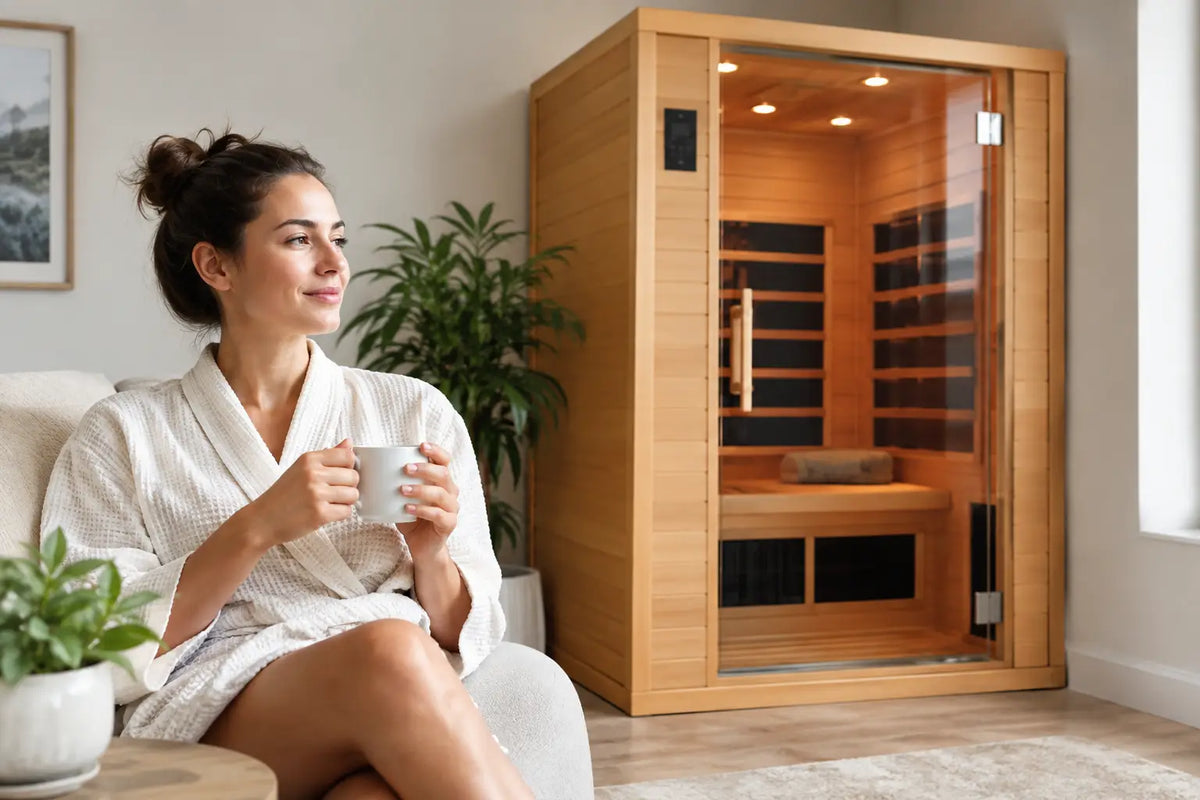
Infrared Sauna Review: What Matters Before You Buy
A premium sauna should not become an expensive piece of furniture that gets used twice a month. The best infrared sauna review begins with a more practical question: will this unit make heat therapy easy enough to become part of your weekly recovery practice?
For a home buyer, infrared sauna ownership is less about chasing a dramatic wellness claim and more about creating reliable space for downshifting. Fifteen to 30 quiet minutes of controlled heat can become a deliberate transition between training and rest, work and evening, effort and recovery. The details of the sauna determine whether that ritual feels restorative or inconvenient.
Infrared Sauna Review: The Experience Behind the Specifications
Infrared saunas use radiant heaters to warm the body directly, rather than heating the surrounding air to the higher temperatures typical of a traditional sauna. That distinction changes the experience. Many people find infrared heat more approachable because the cabin can operate at a lower air temperature while still producing a substantial sweat response.
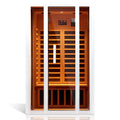
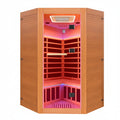
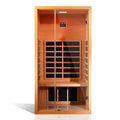
A well-designed infrared sauna should feel even, calm, and unforced. You should not need to sit directly in front of one aggressively hot panel to feel the session working. Heater placement across the back, sides, legs, and sometimes floor matters because it influences how balanced the heat feels from the first few minutes through the end of the session.
The lower operating temperature is a benefit for people who find conventional sauna heat overwhelming, but it is also a trade-off. If you love the intense ambient heat and steam-adjacent ritual of a traditional sauna, infrared may feel gentler than expected. Neither is automatically better. The right choice depends on the experience you will repeat consistently.
What Infrared Heat Can and Cannot Do
Research on sauna bathing and passive heat exposure has generated legitimate interest around cardiovascular function, relaxation, circulation, and recovery. Heat can elevate heart rate, promote peripheral blood flow, and support the relaxation response. Regular sauna users often value the practice for sleep quality, post-training decompression, muscle comfort, and the simple discipline of stepping away from stimulation.
Still, a clear-eyed review separates plausible benefits from inflated promises. An infrared sauna is not a replacement for exercise, nutrition, sleep, medical care, or treatment for chronic conditions. Claims that a sauna can selectively melt fat, cure disease, or detoxify the body in a medically meaningful way deserve skepticism. Sweating is a normal thermoregulatory process, not a shortcut around the liver and kidneys.
The most credible case for home infrared heat is behavioral. When a sauna is nearby, aesthetically integrated, and easy to use, it lowers the friction of a recovery habit. That consistency can be valuable. A session after strength training, a low-stress evening protocol, or a quiet reset on a non-training day all fit within a high-performance lifestyle without requiring another appointment on the calendar.
People who are pregnant, have cardiovascular concerns, experience low blood pressure, use medications that affect heat tolerance, or have a health condition should speak with a qualified clinician before beginning sauna use. Hydration matters, and so does restraint. More heat is not always better.
The Build Quality That Separates Premium From Basic
Cabin materials are not a cosmetic afterthought. Wood affects the look, scent, feel, durability, and indoor air experience of the sauna. Premium units commonly use responsibly sourced woods such as hemlock, cedar, or basswood. The ideal material depends on your priorities: cedar has a distinctive aroma, while hemlock and basswood offer a clean, restrained visual profile that works well in modern interiors.
Look closely at the interior finish, door seals, bench construction, handles, and the fit of each panel. A sauna expands and contracts with heat cycles. Solid construction, clean joinery, and a stable bench matter more over years of use than a dramatic control screen does on day one.
Low-VOC materials and thoughtful manufacturing are also worth evaluating. A heated enclosed space should not carry a sharp chemical smell. Ask what adhesives, finishes, and insulation materials are used, especially if the sauna will live in a bedroom, home gym, or other frequently occupied area.
Electrical requirements deserve the same attention. Some compact saunas run on a standard household outlet, while larger models may require a dedicated circuit or professional electrical work. This is not a minor line item. Confirm the required voltage, amperage, outlet type, and cable placement before delivery, then account for the cost and timing of any electrical upgrades.
Heater type and coverage
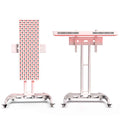
Marketing around near-, mid-, and far-infrared wavelengths can become overly complicated. The practical question is whether the heater system creates comfortable, consistent heat throughout the cabin. Full-spectrum systems may appeal to buyers who want broader wavelength coverage, while far-infrared-focused units can offer a straightforward, effective experience.
Do not buy based on wavelength language alone. Evaluate the heater design, coverage, warm-up behavior, controls, and the quality of the manufacturer behind the claims. A better-built far-infrared sauna can be a stronger long-term purchase than a poorly engineered unit with a longer feature list.
EMF and electrical design
EMF is a common concern among wellness buyers, and it merits a measured approach. Low-EMF claims should be supported by transparent testing, ideally with readings taken at relevant positions inside the sauna rather than a single favorable location. Ask how measurements were performed and whether the brand identifies the meter and testing conditions.
There is no need to let fear-based marketing make the decision for you. But for a product designed for frequent, close-contact use, thoughtful electrical design and clear documentation are markers of a serious manufacturer.
Size, Placement, and Daily Friction
A one-person sauna is efficient, compact, and often easier to heat. It can be an excellent choice for a focused personal ritual. A two-person model provides more room to stretch, change position, or share the experience, but it demands more floor space and may require more involved installation.
Measure the path to the final location, not just the destination. Doorways, stairs, elevators, turning radii, and ceiling clearance can all shape what is realistic. Consider ventilation around the exterior, a level floor, proximity to the electrical source, and the route you will take afterward to shower or cool down.
Placement also determines use. A beautiful sauna tucked into an inconvenient basement corner can become a neglected investment. A sauna located near a home gym, primary suite, or dedicated recovery space is more likely to become part of your rhythm. The goal is not to display wellness equipment. It is to make deliberate practice accessible on an ordinary Tuesday.
Controls, Comfort, and the Features You Will Actually Use
Digital temperature controls, timers, interior lighting, Bluetooth audio, and chromotherapy can improve the experience, but they should support the ritual rather than distract from it. The essentials are simple: intuitive controls, accurate temperature performance, a comfortable backrest, adequate headroom, and lighting that feels calm rather than clinical.
Bench ergonomics deserve particular attention. If you cannot sit comfortably for 20 minutes, premium wood and sophisticated controls will not save the experience. Taller users should verify interior dimensions, while anyone with tight hips or a sensitive low back may appreciate a supportive backrest and enough depth to shift position.
Maintenance should be manageable. Wipe down surfaces after sessions, use a towel on the bench, keep the floor clean, and allow the cabin to air out. A sauna that requires complicated upkeep rarely earns consistent use.
Service Is Part of the Product
At this price point, the purchase experience should be considered alongside the sauna itself. Freight delivery, threshold drop-off, assembly, electrical coordination, warranty coverage, and replacement-part availability all affect ownership. A lower upfront price can lose its appeal quickly if setup is confusing or support disappears after delivery.
For buyers who value a controlled, white-glove experience, HALOR positions delivery, installation options, a 60-night home trial, financing, and long-term support as part of the recovery investment. That service layer matters most when the sauna is intended to live in a finished, design-conscious space rather than a temporary garage setup.
Before purchasing any model, clarify who is responsible for assembly, what the warranty covers, how service requests are handled, and whether the brand can support your location. Premium wellness equipment should arrive with a clear plan, not a stack of unanswered logistics.
A Better Standard for Your Decision
The strongest infrared sauna is not necessarily the hottest, largest, or most heavily marketed. It is the one that fits your space, respects your electrical reality, feels comfortable in your body, and has the construction and service infrastructure to support years of use.
Choose the sauna that makes recovery feel less like another task to optimize and more like protected time you will be reluctant to skip. That is where the real value of a home heat practice begins.