
Recovery Room Essentials for Better Home Recovery
A recovery room should not feel like an overfilled gym corner or a spare bedroom with expensive equipment pushed against the wall. The right recovery room essentials create a deliberate environment: one that lowers friction after training, supports consistent sleep and stress-management habits, and gives your body a clear place to shift from output to restoration.
For most homes, this is not about acquiring every wellness modality at once. It is about choosing a few high-impact tools, designing the room around how you actually live, and building a routine you can sustain for years. A well-considered space brings the clarity of a performance facility into the privacy of home.
Start With the Recovery Outcome You Want
The first decision is not which device to buy. It is what you want your recovery room to do for you.
An endurance athlete may prioritize post-training cold exposure, heat sessions, and comfortable floor space for mobility. A high-performing professional may use the room to downshift after demanding days, pairing infrared heat with red light and a quiet hydration ritual. Someone focused on longevity may value a broader system that supports circulation, sleep consistency, strength training recovery, and daily stress resilience.
These goals overlap, but the room does not need to serve every purpose equally. Clarity prevents the most common mistake in home wellness design: buying compelling equipment without creating a repeatable practice around it.
Think in terms of use frequency. A modest setup used four times per week will usually provide more value than an elaborate room used once per month. Your environment should make recovery feel available, not demanding.
Recovery Room Essentials That Earn Their Space
A premium recovery room is built in layers. Begin with the modalities that fit your physiology, schedule, and available square footage, then refine the atmosphere around them.
Cold exposure for resilience and reset
A cold plunge can become the visual and functional anchor of a recovery space. Controlled cold exposure is commonly used to support a feeling of alertness, reinforce mental discipline, and provide a clear transition after hard training or a long workday. For many people, it also becomes an effective behavioral cue: step in, regulate the breath, and return to the day with greater composure.
The trade-off is practical. Cold plunges require thoughtful placement, water care, drainage planning, and enough clearance to enter and exit safely. They work especially well in a garage, covered patio, dedicated wellness room, or ground-floor space with durable flooring. If cold exposure is new to you, consistency matters more than intensity. Start conservatively, and speak with a qualified clinician if you have cardiovascular concerns, pregnancy, neuropathy, or other relevant medical conditions.
Infrared heat for a slower recovery ritual
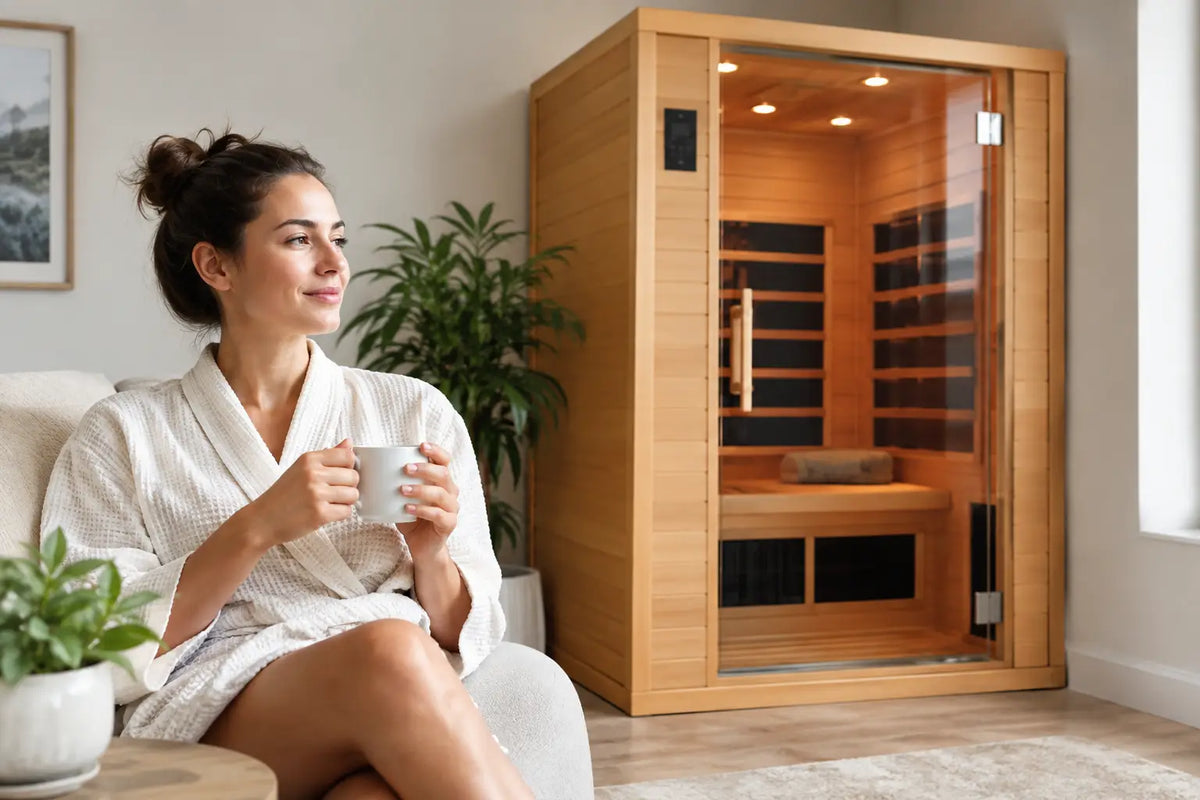
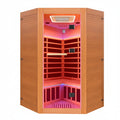
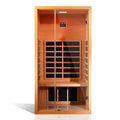
An infrared sauna creates a distinctly different kind of recovery session. Heat encourages stillness. It can be used as a calm end-of-day ritual, a warm-up before mobility work, or a dedicated session after lower-intensity training. The appeal is both physiological and environmental: a well-designed sauna turns a room into a protected space for quiet, warmth, and uninterrupted time.
Placement is the primary consideration. Confirm electrical requirements, ventilation, ceiling clearance, floor protection, and access for delivery before selecting a unit. A sauna should feel integrated into the home, not squeezed into it. When installation is handled thoughtfully, it becomes one of the easiest modalities to return to week after week.
Red light for consistency, not complexity
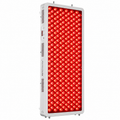
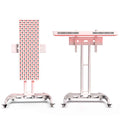
Red light therapy panels are particularly valuable in a home recovery system because sessions can be brief and easy to repeat. Red and near-infrared wavelengths are studied for their interaction with cellular processes and are often incorporated into routines focused on muscle recovery, skin appearance, joint comfort, and general wellness.
The strongest case for a panel is convenience. Mount it where you already spend time: near a mobility area, beside a sauna, or in a bedroom-adjacent wellness space. Follow the device-specific guidance on distance and session duration. More is not automatically better, and a simple routine is easier to maintain than an overly ambitious protocol.
Hydration that supports the room's purpose
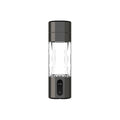
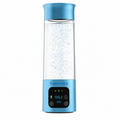
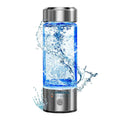
Hydration is less dramatic than heat, cold, or light, but it changes how the room functions. Keep filtered water within reach, ideally with a dedicated surface for a hydrogen water bottle, glassware, towels, and any clinician-approved supplements you use around training or sauna sessions.
Hydrogen-rich water is often chosen by wellness-minded consumers interested in oxidative stress research and daily hydration habits. It should be treated as a complementary practice, not a replacement for foundational nutrition, sleep, medical care, or adequate fluid intake. The advantage is ritual. When hydration is part of the room, it becomes part of the session rather than an afterthought.
Design the Room Around Transitions
The best home recovery spaces have a natural sequence. You enter, place your phone away, hydrate, complete a session, rinse or cool down if needed, and sit for a moment before returning to the rest of your life. That sequence is what makes the space useful on a Tuesday evening, not just impressive when guests see it.
Create distinct zones if the room allows. A heat zone needs clear access and ventilation. A water zone should have slip-resistant flooring, absorbent towels, and a practical path for filling and maintenance. A light and mobility zone benefits from open wall space, a durable mat, and uncluttered storage. A transition zone can be as simple as a bench or lounge chair where your nervous system has time to settle.
Avoid sterile excess. Performance tools can live in a refined home without making it feel clinical. Use restrained materials: warm wood, matte metal, neutral textiles, low-glare lighting, and closed storage for cleaning supplies and accessories. The goal is visual calm. Every visible object should either support the ritual or earn its place through daily use.
Plan for the Details That Protect Consistency
Premium equipment deserves premium preparation. Before delivery, measure doorways, hallways, stairs, elevator access, and the final installation area. Verify floor load considerations for water-filled equipment, power needs for sauna and light therapy, nearby outlets, drainage options, and Wi-Fi access when a product uses connected controls.
This planning is not glamorous, but it protects the experience. White-glove delivery and in-home installation can be particularly valuable for larger wellness hardware because correct placement affects safety, longevity, and daily convenience. A cold plunge that is difficult to service or a sauna with inadequate clearance can turn a considered investment into a source of friction.
Maintenance should also be designed into the room. Store towels where they are easy to reach, not across the house. Keep water-treatment supplies organized but out of sight. Choose flooring that tolerates moisture and can be cleaned quickly. Install soft, functional lighting that supports early-morning and evening use without making the space feel like a retail showroom.
Build a Protocol You Will Actually Follow
A recovery room is most effective when it serves your existing schedule. A simple rhythm might include red light and mobility several times weekly, infrared heat on evenings when you can stay hydrated and wind down afterward, and cold exposure on selected training or non-training days. The exact order and frequency depend on your goals, training demands, tolerance, and medical context.
Be thoughtful about timing. Some athletes prefer not to use immediate post-workout cold immersion after every strength session because acute cold may not align with certain muscle-building goals. Others use it strategically during high-volume training periods, competition weeks, or when relief and readiness are the priority. This is where a recovery room should support judgment rather than force a rigid protocol.
Track a few meaningful signals: sleep quality, soreness, mood, training readiness, resting heart rate if you monitor it, and how often you actually use the room. The data does not need to be exhaustive. It simply helps you identify which practices leave you feeling clearer, steadier, and more prepared to perform.
A considered recovery room is an investment in the hours surrounding effort. Choose equipment that fits your life, create an environment that invites stillness, and let the ritual become one of the most reliable parts of your week.