
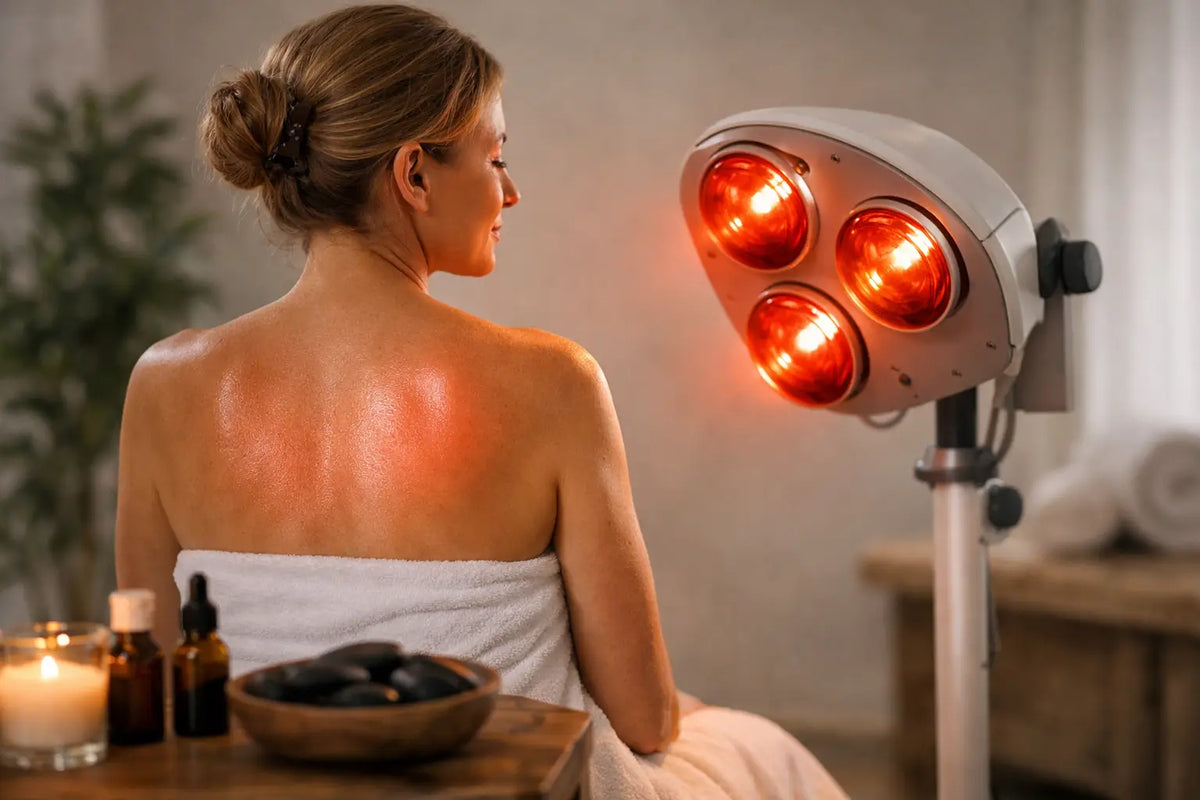
A Practical Guide to Infrared Heat Therapy
A well-designed heat ritual does more than make you sweat. It creates a protected window to downshift after training, decompress after demanding work, and practice recovery with the same intention you bring to performance. This guide to infrared heat therapy explains what the modality does, where its limits are, and how to make it a sustainable part of life at home.
What Infrared Heat Therapy Is
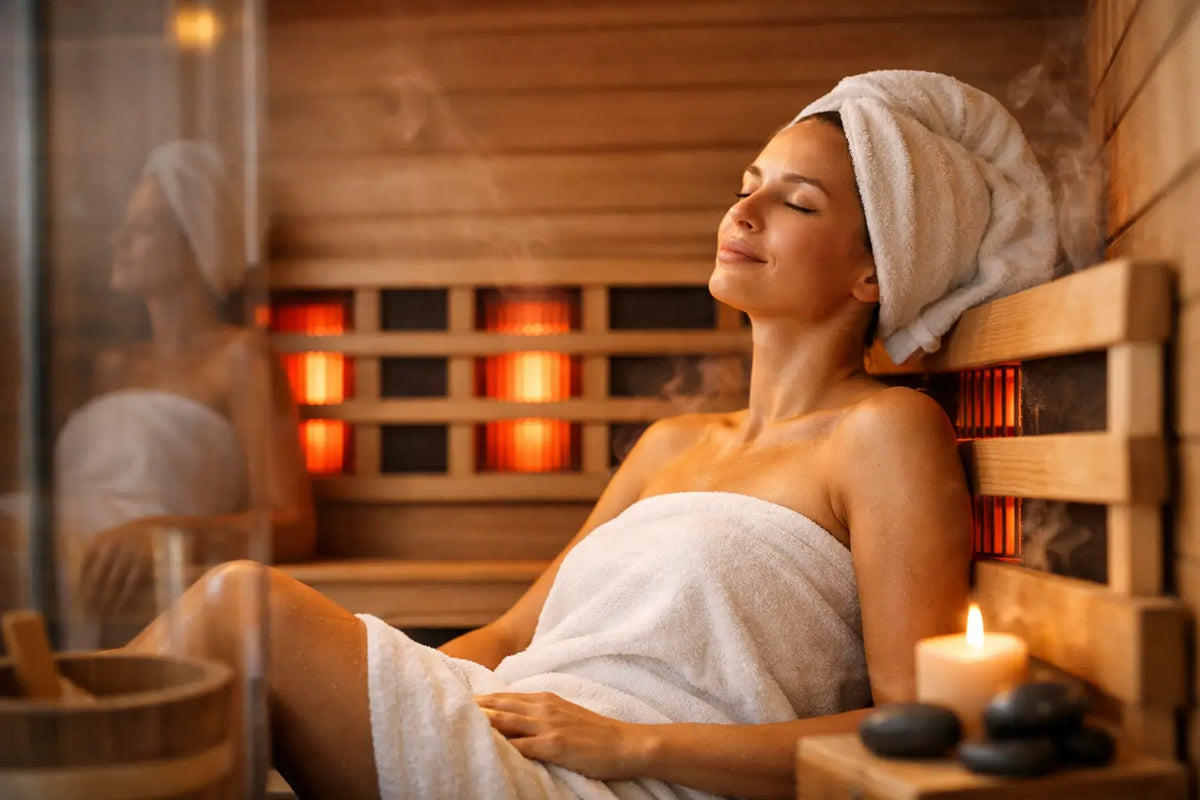
Infrared heat therapy uses infrared light to warm the body more directly than the hot air of a traditional sauna. Instead of relying primarily on an extremely high ambient temperature, infrared panels emit wavelengths that are absorbed by the skin and generate a gradual, penetrating sensation of warmth.
That distinction changes the experience. Traditional saunas often operate at much higher air temperatures, while many infrared saunas feel more tolerable at lower temperatures. For people who find conventional sauna heat oppressive, infrared can offer a more accessible route to a meaningful heat session.
Infrared systems are commonly described by their wavelength ranges: near, mid, and far infrared. In practical terms, a home sauna may use one range or a blend. Far infrared is generally associated with deep, comfortable warmth, while near infrared is closer to the wavelengths used in certain light-based wellness devices. The exact panel configuration matters, but it is not the only factor. Cabin design, heater placement, ventilation, temperature control, and how consistently you use the sauna all shape the outcome.
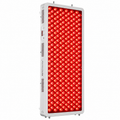
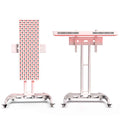
Infrared heat is not the same thing as red light therapy. Both may appear in a sophisticated home wellness environment, but red light therapy uses specific visible red and near-infrared wavelengths at controlled irradiance levels, usually without a major heat load. An infrared sauna is first and foremost a heat modality.
Why People Build an Infrared Heat Practice
The immediate appeal is simple: warmth calms the body. Muscles often feel less guarded after a session, particularly following resistance training, endurance work, long travel, or hours at a desk. The rising body temperature and quiet, enclosed setting can also make infrared heat a useful transition between a high-output day and a more restorative evening.
There is a meaningful physiological case for regular sauna use, too. Heat exposure increases heart rate and circulation, creating a cardiovascular demand that can resemble light-to-moderate exercise for some people. Observational research on frequent sauna bathing, particularly traditional Finnish sauna use, has associated regular use with favorable long-term cardiovascular outcomes. Those findings are encouraging, but they do not prove that any infrared sauna, used in any pattern, will deliver the same result. Lifestyle, baseline health, temperature, duration, and adherence all matter.
For active people, the more immediate value is often recovery behavior. A sauna session can become a deliberate cue to hydrate, slow breathing, leave the phone outside, and give the nervous system a clear signal that work is over. That consistency may matter more than chasing an extreme temperature or a dramatic sweat response.
Some people also use infrared heat to support sleep quality, relaxation, and a sense of physical ease. Those outcomes are personal and variable. If a late, intense session leaves you alert or overheated, move it earlier. If a calm evening session helps you settle, protect that ritual.
The Right Starting Protocol
The best first session is controlled, not heroic. Start with 10 to 15 minutes at a comfortable temperature. Let your body adapt over several sessions before increasing either the time or heat. A useful early target is two to three sessions per week, then adjust based on recovery, schedule, and how you feel the following day.
Once acclimated, many healthy adults are comfortable with sessions in the 20- to 40-minute range. More is not automatically better. Long sessions can create an unnecessary hydration burden, increase fatigue, and make the practice harder to maintain. The right dose is the one that leaves you feeling clear and restored rather than depleted.
Use the first few minutes to settle. Sit or recline comfortably, breathe through your nose if that feels natural, and avoid treating the sauna as another place to consume more stimulation. A calm environment is part of the intervention.
Afterward, cool down gradually and rehydrate. Water is sufficient for many sessions, while longer sessions, heavy sweating, or training days may call for electrolytes as well. Avoid alcohol before or immediately after sauna use. It can impair temperature regulation and compound dehydration.
A simple weekly rhythm
An effective home protocol often fits around the rest of your training and recovery stack. Use a moderate session after lower-intensity training or on a rest day. After a very demanding workout, wait until your heart rate has settled and you have replaced fluids before entering the sauna.
If you also use cold exposure, sequence depends on the goal. Heat after a stressful day may emphasize relaxation. Cold can feel energizing and may be better earlier in the day for some people. For muscle-building phases, avoid making immediate post-lifting cold immersion an automatic habit, since frequent cold exposure directly after resistance training may blunt some adaptation signals. There is no universal contrast-therapy rule. Match the sequence to the outcome you value most.
Safety Is Part of the Practice
Infrared heat therapy is not appropriate for every person or every day. Heat can lower blood pressure, elevate heart rate, and intensify fluid loss. If you feel dizzy, nauseated, unusually weak, short of breath, or develop chest discomfort, end the session immediately and cool down.
Speak with a qualified clinician before using a sauna if you have cardiovascular disease, uncontrolled blood pressure, kidney disease, a history of fainting, heat intolerance, or a condition that affects sweating. The same applies if you are pregnant, are recovering from an acute illness, or take medications that influence blood pressure, hydration, alertness, or heat regulation. This is especially relevant for diuretics, some blood pressure medications, stimulants, and certain antidepressants.
Do not use a sauna when dehydrated, feverish, intoxicated, or immediately after an illness that has left you depleted. Be conservative after poor sleep, prolonged travel, or a hard endurance event. On those days, the disciplined choice may be to shorten the session or skip it entirely.
A reliable rule is to leave while you still feel good. Pushing through discomfort is not a sign of resilience. It is poor recovery judgment.
Choosing an Infrared Sauna for Home
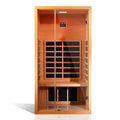
A premium infrared sauna should feel like a permanent part of your home, not an oversized appliance that creates friction every time you use it. Before comparing finishes or features, consider the practical constraints: available footprint, ceiling clearance, electrical requirements, floor protection, airflow, and the route from delivery point to final installation location.
Then assess the elements that shape daily use. Even heat distribution matters more than an impressive maximum temperature. Look for intuitive controls, comfortable seating, low-maintenance materials, and a cabin size that fits your preferred practice. A solo unit can support a focused routine in a smaller space; a larger cabin may make consistency easier for partners or family members.
Service deserves equal attention. High-ticket wellness equipment should come with clear delivery expectations, installation support where needed, a meaningful home trial, and warranty coverage that reflects the investment. The experience after checkout is part of the product.
HALOR approaches home recovery as a considered system: premium equipment, practical adoption, and the support needed to turn a major purchase into a lasting ritual.
How to Know Whether It Is Working
Do not judge infrared heat therapy by sweat alone. Sweat rate changes with hydration, room conditions, acclimation, and individual physiology. Instead, track signals that are more useful: whether your body feels less tense after training, whether you return to a calmer state faster in the evening, whether the practice supports better routine adherence, and whether you look forward to using it.
A brief note after each session can reveal patterns. Record duration, temperature, how hard you trained that day, hydration, and how you felt afterward. Within a few weeks, you will have a clearer sense of your personal dose than any generic protocol can provide.
The strongest infrared routine is rarely the most intense one. It is the quiet, repeatable practice that fits your space, respects your physiology, and gives recovery a permanent place in your week.