
Does Hydrogen Water Actually Work? The Evidence
A hydrogen water bottle can look like a small upgrade to an already disciplined routine: fill, press, wait, drink. The bigger question is whether that ritual earns its place beside training, sleep, nutrition, heat, and cold exposure. Does hydrogen water actually work? The honest answer is that it may offer modest, targeted benefits, but the science does not support treating it as a cure-all or a substitute for the fundamentals.
For people who already take recovery seriously, hydrogen water is best understood as a low-friction adjunct. It is a way to introduce molecular hydrogen into drinking water, with early human research suggesting possible effects on oxidative stress, inflammation, exercise recovery, and certain metabolic markers. Promising is not the same as proven. The distinction matters.
What hydrogen water is designed to do
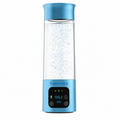
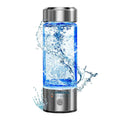
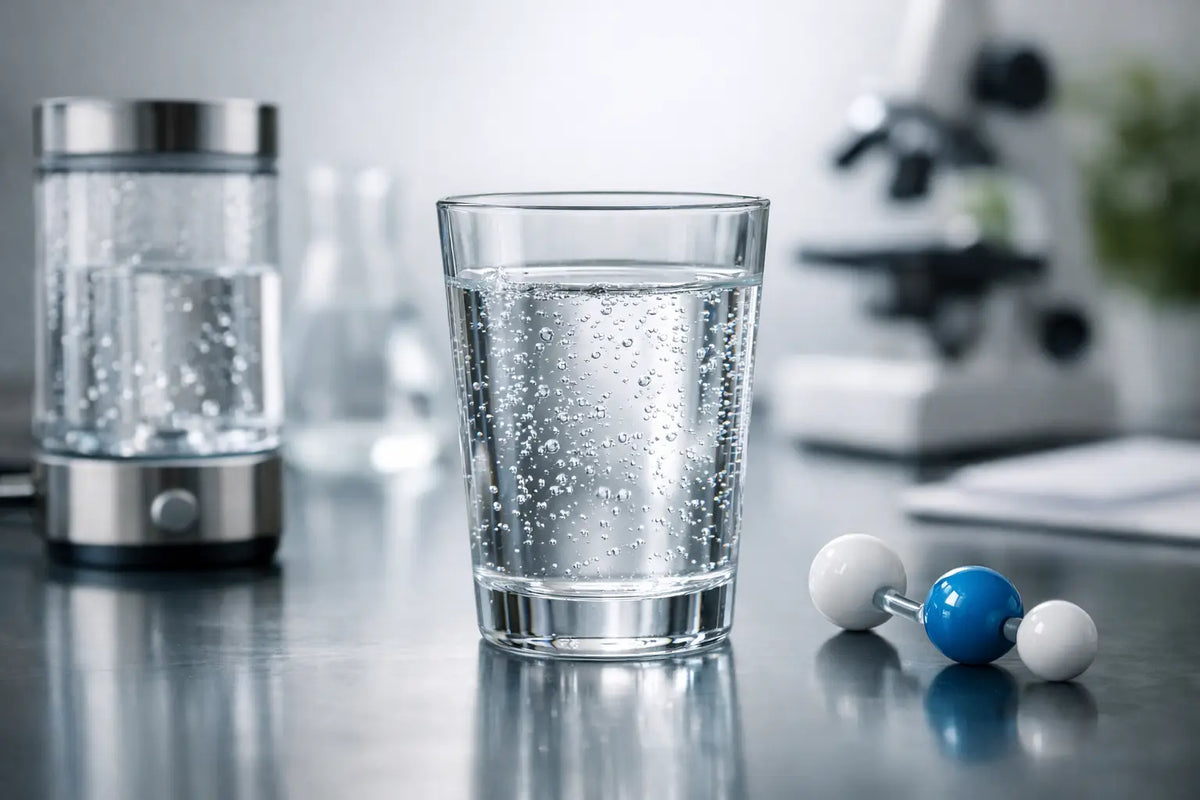
Hydrogen water contains dissolved molecular hydrogen, written chemically as H2. This is not hydrogen peroxide, hydrogen-rich alkaline water, or water with added minerals. It is ordinary water infused with hydrogen gas, usually through a bottle or machine that uses electrolysis.
Molecular hydrogen is extremely small and can diffuse rapidly through the body after consumption. Researchers are interested in it because it may influence cellular signaling pathways associated with oxidative stress and inflammation. The prevailing theory is not that hydrogen simply "cancels out" every free radical. Oxidative signaling is necessary for adaptation, immune function, and training response. Rather, molecular hydrogen may selectively moderate some of the more damaging oxidative processes while supporting the body's own antioxidant defenses.
That is a meaningful distinction for performance-minded consumers. The goal is not to eliminate the stress of a hard workout. It is to recover well enough to train, think, and live with consistency.
Does hydrogen water actually work for recovery?
The evidence is encouraging in places, but it remains early and uneven. Small clinical trials and systematic reviews have reported potential improvements in markers related to oxidative stress, inflammation, fatigue, muscle soreness, and exercise performance. Some studies have also explored its role in metabolic health, liver function, and cognitive fatigue.
The strongest practical takeaway is restraint: hydrogen water may help some people feel marginally better recovered or less fatigued, particularly when used consistently around demanding training blocks. It is far less certain that it creates a dramatic, immediately noticeable change for every user.
Study quality is one limitation. Many trials have small sample sizes, short durations, different hydrogen concentrations, and different participant populations. A protocol that shows promise in trained cyclists, for example, may not translate directly to a busy executive who strength trains three times a week. Researchers also have not yet established a universal dose, ideal timing, or long-term outcome standard.
This is why a premium wellness routine should be built in layers. Sleep duration and quality, sufficient protein, hydration, resistance training, aerobic fitness, stress management, and a recovery environment remain the foundation. Hydrogen water belongs above that foundation, not in place of it.
What you may realistically notice
Response is individual, and expectations should be calibrated. If hydrogen water is useful for you, the effect may feel subtle: steadier energy through the afternoon, less perceived fatigue after training, or a cleaner sense of recovery between demanding days. These outcomes are inherently harder to measure than a lab value, so a deliberate trial is more useful than a single enthusiastic first impression.
Use it consistently for several weeks while keeping the rest of your routine stable. Pay attention to sleep, training output, soreness, digestion, and mental clarity. If you track biomarkers or performance data with a clinician or coach, those data can add context, though they should not be overinterpreted.
The quality of the water matters as much as the ritual
Hydrogen is a gas, and it escapes. That practical fact shapes nearly every buying and usage decision. A bottle can generate hydrogen effectively, but the concentration begins to decline once the water is exposed to air and as time passes. Drinking freshly generated hydrogen water is generally more sensible than preparing it in the morning and leaving it on a desk until late afternoon.
Look beyond vague claims such as “hydrogen infused.” A considered device should clearly state its hydrogen concentration or output, use safe materials, and separate hydrogen production from undesirable byproducts. The water should also taste clean and fit naturally into your day. A device that lives in a cabinet will not become a meaningful part of your recovery practice.
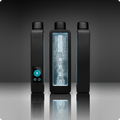
Material quality matters, too. A well-designed portable bottle should feel stable in the hand, be easy to charge and clean, and support a repeatable ritual at home, at work, or after training. Convenience is not superficial in wellness. Consistency is where any potential benefit has a chance to compound.
How to use hydrogen water without overcomplicating it
There is no universally accepted protocol, but practical use is straightforward. Generate a fresh serving and drink it soon after the cycle is complete. Many people use it in the morning, before training, after training, or during the mid-afternoon period when focus and energy tend to soften.
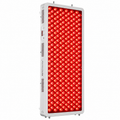
Rather than forcing a rigid schedule, attach it to an existing habit. It can become part of a morning reset before a walk, a pre-lift preparation ritual, or a calm post-sauna hydration practice. If you are using heat exposure, cold plunging, red light therapy, and structured training, hydrogen water can serve as the simplest element in the system: a quiet hydration cue that reinforces recovery without adding more time to the calendar.
Avoid assuming more is always better. The research has not defined a threshold at which additional hydrogen water produces additional benefit. Follow your device instructions, maintain normal hydration, and use plain water as the center of your fluid intake.
Safety, side effects, and who should be cautious
Hydrogen water is generally considered well tolerated in the human studies conducted to date. Molecular hydrogen is naturally produced in small amounts by gut microbes, and no serious safety signal has emerged from typical oral use. Still, “generally well tolerated” is not identical to “appropriate for every situation.”
If you are pregnant, breastfeeding, managing a medical condition, or taking prescription medication, discuss new wellness practices with your physician. The same applies if you are pursuing hydrogen water for a specific disease outcome. It should not delay diagnosis, replace prescribed treatment, or become the sole answer to persistent symptoms.
Be equally careful with product claims. No responsible device should promise to treat, prevent, or cure disease. The more precise promise is more compelling anyway: a thoughtfully designed tool may support the daily conditions in which recovery and performance are more likely to improve.
Is it worth adding to a home longevity routine?
For someone beginning their health journey, hydrogen water is not the first purchase to make. A consistent sleep schedule, quality food, movement, and basic hydration will deliver a larger return. But for the person who already has those disciplines in place, it can be an appealing addition because the time cost is nearly zero.
Its value also depends on the kind of person you are. If you enjoy tracking inputs and refining routines, a hydrogen water bottle offers a simple intervention to test with a clear process. If you resent another device, another charge cable, or another recurring decision, its theoretical upside may not overcome the friction.
HALOR approaches hydrogen water as one part of a considered home recovery environment, not a shortcut. The most effective longevity practices are rarely dramatic. They are calm, repeatable, and easy to return to when life becomes demanding.
Give hydrogen water the standard you would give any performance tool: use a quality device, apply it consistently, and judge it against your own baseline rather than a headline. If it helps you protect a deliberate recovery ritual, that may be its most valuable effect.