
A Practical Guide to Recovery Stacking at Home
The most effective recovery routines do not rely on one dramatic intervention. They create a controlled sequence that helps you shift from exertion to calm, support sleep, and return to training or work with greater capacity. This guide to recovery stacking explains how to combine complementary modalities without turning your home into a complicated protocol lab.
Recovery stacking is not about doing more. It is about selecting tools with distinct roles, placing them at the right time, and leaving enough space for your body to respond. A cold plunge, infrared sauna, red light session, hydration practice, and a consistent sleep schedule can work together. But their value depends on your goal, training load, health history, and willingness to repeat the routine.
What Recovery Stacking Means
A recovery stack is a deliberate combination of practices used within the same day or week to support physical restoration, mental clarity, and long-term resilience. The stack can be simple: an infrared sauna session after a demanding day, water and electrolytes afterward, then low evening light and an earlier bedtime. Or it can be more structured, using red light therapy in the morning, cold exposure after a stressful workday, and heat on designated recovery days.
The principle is sequencing, not intensity. Heat increases circulation and creates a deep sense of release. Cold exposure can produce an alert, focused state and may help manage perceived soreness. Red and near-infrared light are commonly used to support skin health, tissue recovery, and cellular energy processes. Hydration and sleep provide the foundation that allows every other modality to matter.
No device replaces progressive training, nourishing food, or adequate rest. Recovery equipment is most useful when it makes these fundamentals easier to sustain.
Start With the Outcome You Want
Before choosing a stack, define the primary outcome. A runner preparing for a high-volume block needs something different from a founder managing long workdays and fragmented sleep. The best protocol is specific enough to be useful and restrained enough to maintain.
If your priority is relaxation and sleep quality, heat is often the anchor. An evening infrared sauna session, followed by a cool shower rather than an aggressive plunge, can create a smoother transition into rest. If you want alertness and stress tolerance, brief cold exposure earlier in the day may be a better fit. For skin support, joint comfort, or a non-disruptive daily ritual, red light therapy is often easy to place in the morning or before bed.
Avoid building a stack around every possible benefit. Choose one primary objective and one secondary objective for four weeks. Track how you feel, how you sleep, and whether the routine is practical on an ordinary Tuesday.
The Core Modalities and Their Roles
Infrared heat for downshifting
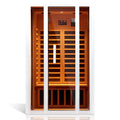
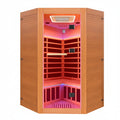
Infrared sauna sessions are often used after training, on lower-intensity days, or in the evening when the goal is to decompress. The radiant heat can support relaxation, circulation, and a meaningful break from screens and stimulation. Many people find 15 to 30 minutes manageable, depending on heat tolerance, hydration status, and the sauna’s operating temperature.
Heat comes with a real recovery cost if you overdo it. It can leave you depleted when paired with hard training, poor sleep, alcohol, or inadequate hydration. Keep water nearby, replace fluids afterward, and exit if you feel lightheaded, nauseated, or unwell.
Cold exposure for composure and focus
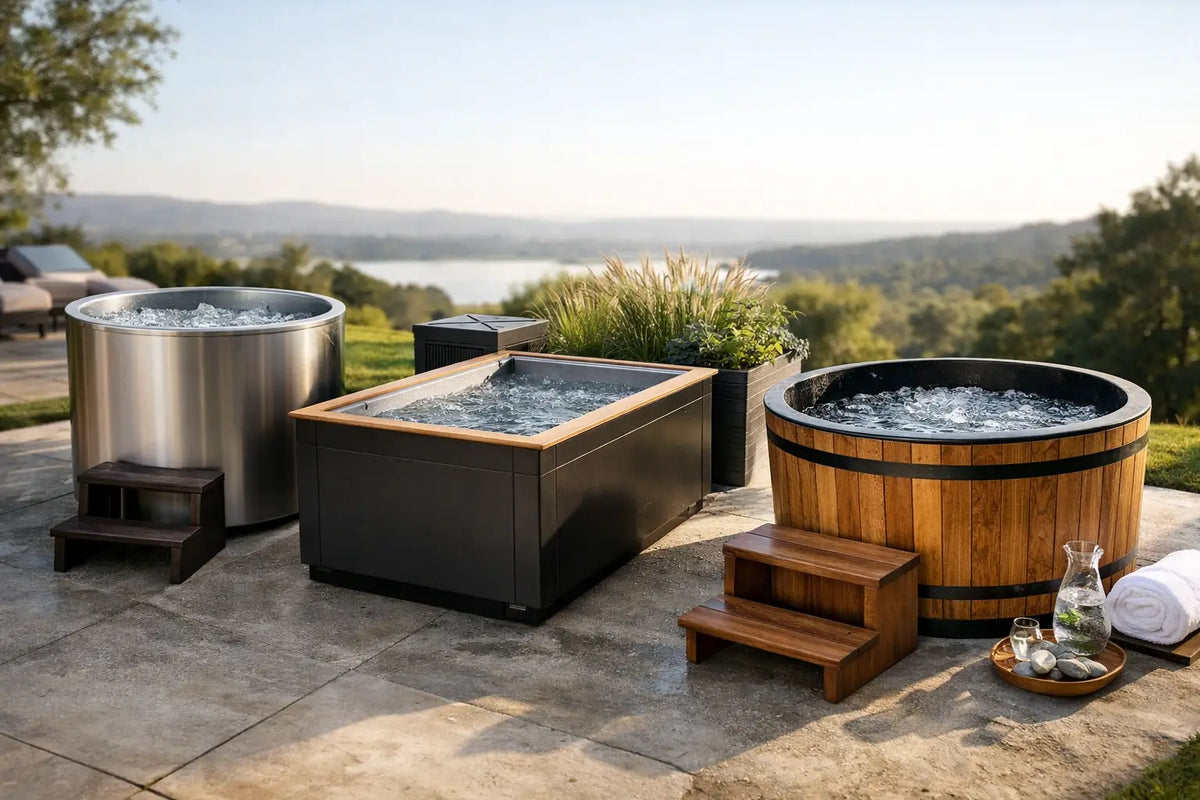
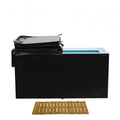
A cold plunge can be a powerful ritual because it asks for presence. Short, controlled exposure may help you feel more alert and grounded, particularly when used earlier in the day. Start conservatively. The goal is steady breathing and calm control, not proving toughness.
Timing matters for athletes focused on muscle growth. Frequent cold immersion immediately after resistance training may not be ideal when hypertrophy is the central goal, since some evidence suggests it can blunt certain training adaptations. In that case, separate cold exposure from lifting by several hours, reserve it for conditioning days, or use it selectively during periods of high soreness and competition demand.
Red light therapy for a low-friction daily practice
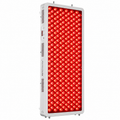
Red light therapy fits well into a recovery stack because it is passive, repeatable, and does not typically create the same systemic stress as heat or cold. Sessions are commonly placed in the morning, before a workout, or during an evening wind-down. Consistency matters more than chasing long sessions.
Follow the device-specific distance and exposure guidance. More light is not automatically better. If you are using photosensitizing medication or have a condition affected by light exposure, speak with your clinician before beginning.
Hydration and hydrogen water as supportive layers
Hydration is not a glamorous part of recovery stacking, but it is the layer that keeps heat and training from becoming unnecessarily taxing. Replace fluids after sweating, and consider electrolytes when your workouts are long, intense, or performed in warm conditions.
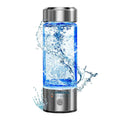
Hydrogen water can be included as a simple hydration ritual for people interested in oxidative stress and exercise recovery research. The evidence is still developing, so it should be viewed as complementary rather than foundational. Use it because it supports a routine you enjoy, not because it promises to compensate for poor sleep or inconsistent nutrition.
A Practical Guide to Recovery Stacking by Day Type
Your stack should change with your output. On a demanding strength-training day, a practical approach might include red light therapy before training or later in the day, a protein-rich meal, deliberate hydration, and an evening sauna if it does not compromise sleep. Save the cold plunge for a separate window if muscle-building is the priority.
On a high-stress workday without hard training, cold can serve as a clean reset. A brief plunge in the morning or midafternoon, followed by movement, hydration, and regular meals, may be more useful than reaching for another stimulant. In the evening, shift the nervous system in the other direction with infrared heat, dimmer light, and a consistent bedtime.
On a true recovery day, pair modalities gently. Red light therapy, walking, mobility work, an infrared sauna session, and unhurried hydration create a complete ritual without asking your body to adapt to another hard stimulus. Recovery days should leave you better, not exhausted from optimizing.
A Simple Weekly Structure
For most people, two to four sauna sessions and two to three cold sessions per week are a reasonable starting range, adjusted for tolerance and goals. Red light therapy may be used more frequently, provided you follow the recommended protocol for your panel. The exact frequency depends on your training volume, schedule, and response.
A useful structure is to assign heat to evenings when you need to downshift, cold to mornings or non-lifting days when you want a sharper state, and red light to a fixed daily cue such as brushing your teeth or preparing for training. This reduces decision fatigue. The routine becomes part of the architecture of your home rather than another item on your calendar.
Keep one or two days each week intentionally light. A premium recovery space should create stillness, not pressure to use every modality every day.
Safety Is Part of the Protocol
Recovery stacking should feel challenging at times, but never reckless. Do not combine prolonged heat exposure, intense cold, dehydration, alcohol, and exhaustive training in one compressed window. That is not advanced recovery. It is unnecessary strain.
Speak with a qualified clinician before using sauna or cold exposure if you are pregnant, have cardiovascular disease, uncontrolled blood pressure, a history of fainting, kidney disease, neuropathy, or other relevant medical conditions. Use additional caution with medications that affect hydration, blood pressure, heart rate, or heat tolerance. Never use a cold plunge alone if you are new to cold exposure or prone to dizziness.
Pay attention to the feedback that matters: resting heart rate, sleep quality, mood, training performance, and the simple question of whether you feel restored. If your sleep worsens, your motivation drops, or you begin to dread the routine, reduce the dose.
A well-designed home recovery practice is not a spectacle. It is a quiet, repeatable standard that gives your body a clearer path back to readiness, day after day.