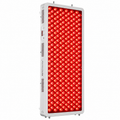


A Realistic Red Light Therapy Results Timeline
A red light panel is not a shortcut. It is a deliberate input, much like strength training, sleep discipline, or a cold plunge protocol. The most useful red light therapy results timeline is one that sets clear expectations: some changes can feel immediate, many require several weeks, and the outcomes that matter most tend to be built through consistent exposure.
For the high-performance home, that is good news. Red light therapy is quiet, noninvasive, and easy to place inside a repeatable morning or evening ritual. The work is less about chasing a dramatic overnight shift and more about giving your cells a consistent signal over time.
What Shapes Your Results Timeline?
Red and near-infrared light are studied for their effects on cellular processes, including mitochondrial activity and signaling pathways involved in tissue repair, inflammation, circulation, and collagen production. The practical takeaway is simple: the body needs time to respond.
Your timeline will depend on the outcome you are pursuing. A person using red light therapy for post-training recovery may notice a difference in perceived muscle tightness before someone using it to support skin tone sees visible changes. A chronic concern, such as persistent joint discomfort or uneven skin texture, can require a longer and more consistent protocol.
Dose is equally important. Results are influenced by wavelength, irradiance, distance from the panel, treatment duration, and weekly frequency. More is not automatically better. Light therapy follows a dose-response pattern, meaning too little may not create a meaningful effect, while excessive exposure may be less productive than a measured routine.
Device quality matters here. A well-designed panel should provide clear guidance on output, treatment distance, and session duration, so your practice is based on usable specifications rather than vague promises. If you cannot repeat the protocol, you cannot evaluate it.
Red Light Therapy Results Timeline by Week
After the first session: a sense of calm, not a transformation
Some people report a temporary feeling of warmth, relaxation, or looser tissue after their first session. That can be a welcome part of an evening recovery routine, especially after training or long hours at a desk. It is not, however, proof of a major physiological change.
For skin, do not expect immediate smoothing or firming. For muscle recovery, do not assume one session replaces sound programming, hydration, protein intake, or sleep. Treat the first week as a calibration period. Learn the panel, establish your distance, and find a session length you can maintain without friction.
Weeks 1-2: routine becomes the first result
The earliest meaningful win is often adherence. A panel placed where you will actually use it - in a bedroom, training space, or private recovery area - has more value than a technically impressive device that remains boxed or inconvenient.
During the first two weeks, some users notice subtle changes in how their skin feels, how quickly minor post-workout soreness settles, or how relaxed they feel after a session. These observations are personal and can vary substantially. They are best treated as early signals, not guarantees.
Use this window to keep variables stable. Do not change your entire skincare regimen, training volume, supplementation, and sleep schedule at the same time if you want to understand what the therapy is contributing.
Weeks 3-4: early visible and recovery-oriented changes
This is when consistent users may begin to see or feel more recognizable benefits. With skin-focused use, the earliest changes may include a more hydrated appearance, a more even-looking tone, or a subtle improvement in overall radiance. These are often gradual enough that weekly photos in the same lighting are more useful than checking the mirror every day.
For active individuals, weeks three and four may bring a more consistent sense of readiness between sessions, particularly when red light therapy is paired with intelligent programming and recovery basics. It may support the process, but it does not erase the cost of overtraining.
If your goal involves temporary redness, blemish recovery, or surface-level irritation, results can be uneven. Skin is influenced by hormones, stress, products, nutrition, and sun exposure. Red light therapy can be one part of a refined skin protocol, not a replacement for clinical care when a condition requires it.
Weeks 6-8: where consistency becomes visible
For many users, six to eight weeks is the first reasonable checkpoint for assessing skin-related goals. Collagen remodeling is not instant. Improvements in the look of fine lines, skin texture, and firmness typically require sustained use and realistic expectations.
This is also a strong point to assess recovery goals. Rather than asking whether every workout feels effortless, look for practical patterns: Are you returning to training with less lingering stiffness? Do targeted areas feel more comfortable during normal movement? Are you able to maintain a more consistent recovery ritual?
Progress is rarely linear. A demanding travel week, poor sleep, a new training block, or a change in skincare can affect what you see and feel. The value of a structured home practice is that you can return to it without needing to book an appointment or rebuild momentum.
Weeks 8-12 and beyond: evaluate the compounding effect
At two to three months, you have enough consistency to make a better decision. Compare photos, training notes, sleep habits, and how your body feels across a normal week. If your objective is cosmetic, look for subtle but cumulative changes rather than a different face. If it is recovery, assess your trend across several training cycles rather than one hard session.
For ongoing goals, red light therapy is generally better viewed as maintenance than a finite treatment course. Once you establish a response, many people continue with a sustainable cadence, often several sessions per week. The right frequency depends on the device and your target area, so follow the manufacturer’s protocol instead of improvising longer sessions.
How to Get a More Reliable Result
Consistency is the foundation, but precision improves the experience. Choose one primary goal for your first eight weeks. If you are using a full-body panel, you can still prioritize a specific outcome, such as lower-body recovery, complexion support, or general evening downregulation.
Use the same distance and session duration whenever possible. Record your sessions in a simple note alongside training and sleep. For skin goals, take baseline photos before starting, then repeat them every two to four weeks in the same location, at the same time of day, without filters. For recovery goals, rate soreness, stiffness, or readiness using the same scale.
A practical baseline protocol may involve short, consistent sessions several times per week, with distance and duration guided by your specific panel. Avoid treating red light therapy like a test of endurance. More minutes are not inherently more effective, and overuse can make it harder to identify the dose that works for you.
At HALOR, we see home recovery as a system of deliberate practices. Red light therapy works best beside the fundamentals: quality sleep, adequate nutrition, thoughtful movement, hydration, and periods of genuine stillness. A panel can make that system easier to sustain because it removes the friction of traveling to a clinic or scheduling another appointment.
When to Adjust Your Protocol
If you have used your panel consistently for eight to 12 weeks and notice no meaningful change, review the basics before deciding the modality is ineffective. Check whether your treatment distance matches the device guidance, whether your sessions have been regular, and whether your expectation matches the goal. A deeper musculoskeletal concern will not follow the same timeline as a surface-level skin objective.
Consider professional guidance for persistent pain, significant skin concerns, or a diagnosed medical condition. Red light therapy is not a substitute for medical evaluation, prescription treatment, or rehabilitation when those are indicated. Anyone with photosensitivity, a condition affected by light, or medications that increase light sensitivity should speak with a qualified clinician before beginning a protocol.
The best timeline is not the fastest one. It is the one you can repeat with enough clarity to see what is changing - then carry forward as part of a home built for long-term performance.