
How to Build a Home Recovery Room That Lasts
A recovery room should not feel like a storage area for expensive equipment. It should feel like the most intentional room in the house: calm on entry, clear in purpose, and easy to use when training is hard, work is demanding, or sleep has been short. To build a home recovery room well, start with the ritual you want to repeat, then select the modalities that support it.
For most people, the real advantage is not access to one more wellness tool. It is removing friction. A thoughtful home setup turns recovery from an occasional appointment into a deliberate practice you can return to several times each week.
Start With the Outcome, Not the Equipment
A cold plunge, infrared sauna, red light panel, and hydrogen water bottle can work beautifully together. They do not need to arrive together, and they do not serve the same purpose. The right room is built around your priorities, your available square footage, and your tolerance for maintenance.
Begin by defining the result you want most from the space. If your primary goal is post-training recovery and mental resilience, cold exposure may lead the plan. If you want a decompression ritual that supports relaxation after long workdays, infrared heat may deserve the largest footprint. If skin quality, muscle support, and a low-effort daily habit matter most, red light therapy can be the most efficient starting point.
This distinction matters because premium recovery equipment earns its place through use. A smaller room with one modality used four times a week is more valuable than a showroom-sized setup used once a month.
Choose the Right Room and Prepare It Properly
A spare bedroom, garage bay, basement, covered patio, or large primary bathroom can all work. The best location depends less on appearances than on water access, drainage, electrical capacity, ventilation, floor load, and daily convenience.
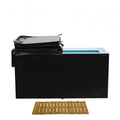
For cold plunges, prioritize a level floor that can support the filled unit, nearby electrical access, and a practical drainage plan. Water is heavy, and routine water care is easier when filling and emptying do not become a project. Garages and covered outdoor areas often offer the simplest installation path, while a finished interior space can create a more private, spa-like ritual when properly prepared.
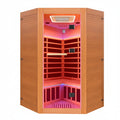
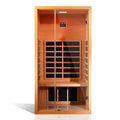
Infrared saunas need stable, level placement and adequate electrical planning. Depending on the model, a standard outlet may be sufficient or a dedicated circuit may be appropriate. Heat also changes the room around it. Allow clearance, consider ventilation, and protect nearby surfaces according to the manufacturer’s requirements.
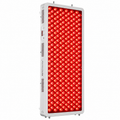
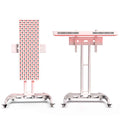
Red light therapy panels are comparatively flexible. They can be mounted to a wall, placed on a stand, or used in a bedroom or training area. Still, placement matters. Give yourself enough distance to stand comfortably in front of the panel, and avoid putting the unit where cords, doors, or furniture interrupt the routine.
Before ordering, measure doorways, hallways, stairs, and the final installation area. This is where white-glove delivery and in-home installation can make a meaningful difference. Large recovery equipment is an investment in your routine, not a curbside box to manage alone.
Build a Home Recovery Room in Zones
The most effective rooms separate activation from restoration. You do not need a large footprint, but you do need a clear flow.
The first zone is for preparation: a bench, hooks for towels and robes, a small shelf for water, and a non-slip mat. This is a practical detail that prevents the room from feeling improvised. Keep it visually quiet. Closed storage for cleaning supplies, extra towels, and accessories preserves the composed, clinical-modern feel that makes you want to return.
The second zone is your primary modality. In a cold-focused room, the plunge is the anchor. In a heat-focused space, it is the sauna. Position this equipment so it has room to breathe and so entering and exiting feels safe, particularly when your body temperature is changing.
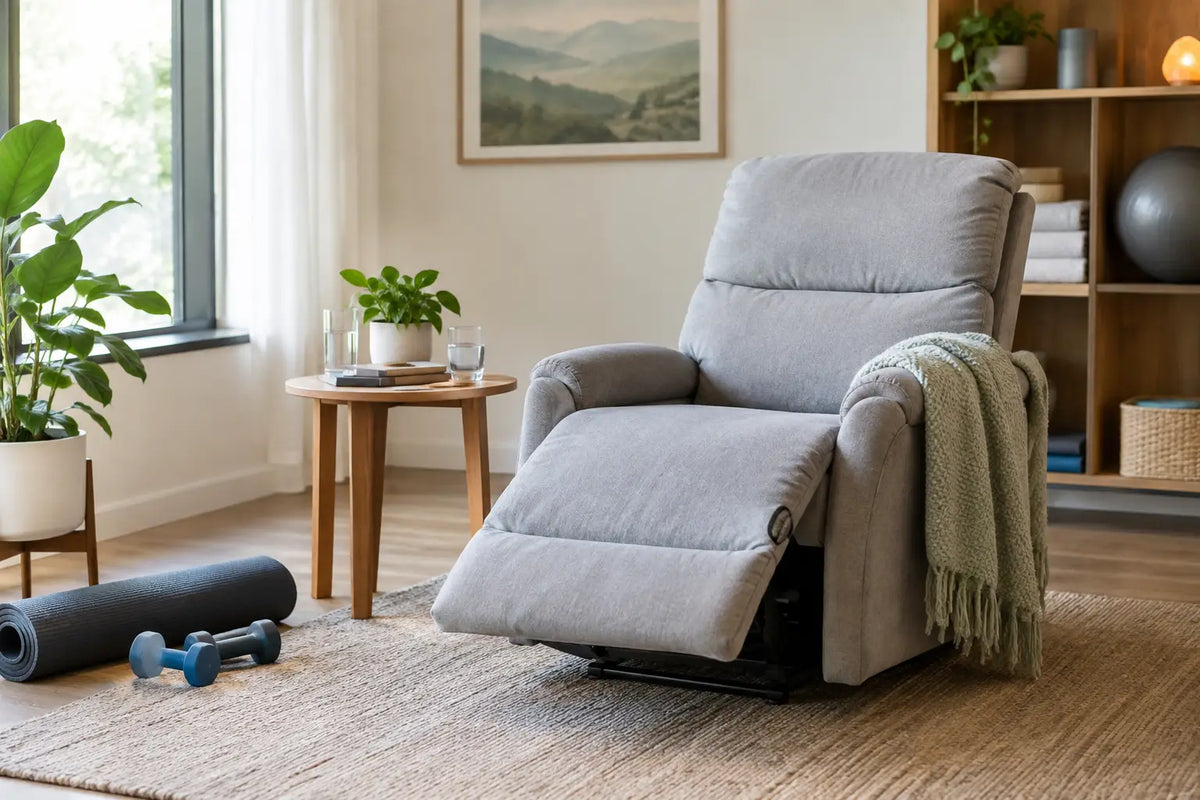
The third zone is for stillness. A red light panel, low bench, reclined chair, or open floor area can create a place to slow down after heat or before bed. You are not designing a commercial wellness club. You are creating an environment where the next step feels obvious.
Lighting should support that purpose. Avoid harsh overhead bulbs where possible. Warm, dimmable perimeter lighting can make early mornings and late evenings more inviting, while brighter task lighting near cleaning and maintenance areas keeps the room functional. Select durable, moisture-appropriate finishes if heat, steam, or splashing water will be present.
Select Modalities That Work Together
A complete home recovery room does not require every tool at once. It requires a logical stack.
Cold exposure for discipline and recovery
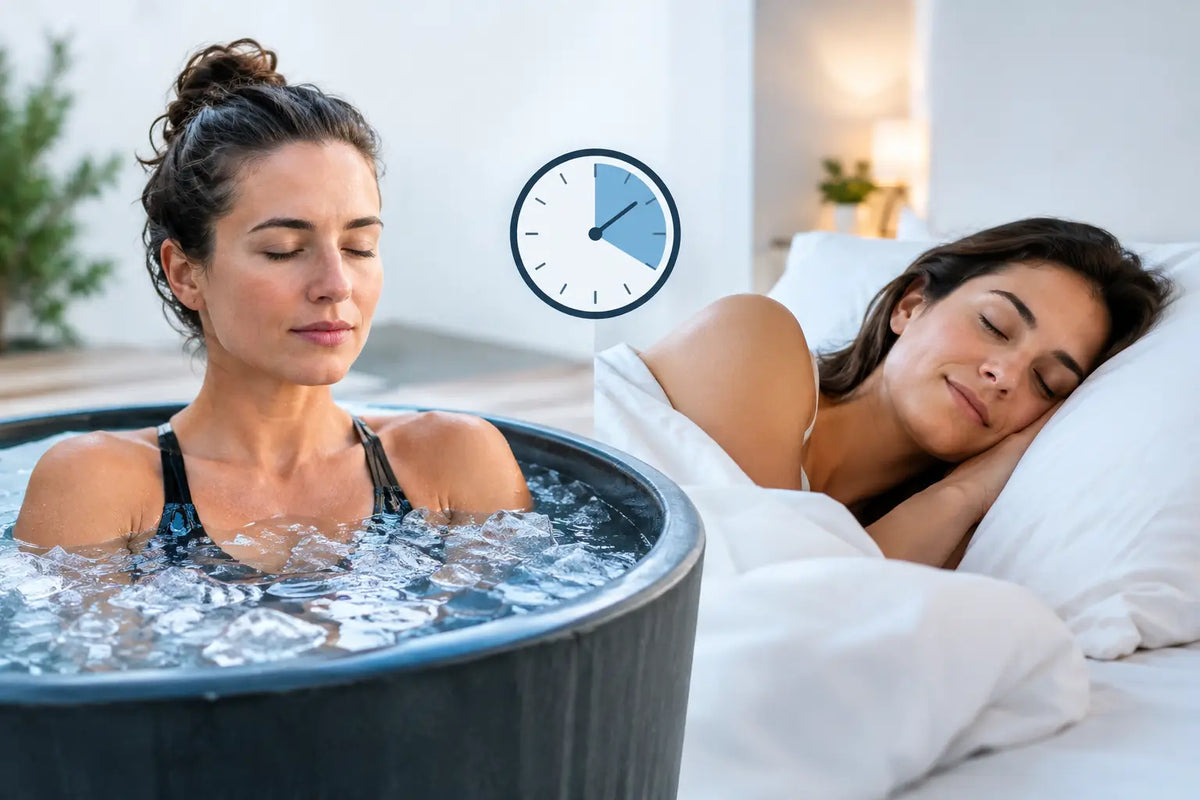
A cold plunge is often the centerpiece for people who value consistency, alertness, and the mental clarity that comes from a controlled stressor. It is particularly compelling after demanding days, though timing can depend on your training goals. Some athletes may choose to avoid immediate cold immersion after certain strength sessions because they prefer not to interfere with adaptation signals. Others use cold exposure on rest days, after endurance work, or in the morning for a focused reset.
Start conservatively. Short, manageable sessions and a stable water-care routine are more useful than chasing extremes. People with cardiovascular conditions, pregnancy, circulation concerns, or other relevant medical considerations should speak with a qualified clinician before beginning cold exposure.
Infrared heat for a slower reset
Infrared sauna sessions offer the opposite rhythm: contained warmth, quiet, and time away from screens. Many owners use heat as an evening ritual, after mobility work, or on lower-intensity training days. The appeal is not only the session itself. It is the repeatable transition from effort to recovery.
Hydration is central here. Enter well-hydrated, keep water nearby, and leave room in your schedule to cool down gradually afterward. If you are sensitive to heat, taking medications that affect thermoregulation, or managing a health condition, professional guidance is appropriate.
Red light therapy for daily consistency
Red light therapy is well suited to a high-frequency routine because sessions are brief and require little preparation. Depending on the device and protocol, it may be used to support skin appearance, muscle recovery, and general tissue-focused wellness practices. The key is consistency, along with following the recommended distance and duration for your specific panel.
Place the panel where it can be used without rearranging the room. A tool that is already positioned, powered, and part of a reliable time of day is far more likely to become a lasting habit.
Hydration as part of the system
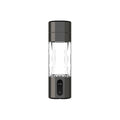
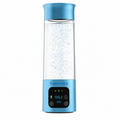
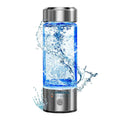
Hydration belongs in the recovery room, not as an afterthought in the kitchen. A premium water bottle or hydrogen water routine can create a simple cue before and after heat, training, or cold exposure. While no water product replaces foundational hydration, the ritual helps reinforce a more considered approach to recovery throughout the day.
Design for Maintenance, Not Just the First Week
The least glamorous part of a recovery room determines whether it remains enjoyable. Cold plunges need a water-care plan. Saunas need regular wiping, inspection, and ventilation. Red light panels need a clean, protected placement. Towels need a place to go when they are damp.
Create a simple maintenance station with the supplies your equipment requires, clean microfiber cloths, a hamper, and a dedicated place for footwear. Put recurring tasks on a calendar. Ten minutes of upkeep each week protects both the equipment and the atmosphere of the room.
This is also where buying from a company with meaningful service infrastructure matters. Long warranties, clear setup guidance, responsive support, financing options, and a home trial reduce the uncertainty around a high-consideration purchase. HALOR approaches home recovery as a system meant to fit real residential life, not as a collection of isolated products.
Establish a Routine You Can Keep
The best protocol is the one that fits your schedule without creating pressure. A practical weekday pattern might be ten minutes of red light therapy in the morning, an infrared sauna session two or three evenings a week, and cold exposure on selected mornings or recovery days. Your schedule may look entirely different, especially if you travel frequently or train in distinct blocks.
Avoid turning every session into a test of will. Recovery is not punishment, and more is not always better. Track how you feel: sleep quality, soreness, mood, energy, and whether the ritual makes your week more sustainable. Those signals are often more useful than chasing a perfect protocol.
Leave a folded towel on the bench, fill your water bottle before bed, and keep the room ready for tomorrow. When the environment asks very little of you, deliberate recovery becomes easier to choose.