
Can Cold Exposure Improve Sleep? Timing Matters
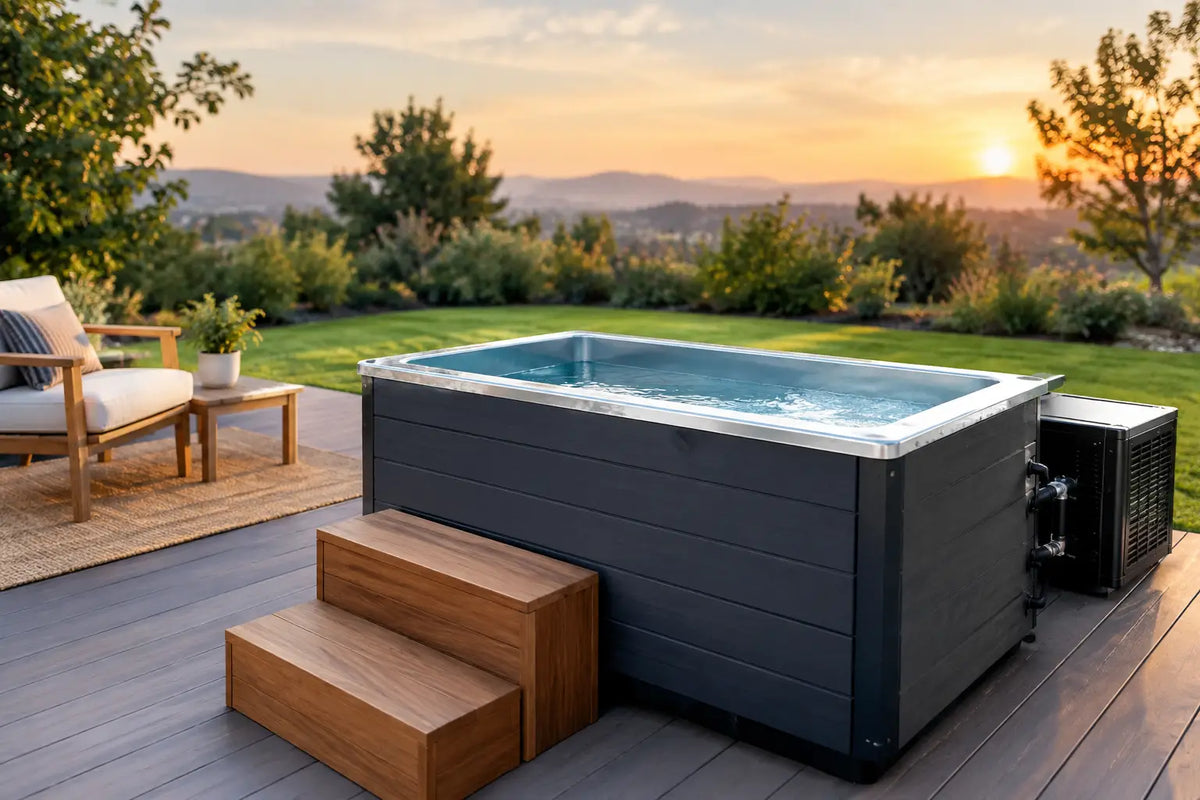
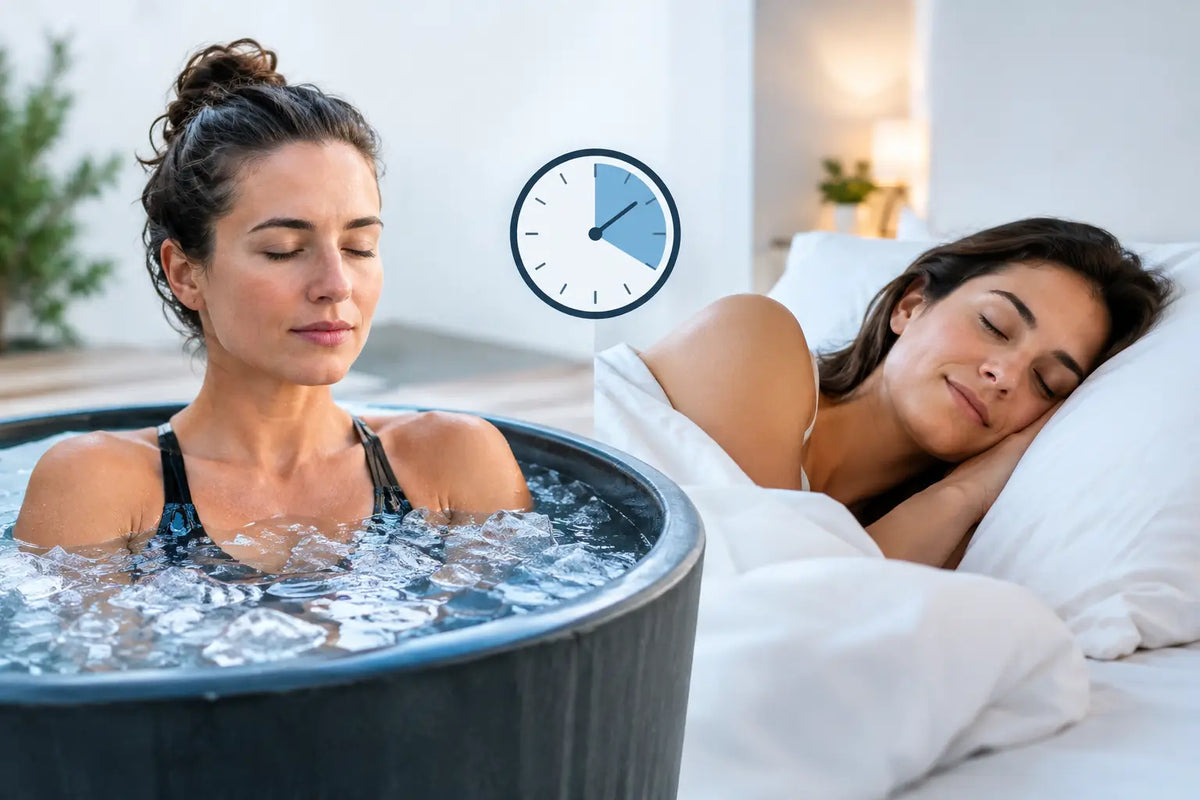
A 6:00 a.m. cold plunge can leave you clear-headed and composed for the day. The same plunge at 9:30 p.m. may leave you alert in bed, wondering why a recovery ritual is working against recovery. Can cold exposure improve sleep? It can, but the answer depends less on willpower and more on physiology, timing, dose, and the reason you are using cold in the first place.
Cold exposure is not a sedative. It is a controlled stressor. Used with precision, it may support the conditions that lead to better sleep: lower stress over time, less post-training soreness, and a more deliberate evening environment. Used too intensely or too late, it can increase arousal when your nervous system needs to downshift.
Why Temperature Matters for Sleep
Sleep is closely tied to thermoregulation. Before sleep onset, your core body temperature naturally begins to decline. Blood flow shifts toward the hands and feet, allowing heat to leave the body. This gradual cooling is one of the body’s quiet signals that it is time to rest.
That is why a cool, dark bedroom often feels easier to sleep in than a warm one. It is also why heat-based evening rituals can be helpful for some people: after leaving a warm sauna or bath, the body can release heat more efficiently, supporting that natural temperature decline.
Cold exposure works differently. A cold plunge, ice bath, or very cold shower triggers an immediate stress response. Breathing becomes sharper, blood vessels in the skin constrict, and the sympathetic nervous system becomes more active. Norepinephrine rises, which may contribute to the focused, energized feeling many people value after a plunge.
That response is not inherently bad for sleep. The question is whether you give your system enough time to return to baseline before bed.
Can Cold Exposure Improve Sleep Through Recovery?
For active people, the strongest argument for cold exposure and sleep is often indirect. A demanding training session, late-day soreness, or a sense of physical restlessness can make it harder to settle into bed. When cold exposure helps a person feel less achy and more recovered, sleep may improve as a downstream effect.
Research on cold-water immersion and sleep remains promising but mixed. Some studies in athletes and physically active adults suggest cold-water immersion can support perceived recovery and aspects of sleep quality, particularly after strenuous exercise. Other findings are less definitive, and sleep is influenced by far more than muscle soreness. Stress load, alcohol, caffeine, light exposure, travel, bedroom temperature, and training volume all matter.
The practical point is simple: cold may help sleep when it improves your recovery experience. It is less likely to help when it becomes another stimulus you force into an already overstimulated day.
The nervous system trade-off
A well-designed cold practice can build tolerance to discomfort and improve the feeling of control under stress. Over time, that may help some people regulate their response to everyday pressure. But the acute response is still activating.
If you finish a plunge feeling calm, warm, and grounded after a period of recovery, it may fit your routine. If you finish shaking, mentally charged, or eager to check messages and start working, it is not an ideal pre-sleep tool. Your individual response is more useful than any universal protocol.
The Best Time for Cold Exposure if Sleep Is the Goal
For most people, morning or early afternoon is the most reliable window. It aligns the alerting effects of cold with the part of the day when you want energy, focus, and momentum. It also leaves several hours for body temperature, breathing, and stress hormones to normalize before bedtime.
If you train in the afternoon and use cold for soreness, consider completing the session well before your intended bedtime. A buffer of at least two to four hours is a sensible place to begin. Those who are especially sensitive to stimulation may need a longer interval.
An evening cold session is not automatically a mistake. Some experienced users find that brief, moderate cold followed by complete rewarming leaves them relaxed. But this is a narrower use case, not the default recommendation. A long, punishing plunge late at night is more likely to create physiological noise than stillness.
Cold shower versus cold plunge
The method changes the dose. A 30- to 60-second cool shower is a very different stimulus from a 10-minute immersion in water below 50°F. Water removes heat from the body much faster than air, so plunges demand greater respect for duration and temperature.
For sleep-focused experimentation, begin conservatively. A cool-to-cold shower in the morning can reveal how you respond without turning the practice into an endurance test. If you use a cold plunge, choose a temperature and duration that leaves you energized but not depleted. More intensity is not necessarily more recovery.
A Sleep-Smart Cold Routine
The most effective protocol is one you can repeat without disrupting the rest of your recovery system. Start with two to four morning sessions per week. Keep early sessions brief, often one to three minutes depending on water temperature and experience level. Focus on slow, controlled breathing rather than chasing a dramatic sensation.
After the session, allow your body to rewarm naturally. Dry off, dress comfortably, and move lightly if needed. Avoid immediately layering in more stimulants, particularly if you are trying to understand how cold affects your baseline energy and sleep.
Track the signal that matters: your nights. For two weeks, note your cold exposure time, duration, perceived stress, training load, sleep onset, overnight wake-ups, and morning readiness. Wearable data can be useful, but it should not replace how restored you actually feel. If your sleep latency increases, your resting heart rate trends upward, or you feel wired at night, reduce the dose or move cold earlier.
Cold exposure works best as one deliberate part of a broader home recovery practice. Consistent wake times, morning light, a cool bedroom, strength and cardiovascular training, adequate nutrition, and an evening wind-down will usually have a larger effect on sleep than any single plunge.
When Cold Can Work Against Rest
Avoid treating cold as a nightly cure for insomnia. If you regularly struggle to fall asleep, wake gasping, snore heavily, experience restless legs, or feel unrefreshed despite enough time in bed, a clinical evaluation is more appropriate than another recovery protocol.
Cold exposure also deserves caution for people with cardiovascular disease, uncontrolled high blood pressure, Raynaud’s phenomenon, cold urticaria, certain circulation conditions, or a history of fainting. Pregnancy, medication use, and underlying health conditions can change the equation. Speak with a qualified clinician before beginning a cold routine if any of these apply.
Never plunge alone if you are new to the practice, and never use alcohol or sedatives before cold exposure. The goal is controlled adaptation, not an extreme test of tolerance.
Pair Cold With an Evening Downshift
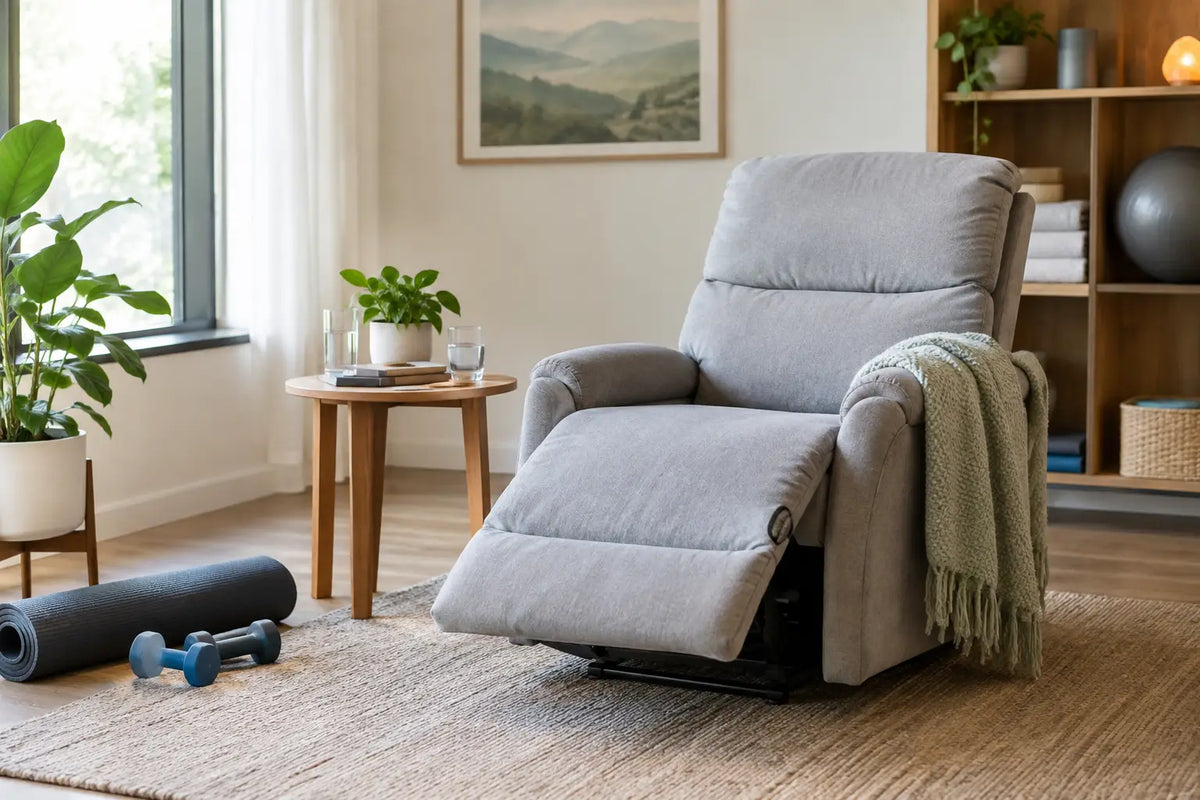
For people who enjoy cold in the morning, the evening can serve a different purpose. Rather than repeat an alerting stimulus, create a reliable descent into sleep: lower lights, reduce demanding work, keep the room cool, and use a calming routine that tells the body the day is complete.
This is where the contrast between performance and recovery becomes useful. Morning cold can create clarity and drive. Evening practices should protect calm. Both can belong in a serious longevity routine, provided they are assigned the right role.
The best protocol is not the coldest or longest one. It is the one that leaves you training well, thinking clearly, and arriving at bedtime with enough quiet in your system to sleep deeply.