
Top Home Recovery Devices for Daily Performance
Your recovery environment shapes the quality of your training, work, sleep, and attention. A well-built home setup does more than add wellness equipment to a spare room. The top home recovery devices create a repeatable ritual that makes restoration easier to practice when life is full.
For most people, the right answer is not every modality at once. It is a considered system built around the outcome that matters most right now: stronger training recovery, calmer evenings, better energy, skin support, or long-term metabolic health. Start with the device you will use consistently, then add capacity as the routine becomes part of your week.
What Makes a Home Recovery Device Worth the Space
Premium recovery equipment should earn its footprint. That means looking beyond novelty and asking whether a device fits your physiology, schedule, home, and standards for design.
First, consider frequency. A compact red light panel can support a near-daily practice in minutes. A cold plunge may be used several times a week. An infrared sauna requires more time but can become an anchor for an evening wind-down. The most effective investment is often the one that lowers friction enough to make disciplined use realistic.
Second, assess ownership, not just purchase price. Water care, electrical requirements, heat-up time, maintenance access, warranty coverage, delivery, and installation all affect the experience after the first week. High-ticket wellness hardware should feel calm and dependable in the home, not like another project waiting for attention.
Finally, match the modality to the goal. Recovery is not a single biological switch. Cold, heat, photobiomodulation, and hydration serve different roles. Their value compounds when used with appropriate expectations, sound training, nutrition, sleep, and medical guidance when needed.
Top Home Recovery Devices for a Complete Routine
Cold plunges for resilience and post-training reset
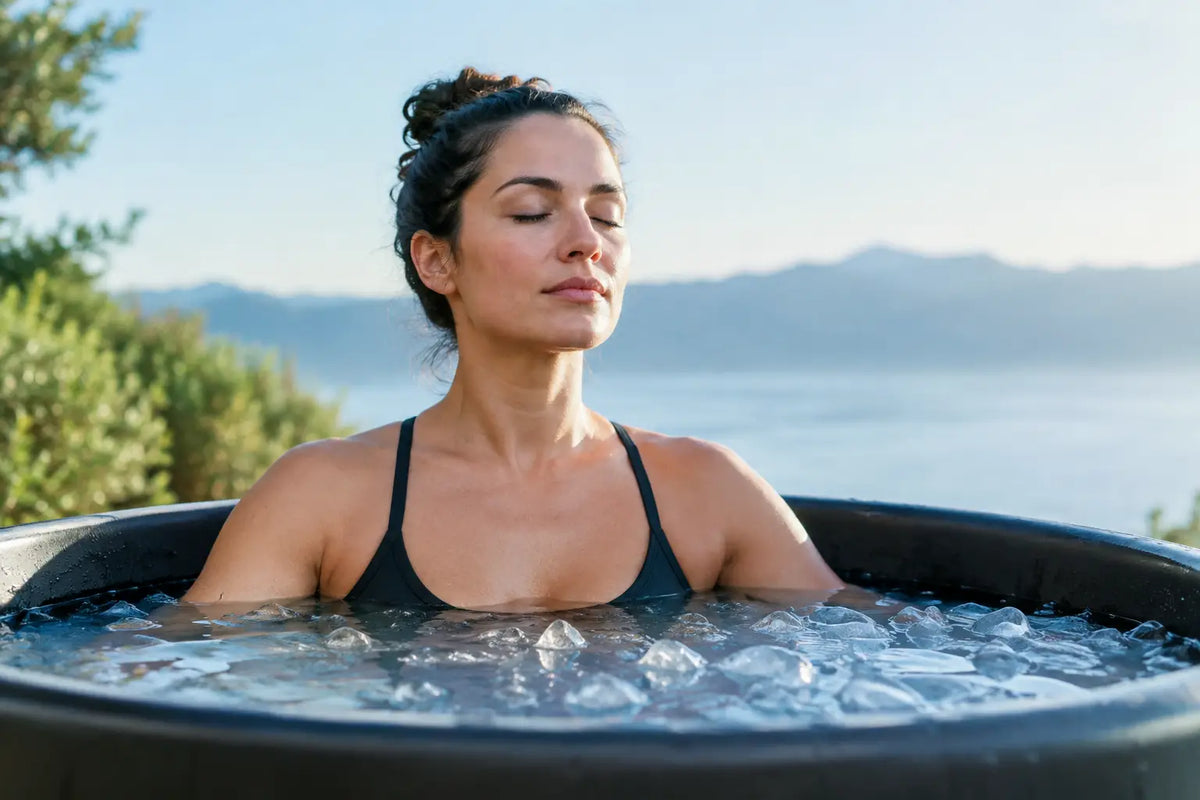
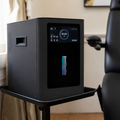
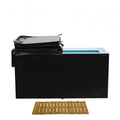
A cold plunge is one of the clearest ways to bring deliberate stress exposure into the home. Brief cold-water immersion can produce an immediate sensory reset, and many users value it for alertness, perceived recovery, and the practiced ability to stay composed under discomfort.
For athletes, timing matters. Cold exposure may be useful after demanding endurance sessions, competition, or periods of heavy soreness. However, using it immediately after every strength workout may not suit someone whose primary goal is maximizing muscle adaptation. Cold is a tool, not a punishment or a requirement.
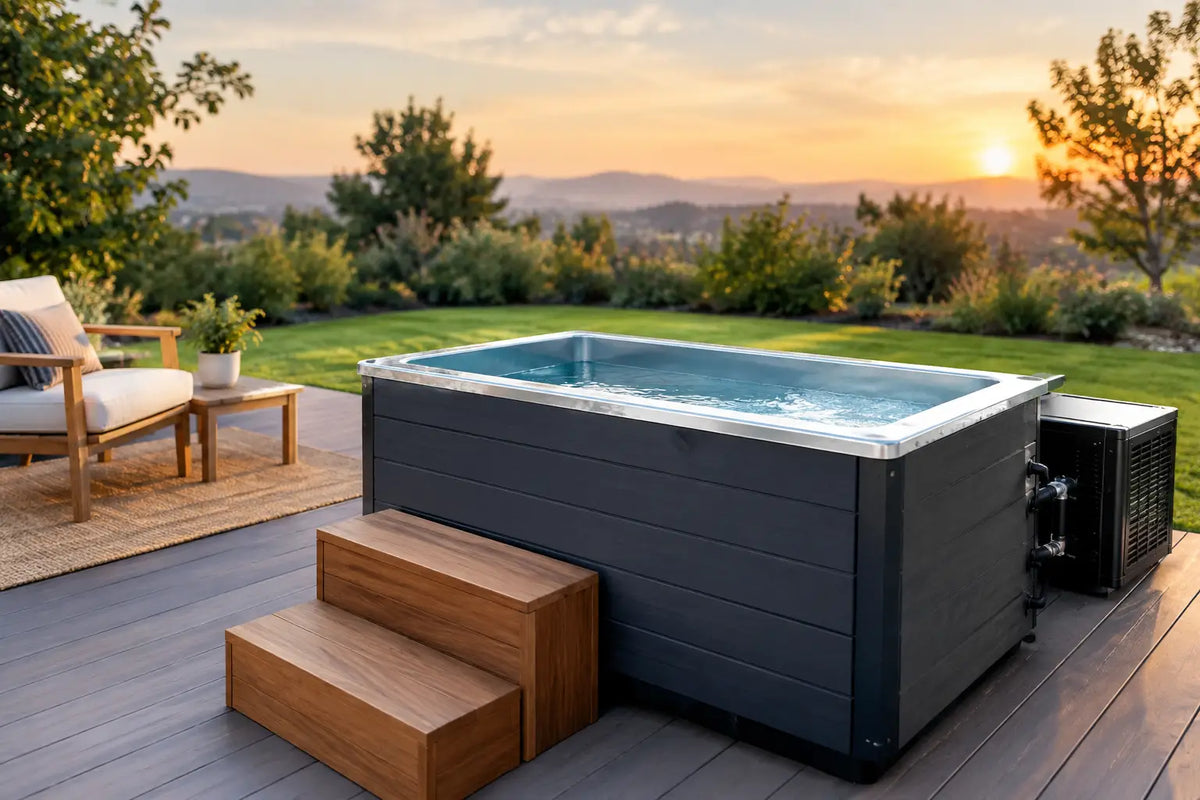
When comparing plunge systems, prioritize stable temperature control, filtration or sanitation support, insulation, drainage, and a form factor that suits the room or outdoor area. A serious unit should make regular use simple. If it is difficult to fill, clean, cover, or maintain, the ritual will become less consistent.
Start conservatively. Water that feels challenging but manageable is more useful than chasing extreme temperatures. Individuals with cardiovascular conditions, circulation concerns, pregnancy, or other medical considerations should speak with a qualified clinician before beginning cold immersion.
Infrared saunas for heat, stillness, and recovery
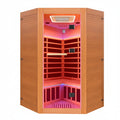
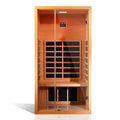
Infrared sauna sessions offer a different kind of recovery signal: warmth, stillness, and time away from constant input. Many people use sauna sessions to support relaxation, sleep routines, circulation, and a decompressed feeling after training or long workdays.
Infrared systems heat the body more directly than a conventional sauna, often at lower ambient air temperatures. That can make the experience more accessible for those who prefer a gentler heat environment, although preference varies. The practical advantage at home is consistency. A session becomes possible without travel, booking, or sharing a facility.
Look closely at cabin dimensions, wood quality, heater configuration, electrical needs, ventilation, and low-emission material standards. An infrared sauna is furniture as much as it is equipment. It should feel considered in the space where you will spend quiet, unhurried time.
Hydration matters before and after heat exposure. Keep sessions appropriately paced, leave if you feel unwell, and avoid treating sweat as a measure of detoxification. The real benefit is the routine: a protected window for downshifting, breathing, and recovery.
Red light therapy panels for daily cellular support
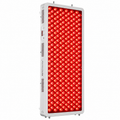
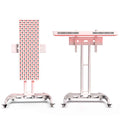
Red light therapy, also called photobiomodulation, uses specific wavelengths of red and near-infrared light. Research continues to examine its potential role in skin appearance, temporary muscle soreness, joint comfort, and cellular energy processes. For a home routine, its strongest advantage is efficiency. A targeted session can fit before training, after a shower, or during a morning reset.
Not all panels are interchangeable. Review wavelength ranges, irradiance at a stated distance, treatment area, timer controls, cooling, mounting options, and eye-protection guidance. A larger panel may provide more coverage, while a smaller device can be the better choice for focused treatment and limited space.
Consistency matters more than marathon sessions. Follow the manufacturer’s recommended distance and timing, and give the routine time. Results in areas such as skin quality or perceived recovery are rarely a one-session event. They emerge through measured, repeatable exposure.
If you have a photosensitivity condition, take photosensitizing medications, or are managing an active medical concern, seek clinical advice before use. Precision is part of responsible wellness.
Hydrogen water bottles for an easier hydration ritual
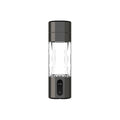
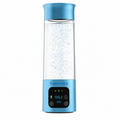
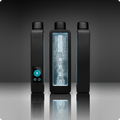
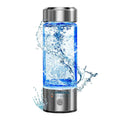
Hydration is foundational, but it is often the least structured element of a recovery plan. A hydrogen water bottle creates a simple cue: prepare water, drink it fresh, and make hydration more intentional across travel, work, and training days.
Molecular hydrogen is being studied for its potential antioxidant and inflammation-related effects, though research is still developing and outcomes can vary. It should not be positioned as a replacement for adequate fluids, balanced nutrition, or medical treatment. Its place in a longevity stack is complementary, not central.
Choose a bottle with clear operating instructions, dependable materials, a practical cleaning process, and a design you will actually carry. The best hydration device is the one that remains in rotation, not the one stored in a cabinet after a week.
How to Build a Recovery Stack Without Overbuying
Begin with the bottleneck. If late-night stress is compromising sleep, heat may be the most valuable first purchase. If soreness, schedule, and motivation make post-training recovery inconsistent, a cold plunge may create the structure you need. If you want a low-friction modality for skin and daily tissue support, red light therapy may offer the strongest frequency-to-effort ratio.
A balanced progression often looks like this: establish one anchor modality for 30 days, learn how it affects energy and sleep, then add a complementary device only if it fills a clear gap. Cold and sauna can create a compelling contrast routine, but they do not need to be paired in every session. Red light can sit alongside either because it requires little recovery time of its own. Hydrogen water can support the daily rhythm around all of them.
Avoid turning recovery into another performance burden. Track a few useful signals instead: training readiness, sleep quality, soreness, mood, and whether you are actually following the practice. If a device improves your schedule and makes you feel more capable, it is doing meaningful work.
The Home Setup Matters as Much as the Modality
Before purchasing, measure the installation path, not just the final location. Check doorways, stairs, flooring capacity, nearby outlets, ventilation, water access, and drainage requirements. Outdoor equipment needs weather protection and a plan for year-round maintenance. Indoor heat equipment needs proper clearance and electrical planning.
This is where premium service changes the ownership experience. White-glove delivery, in-home installation options, responsive support, clear warranty terms, and a realistic home trial reduce uncertainty around a major purchase. HALOR approaches home recovery as an integrated environment, not a collection of isolated products.
The visual standard matters, too. A recovery space that feels clean, quiet, and intentional invites use. Keep towels, water, lighting, and storage within reach. Remove the small obstacles that make a session feel inconvenient. Your environment should reinforce the practice before motivation has to.
Make Recovery a Deliberate Practice
The best device is not necessarily the most advanced one. It is the one that gives your body and mind a reliable place to reset, then fits naturally into the life you want to sustain.
Choose one modality that meets a real need. Give it a defined place in the week. Let the ritual become familiar enough that it feels less like optimization and more like a standard you keep for yourself.