
What Cold Plunge Cortisol Really Means for You
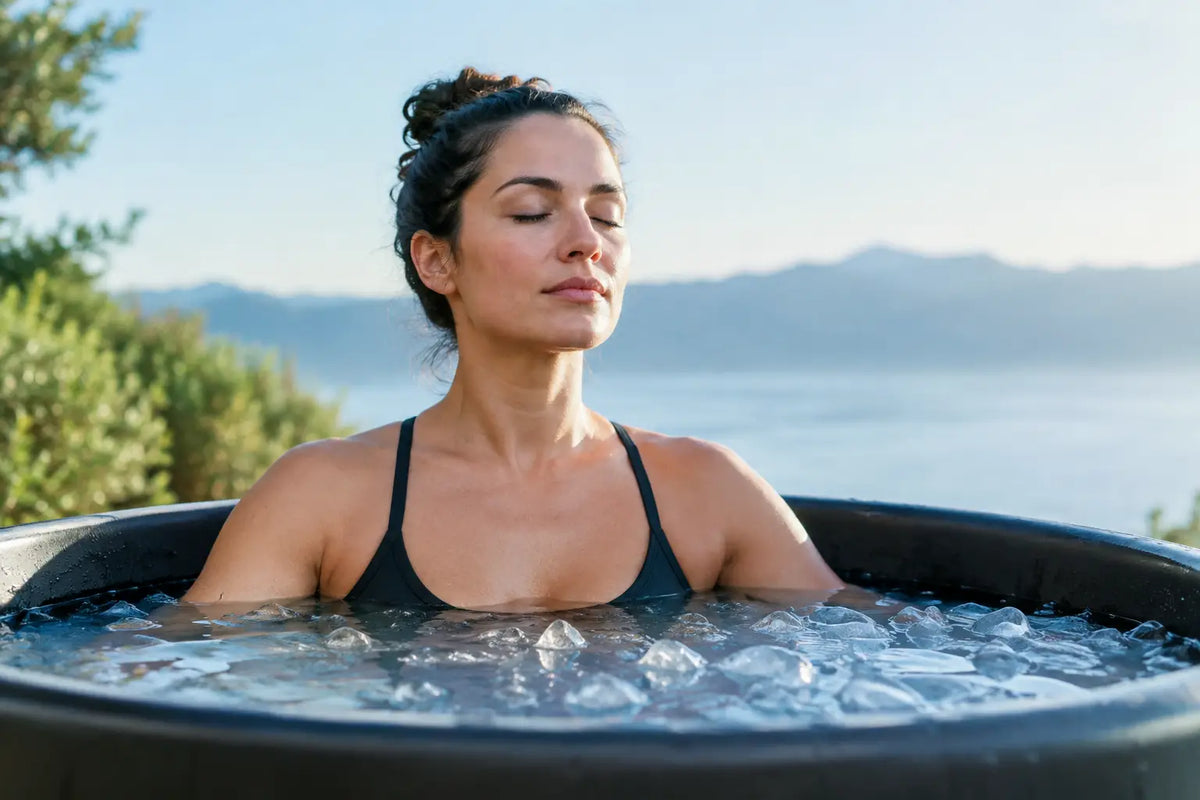
The first minute of cold water is not relaxing. Your breath catches, your heart rate rises, and your nervous system receives a clear signal: adapt. That is why cold plunge cortisol is often misunderstood. A plunge is an acute stressor, not an instant sedative. Used with intention, however, cold exposure may help build a more capable response to stress over time.
For performance-minded people, that distinction matters. The goal is not to eliminate every stress signal. Cortisol is essential for waking, mobilizing energy, regulating blood pressure, and responding to physical demand. The better objective is to use controlled stress in a way that supports recovery, resilience, and a calmer baseline outside the water.
Cold Plunge Cortisol: The Acute Response
Cortisol is a hormone released through the hypothalamic-pituitary-adrenal, or HPA, axis. It follows a daily rhythm, typically rising sharply after waking and declining toward bedtime. It also responds to immediate challenges, including hard training, inadequate sleep, illness, psychological pressure, and cold exposure.
Entering cold water can activate the sympathetic nervous system. Blood vessels constrict, breathing becomes more urgent, and the body works to preserve core temperature. Catecholamines such as norepinephrine rise as part of that response. Cortisol may rise as well, particularly when the exposure is intense, unfamiliar, prolonged, or perceived as threatening.
That immediate increase is not evidence that cold plunging is harmful. It is evidence that the body is doing its job. Exercise can elevate cortisol, too, yet a well-designed training program can improve long-term fitness and stress tolerance. The same principle applies here: the dose, timing, recovery capacity, and individual response determine whether a practice feels constructive or depleting.
Research on cold exposure and cortisol is not perfectly uniform. Studies use different water temperatures, exposure lengths, participant populations, and measurement windows. Some show a meaningful acute hormonal response; others find smaller or inconsistent changes. What is clear is that a cold plunge should not be marketed as a simple cortisol-lowering switch. It is a deliberate challenge that may contribute to adaptation when it fits the person and the routine.
The Adaptation Matters More Than the Spike
A consistent cold practice may change how you experience stress, even if each session remains briefly demanding. The skill begins with the breath. Instead of reacting to the first shock with panic, you slow the exhale, release unnecessary tension, and remain present while the body adjusts.
That is a practical form of autonomic training. Over time, many people report that the initial shock feels more manageable and that they regain steady breathing more quickly. The most useful outcome is not proving toughness in the water. It is carrying that composure into a difficult meeting, a demanding workout, or the final hour of a long day.
Still, adaptation is not guaranteed by discomfort alone. More exposure is not automatically better. A plunge that leaves you energized, clear, and able to sleep well may be an appropriate dose. One that produces lingering agitation, fatigue, poor sleep, or dread is asking too much of your current recovery capacity.
Timing Changes the Experience
Because cortisol naturally peaks in the morning, a cold plunge early in the day can feel especially activating. For many people, that is precisely the appeal. The practice can create alertness and a distinct transition into focused work, training, or a demanding schedule.
Morning is not universally superior, though. If you wake already wired, sleep-deprived, or anxious, an aggressive plunge may amplify rather than settle that state. In that case, begin with less intensity, use a brief cool shower, or move the session to a time when you have more capacity to recover.
Late-day cold exposure is equally individual. Some people feel calm after the initial stress response and sleep without issue. Others remain stimulated for hours. Your sleep data and subjective experience should guide the decision. If a late plunge disrupts sleep onset or reduces sleep quality, finish it earlier or reserve it for daytime.
Training timing deserves similar care. Cold water immersion can feel excellent after a hard endurance effort, especially when soreness, heat, and perceived fatigue are high. But frequent immediate cold exposure after resistance training may not align with a primary goal of maximizing muscle growth or strength adaptation. Inflammation is not always the enemy. It is also part of the signaling process that follows training.
If hypertrophy is your focus, consider separating cold exposure from lifting by several hours or using it on non-lifting days. If you are in a competition block, managing soreness, or prioritizing readiness for another session, the recovery benefit may carry more weight. This is not a contradiction. It is intelligent periodization.
A More Sustainable Cold Plunge Protocol
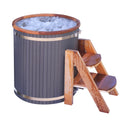
The most refined protocol is usually more modest than the one performed for social media. Start with water cold enough to create a clear sensation of challenge, but not so extreme that you lose control of breathing or feel compelled to prove something. For many beginners, 50 to 59 degrees Fahrenheit is a sensible range. More experienced users may prefer colder water, but colder is not inherently more effective.
Begin with one to three minutes, two or three times weekly. Let the first 20 to 30 seconds be about breath control, not bravado. Inhale steadily, then extend the exhale. Keep your shoulders relaxed and your attention quiet. As tolerance develops, build gradually toward a routine that is repeatable rather than punishing.
A useful self-check includes four signals: your sleep that night, your energy the following day, your mood after the initial activation fades, and your willingness to return to the practice. If all four remain steady, your protocol is likely within a productive range. If they decline, reduce duration, raise the water temperature, or take several days away from cold exposure.
At-home access changes the quality of the habit. When the equipment is reliable, temperature-controlled, and designed to fit the rhythm of a real home, cold exposure becomes a brief recovery ritual instead of a logistical event. HALOR approaches the modality this way: as a considered part of a broader longevity environment, alongside training, restorative sleep, hydration, heat, and deliberate recovery.
When a Cold Plunge May Add Too Much Stress
Cold exposure is not a universal prescription. Avoid beginning a cold plunge routine while you are acutely ill, severely sleep-deprived, or in the middle of an unusually demanding training and travel period. The body does not need another challenge when it is already struggling to meet basic recovery demands.
People with cardiovascular disease, uncontrolled high blood pressure, arrhythmias, Raynaud's phenomenon, significant circulation concerns, or a history of fainting should speak with a qualified clinician before using cold immersion. The sudden cardiovascular response can be significant. Pregnancy, certain medications, and other medical conditions also warrant individualized guidance.
Never plunge alone if you are inexperienced or have a relevant health concern, and never use alcohol or sedatives before entering cold water. Exit immediately if you experience chest pain, dizziness, confusion, numbness that feels concerning, or uncontrollable shivering. Calm, controlled exposure is the standard. White-knuckling is not.
Let the Practice Serve the Rest of Your Life
The best cold routine is not measured by how long you can tolerate discomfort. It is measured by whether it supports the life you are building around it. A two-minute session that sharpens your focus and leaves room for excellent sleep is more valuable than an extreme protocol that compromises recovery.
Treat cold water as a place to practice composure. Enter with a clear dose, control the breath, pay attention to the response, and leave before the ritual becomes a test of identity. That is where cold exposure becomes less about chasing a cortisol result and more about building durable capacity for the demands that matter.