

Home Wellness for Better Recovery at Home
The most effective wellness routine is not the one you reserve for a resort, a clinic, or a rare free afternoon. It is the one that fits naturally between a demanding workday and dinner, after a hard training session, or before the rest of the house wakes up. Home wellness turns recovery from an occasional event into a deliberate practice - one supported by your environment, your schedule, and the tools you can use consistently.
For performance-minded households, this is not about filling a room with gadgets. It is about creating a personal recovery system that reduces friction and gives your body clear, repeatable signals: work, recover, sleep, and begin again.
What Home Wellness Should Actually Do
A well-designed home wellness space should make healthy choices easier when motivation is low and time is limited. Its value is not in novelty. Its value is in frequency.
The right setup can support several outcomes at once: a more reliable wind-down routine, better post-training recovery, moments of mental stillness, and a tangible boundary between the pace of the day and the recovery that follows. The exact benefit depends on the modality, your health status, and how consistently you use it. There is no single device that replaces sleep, movement, nutrition, or medical care. But a purposeful environment can make those foundations easier to protect.
This distinction matters. A premium sauna or cold plunge is a significant purchase, but it should be evaluated as part of a long-term rhythm, not as a shortcut. Ask a practical question first: will this give me a ritual I can realistically repeat three or four times a week?
If the answer is yes, home-based recovery often has a meaningful advantage over membership-based wellness. There is no commute, no booking window, and no decision fatigue. The equipment is ready when your body and schedule are ready.
Start With the Moment You Want to Improve
The strongest home wellness plan begins with a specific friction point. Not a broad ambition to be healthier, but the point in the day where your current routine breaks down.
For some people, it is the transition from a high-pressure workday to family time. Heat therapy may offer a quiet, screen-free period that helps create separation. For others, the challenge is post-training soreness and the tendency to skip recovery because the gym is already behind them. A cold plunge placed near the training area can make a brief recovery session far more likely. If morning energy and focus are the priority, red light therapy may fit beside a daily mobility or hydration ritual.
Choose the moment before choosing the product. This keeps the space functional rather than performative.
Build Around One Primary Modality
A single, well-used modality is more valuable than an ambitious collection that creates clutter and indecision. Begin with the experience that best fits your goal, available space, and tolerance for maintenance.
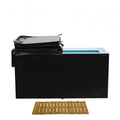
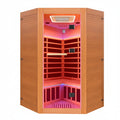
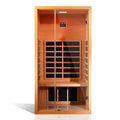
Infrared sauna sessions are often a natural fit for people who value warmth, calm, and an intentional end to the day. The lower ambient temperatures of infrared systems can feel more approachable than traditional high-heat sauna environments, though individual preferences vary. The ritual works especially well when it is protected from distractions: dim lighting, water nearby, a clean towel, and no expectation to answer messages.
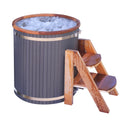
Cold exposure offers a different experience. A cold plunge can be energizing, challenging, and deeply clarifying, which is precisely why it appeals to disciplined athletes and high-output professionals. It also requires a thoughtful approach. Water temperature, immersion duration, sanitation, and personal health considerations all matter. For some people, a brief, consistent protocol is more appropriate than an extreme one. Those with cardiovascular concerns, pregnancy, or certain medical conditions should speak with a qualified clinician before beginning cold exposure.
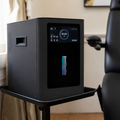
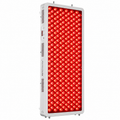
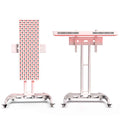
Red light therapy is generally easier to integrate into a compact daily routine. A panel can be placed in a bedroom, dressing area, or dedicated training space, where it becomes part of a regular morning or evening cadence. The experience is quiet and low-disruption, but placement, session timing, and eye-safety guidance should be followed carefully according to the equipment instructions.
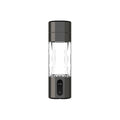
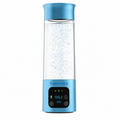
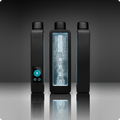
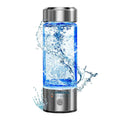
Hydrogen water may complement these larger rituals by making hydration more intentional. It is not a substitute for a balanced diet or adequate fluid intake, but it can be a simple cue to pause, rehydrate, and reset during the day.
Design the Space for Repeat Use
A recovery area should feel composed, not clinical in the cold sense of the word. The goal is clarity: a place with a purpose that feels easy to enter and easy to maintain.
Location comes first. A sauna needs sufficient clearance, appropriate electrical planning, and ventilation considerations. A cold plunge requires a stable, water-safe surface, nearby access for filling and draining, and enough room for regular service. Red light panels need a dedicated wall or stand location where use does not interrupt the rest of the home. These details are not secondary. They determine whether a modality becomes a permanent part of the house or an inconvenient object you work around.
Material choices shape behavior, too. Durable flooring, soft lighting, a towel hook within reach, and a small bench for water or a book can turn a spare corner into a recovery zone. Keep the visual field calm. In a space built for regulation, excess storage, laundry piles, and charging cables create the wrong signal.
For high-ticket wellness equipment, installation support deserves real weight in the decision. Delivery logistics, electrical requirements, water management, warranty terms, and ongoing customer service should be clear before purchase. Premium equipment should arrive with a path to adoption, not a project list that delays its use. HALOR approaches this with white-glove delivery and in-home installation options designed to make advanced recovery equipment feel at home from day one.
Make the Routine Specific Enough to Keep
Consistency improves when the decision is already made. Instead of telling yourself to use the sauna more, attach it to an existing behavior: sauna after strength training on Tuesday and Thursday, or a 20-minute heat session after the final work call. Instead of using the cold plunge whenever you feel like it, set a simple morning or post-workout protocol that respects your capacity and schedule.
The best routines are not always the longest. A 10-minute practice performed consistently can be more useful than an elaborate 90-minute ritual that happens once a month. Leave room for adjustment. Training volume, travel, sleep quality, and stress all affect what recovery should look like that day.
This is where tracking can be helpful, provided it does not become another source of pressure. Notice the basics: how often you use the space, whether it changes your ability to unwind, and how you feel the following morning. Athletes may also observe perceived soreness, training readiness, and sleep consistency. Look for patterns over weeks, not dramatic conclusions from one session.
The Trade-Offs Worth Considering
Home recovery equipment offers convenience, privacy, and control, but those benefits come with responsibility. A cold plunge requires water care. A sauna requires space, electricity, and regular cleaning. Red light therapy requires a dedicated place in the routine to justify its footprint. The best option is rarely the modality with the most aggressive promise. It is the one you can operate safely, maintain properly, and use without disrupting the rest of your household.
There is also a financial question. Premium equipment can be a considered investment, especially when design, build quality, delivery, warranties, and service are part of the package. Financing and a home trial can reduce purchase risk, but they should not replace a realistic assessment of fit. Measure the room. Understand the installation needs. Consider who else will use the equipment and how often.
A deliberate recovery space is a quiet form of self-respect. It gives your future health a place on the calendar before the day begins asking for everything else.