

Does Sauna Help Muscle Soreness? What to Know
The day after a demanding lift, long run, or hard interval session, stiffness can make even a flight of stairs feel deliberate. So, does sauna help muscle soreness? For many people, yes: heat can reduce the feeling of tightness, ease discomfort, and create a calmer transition from training back to daily life. It is not a shortcut around recovery biology, but it can be a valuable part of a disciplined recovery practice.
The distinction matters. A sauna will not erase delayed-onset muscle soreness, rebuild damaged muscle fibers overnight, or replace sleep, protein, hydration, and intelligent programming. What it can do is help your body feel more mobile and settled while those processes do their work.
Does sauna help muscle soreness after a workout?
Muscle soreness after training is often delayed-onset muscle soreness, commonly called DOMS. It tends to emerge 12 to 24 hours after unfamiliar or high-volume exercise, especially work with a strong eccentric component such as downhill running, slow lowering phases, and heavy strength training. The soreness reflects a complex response involving microscopic muscle damage, inflammation, fluid shifts, and sensitized pain pathways.
Sauna heat does not directly repair this process. But it can improve subjective recovery: how stiff, achy, and ready to move you feel. That has real value. When your body feels less guarded, it may be easier to take a walk, complete mobility work, or return to a lower-intensity training session without carrying unnecessary tension.
Heat exposure increases skin temperature and blood flow near the surface of the body. It also promotes relaxation and can shift the nervous system toward a calmer state after the heightened output of training. For someone whose soreness is paired with general fatigue, a well-timed sauna session may feel less like another wellness task and more like a reset.
Research on passive heat after exercise is still developing, and results vary by protocol, training status, and the outcome measured. The strongest claim is not that sauna eliminates soreness. It is that sauna can be a useful tool for perceived muscle comfort, relaxation, and recovery adherence when used intelligently.
Why heat can make sore muscles feel better
The immediate benefit is often simple: warm tissue moves more comfortably. Heat can reduce the sensation of stiffness in muscles and surrounding connective tissue, particularly after sitting at a desk, traveling, or waking up tight following a hard session.
There is also a nervous-system component. Intense training is a controlled stressor. A sauna session, when dosed appropriately, is another stressor, but one that many people experience as deeply calming. The quiet, enclosed warmth encourages slower breathing and stillness. For high-performing people accustomed to moving from workout to work to family obligations, that pause can be as useful as the heat itself.
Over time, regular sauna use may also support adaptations related to heat tolerance and cardiovascular function. Those potential long-term benefits are separate from acute soreness relief, but they make sauna a compelling addition to a broader home recovery system.
The important trade-off: comfort is not always readiness
Feeling better does not automatically mean fully recovered. Sauna may make tight muscles feel looser, but it should not convince you to push through sharp pain, swelling, weakness, loss of range of motion, or a suspected injury. Those symptoms call for a different decision than ordinary post-training soreness.
Use the sauna to support recovery, not to override feedback from your body. The most durable training plans leave room for both effort and restraint.
The best time to sauna for muscle soreness
There is no single perfect window. The right timing depends on your training goal, hydration status, and how you respond to heat.
For general comfort after a workout, a short sauna session later in the day can work well. Give yourself enough time to cool down, drink fluids, and bring your heart rate closer to baseline first. Entering a hot environment immediately after a maximal session, especially when dehydrated, can turn a recovery ritual into unnecessary strain.
For next-day soreness, morning or early evening heat can help you feel more mobile before walking, mobility work, or a low-intensity session. Many people find that 15 to 25 minutes of gentle heat makes the body feel more available without the stimulation of another workout.
If muscle growth is a primary goal, there is no need to treat sauna as an enemy of adaptation. The more relevant consideration is your total stress load. A demanding training block, poor sleep, aggressive calorie restriction, alcohol, and long sauna sessions can compound fatigue. In that setting, shorten the exposure or save it for a rest day.
A practical sauna protocol for recovery
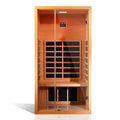
For most healthy adults, consistency beats extremes. Start with 10 to 15 minutes at a comfortable temperature, then build toward 15 to 25 minutes as your tolerance develops. Infrared saunas generally operate at lower ambient temperatures than traditional saunas, which can make longer, more comfortable sessions practical for some users.
A simple recovery session might include a few minutes of calm breathing, 15 to 20 minutes of heat, a gradual cool-down, and water with electrolytes if your training session involved substantial sweat loss. Keep the goal clear: leave feeling composed, not depleted.
Use these guardrails to keep the practice productive:
- Hydrate before and after, particularly after endurance training or training in hot conditions.
- Avoid alcohol before sauna use and avoid entering when you are ill, feverish, dizzy, or severely fatigued.
- Exit immediately if you feel lightheaded, nauseated, weak, or unusually uncomfortable.
- Begin conservatively if you are new to heat exposure, take medications that affect blood pressure or sweating, or have cardiovascular concerns. Consult a qualified clinician when appropriate.
Sauna versus cold for sore muscles
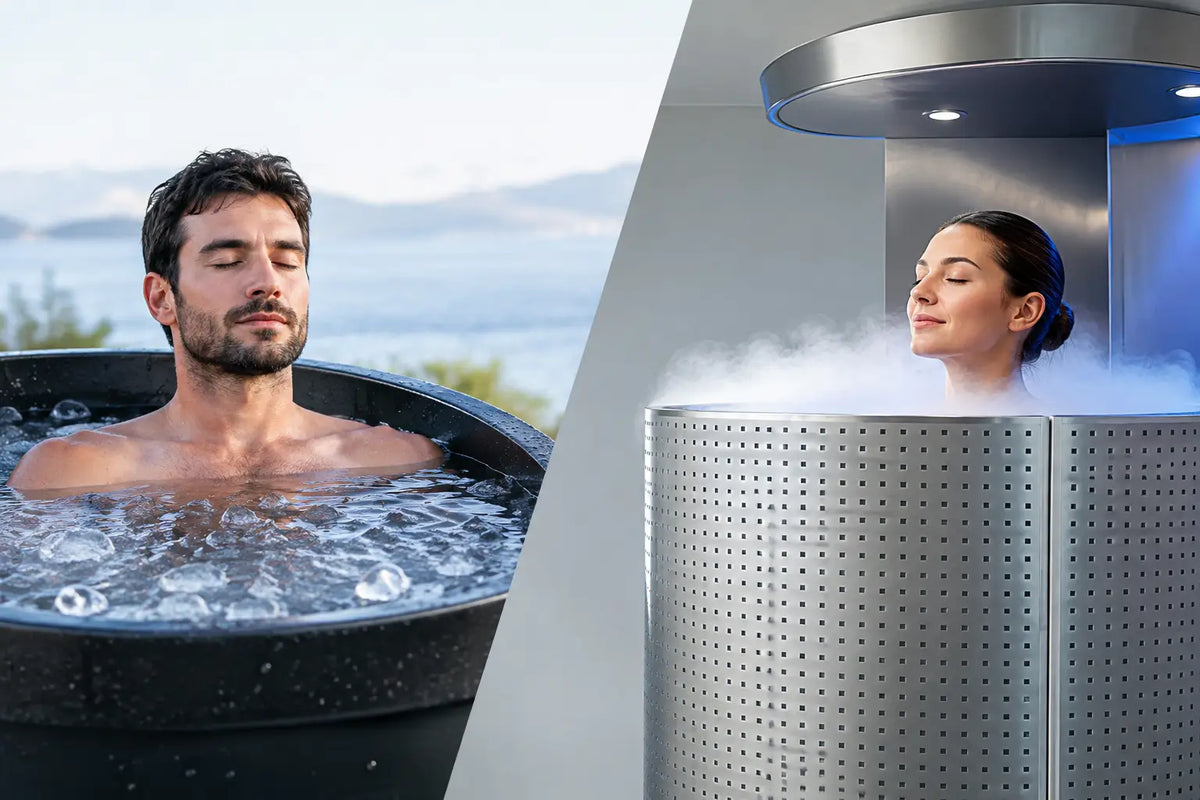
Heat and cold are often framed as opposites, but they serve different moments. Cold exposure can feel invigorating and may be useful when you want to reduce the perception of pain after strenuous effort. Heat is usually the better fit when the dominant sensation is stiffness, tension, or a need to downshift.
The timing and objective matter. If you are trying to preserve performance during a tournament, multi-day event, or unusually dense training schedule, cold may have a place. If you are settling into an evening routine, addressing next-day tightness, or prioritizing relaxation, sauna is often more intuitive.
For strength athletes focused on long-term hypertrophy, avoid reflexively using intense cold immediately after every resistance workout. Some evidence suggests frequent immediate cold immersion may blunt aspects of training adaptation. Sauna does not carry the same concern, though it should still be matched to your recovery capacity.
A contrast routine can be enjoyable, but it is not mandatory. More modalities do not automatically create better recovery. Choose the intervention that fits the moment, then protect the foundations: sleep, nutrition, hydration, and sensible training volume.
Make sauna one part of your recovery architecture
The most useful recovery routines are not dramatic. They are repeatable. A strong session might look like a protein-rich meal after training, adequate fluids, an evening walk, a measured sauna session, and a consistent sleep schedule. Each element is modest on its own. Together, they create the conditions for better training quality over weeks and months.
At HALOR, we view home recovery tools as infrastructure for that kind of consistency. The goal is not to chase discomfort or stack endless interventions. It is to create a space where calm, clarity, and physical readiness become easier to practice.
If your muscles are sore, let the sauna be a quiet signal to slow down long enough to recover well. Heat can help you feel better in the short term. The real advantage is building a ritual that helps you show up ready for the next session.