
Does Red Light for Muscle Soreness Help?
That heavy, tender feeling 24 to 48 hours after a demanding session is familiar to anyone who trains with intent. Red light for muscle soreness is increasingly used as a quiet, at-home recovery ritual: a measured dose of light applied where the work happened, without adding more strain to an already taxed system.
It is not a substitute for sleep, adequate protein, intelligent programming, or medical care when pain is sharp, severe, or persistent. Used well, however, red light therapy can be a practical complement to the fundamentals - especially for people who value consistent training and want recovery to feel as deliberate as the workout itself.
Why muscles feel sore after training
Delayed-onset muscle soreness, commonly called DOMS, tends to appear after unfamiliar training, a jump in volume, or exercises with a strong eccentric component, such as lowering into a squat or controlling a downhill run. The sensation is connected to microscopic disruption in muscle tissue and the inflammatory signaling that follows. It is part of adaptation, but it can also make stairs, meetings, and the next training session feel less appealing.
Soreness is not a precise measure of workout quality. A productive program should not require you to feel wrecked after every session. The goal of recovery is not to erase every signal from the body. It is to support the conditions that let you restore function, maintain range of motion, and return to training with greater readiness.
How red light therapy may support recovery
Red light therapy, often discussed under the term photobiomodulation, uses specific wavelengths of red and near-infrared light. Red wavelengths generally interact closer to the skin's surface, while near-infrared wavelengths can reach deeper tissue. Both are commonly included in full-body panels designed for performance and recovery routines.
At a cellular level, these wavelengths are studied for their interaction with mitochondria, the structures responsible for producing cellular energy. The proposed effect is not that light simply “heats” a sore muscle. Quality red light devices produce little meaningful thermal load compared with an infrared sauna. Instead, the aim is a biological signal that may support cellular energy production, circulation, and the body's normal repair response.
Research on photobiomodulation and exercise recovery is promising but not uniform. Studies vary by wavelength, power output, treatment time, training type, and whether light is used before or after exercise. Some research suggests benefits for perceived soreness, muscle performance, fatigue, and markers associated with exercise-induced damage. Other studies show smaller or less consistent effects.
That variation matters. Red light therapy is best viewed as a recovery tool with potential upside, not a guarantee that eliminates soreness on command. Its value often comes from regular use within a broader system rather than one emergency session after an extreme workout.
Red light for muscle soreness: timing and use
For most people, the simplest approach is to use red light therapy after training or as part of a dedicated evening recovery window. Post-workout use fits naturally after a shower, before mobility work, or while winding down for sleep. If a muscle group is notably sore the following day, another session can be reasonable within the device's recommended protocol.
Some athletes also use light before training. The theory is that pre-exercise photobiomodulation may support warm-up, muscular readiness, and performance. Whether that is worthwhile depends on your goals and schedule. If your immediate priority is managing soreness and building a sustainable routine, post-training use is the more intuitive place to start.
Consistency is more useful than chasing excessive exposure. More time is not automatically better. Light therapy follows a dose-response relationship: too little may be ineffective, while unnecessarily long sessions may not add benefit. Follow the treatment guidance provided for your specific panel, including recommended distance and session duration.
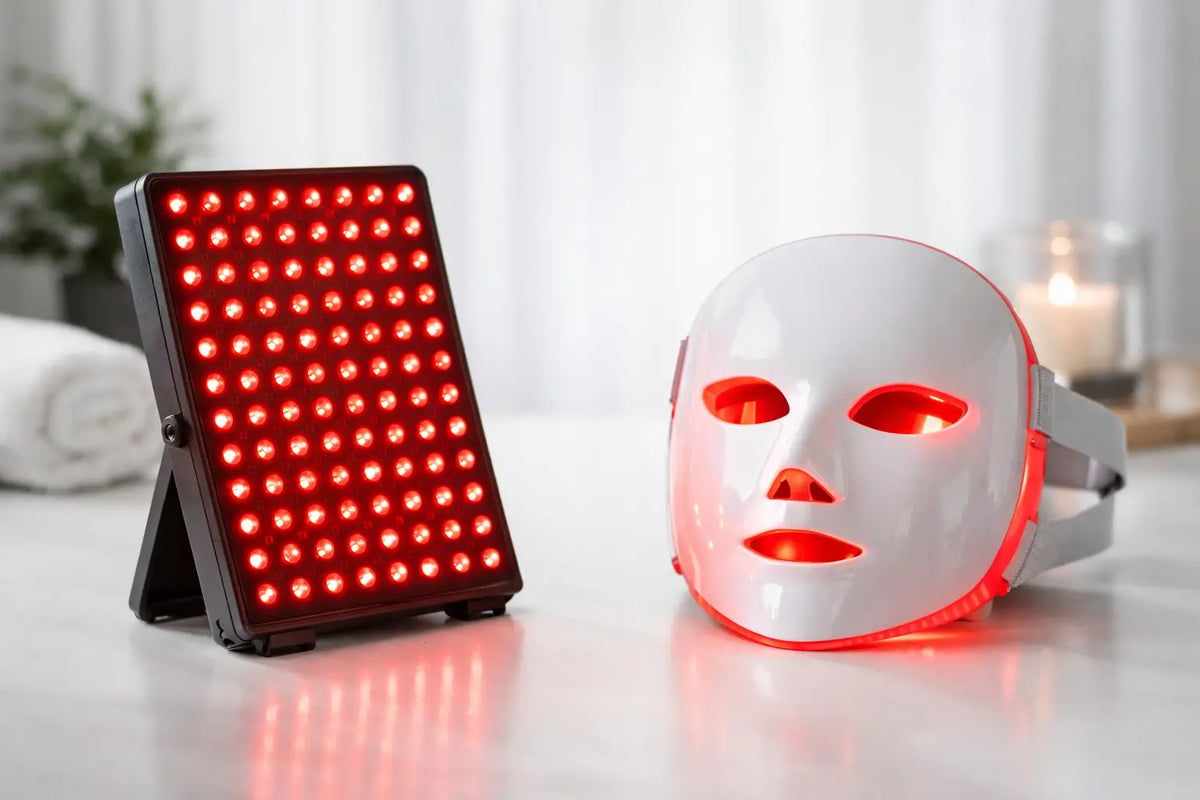
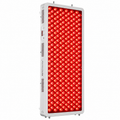
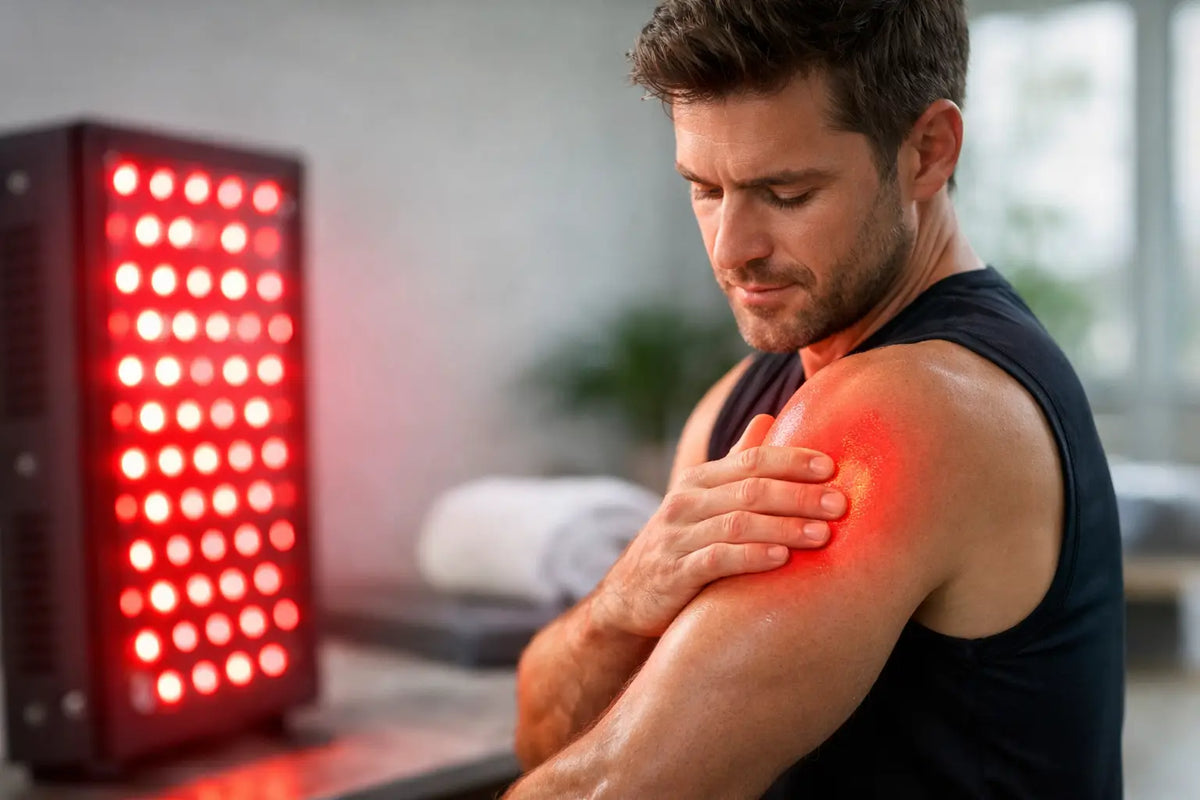
For a home red light panel, position the body so the target area is directly exposed. After a lower-body session, that may mean treating the quads, hamstrings, glutes, and calves from more than one angle. After upper-body work, consider the chest, shoulders, upper back, arms, and forearms as needed. Near-infrared light does not require you to feel heat, and the session should be calm rather than physically demanding.
Device quality changes the experience
A red light device is not just a red-colored lamp. For recovery-focused use, specifications and construction shape whether a panel can become a dependable part of your routine. The most relevant considerations include the wavelengths offered, irradiance at a realistic treatment distance, coverage area, controls, and the ability to use the device comfortably and consistently.
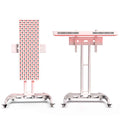
A larger panel can make sense for people training several days per week, active households, or anyone seeking whole-body coverage. It reduces the friction of treating multiple muscle groups and makes a 10- to 20-minute session feel composed rather than improvised. Smaller devices may work well for targeted use, travel, or a specific area such as a shoulder or knee, but they require more repositioning.
Design deserves consideration, too. A recovery tool that lives in a closet tends to become an occasional tool. A stable stand, thoughtful controls, low visual clutter, and a clear place in a bedroom, gym, or wellness room can turn treatment into a repeatable practice. Premium home recovery is not about adding complexity. It is about removing the excuses that interrupt consistency.
Build a recovery ritual around the basics
Red light therapy works best when it reinforces the habits that have the strongest influence on adaptation. After a hard session, begin with hydration and a protein-rich meal or snack appropriate to your needs. Give your body enough total calories to recover from the work you are asking it to do. Then use light therapy as a contained period of stillness rather than another item to rush through.
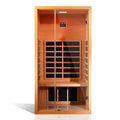
A practical evening sequence might include a short red light session, gentle mobility, and a transition away from work or screens. On days when you also use an infrared sauna, separate the modalities based on comfort and schedule. Some people prefer light before sauna; others prefer it afterward, once they have cooled down. There is no universal order that overrides your response, hydration status, and tolerance for heat.
Cold exposure requires a little more context. A cold plunge can feel exceptional after demanding exercise, but frequent cold-water immersion immediately after resistance training may not suit someone whose main goal is maximizing muscle growth. The inflammatory response to strength training is part of the adaptation process. If hypertrophy is the priority, consider reserving cold exposure for rest days, endurance blocks, or occasions when immediate relief matters more than the training signal.
Red light therapy does not carry that same acute cold-stress trade-off, which is one reason it fits easily into a strength-focused recovery plan. Still, no modality can compensate for chronic sleep restriction, relentless training volume, or poor technique.
Know when soreness is not ordinary soreness
Normal DOMS is typically diffuse, symmetrical when both sides were trained, and gradually improves over several days. It can be uncomfortable, but it should not feel unstable or alarming. Sharp pain, substantial swelling, bruising, numbness, weakness, joint pain, fever, or pain that does not improve warrants assessment from a qualified medical professional.
Avoid placing a red light device over areas where you have been advised not to use light-based therapies. If you take medications that cause photosensitivity, have an active medical condition, are pregnant, or are managing a complex injury, ask your clinician whether red light therapy is appropriate for you. Red light can support a recovery practice, but it should not delay a diagnosis or rehabilitation plan.
Make recovery visible
The most effective home wellness systems make disciplined care easier to repeat. A red light panel near the place you stretch, train, or prepare for bed creates a simple cue: training is complete, and recovery has begun. Track how your body responds over several weeks - soreness duration, perceived readiness, range of motion, and training consistency are more useful signals than a single session.
HALOR approaches home recovery as an environment, not a collection of disconnected devices. When your space supports sleep, heat, cold, hydration, and targeted light in a way that feels calm and intentional, the routine is more likely to last.
Treat red light therapy as a moment to slow the pace without losing momentum. The payoff may be less about chasing perfect soreness relief and more about building the steady recovery practice that keeps your next session within reach.